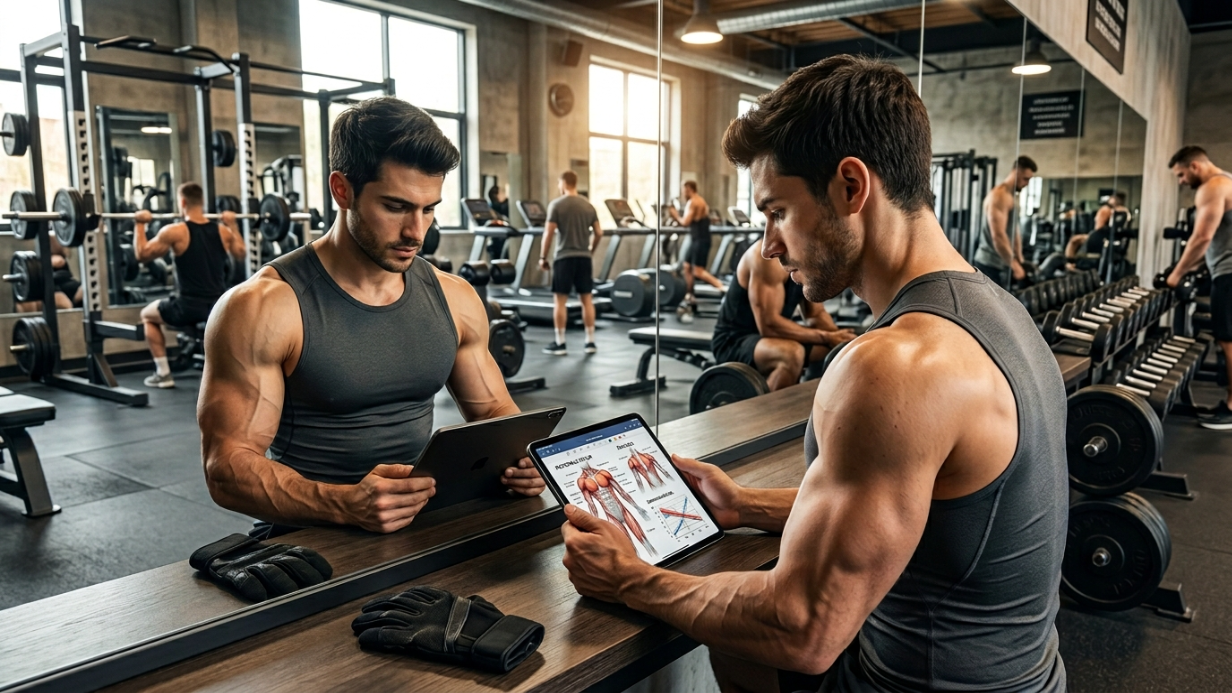
Developing the upper body is not just about lifting heavier weights – the correct technique is involved. Training according to the Kinetic Framework means maintaining a healthy position of the shoulder blade whilst utilising different forms of resistance to ensure the right muscles are engaged. Shifting from simply lifting weights to lifting with a specific purpose brings benefits in terms of avoiding injuries, including those relating to the rotator cuff or shoulder joint inflammation.
Scapular Packing Protocol
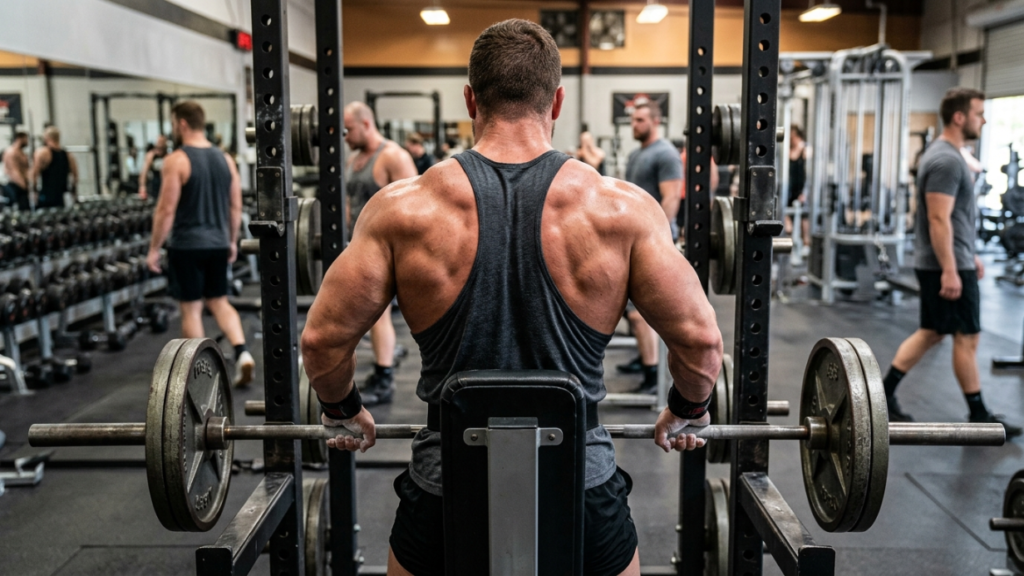
Before starting a press, pull your shoulder blades back and down toward your back. This creates a stable base for your arm movement, protecting the front part of your deltoids and allowing your chest muscles to stretch and contract fully.
15° Incline Change
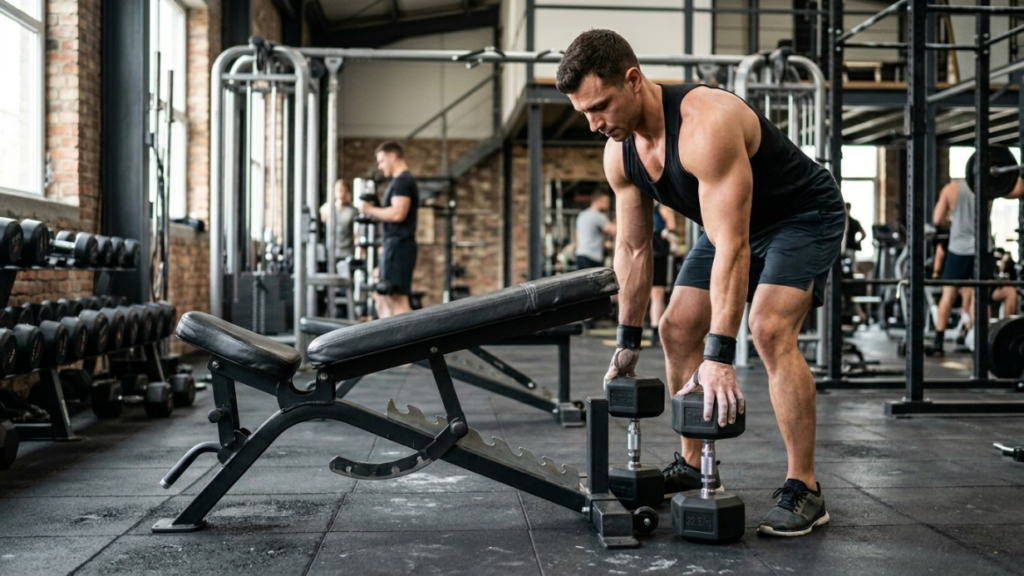
Shifting from a bench set at 45° to one placed at an angle of 15° to 30° focuses on working the upper chest while maintaining proper alignment of the shoulder joint, reducing the likelihood of impingement.
Eccentric Overload (4-Second Negatives)
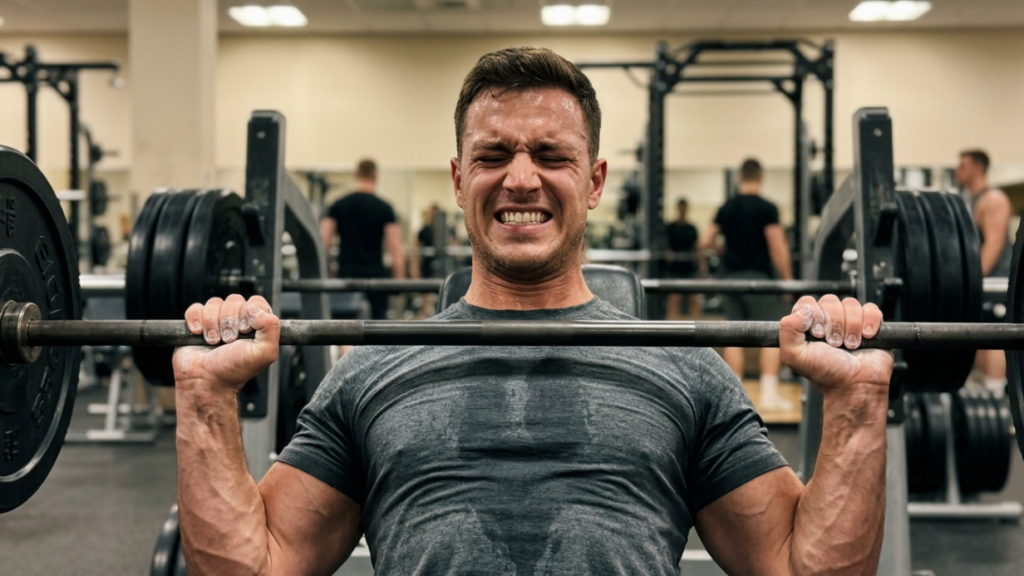
Most muscle growth happens during the lowering phase. Take four seconds to lower the bar during presses to increase muscle tension time and strengthen your connective tissues.
The Squeeze Peak Contraction
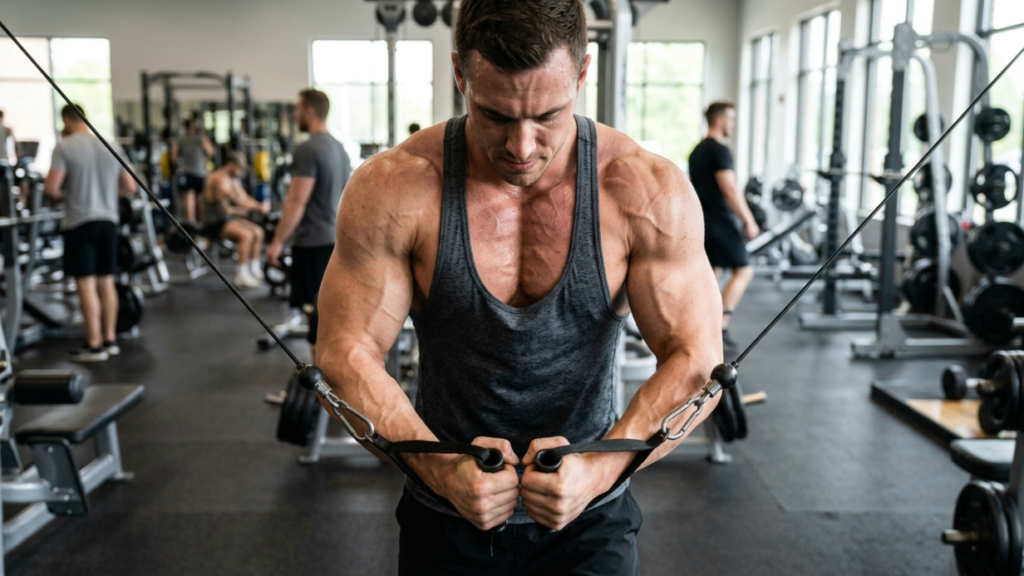
On cable flies or pec-deck machines, don’t just bring your hands together. Cross your wrists and squeeze your chest for two seconds at the top of the movement. This activates the deeper fibers of your chest muscles.
The Landmine Overhead Press
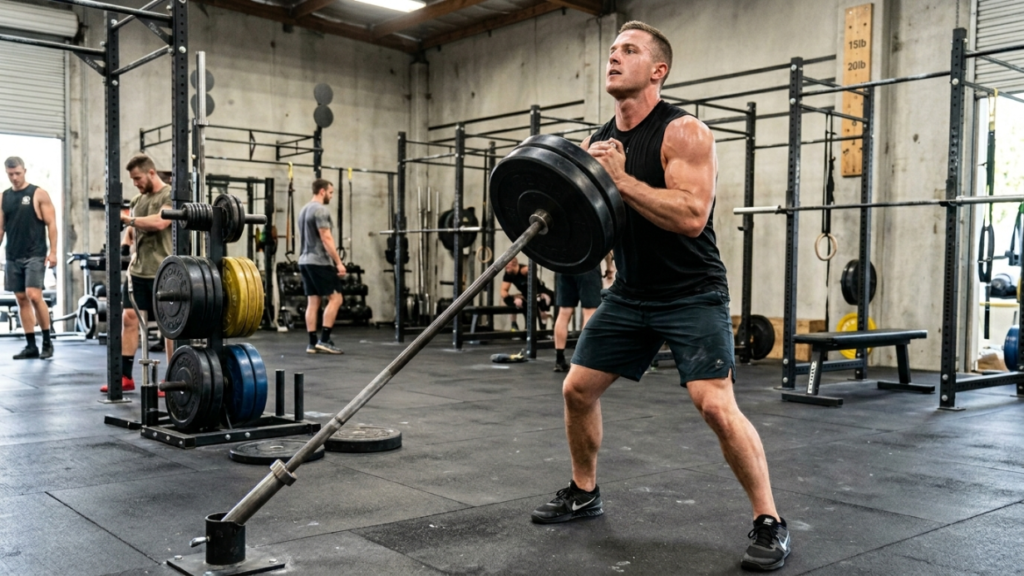
If overhead pressing causes pain, use a landmine attachment. This allows your shoulders to move more naturally and helps you build strength safely.
The Z-Press for Core and Delts
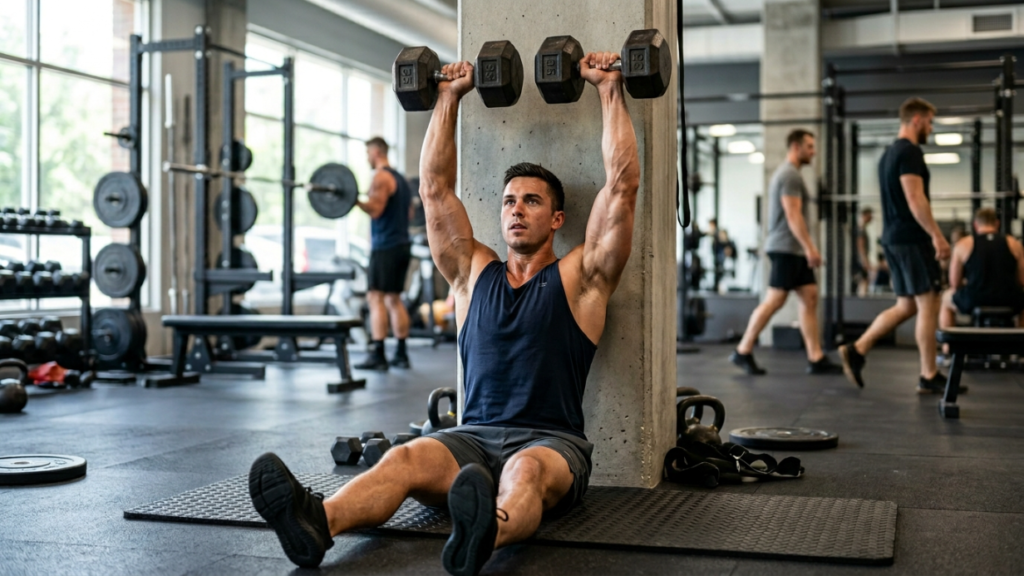
Sit on the floor with your legs straight and perform an overhead press. Without chair support, your core and shoulders must work hard to keep you stable, helping correct muscle imbalances quickly.
Variable Resistance with Bands
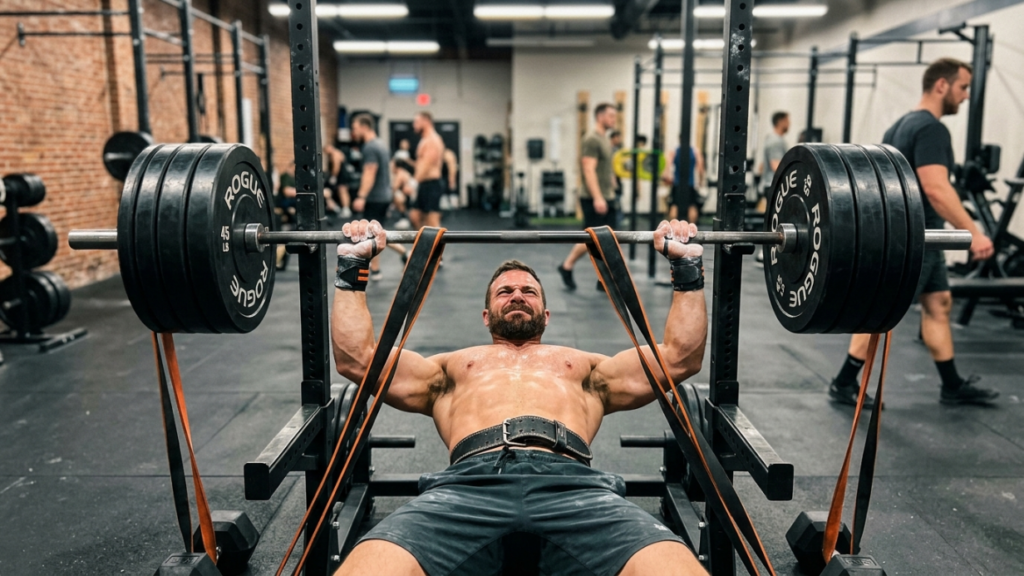
Attach resistance bands to your barbell. Bands get harder as they stretch, so the weight is lightest when you are most vulnerable (at the bottom of the movement) and heaviest when your chest is strongest, matching your natural strength levels.
Unilateral Offset Loading
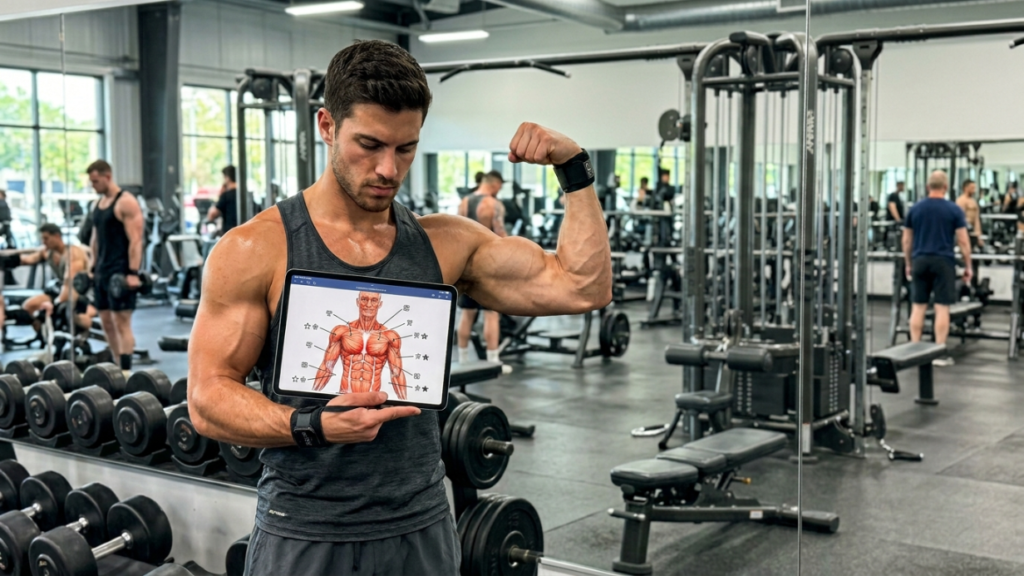
Do the press using each hand separately. By doing so, your obliques and another muscle known as the serratus anterior (which stabilizes your scapula) will be worked on more intensely, thus providing a good base when lifting weights.
24-Hour Recovery Test
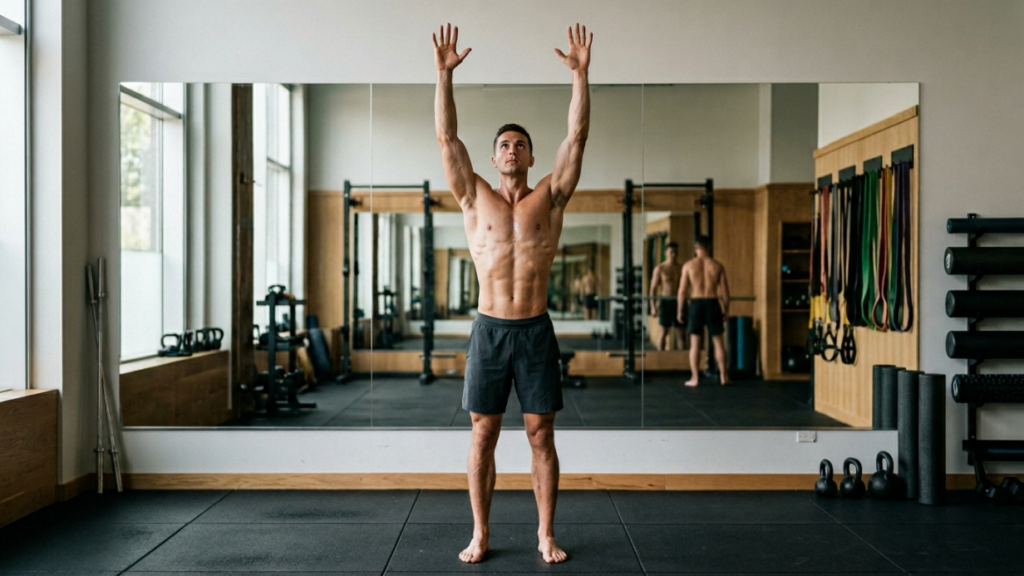
Test your shoulder range of motion the next day after your chest training. If you can’t lift your arms above your head without your spine curving backward, then you have way too much inflammation in your body. Modify your training accordingly.
