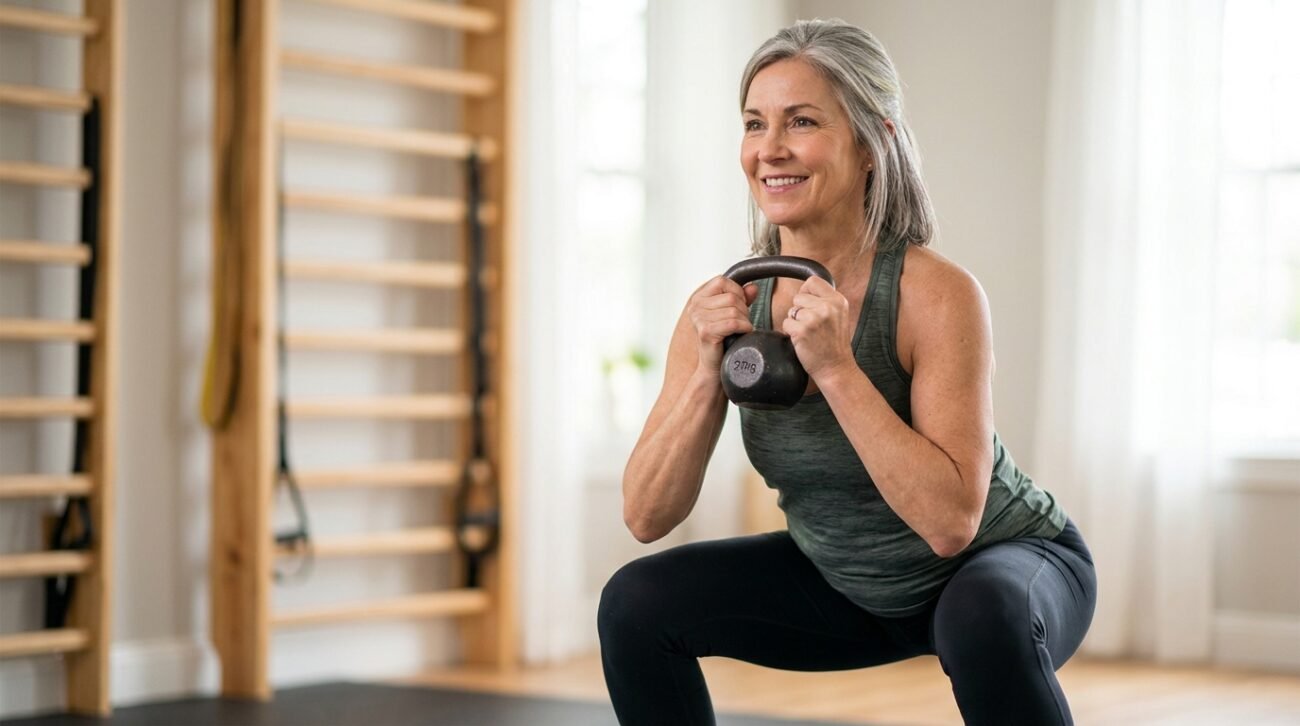
The most functional lift for your longest life. The squat mimics the very patterns that form the base of your life, sitting down, getting off the floor, and moving heavy objects around while keeping bone density, metabolic health, and lower body power dialed in. But once you move past 50, the body’s structure changes-joints aren’t as lubricated, old tissue trauma remains, and tendons are no longer quite as elastic, so a hard ‘no pain, no gain’ approach can quickly take its toll on the knees and hips. 8 changes you need to make in your squats to protect your joints.
Shift the Kinematic Sequence to Hips First
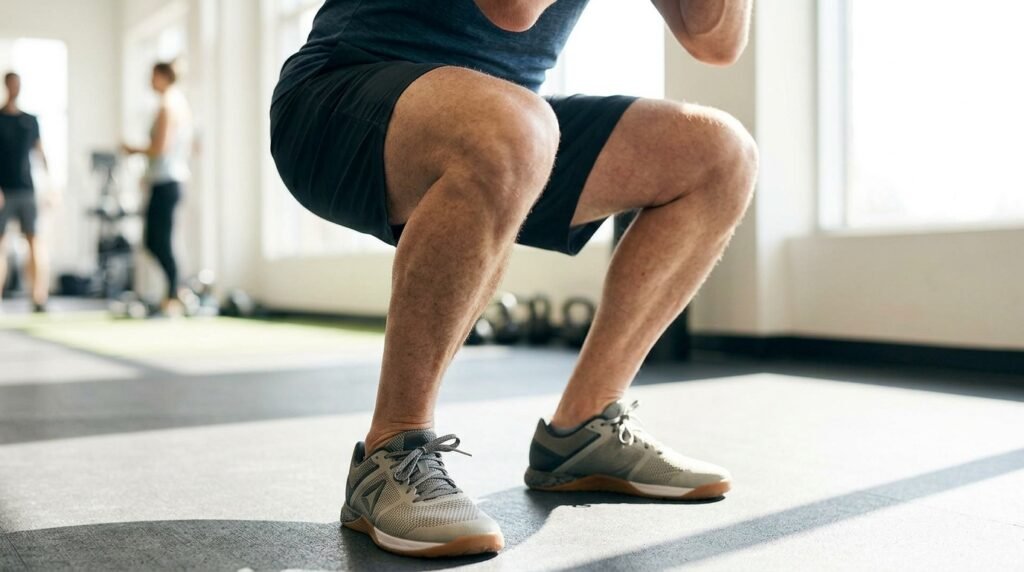
For many older lifters, initiating the squat with a forward knee drive instantaneously sends a massive amount of shearing force directly through the patellar tendon. Instead, initiating with a slight hip hinge, as though seeking out a chair behind you, preloads the gluteals and hamstrings to powerfully drive the movement through.
Wider Stance for Greater Structural Hip Space
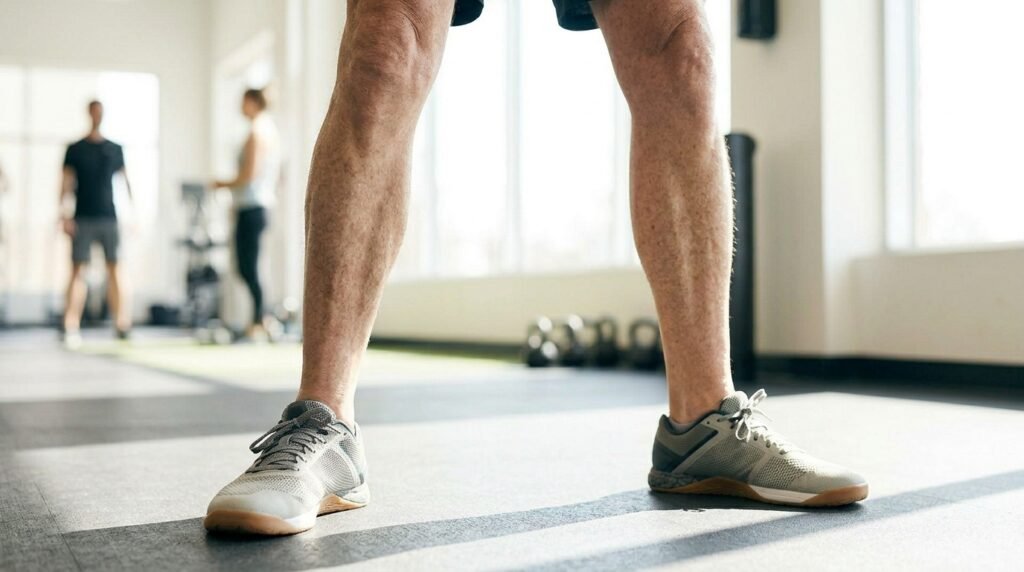
When forcing the feet to point directly forward, this can cause the femoral head to bang directly into the wall of the hip socket, blocking any greater range of motion. If you angle the feet 15 to 30 degrees outwards, this automatically gives the pelvis space, allowing you to push forward and into the movement more. This adjustment naturally brings on greater hip flexion.
Box Squat as a Tactile Feedback Mechanism
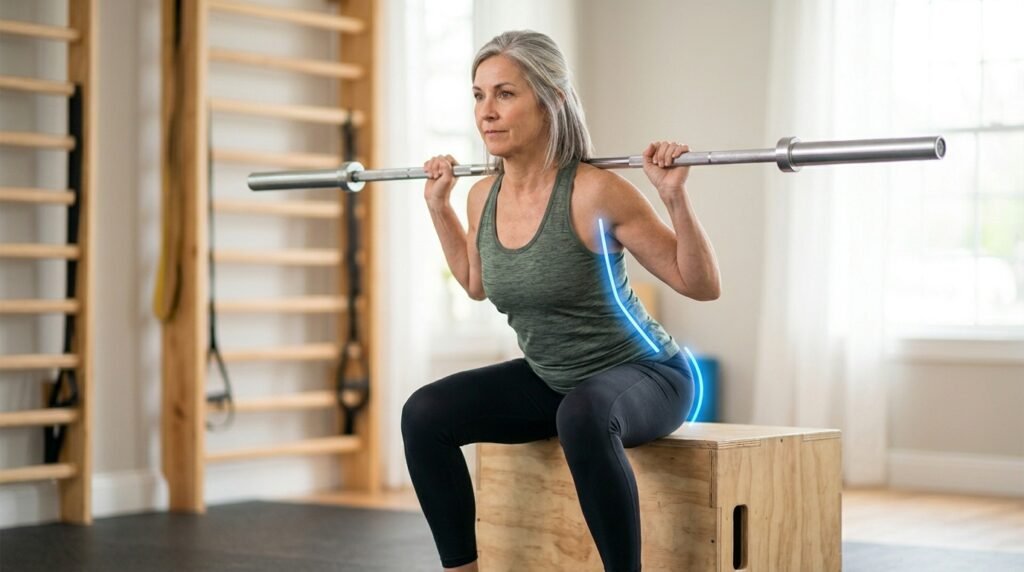
Many people over 50 will round their backs or barely reach the bottom of their squat for fear of collapsing into the movement. When you sit on a box or bench, this simply removes the thought process of what the bottom position is. Simply aim for the front of your thighs to gently touch the box.
Implement Unilateral Movements for Improved Symmetry
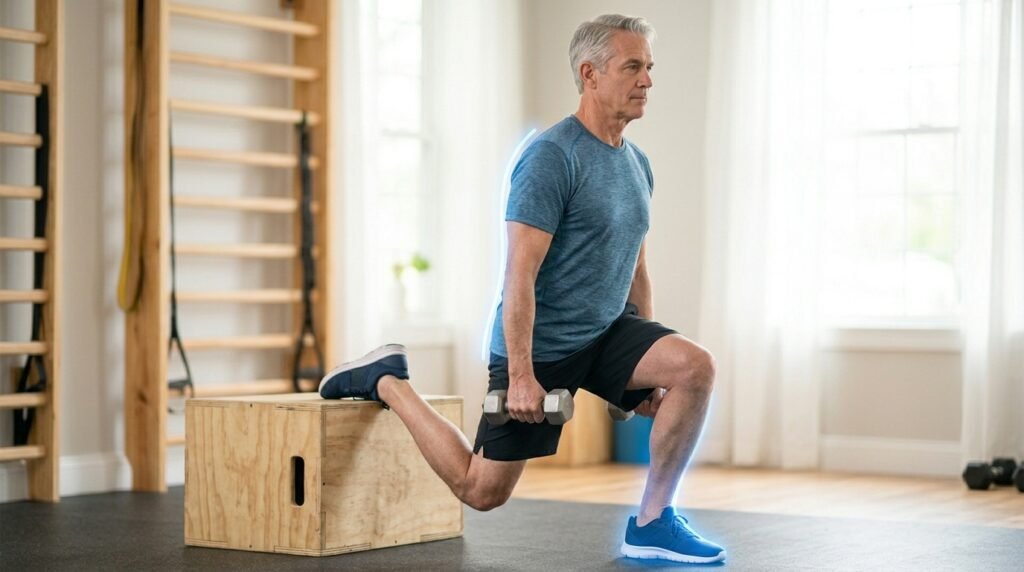
The body naturally develops biases over a lifetime, and we tend to overemphasize the power of one leg over the other when we are lifting symmetrically. Integrating split squats and rear-foot elevated split squats will train each leg independently while keeping spinal rotation at an absolute minimum. The core must remain upright and stable.
The Canister Method of Core Bracing
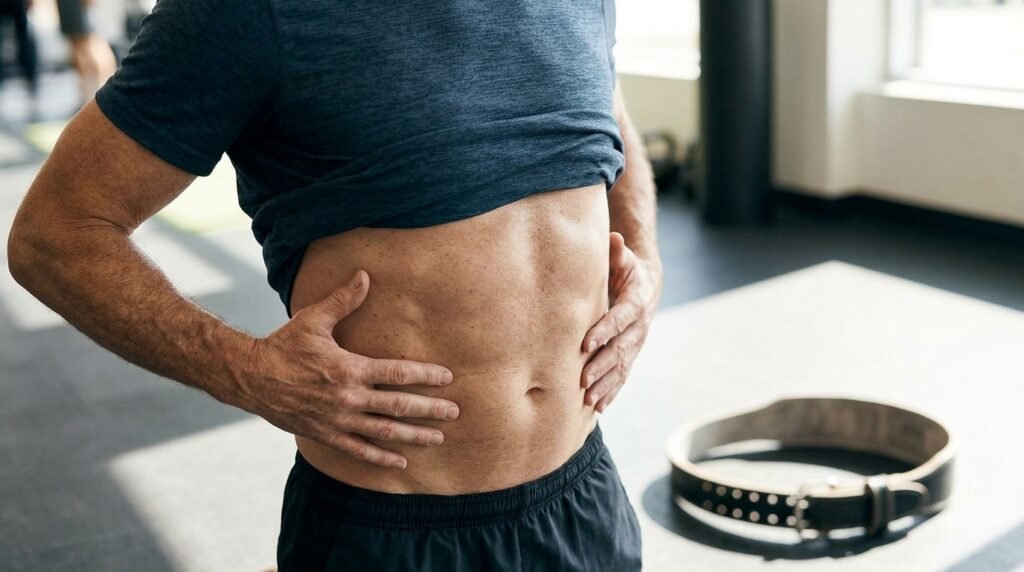
Lifting belts, though sometimes helpful for managing acute pain, allow you to rely too heavily on an outside force for stability. This is a recipe for spinal degeneration if the core is not working properly. Instead, learn to breathe deep and expand 360 degrees around the entire mid-section, creating an airtight ‘canister’ of intra-abdominal pressure which will completely stabilize the spine.
Personalizing your own Squat Depth is not Optional
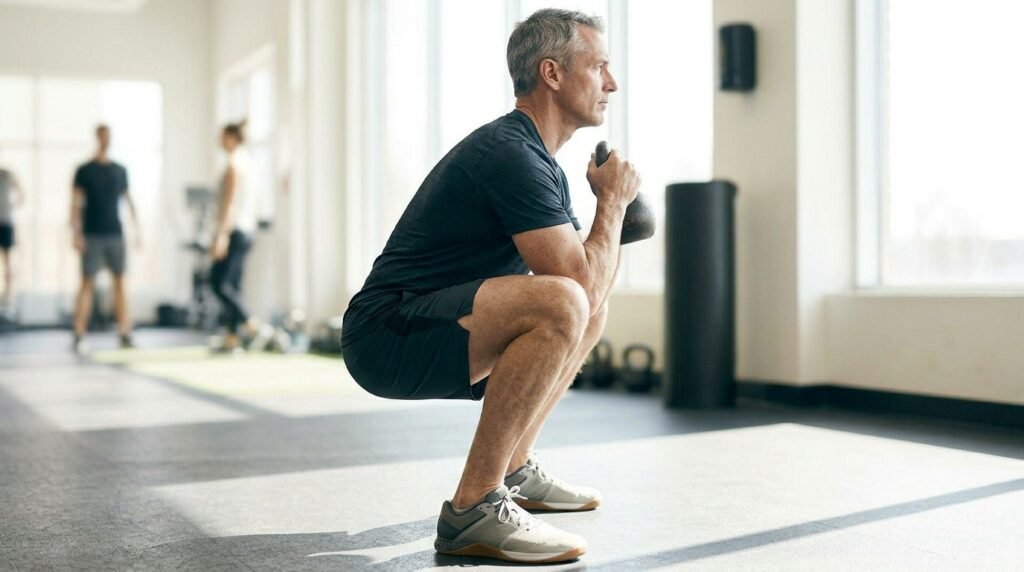
The ‘squat below parallel’ mantra is dangerous and unnecessary for those with spinal degenerative conditions and joint pain. You must define your own limit for depth where your lower back stays neutral, and your hips are pushed fully back. Don’t compromise and force yourself too deeply, as this only places additional pressure on the knees.
Switch to a different Machine to preserve the Spine
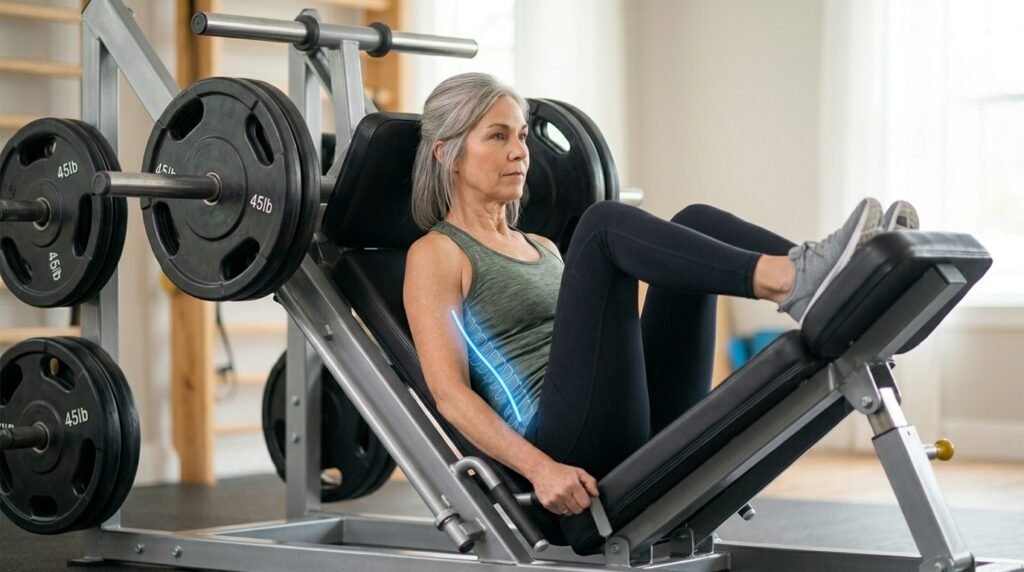
Many patients develop spinal or shoulder injuries over time. For this reason, it may be wise to invest in different equipment than what you would normally see in the gym. A Leg Press can be excellent for building quad and hamstring power while avoiding high levels of axial loading on the spine. Also, the use of a Safety Squat Bar helps offload a lot of stress that would be placed on the spine or shoulders.
Drive with the entire Tripod Foot
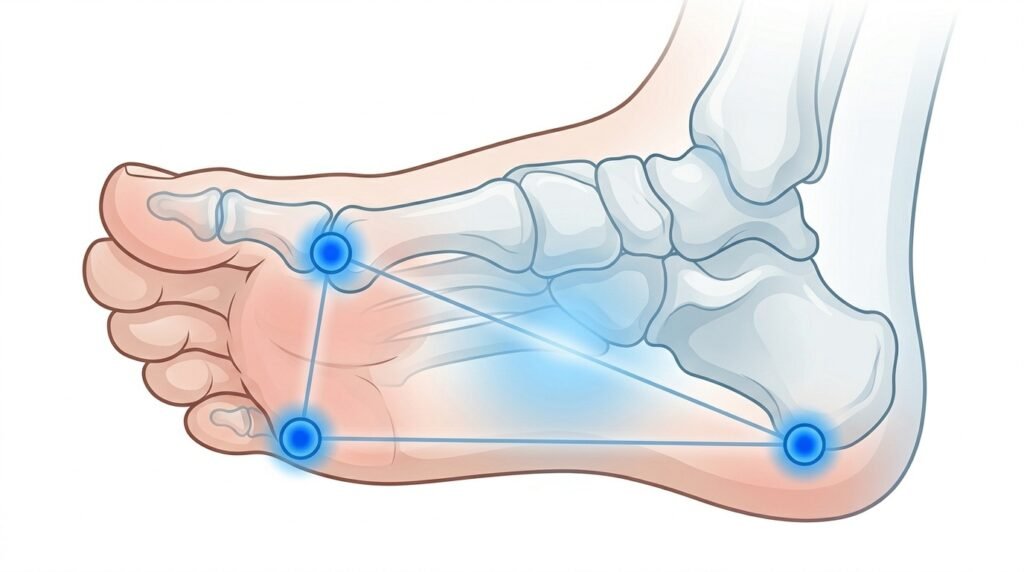
When many individuals squat, they put the weight fully on their toes, which brings the heels up, the gluteus off the seat in a box squat, and increases the pressure through the anterior chain. If you can learn to feel pressure throughout the entire foot, it becomes more similar to pressing through three specific points: at the base of the big toe, at the base of the pinky toe, and directly through the middle of the heel.
