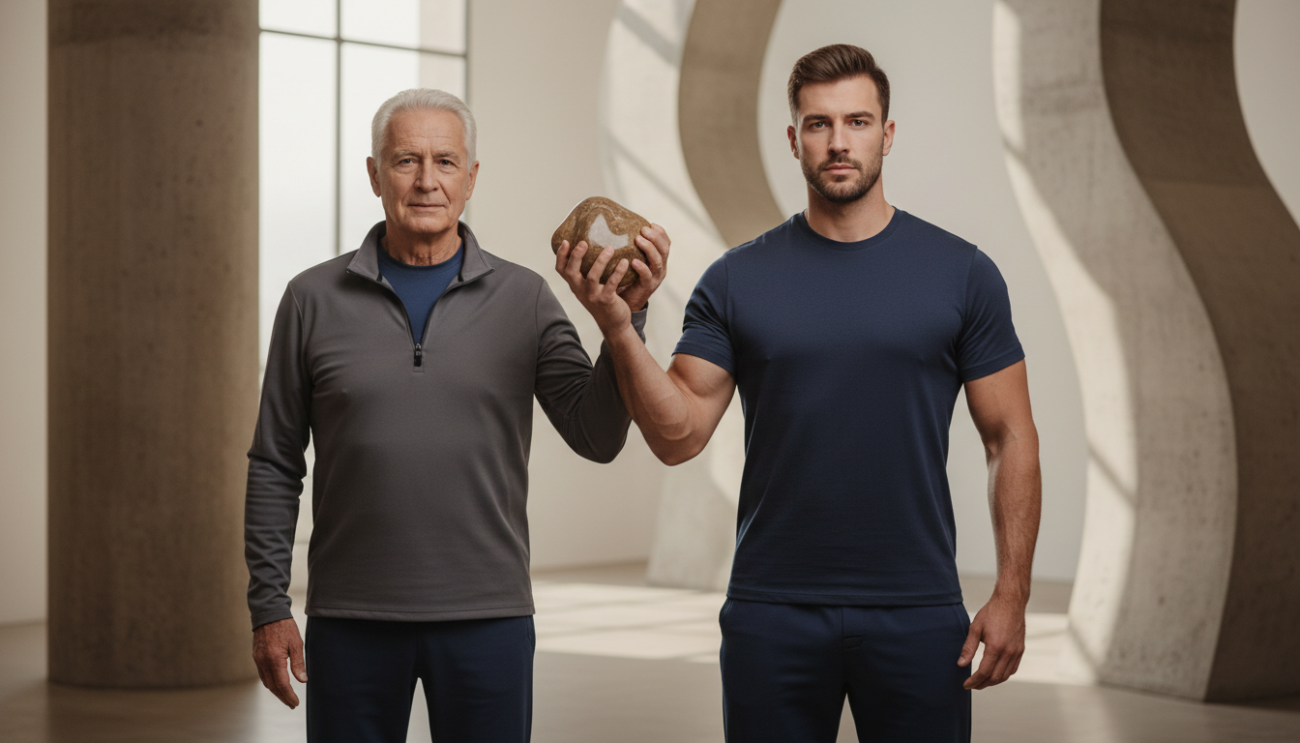
People tend to prioritize heart health and memory as they age but they neglect to recognize muscles as the key factor that determines their ability to stay independent throughout their lives. People begin to experience muscle loss at age 30 because their body enters the process of sarcopenia. People who do not engage in activities to safeguard their muscles will experience total body effects that include metabolic disruptions and slower recuperation from sickness.
The Ultimate Fall Prevention

Falls are a leading cause of injury in older adults. Leg and core muscles provide built-in stabilization because they create strong muscle strength. The system enables users to regain balance after a trip while delivering strength which allows them to walk safely on rough surfaces.
Protecting Your Bones

Muscle and bone have a dependent relationship. Your muscles create tension on your bones when you lift or pull objects which results in your body developing denser and stronger bones. The best way to stop osteoporosis and fractures from occurring is to maintain your muscle mass.
Boosting a Slowing Metabolism
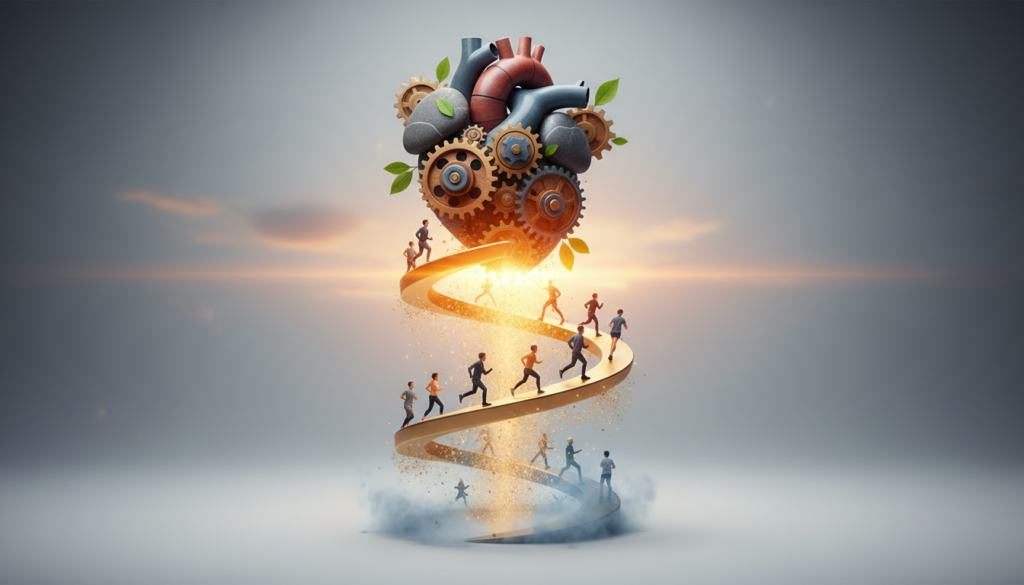
Muscles function as metabolically active tissue which results in calorie burning during periods of complete physical rest. As people age their metabolic rate decreases so they need additional muscle mass to control their weight and prevent the body fat increases which occur during middle age.
Blood Sugar Control

Your muscles work as blood sugar glucose absorbing sponges. After you eat your muscles absorb glucose which they use for energy production. Your body can better control insulin levels when you have more muscle mass which results in a significant reduction of your Type 2 diabetes risk.
Faster Recovery from Illness

The healing process requires your body to have high protein intake when you experience an illness or undergo surgery. Your body will take protein from your muscles when you lack sufficient protein in your meals. Your body can recover from health problems because your muscle reserves provide the necessary resources for faster healing.
Maintaining Independence

People need functional strength to perform basic activities such as grocery carrying and jar opening and low chair standing. You maintain your capacity to complete daily tasks when you sustain your muscle strength which enables you to avoid depending on others while preserving your dignity and liberty.
Improving Heart Health

People commonly associate cardio with heart health but strength training provides equal importance for this purpose. Muscle mass helps your heart function better by improving blood circulation and reducing the energy requirements of your body during daily activities.
Mental Health and Confidence
Physical strength creates a direct relationship between mental well-being and body strength. The feeling of strength and capability helps people overcome their fear of getting old while it boosts their self-esteem.
Better Posture and Less Pain
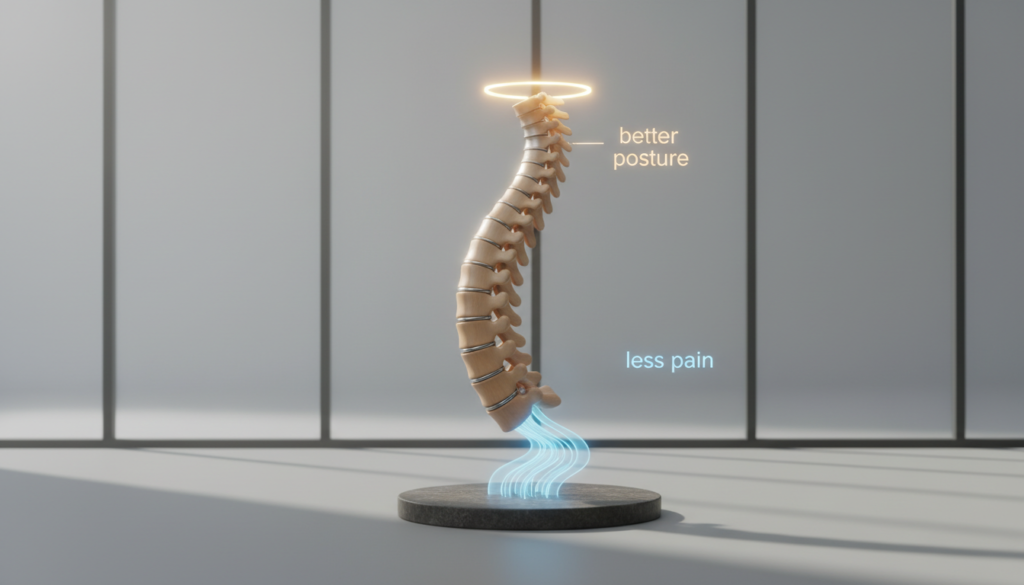
Muscle loss results in slouching which creates back pain because it puts excessive pressure on the spinal column. Strong back and core muscles enable you to maintain proper spinal alignment which allows you to walk straight and move without suffering from the persistent pain that comes with aging.
Longevity and “Healthspan”

Research shows that people who have higher muscle mass will live longer than those with lower muscle mass. The process of adding years to your life requires more than just extending your life span because it includes extending your active years while preventing your body from becoming weak.
