
Year after year, folks hear the same message about shedding pounds: take in less fuel and fat vanishes. Sounds clean enough on paper. When energy used beats energy eaten, science says fat gets burned. Still, plenty find it does not play out that way. Cutting meals short often leads nowhere for some. A few notice things crawling slower once they’ve tightened eating habits. Not many folks grasp how flexible the human body really is, according to researchers who study food and health. Lowering calories sharply often triggers changes – metabolism slows, hormone signals alter, fatigue creeps in – all making it tougher to shed fat.
The Metabolism Slowdown
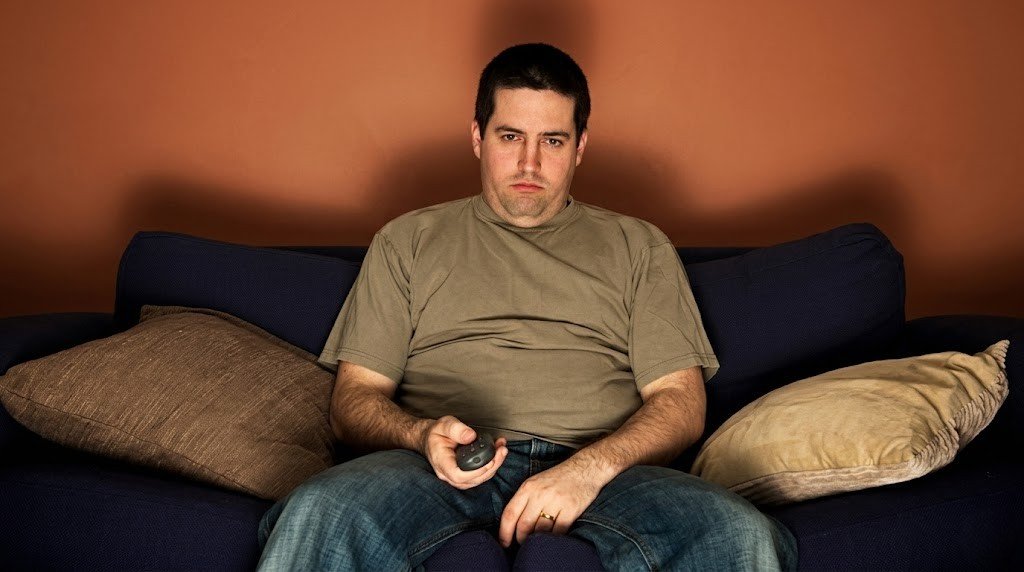
Much of the time, cutting calories way down makes the body react by burning less energy. To save fuel, it dials back how fast things run inside, so each hour passes with a smaller burn.
Muscle Loss Risk
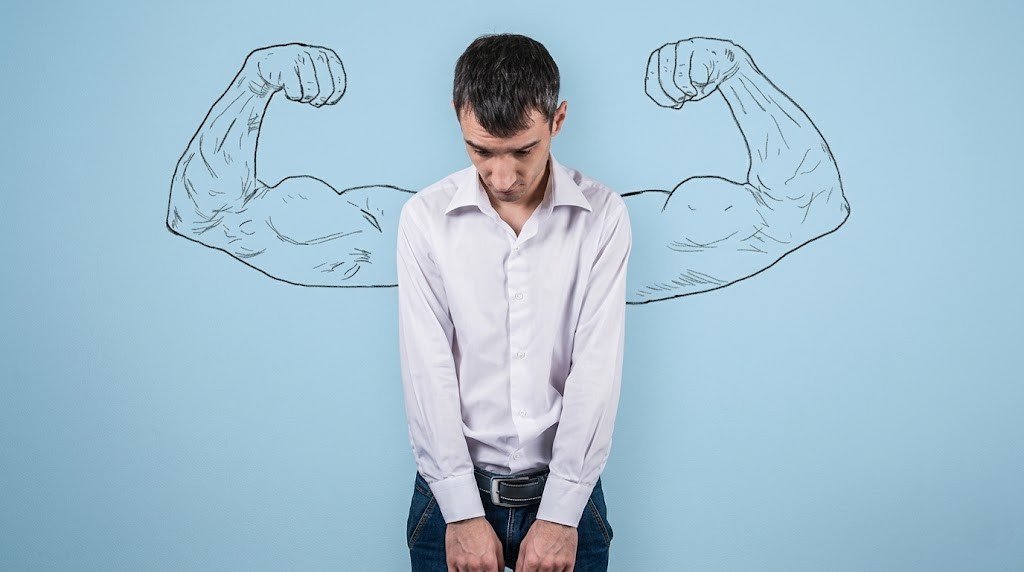
Losing muscle might happen if meals shrink too much, especially without sufficient protein or strength workouts. Because muscle uses up more energy than fat does, having less of it tends to drag down fat burning after a while.
Hormonal Changes

A sudden dip in calories might shift signals that manage hunger and stamina. When fuel runs low, leptin often slips downward – cravings rise, alertness fades. Body rhythms react quietly, yet clearly, under tight dietary limits.
Energy Levels Drop

Much lower energy shows up when fuel drops too low. Movement often slows through daylight hours because of it. Less intense workouts happen now and then. That shift cuts down how many calories get used overall.
Stress Hormone Effects

When eating far too little, the body sometimes reacts by raising cortisol – this chemical ties closely to tension. Fat storage, particularly at the waist, might rise when that substance stays elevated.
The Body’s Survival Mode

When food intake drops sharply, survival instincts kick in. The system shifts toward saving fuel instead of using it. Functions that demand energy get dialed down. This response treats low calories like danger ahead.
Nutrient Deficiency
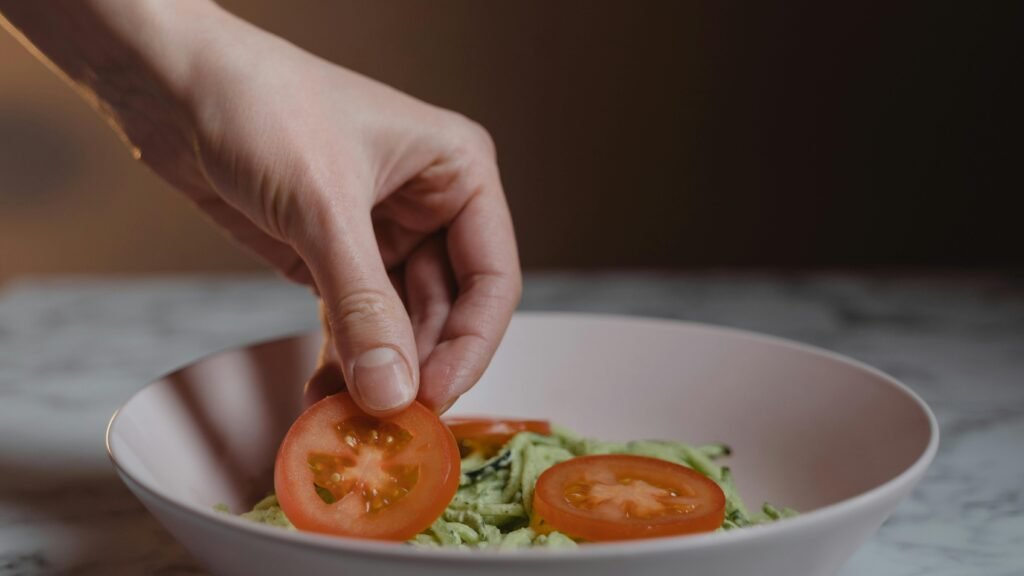
When meals are too small, essential vitamins often fall short. Without enough nutrients, the body might struggle to manage energy properly. Health could shift slowly when key minerals go missing.
Unsustainable Dieting
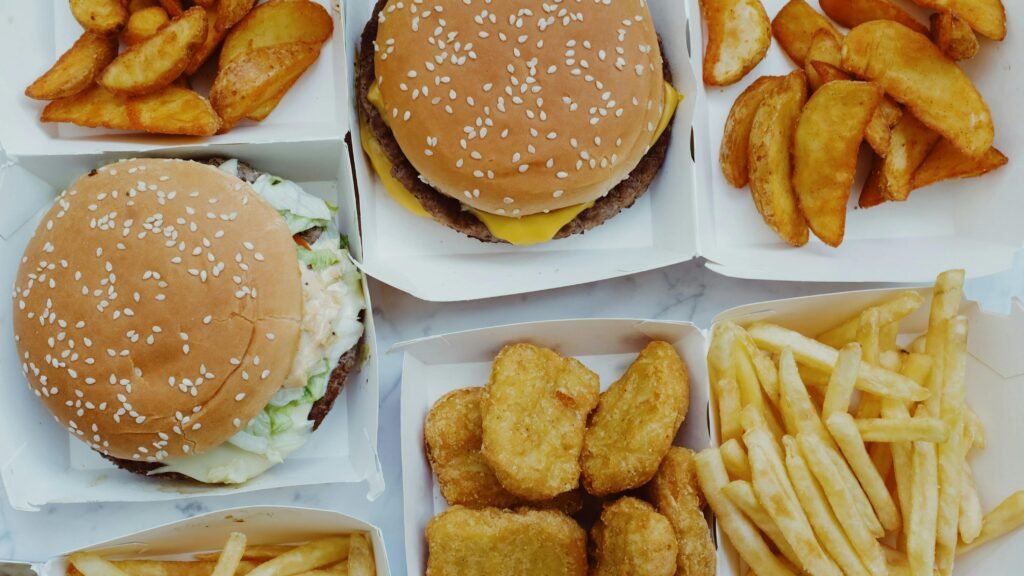
Sometimes cutting calories too much backfires over time. When old habits creep in again, results start slipping away.
Hidden Calories

It happens like this: someone thinks their meals are small, yet hidden bites add up. Sips between meals sneak in extra energy too. A bigger plate means more food without noticing. Little things stack when attention drifts elsewhere.
The Role of What We Do

Fat leaves the body when eating shifts plus motion adds up. Moving each day along with lifting shapes keeps strength steady while burning stays sharp.
Balanced Approach

Folks who study food and health tend to back a middle-ground way these days. Ditching drastic reductions in daily intake, they point to steady choices, moving the body most days, sticking with small routines.
