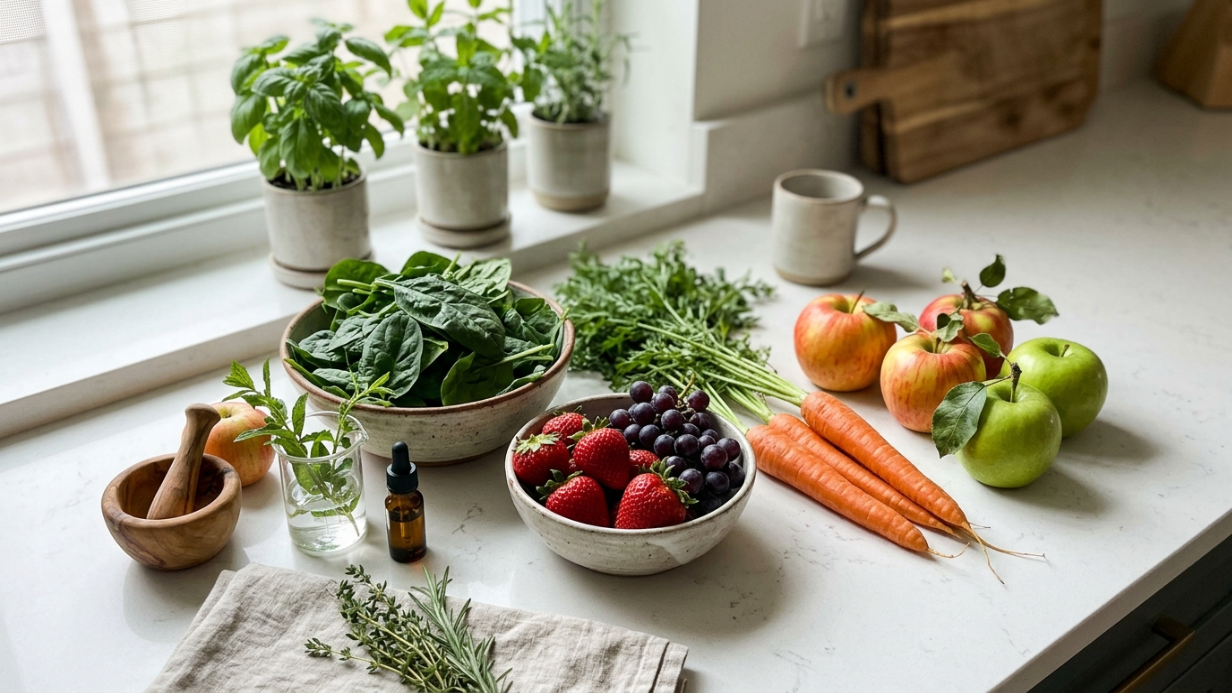
The relationship between agriculture and “forever chemicals” per- and polyfluoroalkyl substances (PFAS) has emerged as an important topic in food safety studies. They are synthetically produced chemical substances that exhibit carbon-fluorine bonds, which resist environmental breakdown. Short-chain PFAS molecules have high solubility in water and are able to be transported through plants using their vascular system through transpiration, thus leading to accumulation primarily in leaves and thin fruit skin tissues. These 9 Points on PFAS presence in produce
Spinach

Research shows that spinach is one of the most absorbing agricultural products in terms of accumulation of short-chain PFAS substances like perfluorobutanoic acid (PFBA). It is due to its enormous leaf surface area and high transpiration rate (transport of water within the plants and evaporation of water vapor through the leaves’ stomata).
Strawberries

Since strawberries don’t have any protective outer layer, all applied chemicals are absorbed by them into their flesh. Research proves that there is a high likelihood of systemic PFAS residue from pesticides on conventional produce that can’t be rinsed or removed.
Peaches

Peaches are susceptible to absorbing systemic fungicides classified as PFAS chemicals because of their molecular composition. Fludioxonil is one such type of fungicide that tends to leave detectable residues in almost 90% of conventional peaches tested.
Plums
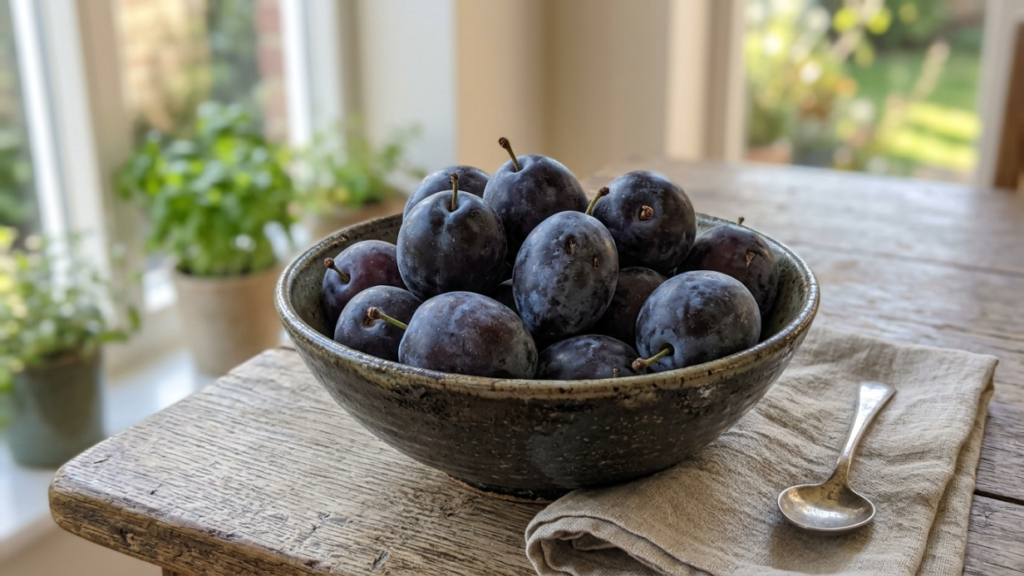
Similar to peaches, the fragility of other stone fruits, like plums, renders them highly susceptible to the retention of fludioxonil. Due to their systemic nature, these pesticides are meant to permeate the external peel and prevent fungi from developing in order to protect from deterioration. Thus, the chemicals become an inherent part of the produce.
Blackberries

Pesticide-intensive farming practices of cane berries can cause contamination with PFASs. According to tests conducted on conventional blackberries, there is commonly a residue of bifenthrin, an insecticide and PFAS pesticide used to fight off fruit-boring pests.
Grapes
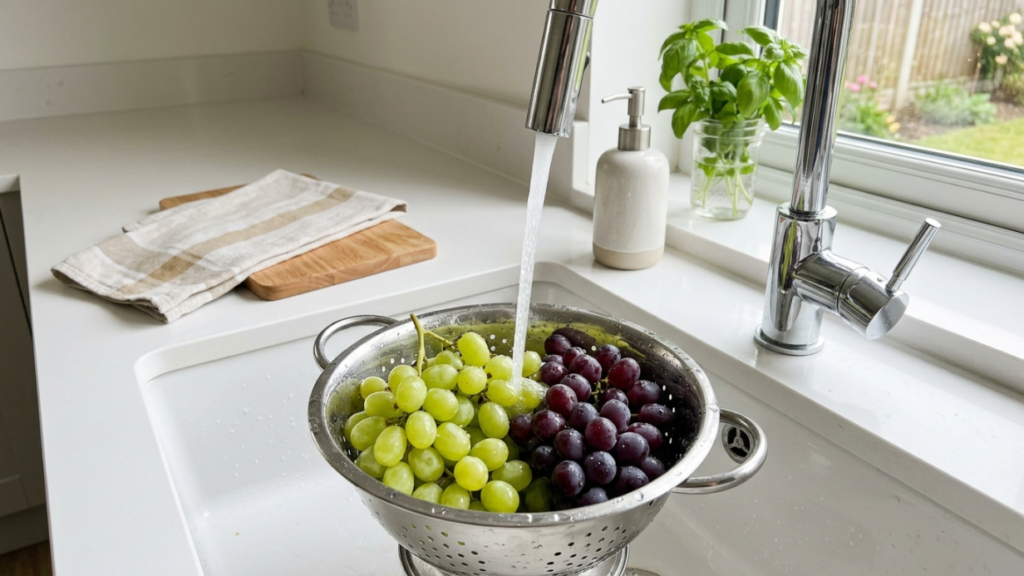
Due to their delicate skins, grapes absorb agricultural inputs quickly. Another common agricultural fungicide, fluopyram, classified internationally as a PFAS pesticide due to its chemical composition, appears to be regularly detected in conventional grapes.
Carrots
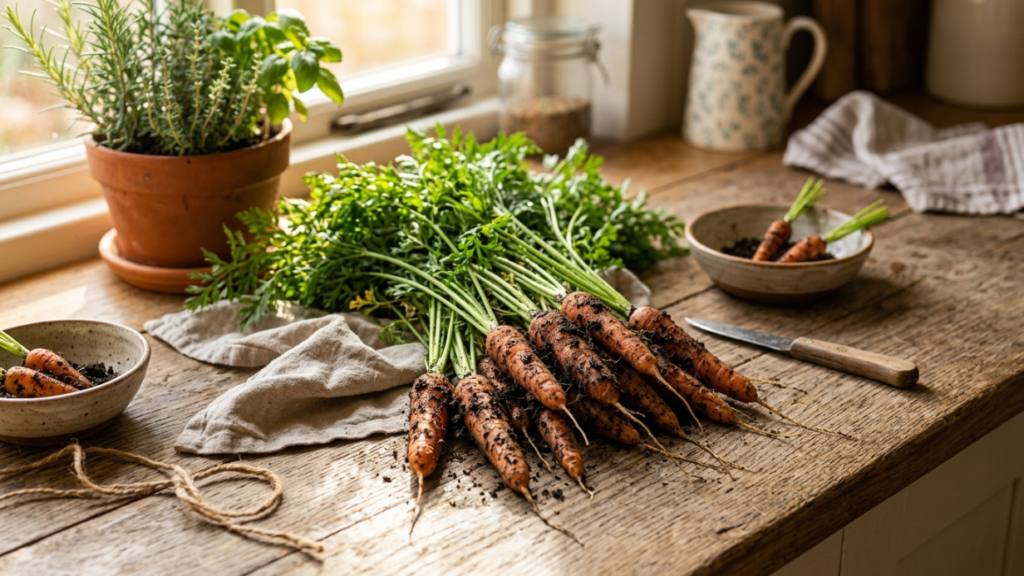
The chemistry of roots is highly important when it comes to chemical intake. Scientific literature suggests that carrots do not have a well-formed Casparian strip- a waterproof layer that serves as a filter for certain types of pollutants. As the plant lacks this barrier, short-chain PFAS molecules may pass through root filtration much more easily than with other root structures.
Radishes
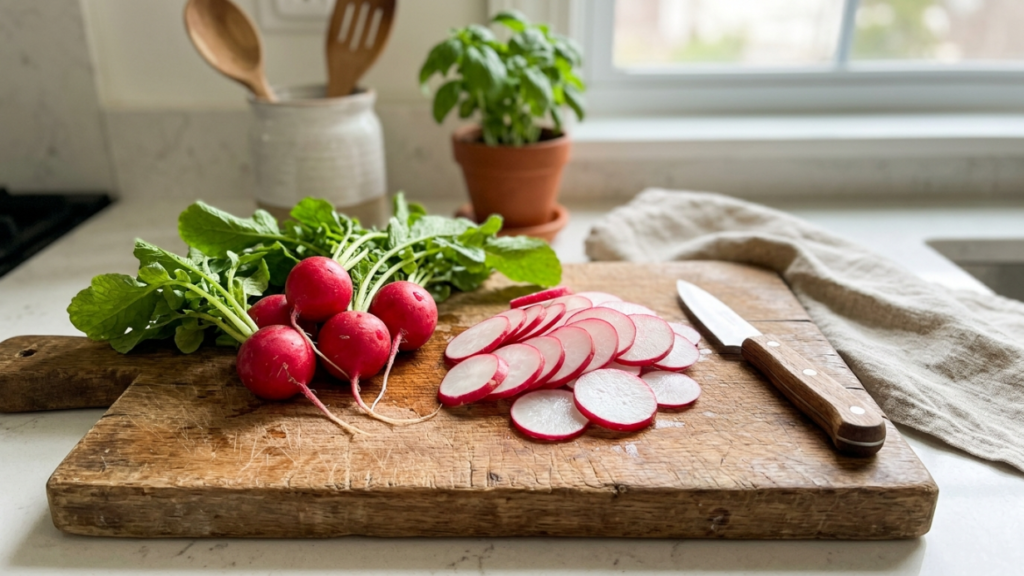
In similarity with carrots, radishes lack efficient root filtration mechanisms. The inability to filter certain pollutants results in direct penetration of short-chain PFAS molecules into the edible root bulb of the plant.
Apples

Because apples are grown all across the globe and also because of their high vulnerability to fungus, there is no lack of various pesticides being applied during the entire growing season. There are many types of chemicals used, including persistent organofluorine compounds.
