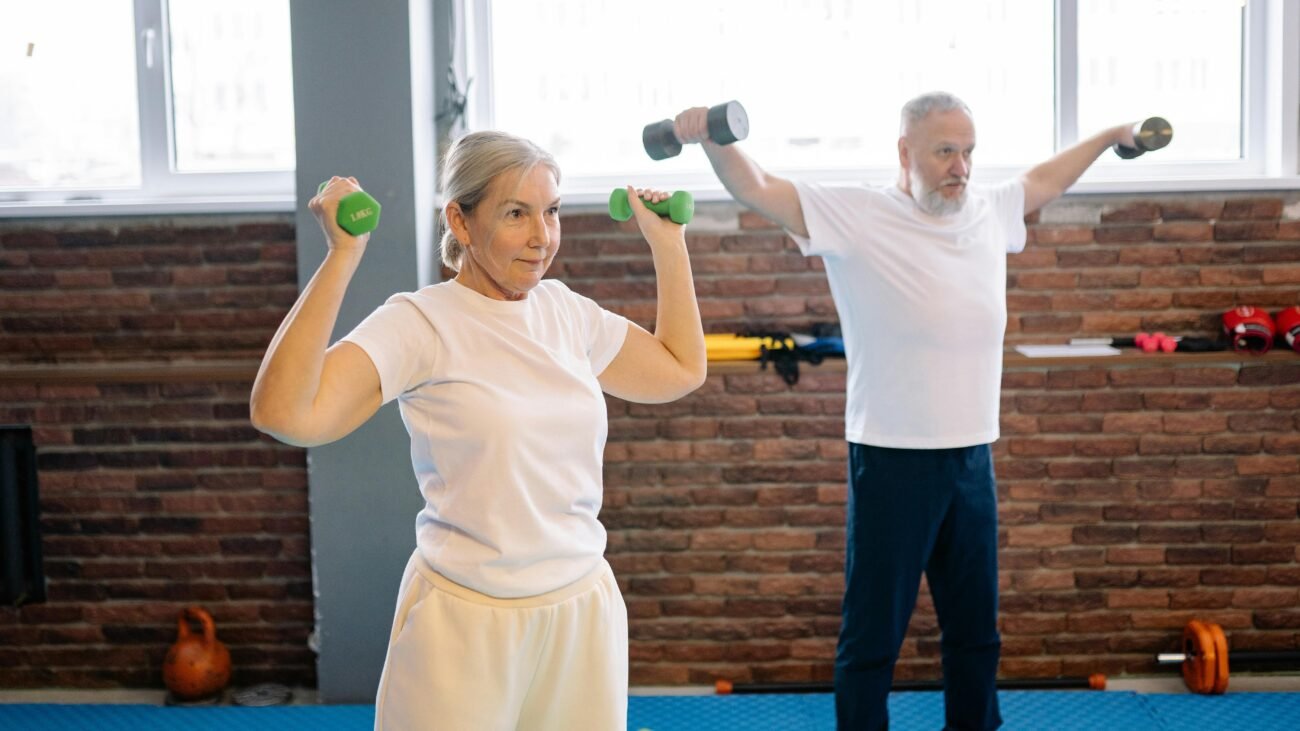
More studies from the U.S. are changing views on exercise and getting older. Not long ago, scientists found people who can lift more tend to live past average life spans. Daily meals, body size, or blood flow once ruled the conversation around long lives. Now grip power or leg drive shows up strong when tracking who survives years later. Carrying bags of food, moving around easily later in life – muscle power matters far beyond what most assume. Because of this, folks across the U.S. are beginning to see fitness, getting older, and well-being in a new light.
Strength & Life
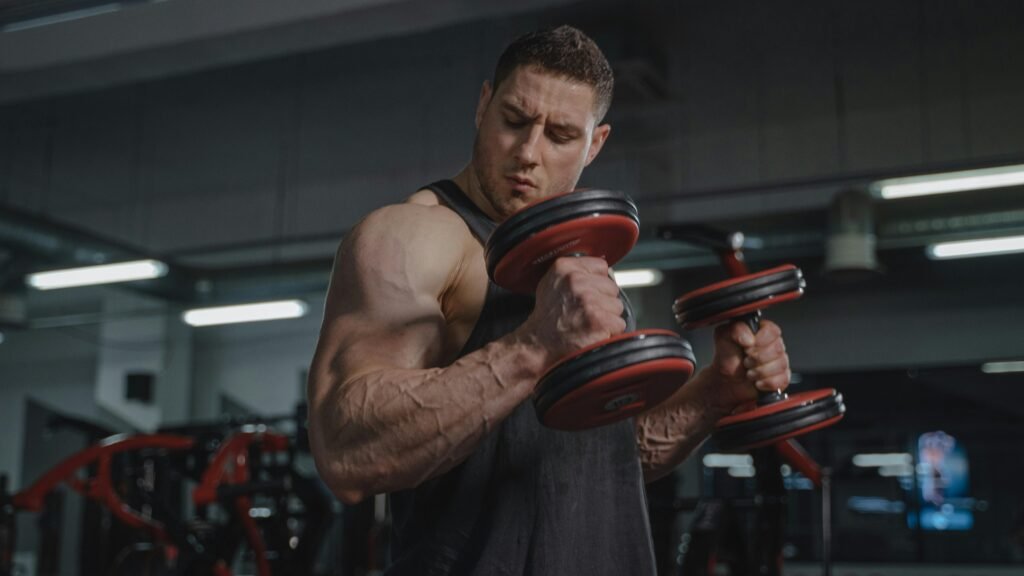
Out of nowhere, stronger muscles seem tied to living longer. People who can lift more also dodge early health trouble quite often. A surprise? Maybe not – but their bodies just handle stress better. Long life isn’t guaranteed, yet power helps.
Why It Matters
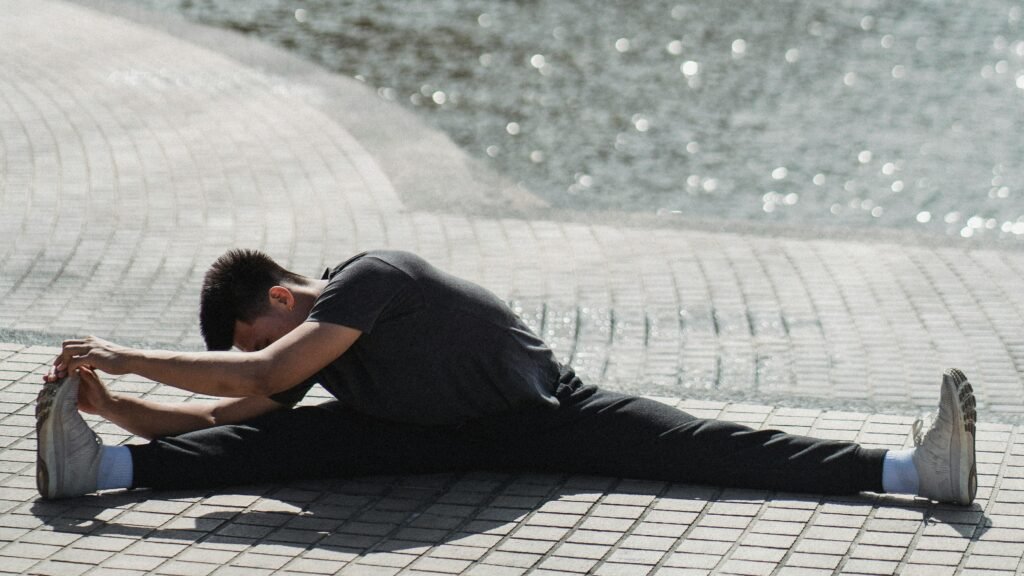
Strength in muscles tells a story beyond exercise. What happens inside the body – how it burns fuel, builds bones, moves freely – shows up here. Energy use, skeleton health, motion without help – all tied to this one measure.
Daily Ease

Walking up steps feels lighter when muscles are tuned, groceries seem less heavy. Stamina stretches further on long walks if strength builds slowly over time. Effort fades into background noise with consistent training done week after week.
Lower Risk
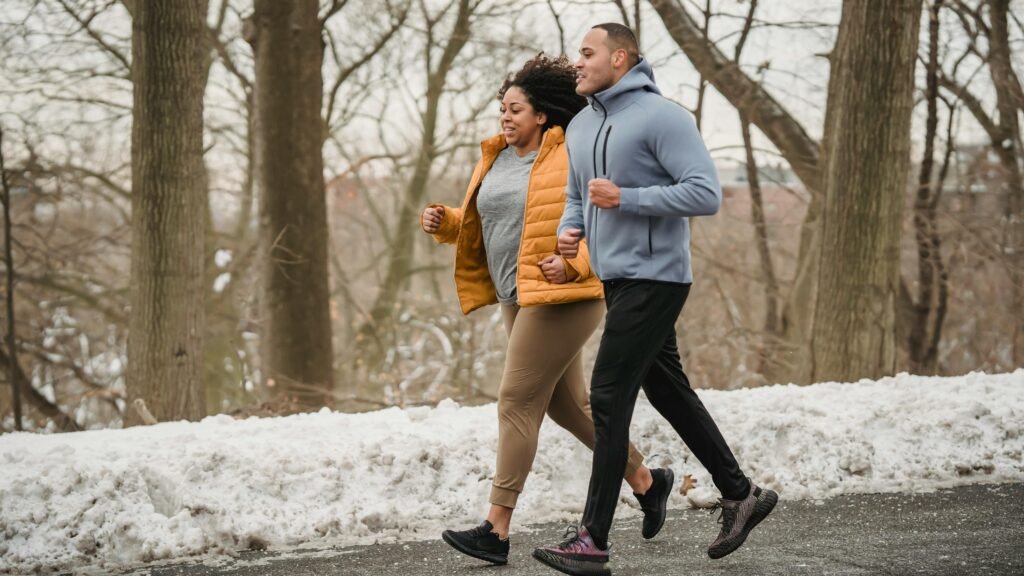
Stronger muscles tend to come with lower chances of long-term health issues – think heart problems, blood sugar imbalances, or weakening that comes with aging.
Better Balance
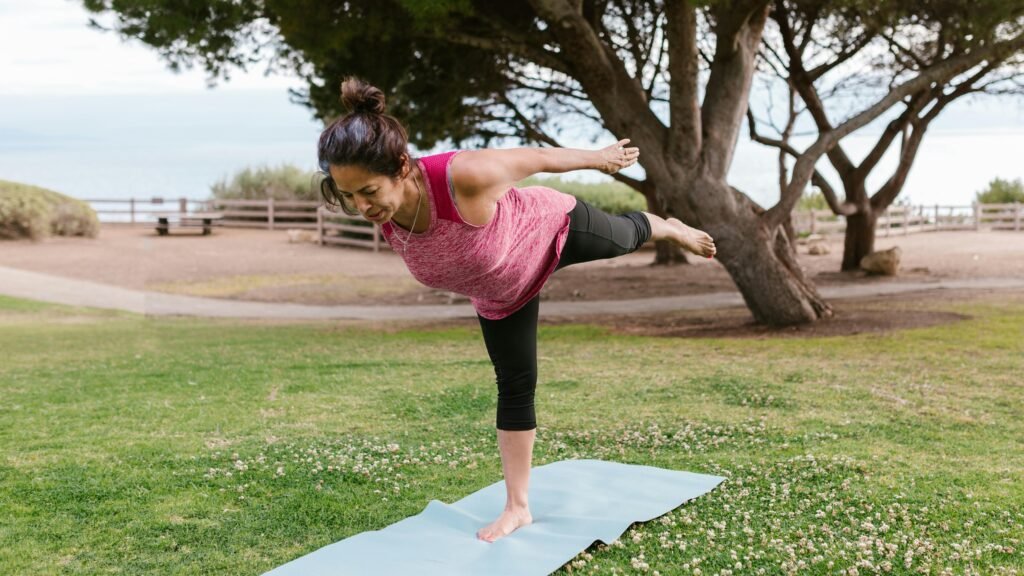
Built-up strength supports balance, making slips less likely – falls being a top reason older people get hurt. Muscle control sharpens how the body moves together, quietly lowering danger over time.
Metabolic Boost

From deep inside, muscle helps manage how the body handles sugar and energy. It stands guard, shaping long-term wellness by influencing metabolic balance. Through steady function, it reduces risks tied to daily habits.
Training Mix
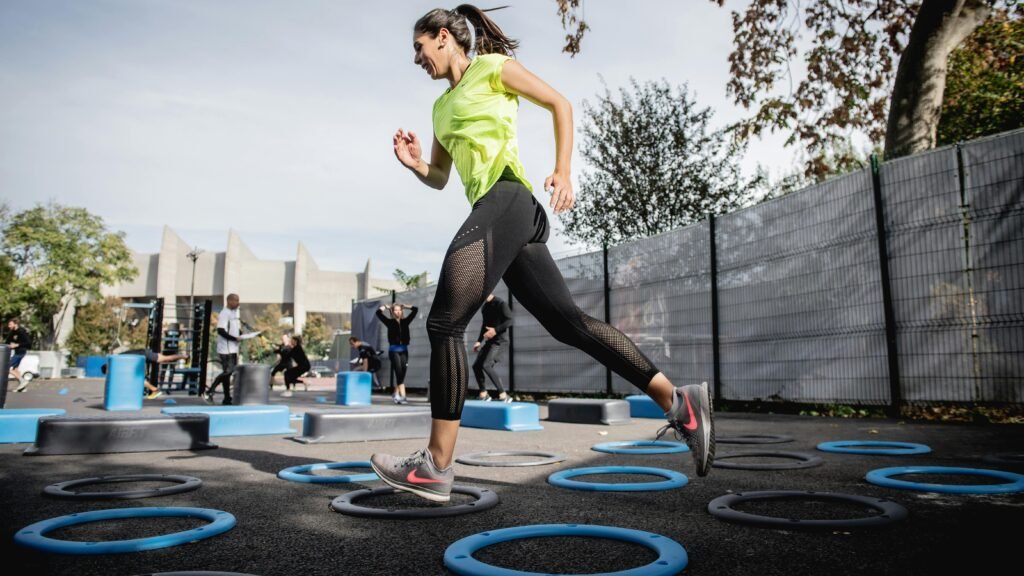
Strength builds what running misses, say trainers who mix weights into weekly plans. A full routine leans on both, yet muscle work adds what steady-state effort lacks.
Aging Well
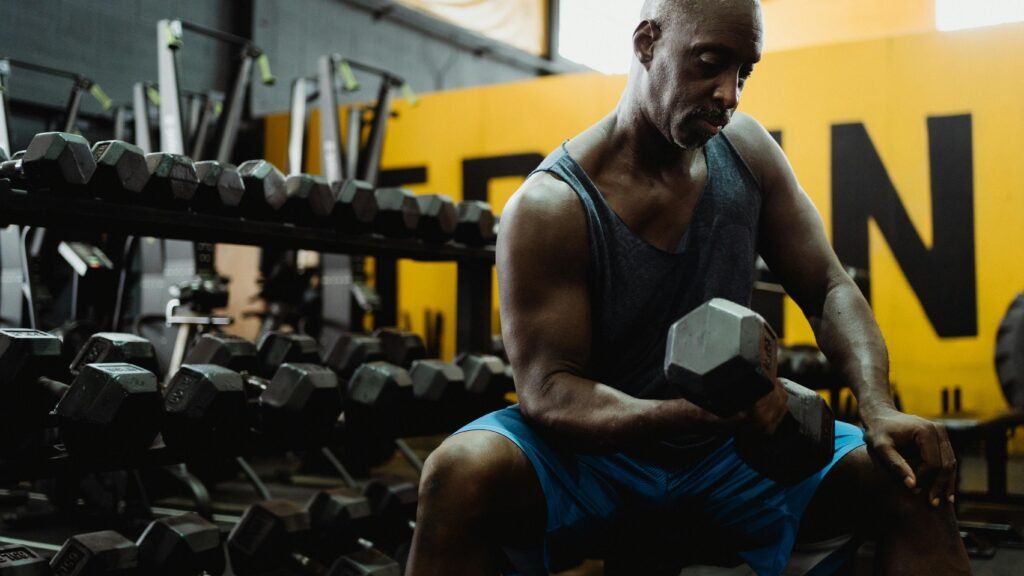
Old age does not have to bring frailty, research now shows. Instead of fading strength, lifting weights helps keep muscles strong over time.
Small Gains
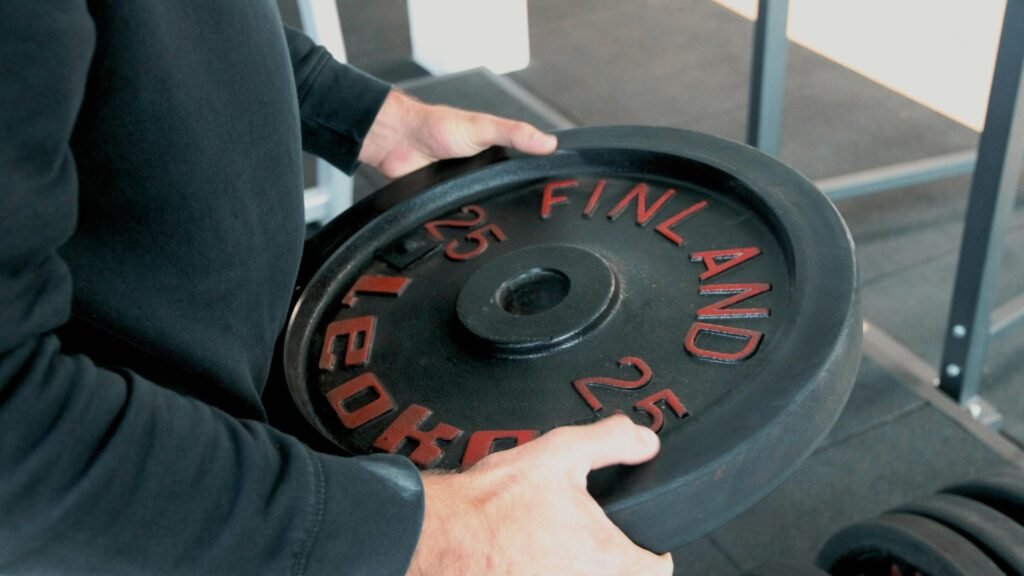
A small boost in muscle power might change how well you get around years down the line. Getting just a bit stronger can shape your everyday freedom later on.
Fitness Shift

These days, staying well means more than shedding pounds. Strength that helps you move better every day now matters most. Living stronger for longer takes priority over scales and numbers. What counts is how well your body works, not just how it looks.
