
Hoping to feel better, most folks begin cutting back on food. But then something odd happens around week three – energy dips instead of rising. Tiredness shows up out of nowhere, meals stop satisfying, progress halts even though portions keep shrinking. Strange, right? When effort increases but results vanish, it might not be willpower failing – it could be the plan itself pulling at seams behind the scenes. Metabolism might crawl instead of race when certain habits sneak in. Missing meals here, slashing calories there – these moves whisper to your system to hold on tighter to fuel. Nutrients left out quietly shift the way power gets spent each day.
Eating Too Little
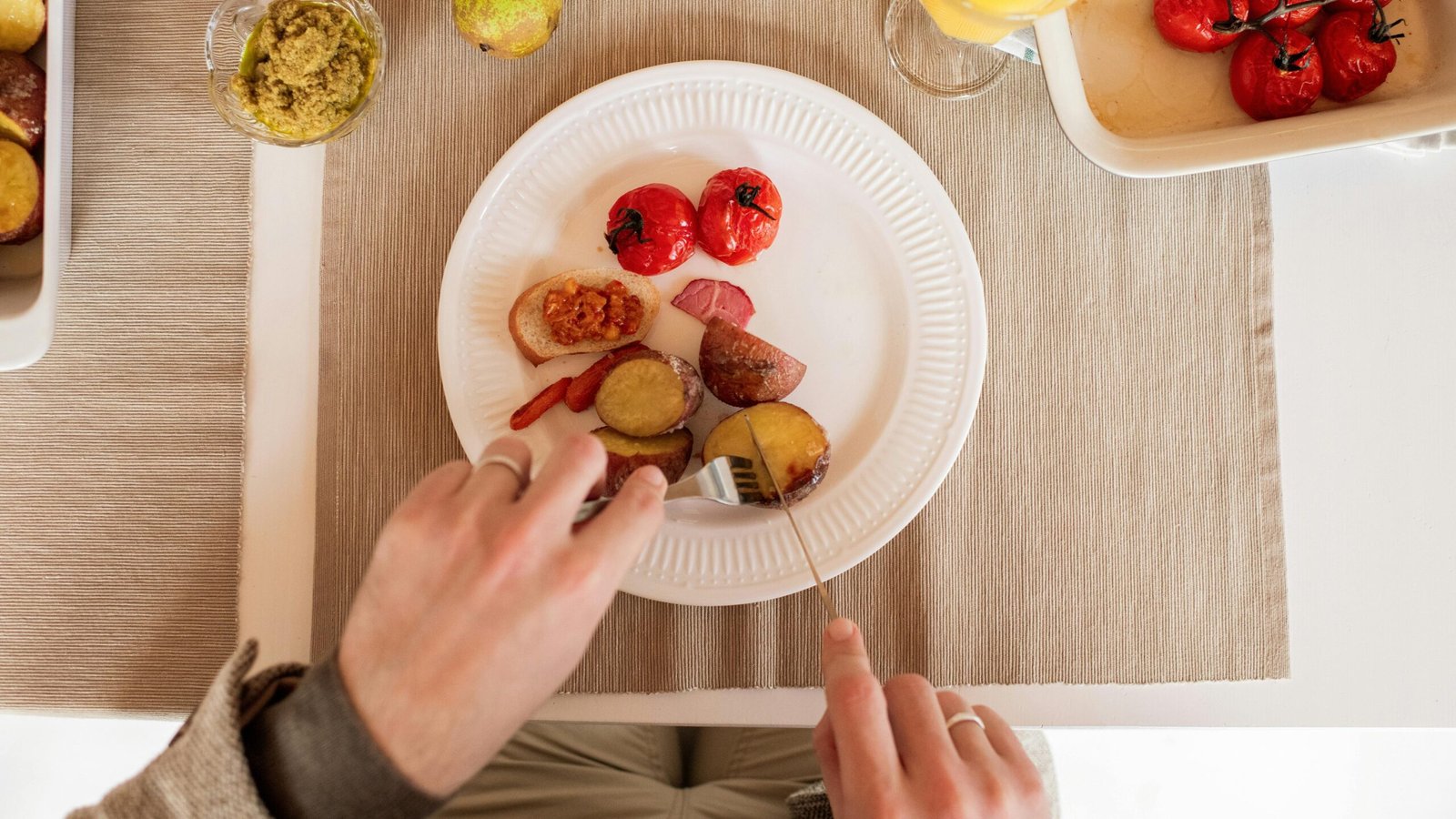
A sudden, deep cut in calories might look like the quickest way to shed pounds. Yet once the body detects that steep decline in food energy, survival instincts kick in. Fuel gets saved instead of burned, since basic operations must keep running.
Skipping Protein

Every bit of protein helps protect your muscles. Without sufficient amounts, the system turns inward, using muscle as fuel. Because active tissue uses more energy than stored mass, shrinking it tends to slow daily calorie burn.
The Crash Diet Cycle

Faster fixes on the scale might feel like progress. Yet returning to usual meals after drastic cuts teaches the body to stockpile fuel better, which turns next attempts into steeper climbs.
Long Gaps Between Meals

Later gaps between meals might leave you feeling starved, sluggish. When food timing stays off balance, your system could shift into conservation mode – adjusting to scattered intake by using fewer resources.
Low Nutrient Intake

Some vitamins plus minerals help keep metabolism running without making a sound. When eating plans cut out entire categories of food, key nutrients might go missing – those the body uses to make energy, which can drag down calorie burning.
Not Enough Healthy Fats

Fats that do good things inside you help keep your body’s chemical messengers steady – especially those tied to hunger and calorie handling. When fat intake drops too far, it throws off these messages, changing how fuel gets used.
Losing Muscle Mass

A sharp drop in food intake, when paired with no resistance work, often leads to shedding muscle. Since muscle burns energy even at rest, that loss means the body uses fewer calories daily.
Poor Sleep Diet and Daily Stress

Foods ruled too tightly might fuel tension at mealtimes. When rest is short, those pressures could push hormone shifts – ones shaping fat storage and metabolic pace.
Excess Diet Foods

Some ready-to-eat low-calorie meals pack extra chemicals and processed stuff. Because they’re quick, sure – yet folks might still feel hungry afterward, which sparks urges to snack and causes energy spikes and crashes.
Ignoring Natural Hunger Signals

One meal plan might tell you to push past growling stomachs. Eventually, that split between what feels right and what’s asked widens, scrambling your inner sense of fuel needs – rhythms shift without clear warning.
