
For years, HIIT, heavy lifting, and other extreme sports have been the main topics surrounding peak physical condition. However, taking into account the scientific aspects of clinical exercise and epidemiological research, another story can be told: walking is one of the most effective and holistic forms of physical activity for people. Walking is not such a primitive thing-as an activity, it provokes complex processes in our body and helps us obtain similar effects as in other, more demanding sports.
Improvement of Cardiovascular Efficiency
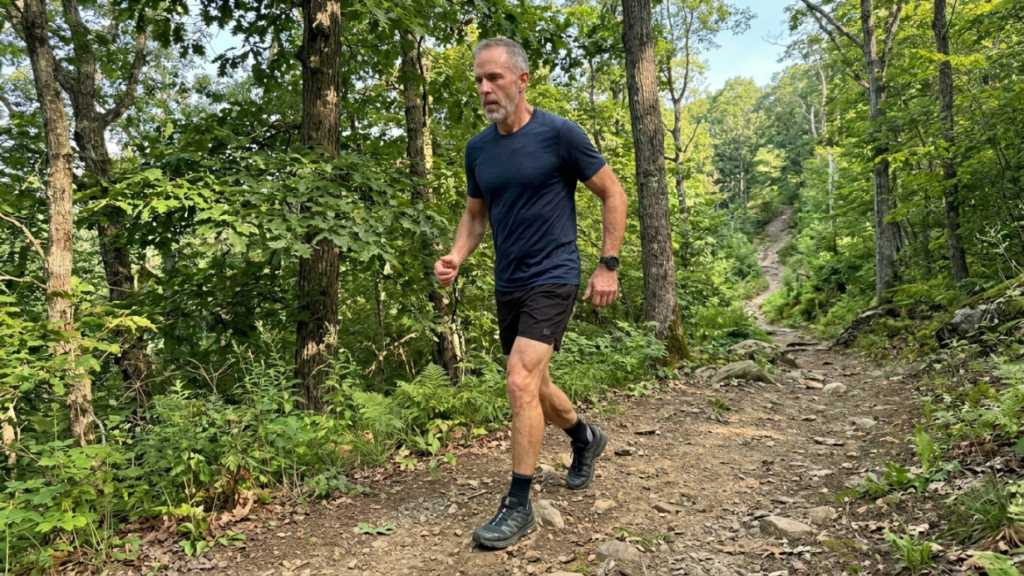
If you are walking at a brisk pace, there would be an increase in your heart rate so that you enter Zone 2, which is also called the aerobic conditioning zone for the optimal use of oxygen. This leads to better health of the heart muscles, an increase in the stroke volume of heart muscles, and a reduction in heart rate, thus avoiding risks from coronary artery disease or stroke.
Increase in Metabolism and Glucose Control

During each step, you require your muscles to remove glucose from your bloodstream. The removal is performed via GLUT4 translocation that does not depend on insulin production at all. Walking after meals helps to prevent a post-meal spike of glucose, improving your general sensitivity to insulin, which is a fundamental step in the management of Type 2 diabetes.
Minimal Impact Joint Protection
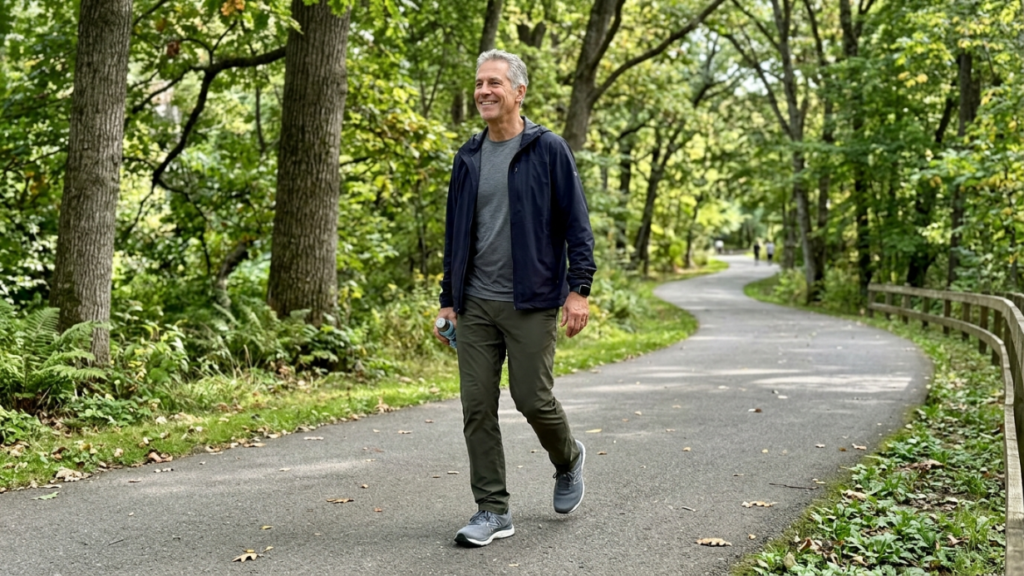
Unlike high-impact exercises, such as running and plyometric activities, walking reduces the vertical forces exerted on the skeletal structure. Walking puts one to one and a half bodyweight load to each step, while running loads three to four times an individual’s body weight.
Deep Cortical Down-Regulation

Horizontal movement past static external objects triggers deactivation of the amygdala and the default mode network related to anxiety, which reduces overall cortisol levels, putting the autonomic nervous system in parasympathetic mode and shifting it from sympathetic (“fight or flight”) mode.
Cognitive Longevity & Neurogenesis

Clinical imaging shows that consistent aerobic walking promotes hippocampal enlargement that is associated with verbal memory, learning capabilities, and emotion regulation. The physical activity promotes the secretion of Brain-derived neurotrophic factor, a protein responsible for neuron survival and neurogenesis; thus, providing effective defense against mental deterioration and cognitive impairment.
Endothelial Function and Vascular Health
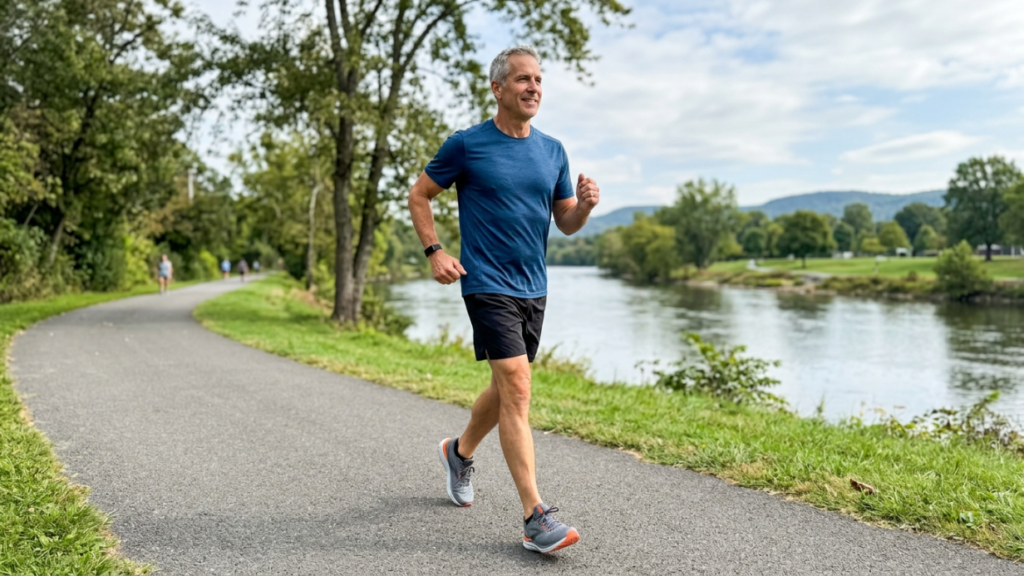
Continuous rhythmic pumping of the blood during walking is a physical stimulus which causes mild friction against the inner walls of the blood vessels (endothelial wall). This mild friction results in an increase in nitric oxide production which causes dilation of the arteries. Walking will improve endothelial elasticity and contribute to stable and normal blood pressure readings.
Circadian Optimization of Sleep Architecture

Regular participation in exercise such as walking, preferably out in the sunlight, will synchronize the master clock located in the Suprachiasmatic Nucleus (SCN) of the brain. The synchronization will lead to proper release of cortisol followed by release of melatonin at night.
Superior Behavioral Sustainability

The effectiveness of high-intensity training programs can be reduced by high drop-out rates because of fatigue, injury, or behavioral opposition. Walking does not involve any particular equipment, maintains the body’s energy levels while leaving one feeling energetic, and has a remarkably low rate of effort perception.
