
Men dress for speed, comfort, and repeat use. Athletic wear moved beyond training spaces because daily routines demand clothes ready for work, travel, errands, and rest without constant outfit changes.
Comfort Drove the First Shift
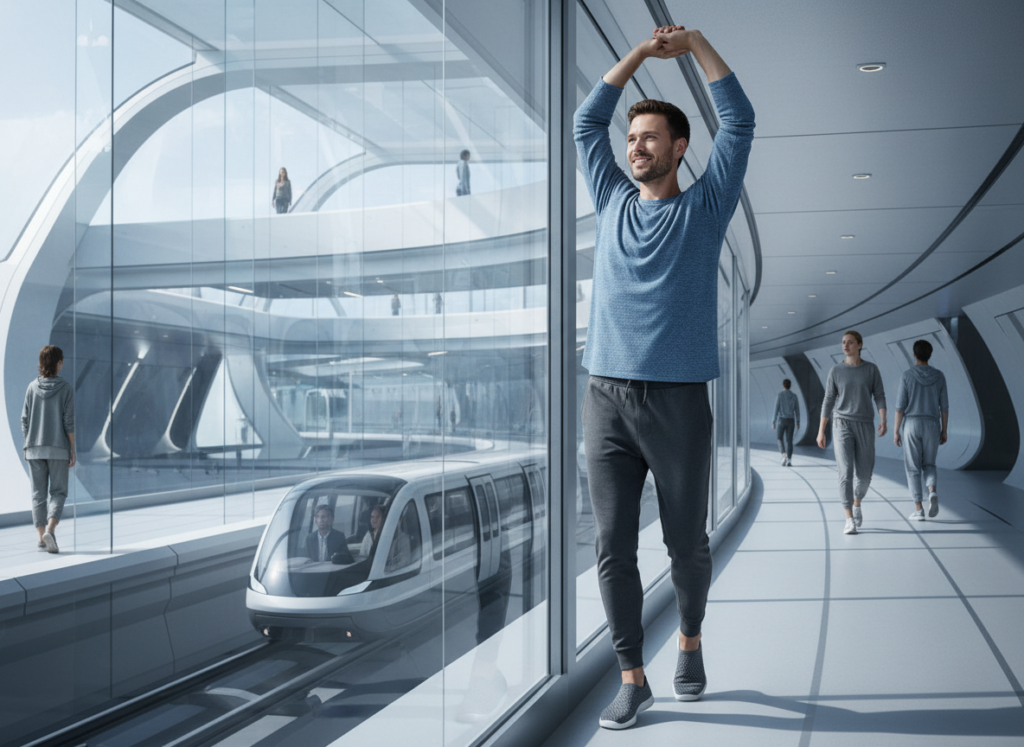
Men spend long hours seated, walking, or commuting. Rigid fabrics slow movement and raise discomfort. Athletic wear solved daily friction through stretch fibers and soft textures. Joggers replaced jeans during travel days. Breathable tees replaced stiff shirts. Comfort became a daily requirement rather than a reward after workouts.
Urban Life Rewarded Practical Clothing
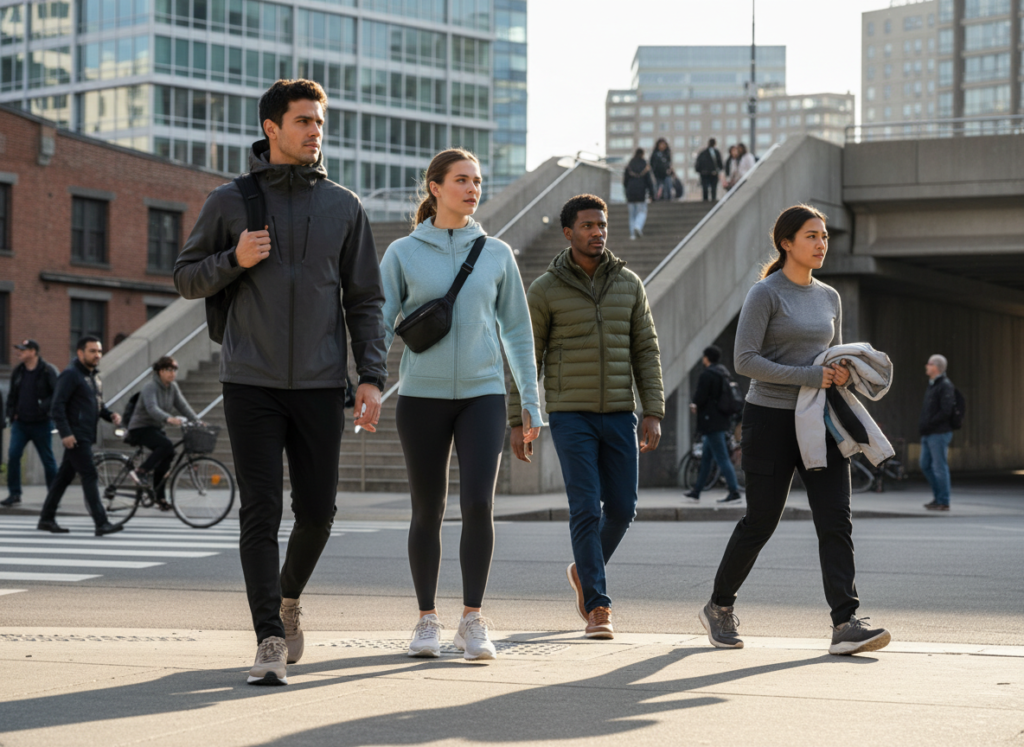
City schedules move fast. Men walk more and sit less. Athletic wear supports motion across streets, offices, and transit systems. Lightweight sneakers suit stairs and sidewalks. Performance jackets handle weather swings. Clothing started matching pace rather than appearance rules. Practical choices gained social acceptance through repeated daily use.
Work Culture Loosened Dress Codes
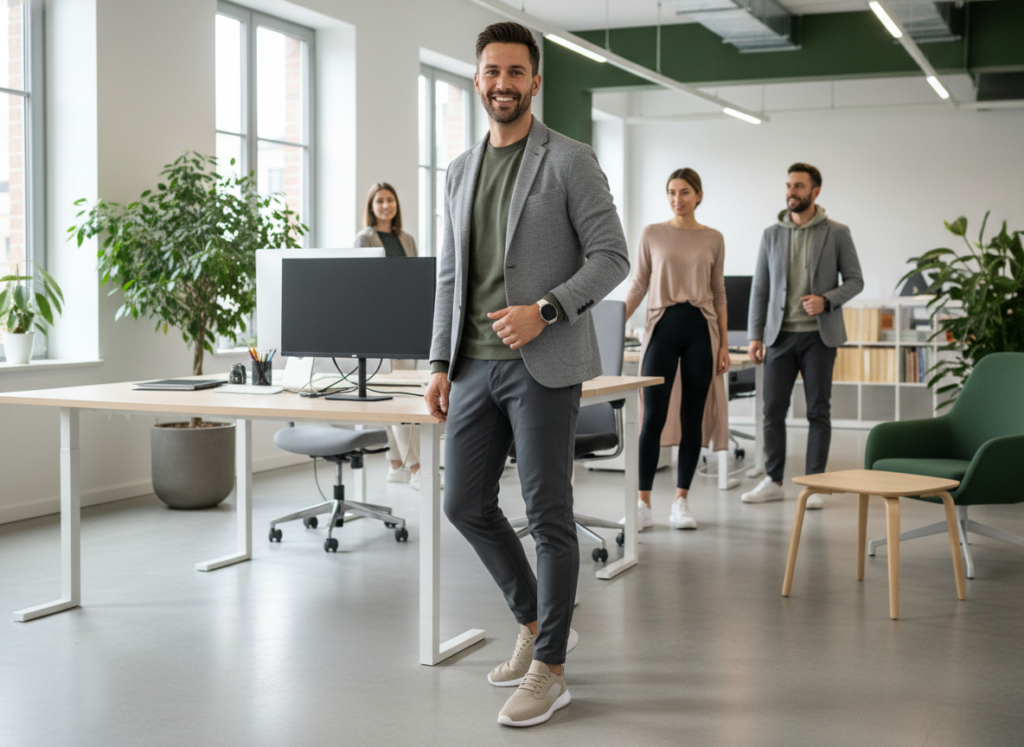
Offices shifted toward relaxed standards. Startups and creative roles encouraged flexible clothing. Athletic wear entered workspaces through clean silhouettes and neutral tones. Fitted joggers replaced chinos. Minimal trainers replaced dress shoes. Men dressed for output rather than formality. Clothing adapted to productivity needs.
Design Improved Visual Appeal
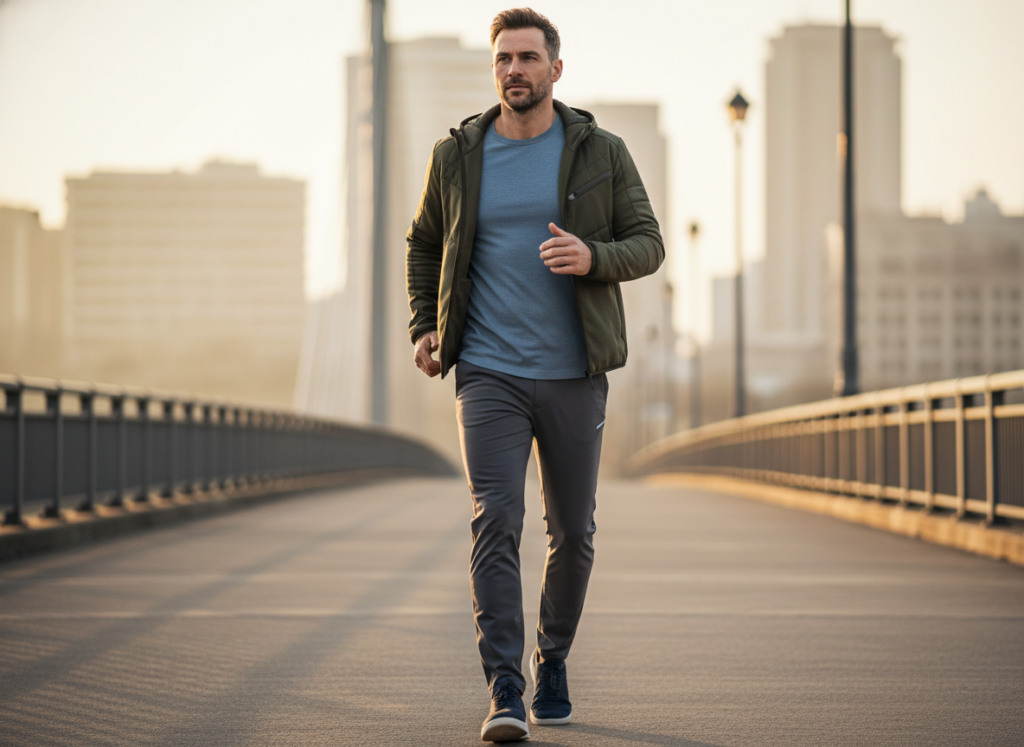
Early athletic wear focused on function alone. Modern designs balance structure and movement. Slim cuts shape the body without restriction. Muted colors fit daily outfits. Logos shrink or disappear. Men wear performance pieces without looking gym ready. Style and function reached equal priority.
Social Media Accelerated Adoption
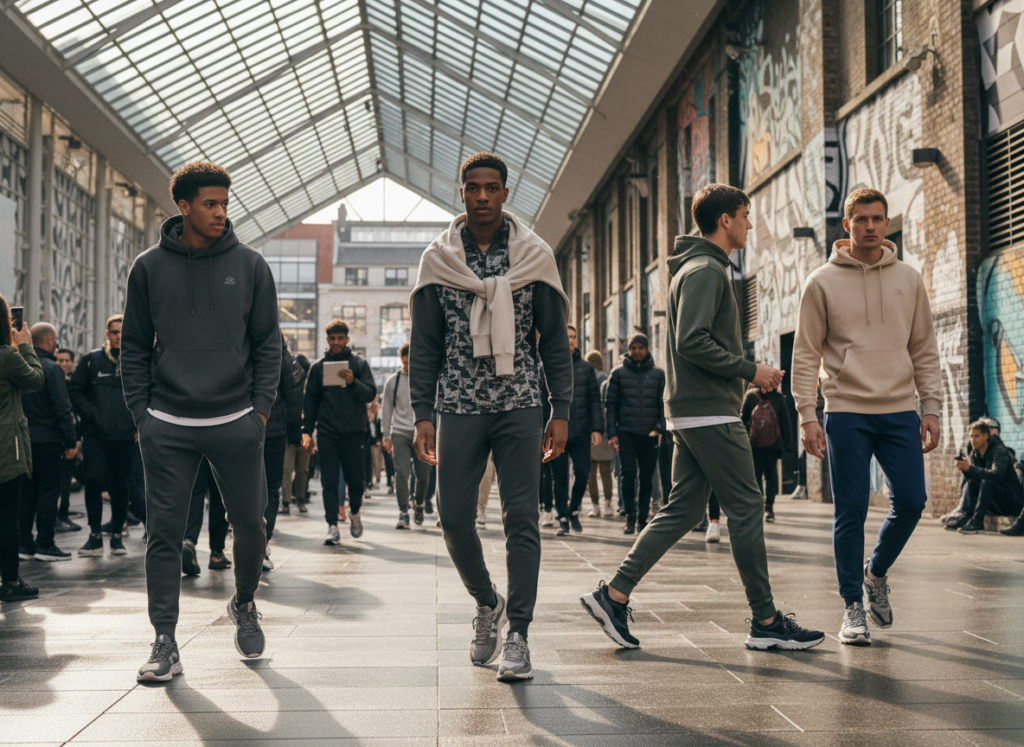
Online platforms shaped daily fashion habits. Men saw peers wear athletic pieces outside training settings. Outfit posts normalized joggers, hoodies, and trainers. Repetition built acceptance. Visibility replaced approval from fashion authorities. Everyday exposure made athletic wear feel routine rather than bold.
Travel Needs Changed Wardrobes
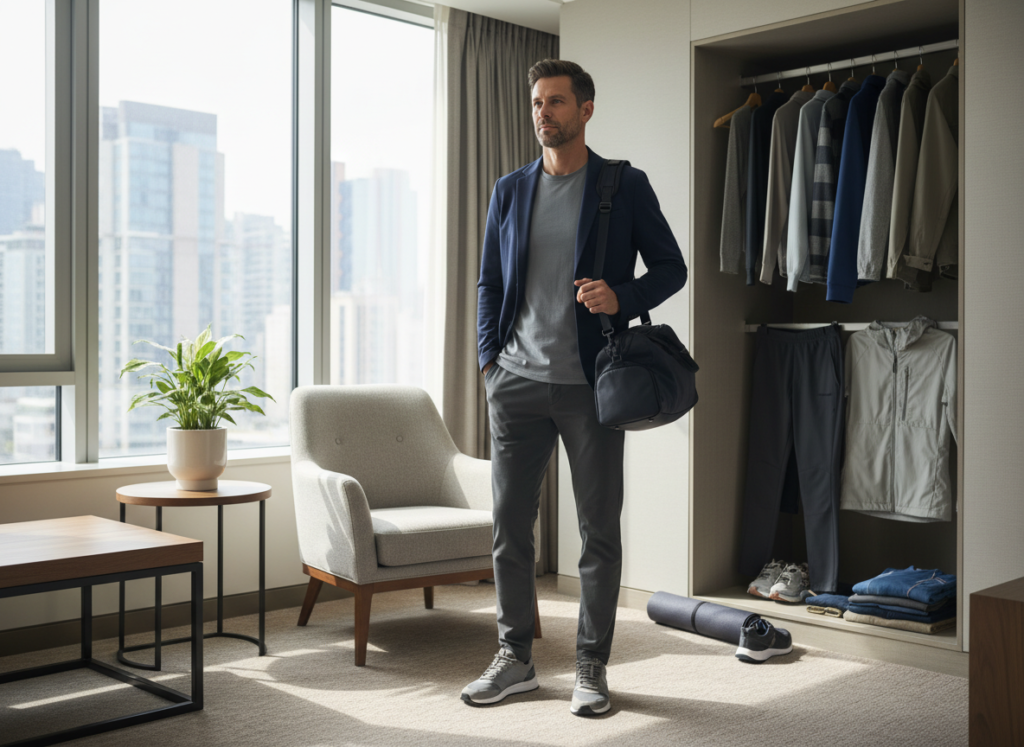
Frequent travel increased demand for flexible clothing. Men wanted outfits suitable for flights, meetings, and walking sessions. Athletic wear reduced packing volume. One outfit covered multiple settings. Stretch pants handled long sitting periods. Moisture control helped during long days. Travel pushed athletic wear into daily rotation.
Fitness Culture Blended With Lifestyle

Health awareness grew across age groups. Men integrated movement into daily schedules. Clothing followed behavior changes. Walking meetings and short workouts required adaptable outfits. Athletic wear supported spontaneous activity. Daily clothes stopped separating exercise from normal life. Lifestyle and fitness merged through apparel.
Retail Responded With Hybrid Pieces
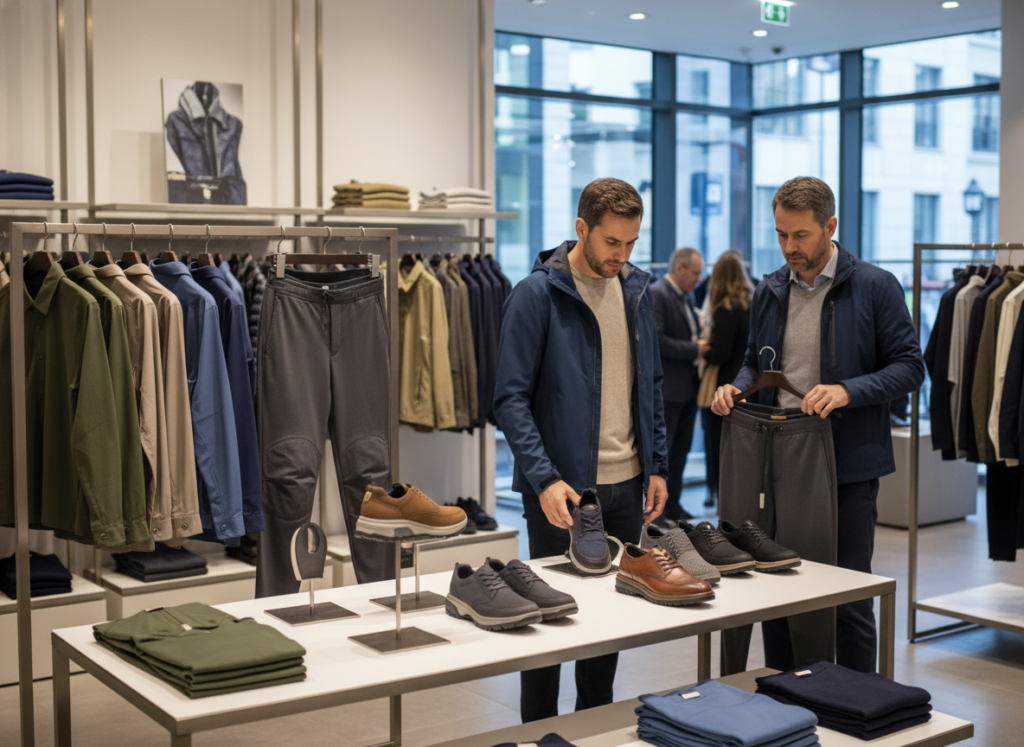
Brands noticed shifting demand patterns. Hybrid designs appeared across shelves. Performance fabrics entered casual shirts and trousers. Waistbands gained stretch. Shoes blended cushioning with clean profiles. Men purchased fewer categories and more versatile items. Retail strategy mirrored lifestyle integration trends.
Age Groups Shared Similar Preferences
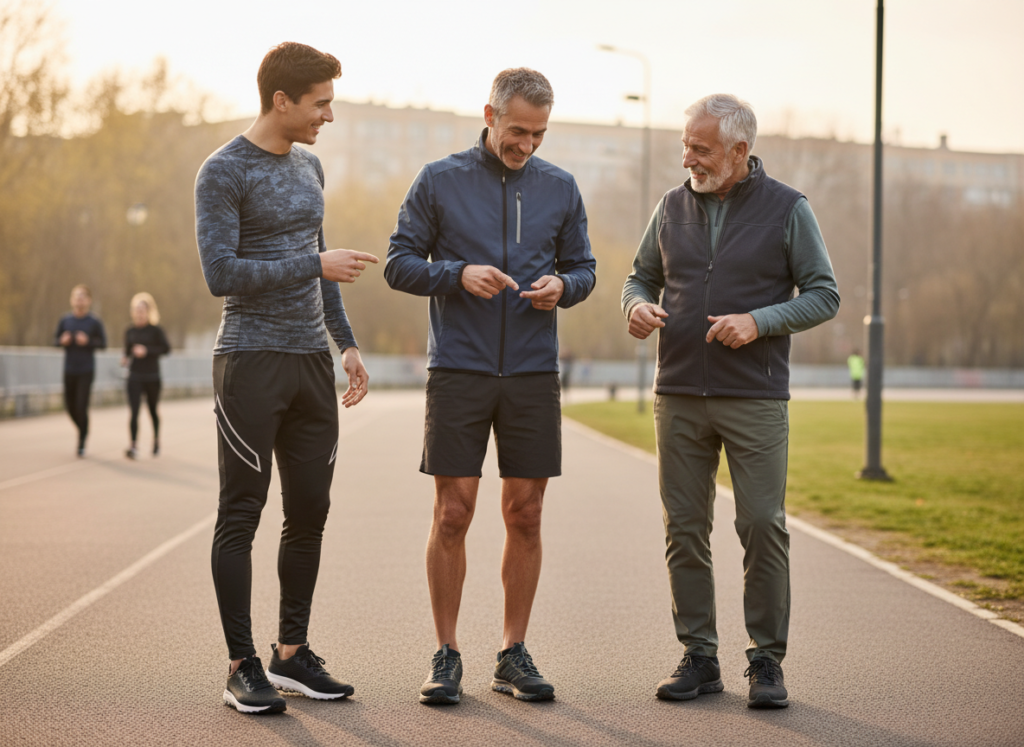
Athletic wear adoption crossed age lines. Younger men valued trend alignment. Older men valued joint comfort and ease. Both groups favored durability and flexibility. Shared benefits reduced generational gaps. Athletic wear stopped signaling age or activity type. Universal appeal strengthened long term adoption.
Climate and Weather Played Roles
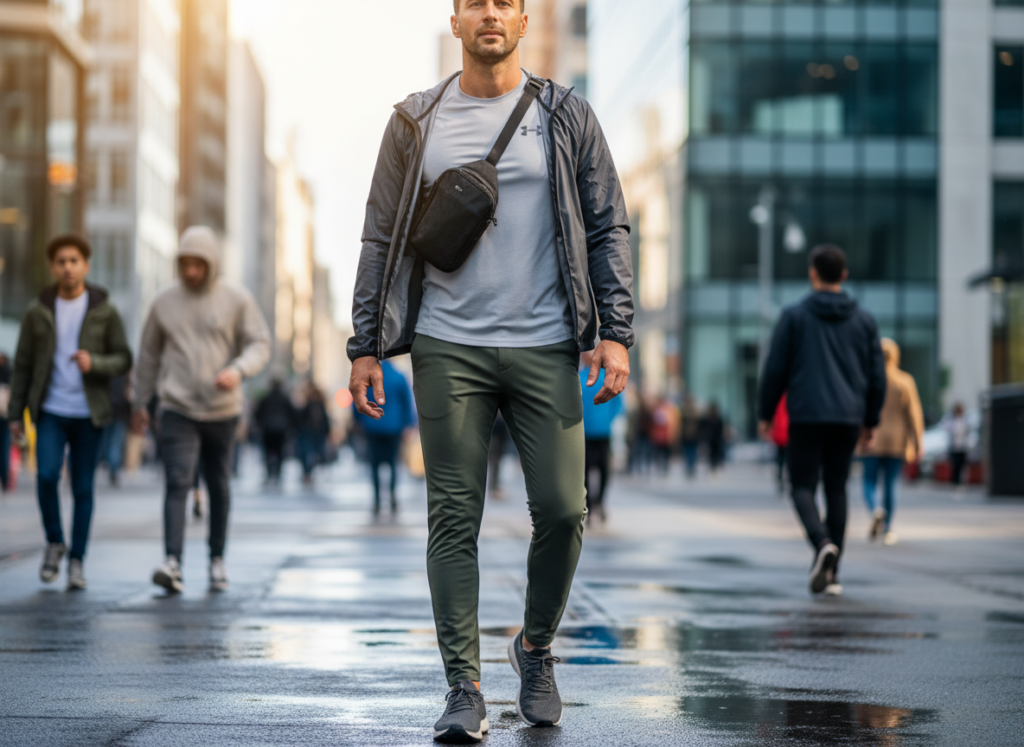
Rising temperatures influenced clothing choices. Breathable fabrics improved daily comfort. Sweat control mattered during commutes. Lightweight layers handled sudden weather shifts. Athletic wear offered technical solutions for daily exposure. Men prioritized physical comfort over traditional fabric norms. Climate pressure reinforced adoption patterns.
