
The intense pressure created by high-performance standards, constant digital engagement, and burnout among employees has led to unprecedented change in Corporate America. With scientific research showing the efficacy of mindfulness techniques in boosting productivity, corporate mindfulness practice has gone beyond its alternative wellness roots and has become a strategic tool for businesses. Corporations are designing their workplaces and software systems to facilitate this state of mind among their staff members.
Micro-Dose Breathing Breaks

To offset repeated, chronic stress surges during the day, employers have implemented brief, focused breathing exercises. These sessions rely on set breathing rhythms, such as box breathing, to intentionally induce relaxation of the nervous system in just two to five minutes.
Mental Disengagement
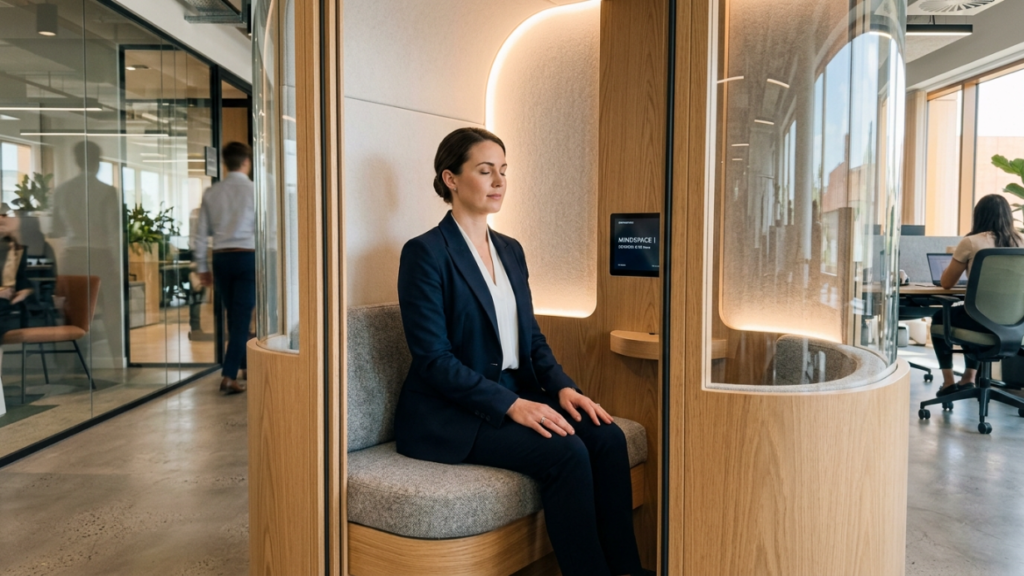
Through the incorporation of meditation architectural structures in workplace designs, it is possible to isolate workers from all kinds of stimuli. Examples of such architectural structures include sensory deprivation pods and acoustic isolation pods. In essence, this creates a physical environment for employees to disengage psychologically from the stressful workplace environment.
Neural Patterns Optimization

In order to deal with work-related stress, businesses are replacing typical stress management seminars with specialized training sessions that teach neural self-hacking techniques. Specifically, employees learn how to consciously suppress the brain’s default mode network, which is responsible for mindless cycles.
Executive Aligning Techniques
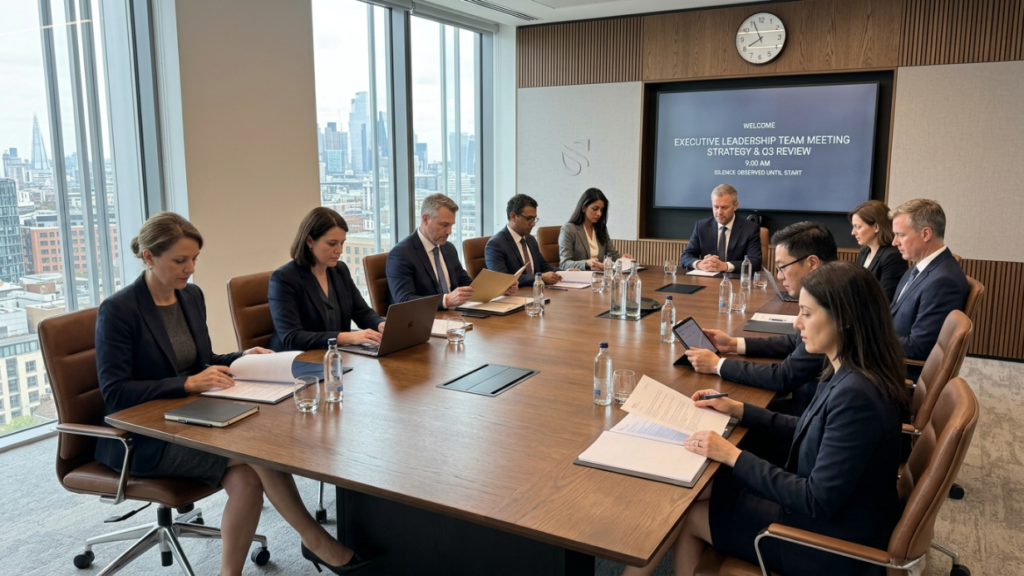
C-Suites are now starting high-level sync-up meetings, quarterly performance reviews, and operational board sessions with synchronous focus sessions. Instead of viewing such activities as part of separate HR practices, corporate executives incorporate short focus sessions aimed at establishing group emotional stability and reducing friction among individuals in preparation for discussing business issues.
Free from Meetings Periods

To counter the exhaustion induced by consecutive video conferences, firms change meeting structures in such a way that forces teams to take mandatory breaks. Instead of holding meetings for the usual 30 or 60 minutes, companies make them shorter at 25 and 50 minutes, respectively, creating obligatory time intervals when individuals have an opportunity to reset mentally.
Attention Span Building Exercises
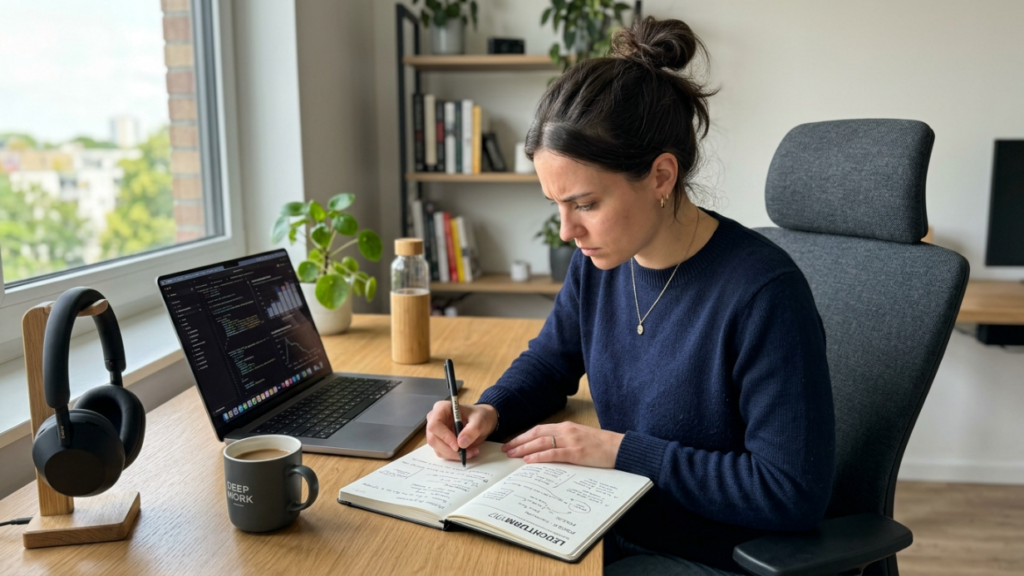
In addition to being perceived as a strategy for managing emotions, focused attention exercises are introduced in corporate training as a type of cognitive cross-training. By teaching participants to consciously concentrate on one piece of information or a breath count, the exercises not only improve working memory but also increase attention span.
Interactive Strategic Client Programs
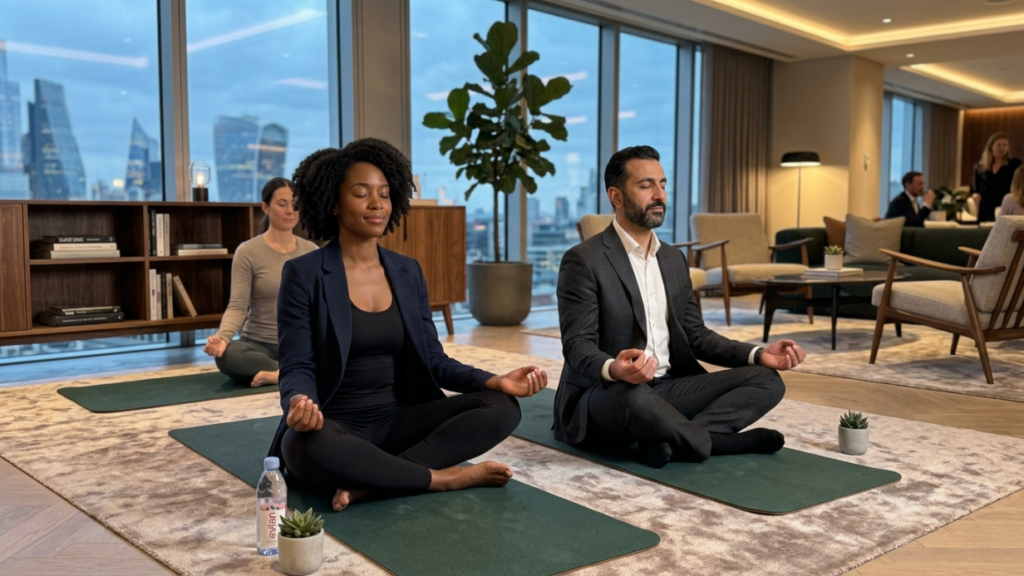
The account management team and business development division are taking corporate hospitality one step further with an innovative approach that includes providing personal, specialized wellness sessions for key clients. Along with hosting dinner events, companies are giving the option of private sessions aimed at helping both parties develop their focus and manage stress.
Adaptive Physical Environment
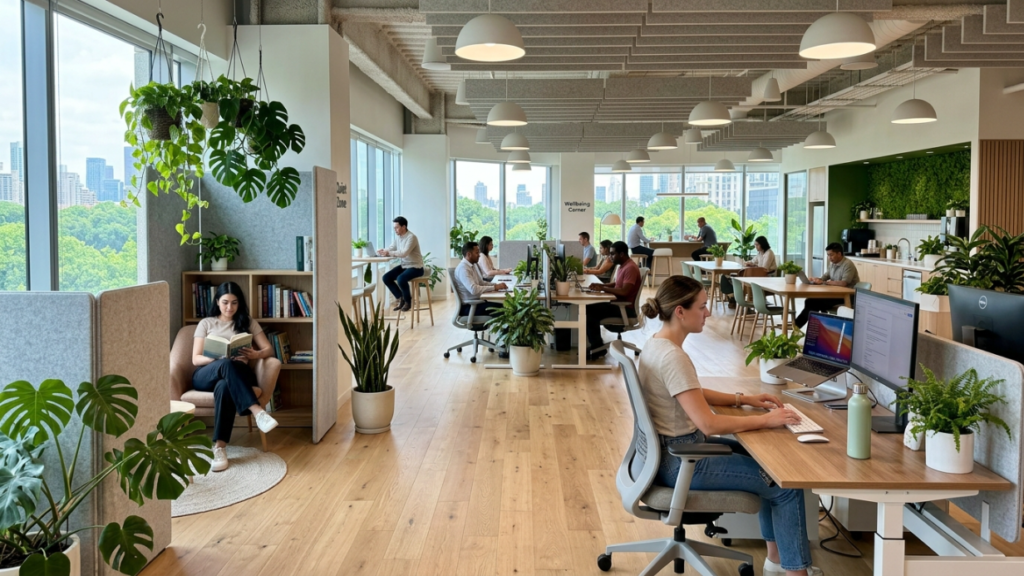
Corporate meditation sessions are designed to accommodate different generations and diverse employees’ needs. Elimination of philosophical language, explanation of the process through biological terms, as well as providing alternative means of sitting/meditation for people who cannot sit for an extended period of time, are just a few steps taken by corporations.
