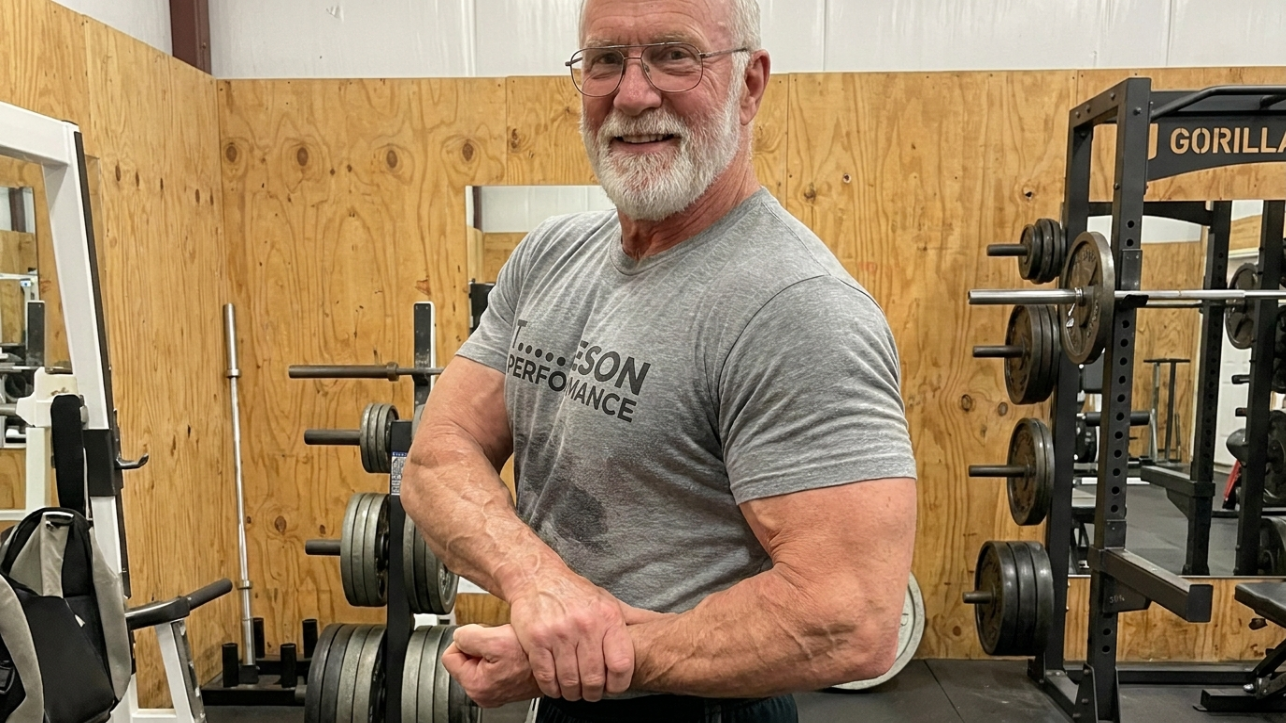
As mentioned by clinical guidelines issued by the American Academy of Orthopaedic Surgeons (AAOS), there is a need for proper mechanical loading on the aging bone to retain its strength. Even though healthy bones undergo remodelling due to the stress of weight-bearing activity, those suffering from undiagnosed osteopenia or osteoporosis do not benefit from the creation of new bone due to overexertion of the bones or misdirected efforts. These are 8 exercises that older people must be extra careful about when performing
Standard Crunches and Sit-Ups
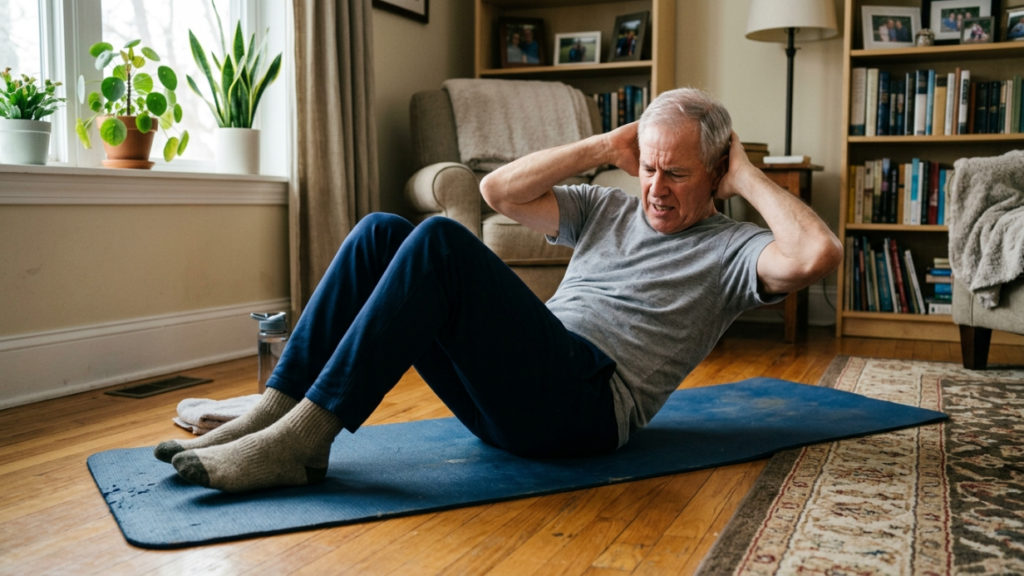
Both crunches and sit-ups put tremendous stress on the thoracic and lumbar spines through extreme spinal flexion. The older individual with lower bone density puts enormous compressive stresses on the anterior portions of their vertebrae. According to clinical studies, this particular type of biomechanical stress is known to be the leading cause of vertebral compression fractures.
Deep Squats With Heavy Weights
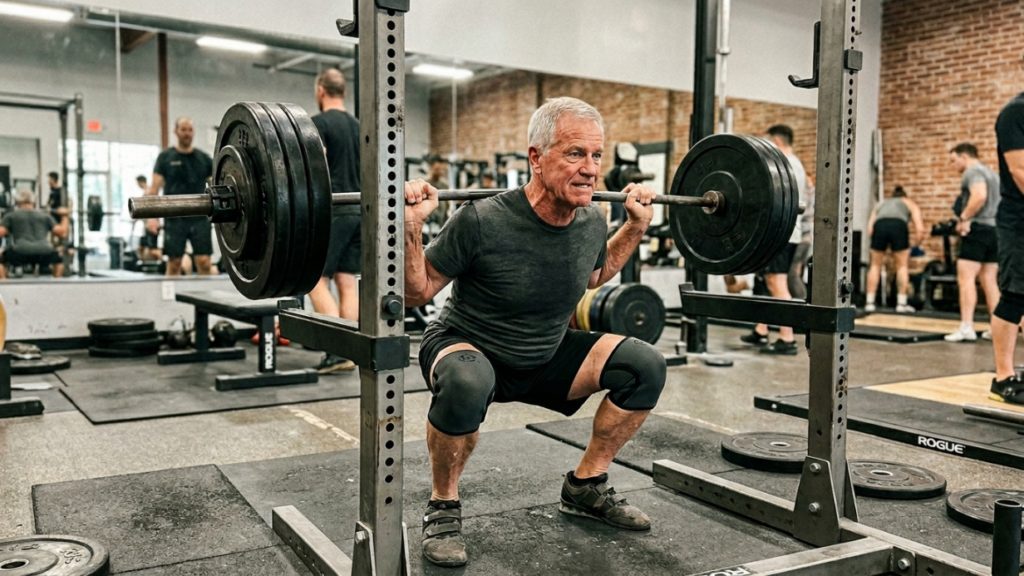
Although the concept of progressive resistance is essential for maintaining healthy bones, squatting deep with heavy lifting causes sheer and compression stresses in the knees as well as the lower back region of the spine. For aging individuals suffering from osteoarthritis, performing this exercise will cause the articular cartilage that is still left to wear off rapidly while straining the hip joint.
Running on Hard Surfaces for Long Distances
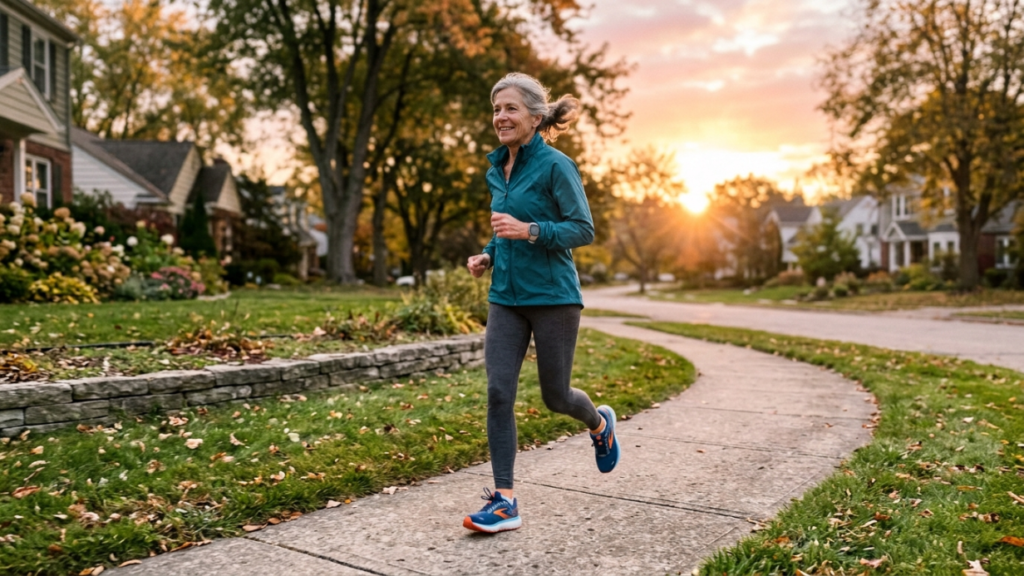
In spite of the fact that running can be considered an efficient means of increasing bone mass in a healthy individual, this exercise becomes counterproductive when an older person runs excessive distances on pavements. If such a person does not have sufficient joint shock absorbers or strong muscles to protect the joints, then impact shock will affect his/her knees, hips, and spine adversely.
Straight-Leg Deadlifts
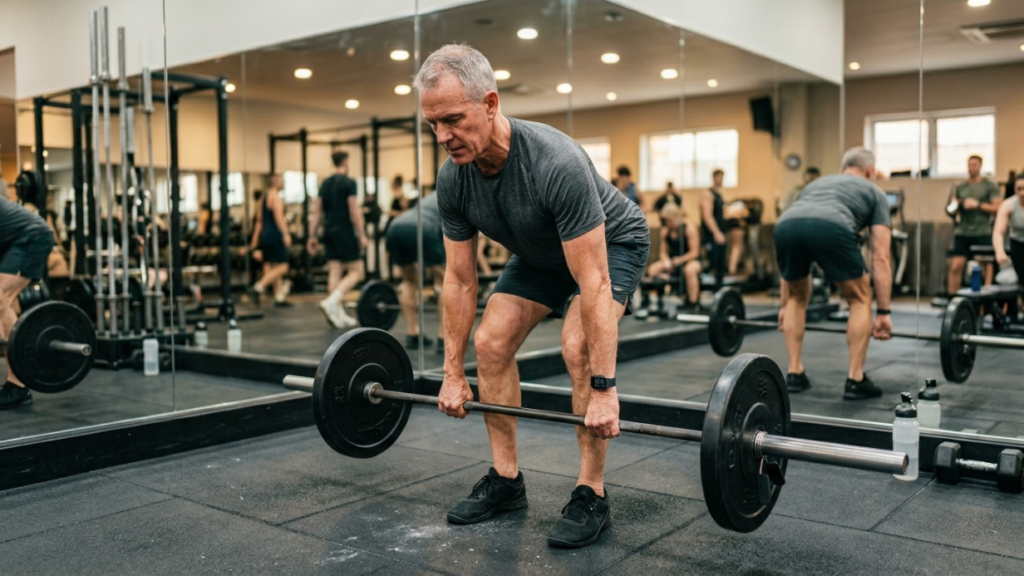
While deadlifts are very beneficial for strengthening the posterior chain muscles, straight-leg deadlifts transfer the load away from the gluteals to focus it on the lower back and hamstrings only. In many elderly patients, the insufficient flexibility of the hamstring muscles leads to the rounding of the lower back when performing this exercise, increasing the risk of a serious injury to the intervertebral discs.
Leg Presses with Deep Knee Flexion
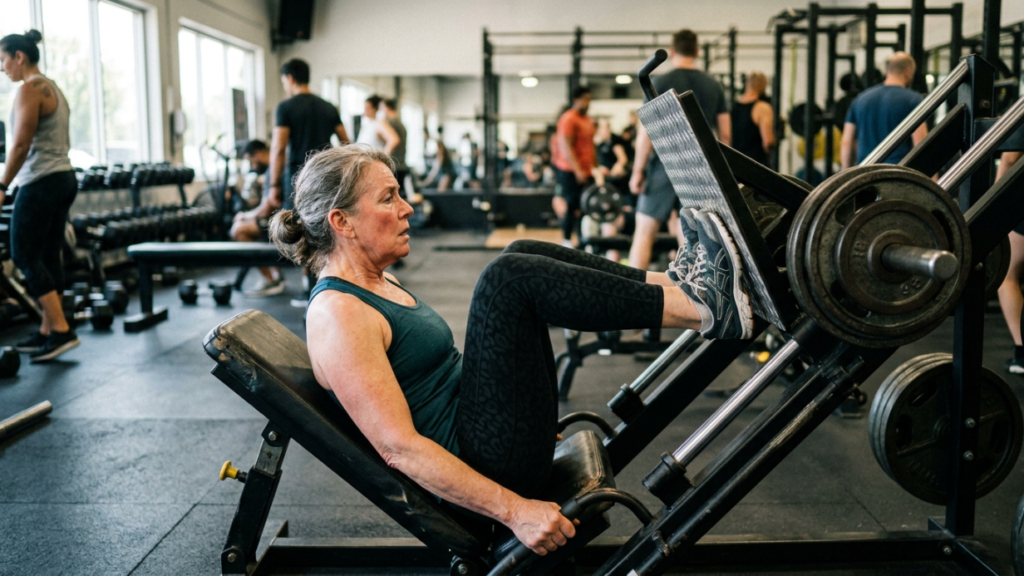
Leg press exercises might seem safe because of the supportive role of the chair. However, by bringing the sled very close to the chest, people force themselves into the deep butt-wink position. Under such circumstances, the flexed lumbar region has to support all the weight applied to it and is at high risk of serious disc damage and bone fractures.
Violent Weighted Kettlebell Swings
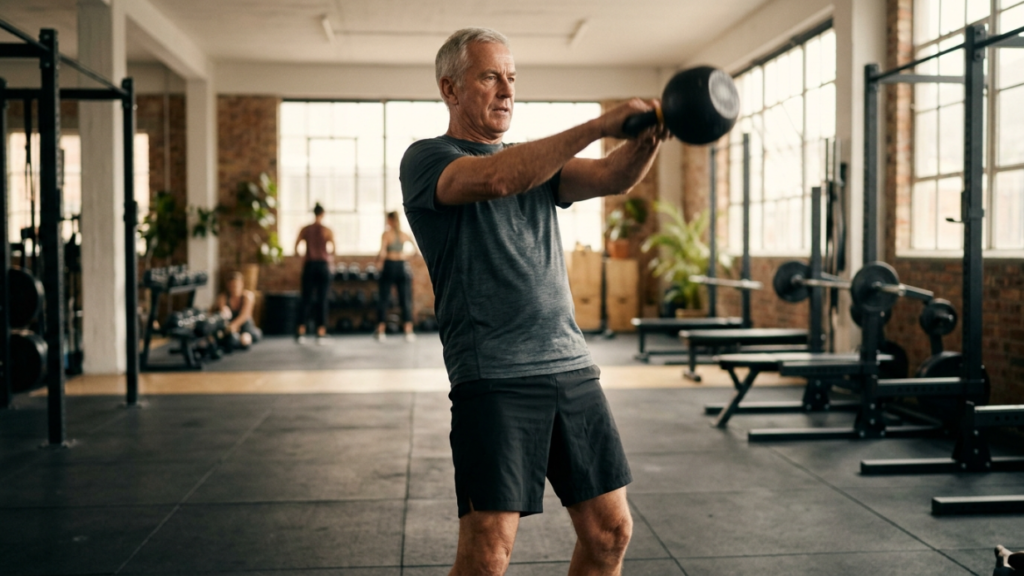
This dynamic movement is a superb training method, but there is a tremendous danger associated with ballistic motion if a person suffers from pre-existing weaknesses in their posture or core. Jerking movements create dangerous shearing effects upon the spine and its vertebrae and ligaments, which cannot be safely tolerated, especially by aging individuals.
Forward Bend (Toe Touch)
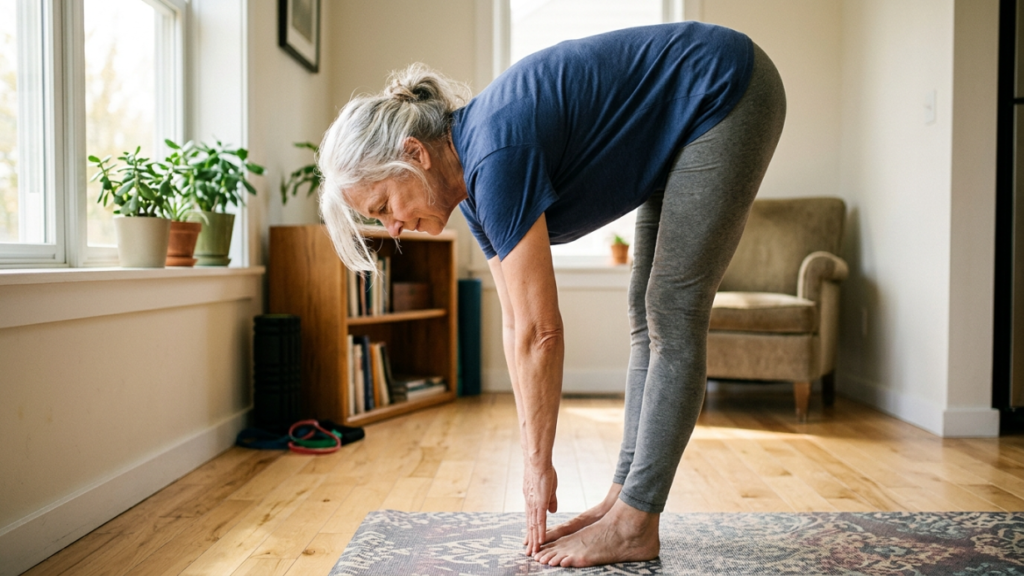
When a person bends forward from the waist and tries to touch their toes with the hands while having straight knees and actively rounding the back, then this exercise will place stress on the posterior ligamentous chain in the entire spine. This exercise poses a danger for elderly people because it creates maximum tension on the spine’s posterior ligaments and significant anterior pressure on the vertebrae.
Advanced Yoga Postures (Inversions and Backbending)
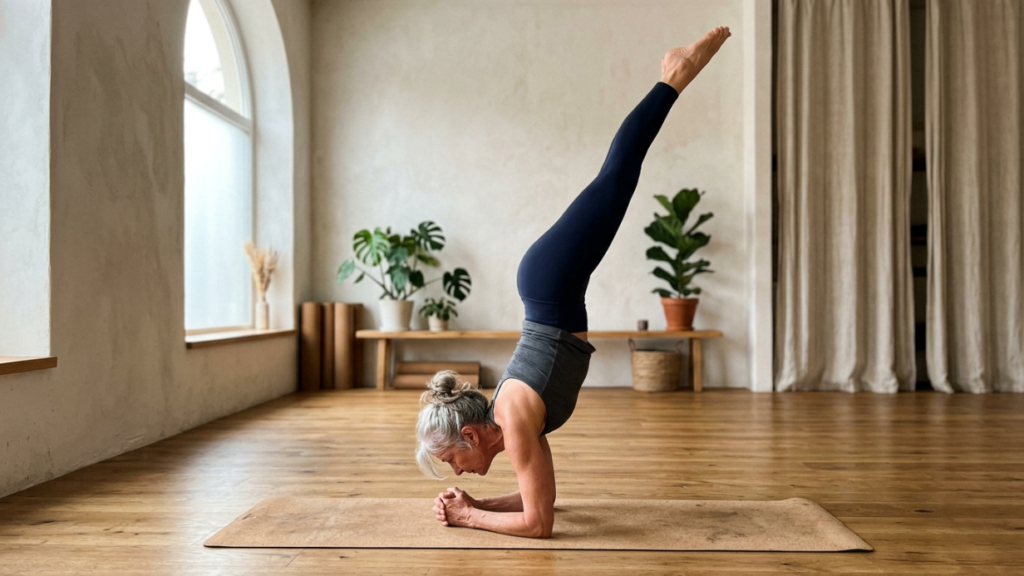
Yoga positions such as head stand, shoulder stand, or backbend pose danger to weak bones and ligaments, including the wheel position. Inversions can place total body weight onto the delicate vertebrae in the neck region, which is unsuitable for carrying any load due to weak bones. And excessive backbending will create a significant compression effect on the lower spine’s vertebrae.
