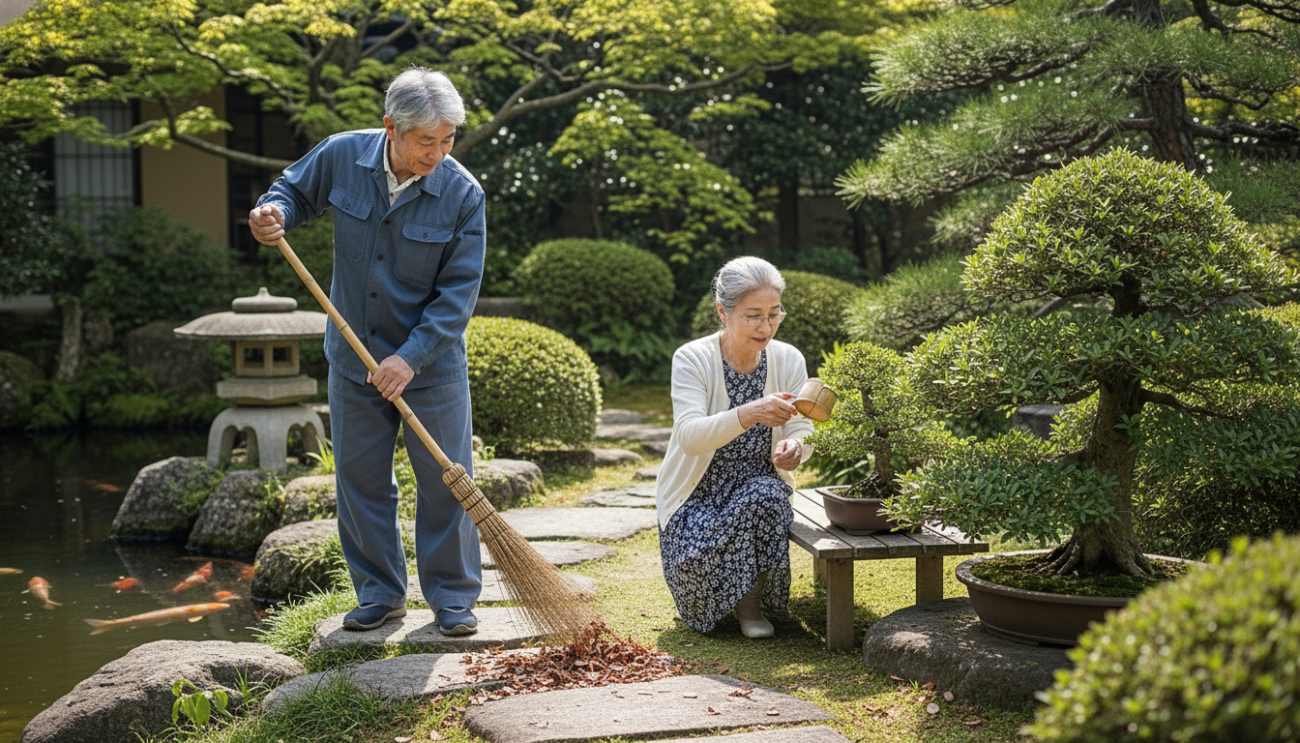
Majority of Americans pursue fitness with the help of heavy workouts and membership that is costly. Yet the other philosophy has long been practiced in Japan. It is known as resting movement; that is, Yuttari Undo, which involves soft, deliberate movement into life. No fitness centers, no exercise courses. This hassle free process can be the reason why Japan is always one of the most healthy and long living countries in the world.
What Is It
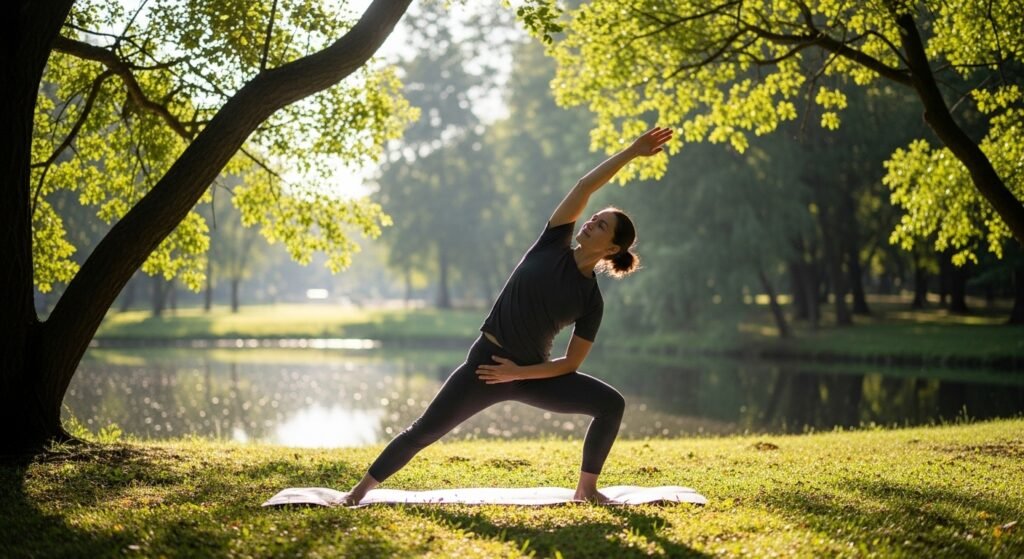
Yuttari Undo literally means slow movement, easy movement. It focuses on slow-paced, steady exercise as opposed to periods of intense effort. This style is different to the American fitness culture where the number of calories burned is enshrined but movement is a restorative and quiet daily rhythm instead of a performance objective.
Ancient Roots
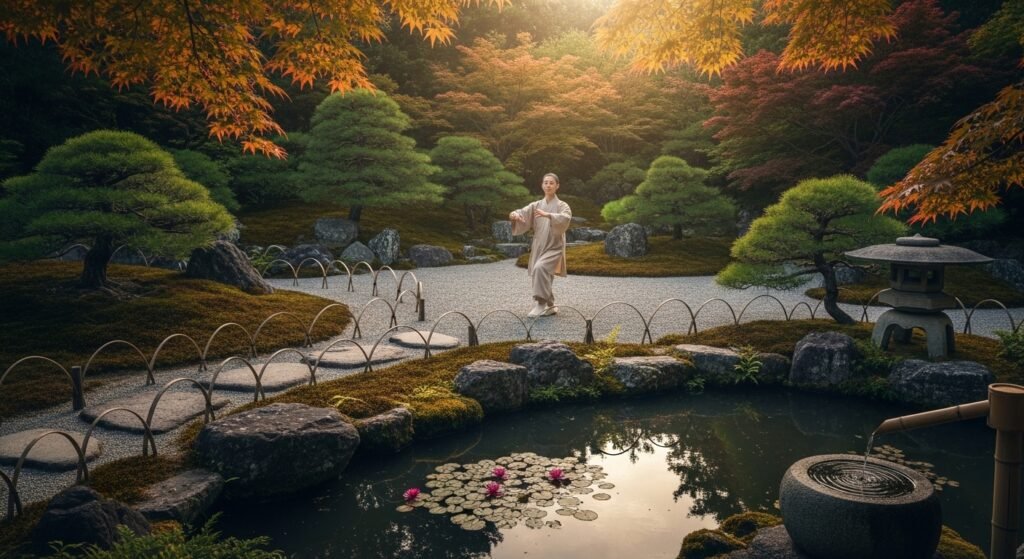
The philosophy is based on the centuries old Japanese traditions such as Zen Buddhism, tea ceremony, and agricultural life. These customs also taught generations to move slowly and consciously through the day, therefore strengthening and being flexible and calm at the same time, far before there is a single fitness studio in Japan.
Walk More
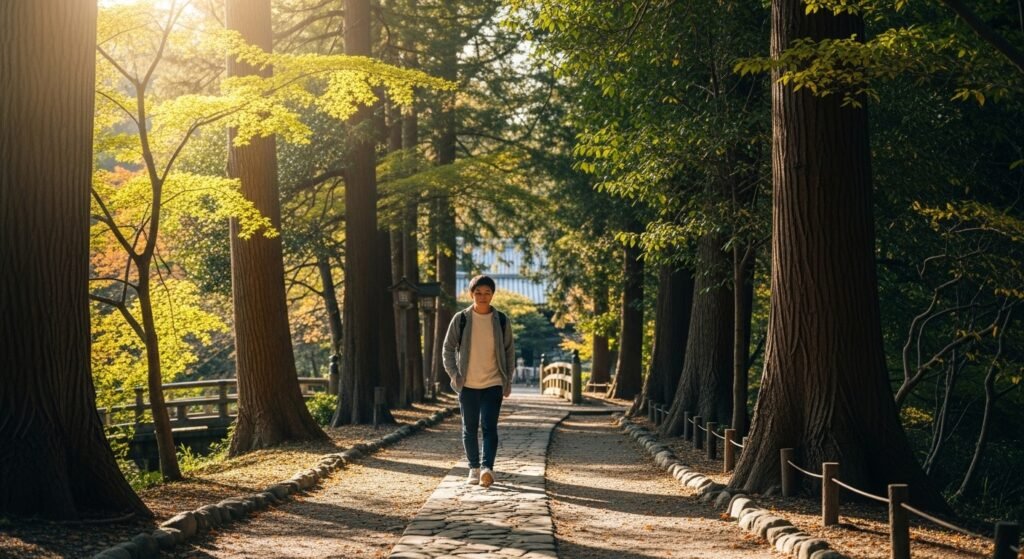
Japanese cultures have an average of close to 7,000 steps a day by conscious, mindful walking, not power walking. It is gradually, regular walking because it helps build leg muscles, enhances the heart, maintains the blood sugar levels, and decreases stressing hormones. It is literally one of the most underestimated fitness aids one has at his/her disposal, and it is absolutely free.
Play Gateball
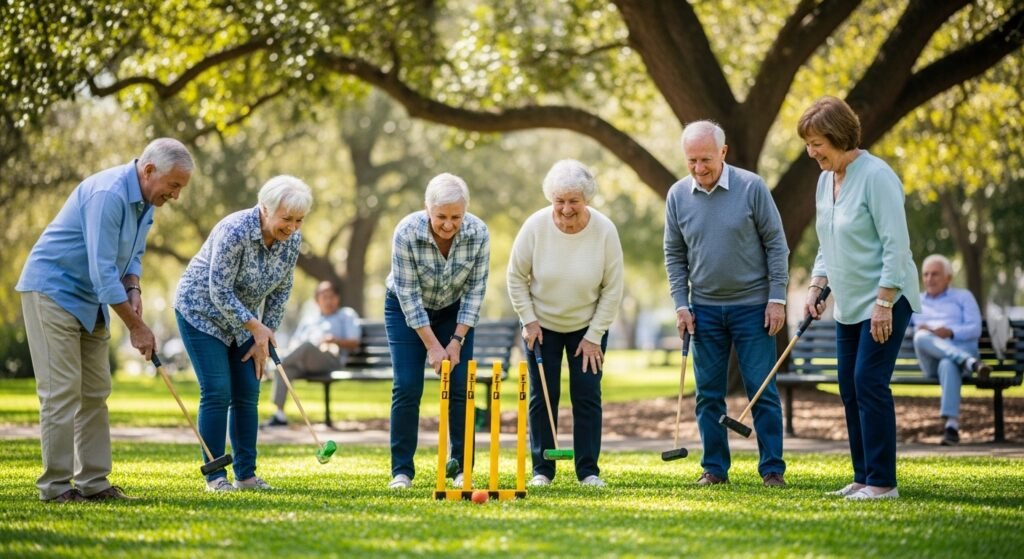
The favorite outdoor communal game in Japan is gateball that is played by millions of elderly people. Like croquet, it takes hours of bending, walking, swinging, and socialising. This relaxed approach to community involvement and exercise provides quantifiable physical conditioning gains and keeps the heart full of joy and in touch.
Morning Stretching Ritual
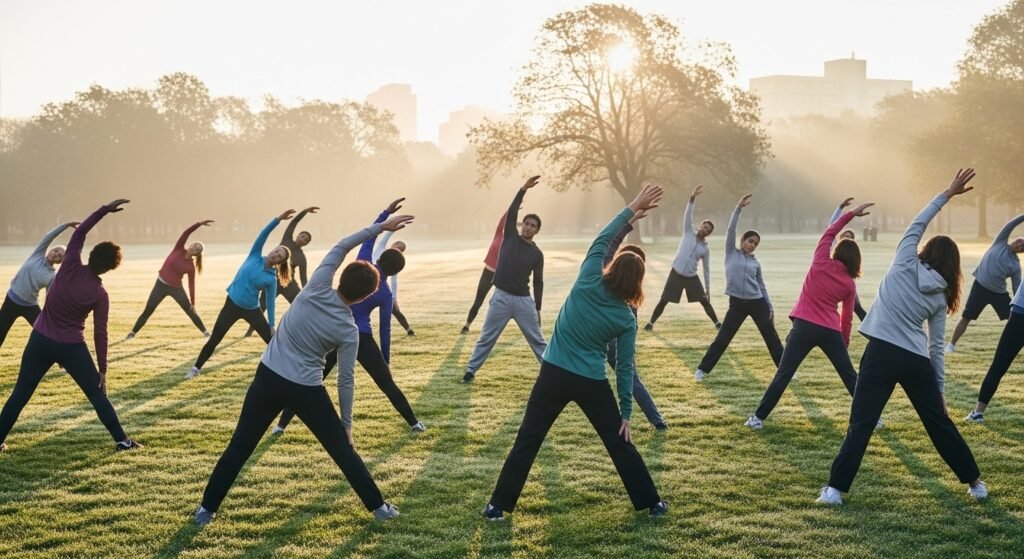
Millions of people in Japan get up every morning and listen to Radio Taiso, which is led 10 movements and stretching over the air. It is practiced outside in parks and in the neighborhoods and it enhances flexibility, blood circulation and posture. This practice can be adopted easily by Americans who may reserve at least ten dedicated minutes every morning and move their bodies softly as a whole.
Garden for Fitness
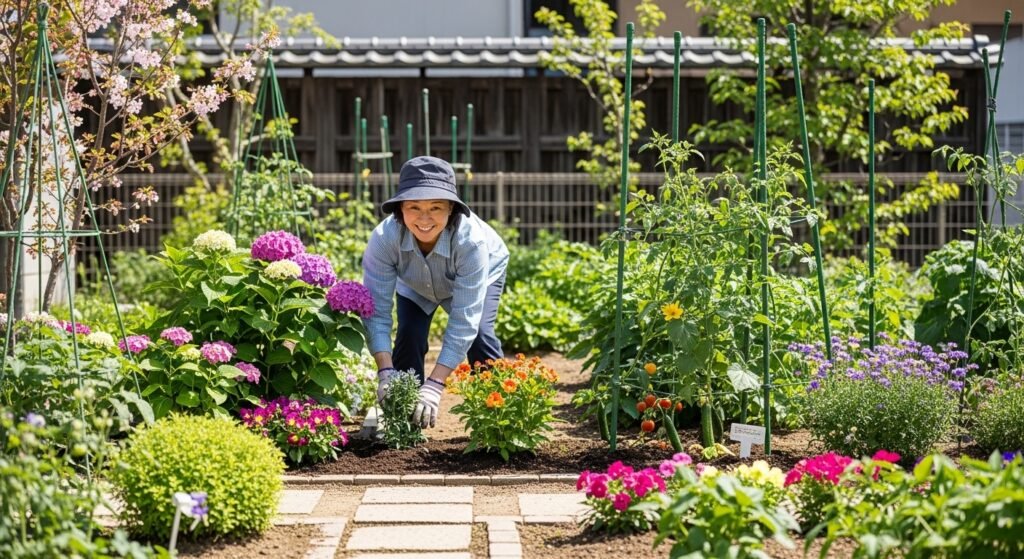
Caring to a garden is engrained in the Japanese culture and doubles as the actual form of low-level exercising. The act of digging, bending, pruning and kneeling involve dozens of energy-giving muscles on a daily basis. Research proves regular gardening menaces less heart disease, lifts mental health and aids in healthy weight control without even the tiniest resemblance to exercising.
Skip the Elevator
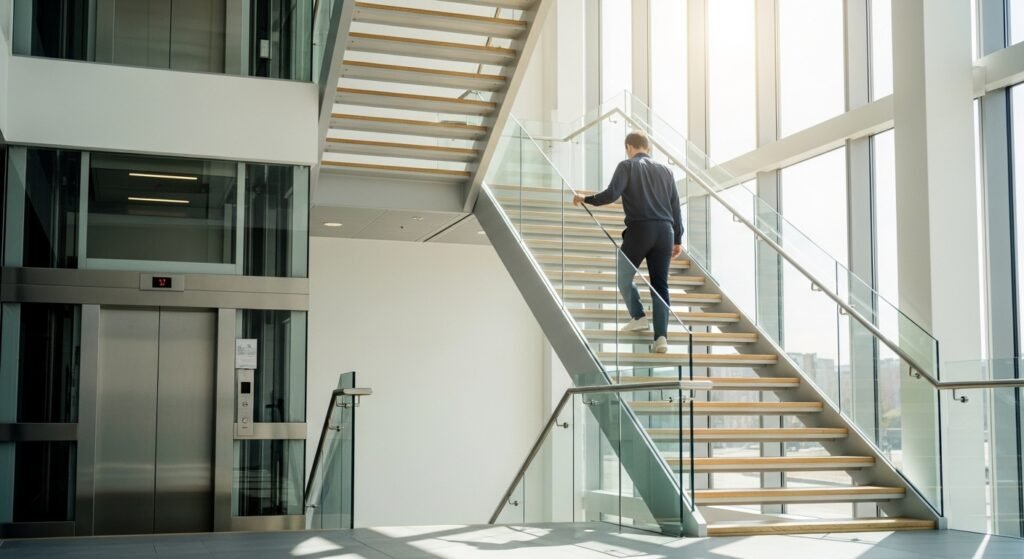
Stair walking instead of using elevators is a routine Japanese cultural norm and not a choice in favor of fitness. This daily decision is a small one, but in the long run this will add immense cardiovascular and muscular gains. All the Americans need to do to radically enhance fitness levels is to start defaulting to using the stairs throughout every normal working day.
Stretch at Work

Structured movement breaks that allow employees to stretch, roll their shoulders, and mobilize the joints in a gentle way are often part of the Japanese workplace surroundings. Such micro-movement allows avoiding stiffness, enhances blood circulation, and enhances energy and concentration in the afternoon. Taking overhead stretch every hour will make an otherwise sedentary American work day into continuous moderate exercise.
Start Today

There is no need to have equipment, memberships or motivation to attempt this method. Start by mindfully walking to your mailbox very slowly, during breaks in commercials stretch and gardening on Sundays. Make small consistent movements in every day. These mild habits accumulate in real lifelong exercises of race training built upon centuries of Japanese experience.
