
Energy drinks function as non-nutritive stimulants which produce temporary improvements in both mental alertness and physical performance according to current nutritional science. The drinks contain different ingredients but they usually include high-dose caffeine together with taurine and B-vitamins and frequently contain either refined sugar or artificial sweeteners at high concentrations. The body processes these daily consumed components, which disrupts the natural body systems, resulting in changes to the basic functioning of the central nervous system and metabolic pathways. The study shows that the drinks function by preventing fatigue signals from reaching the user while simultaneously activating their stored glucose reserves. The body develops tolerance to habitual stimulant use which leads to cardiovascular and renal and endocrine system damage that needs to be examined through an unbiased perspective.
Sleep pressure and Adenosine receptor Blockade

The body uses caffeine to block adenosine receptors because those receptors transmit signals which cause the body to feel tired. The brain creates additional receptors to balance out the impacts of chronic caffeine consumption which continues to block adenosine receptors throughout the day. The result is that caffeine intake requires increased amounts to achieve regular functioning while your ability to sense sleepiness becomes severely impaired.
The sympathetic nervous system “Redline”

Energy drinks activate the release of both adrenaline and noradrenaline which induces a sympathetic state of body function through its fight-or-flight response. The body shows a permanent increase in heart rate and blood pressure which results from daily contact with energy drinks and this condition becomes more serious after several months.
Insulin spikes and Glycemic variability

Many energy drinks contain up to 50–60 grams of sugar per serving. The daily consumption of this product results in an insulin spike followed by a blood sugar drop that reaches a low point after the initial peak. The pancreas’s beta cells sustain damage from the glycemic variability cycle which develops through repeated blood sugar fluctuations.
Alternation of sleep architecture
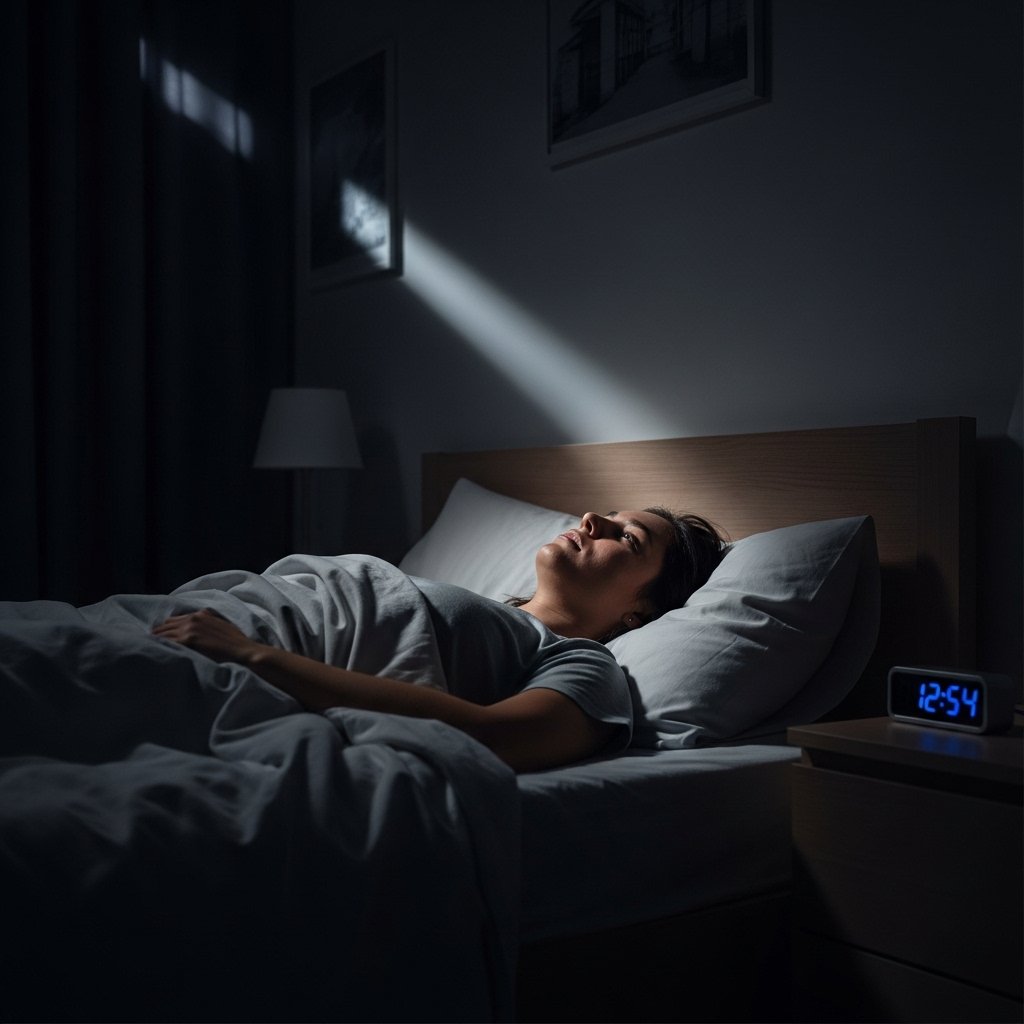
The consumption of caffeine during daytime hours creates sleep problems because its effects last for about 5 to 6 hours. The user develops a sleep pattern which stops their body from entering restorative sleep time so they use energy drinks to fight their constant tiredness.
Renal workload and Diuretic effects

The high caffeine content wakes up the kidneys to produce more urination by activating its diuretic effects. Daily consumption of this product results in ongoing mild dehydration, which leads to changes in skin turgor and increased risk of kidney stones and reduced effectiveness of renal system waste filtration.
Vitamin B megadosing and nerve health

Energy drinks offer more than 100 percent of the Daily Value for Vitamin B6 and B12 because they include multiple vitamin B components. The body faces difficulties processing and getting rid of synthetic vitamins which make sensitive individuals experience peripheral neuropathy from their loss of water-soluble vitamins.
Gastric acid secretion and digestive health

The combination of carbonation and caffeine and citric acid creates highly acidic conditions for gastric acid secretion and digestive health. The daily consumption of this product causes stomach lining irritation, which boosts stomach acid production, and creates conditions that lead to acid reflux and heartburn and worsens existing gastritis symptoms.
Dental health erosion
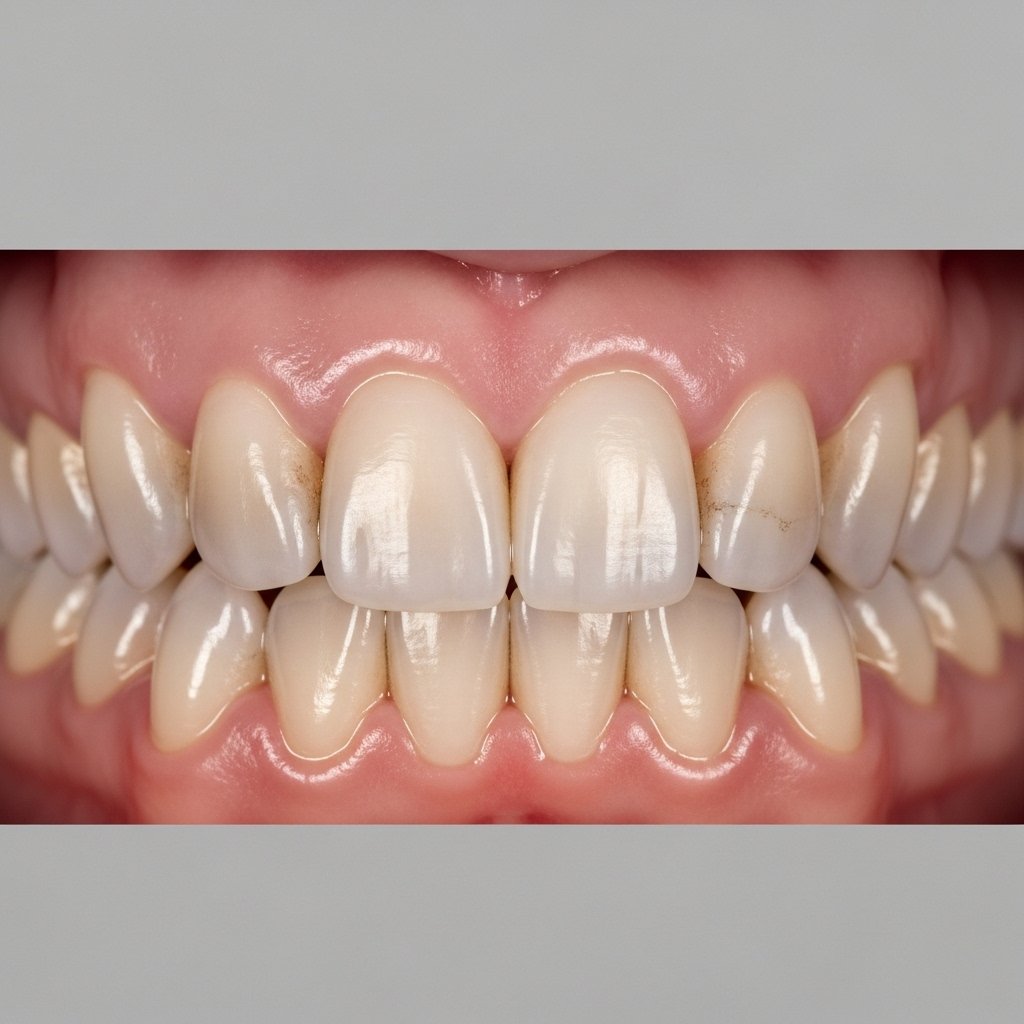
Energy drinks have a high acidity level because their pH value resembles that of battery acid which causes the chemical process that destroys dental enamel. The ongoing chemical exposure eliminates the necessary time for saliva to re-mineralize teeth, which results in permanent enamel loss and increased tooth sensitivity.
Cardiovascular rhythm variability

People who use stimulants continuously will develop heart palpitations together with premature ventricular contractions. The heart stays in a hyper-excitable state due to daily use which makes hidden rhythmic sensitivities possible to show up in certain people.
The dopamine reward loop

Caffeine and sugar activate dopamine production in the brain’s reward centers which leads to the creation of the dopamine reward loop. The brain becomes less likely to respond to usual enjoyment of everyday life unless a stimulant presents itself to create an instant dopamine boost.
Magnesium and calcium depletion

Caffeine, when taken in high amounts, results in increased urination of vital minerals such as magnesium and calcium. The lack of dietary compensation for this long-term situation could lead to bone density loss and muscle relaxation impairment.
“Masked” Fatigue and burnout

The primary impact of energy drinks is their capacity to hide the body’s real energy level. The brain uses daily fatigue signal suppression to trick itself into needing no rest, which can cause burnout because the body needs actual breaks.
