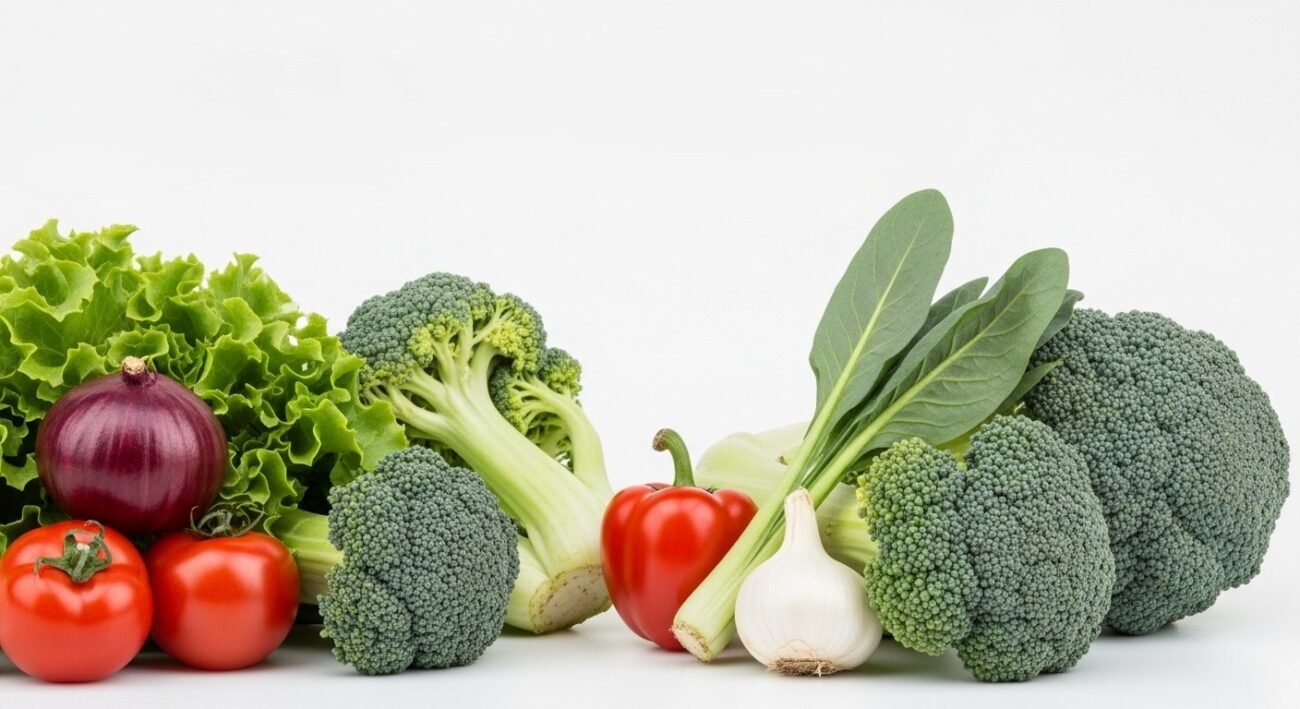
The Nutritional Matrix: Optimizing Health Through Strategic Vegetable Intake Modern nutritional science emphasizes that the value of vegetables extends far beyond basic calorie counts; it lies in the “food matrix” where fiber minerals and bioactive phytochemicals work in synergy to support systemic health. The most effective method for enhancing metabolic function and fortifying the immune system and protecting against oxidative stress involves the daily consumption of diverse plant life. The dietary choice of high nutrient density vegetables enables people to direct their biological processes which include nitric oxide production for cardiovascular health and glucosinolate processing for cellular repair. The essential cofactors need to be supplied through a variety of colored foods that come from different botanical families to support long-term health.
Spinach and Retinal Protection
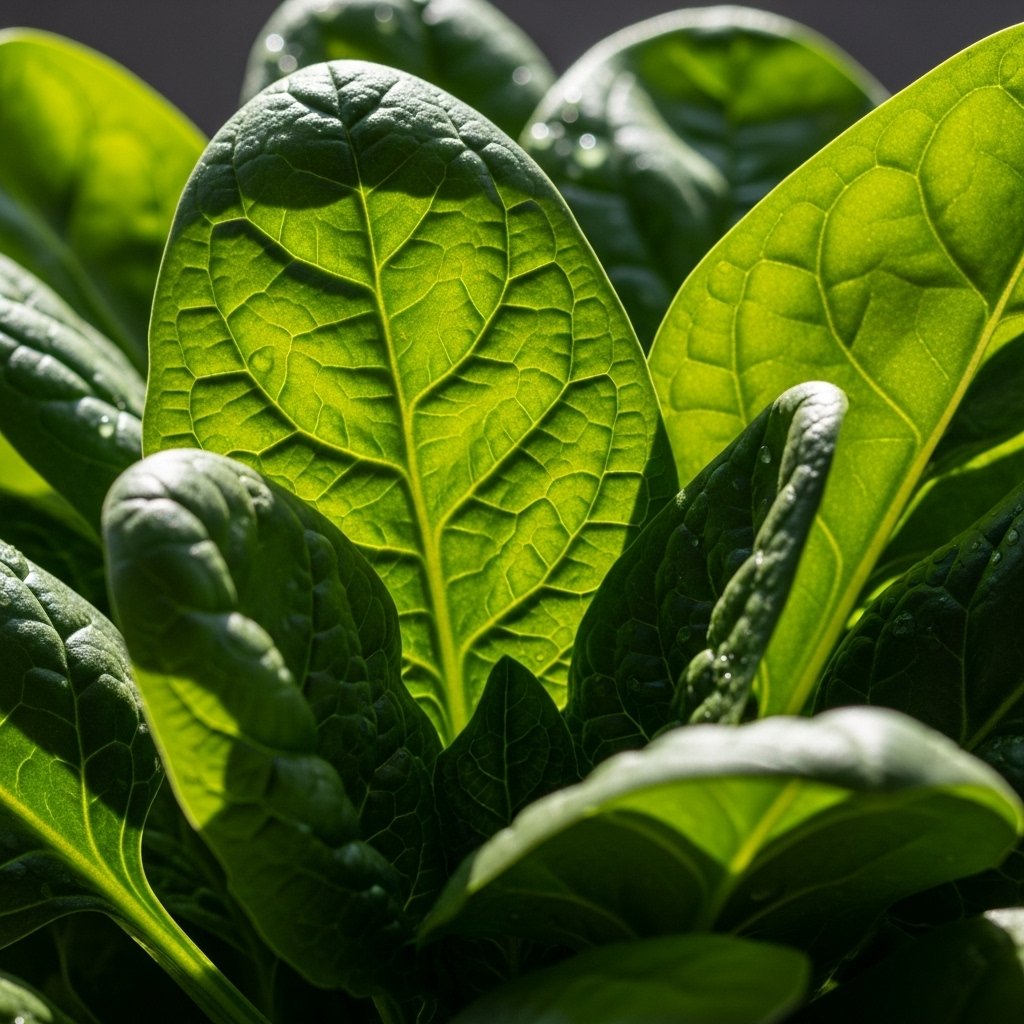
Spinach is a dense source of Vitamin K and non-heme iron. The vegetable contains lutein and zeaxanthin pigments at high levels which function as carotenoids that protect the retina by filtering blue light while preventing oxidative eye damage.
Kale and Isothiocyanate Activity
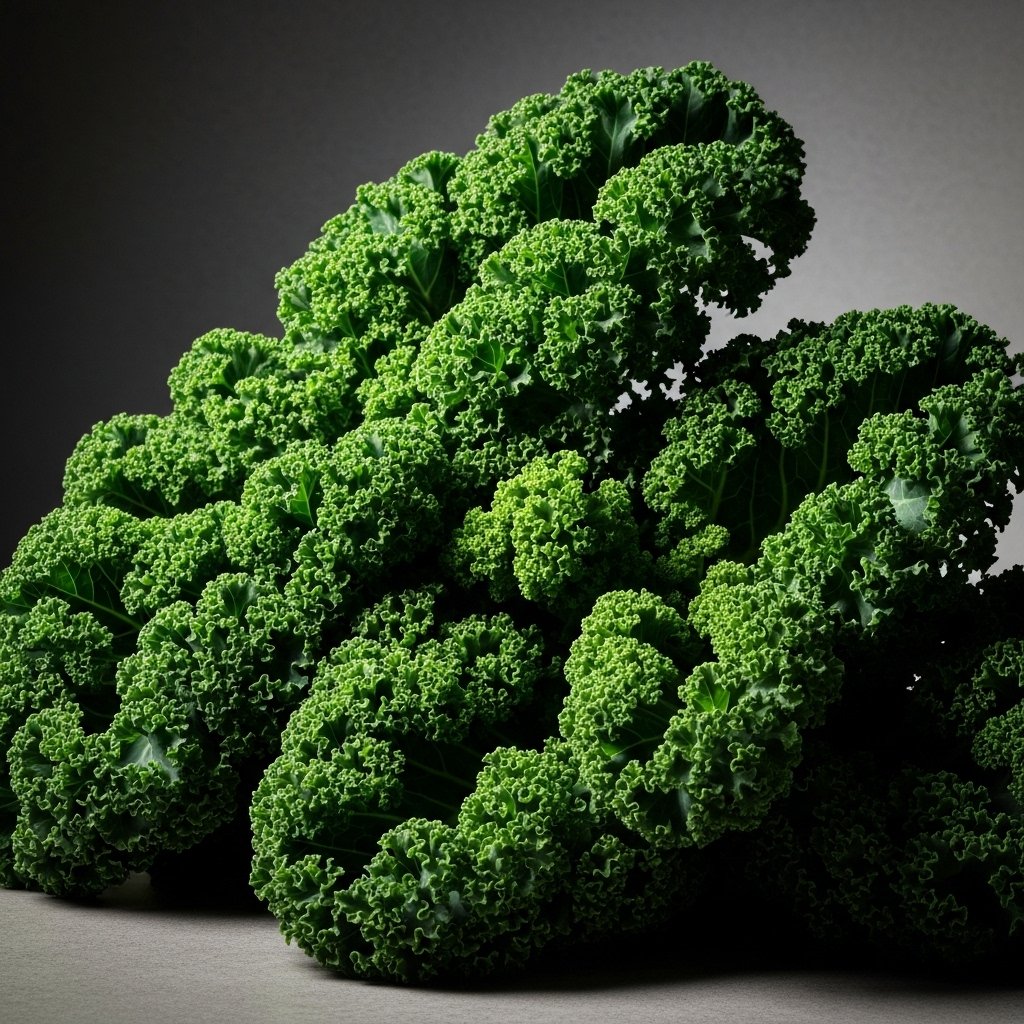
Kale is the top cruciferous vegetable because it contains glucosinolates which transform into isothiocyanates when people digest them. The compounds in this product help your body fight environmental toxins by boosting its detoxification pathways.
Broccoli and the Sulforaphane
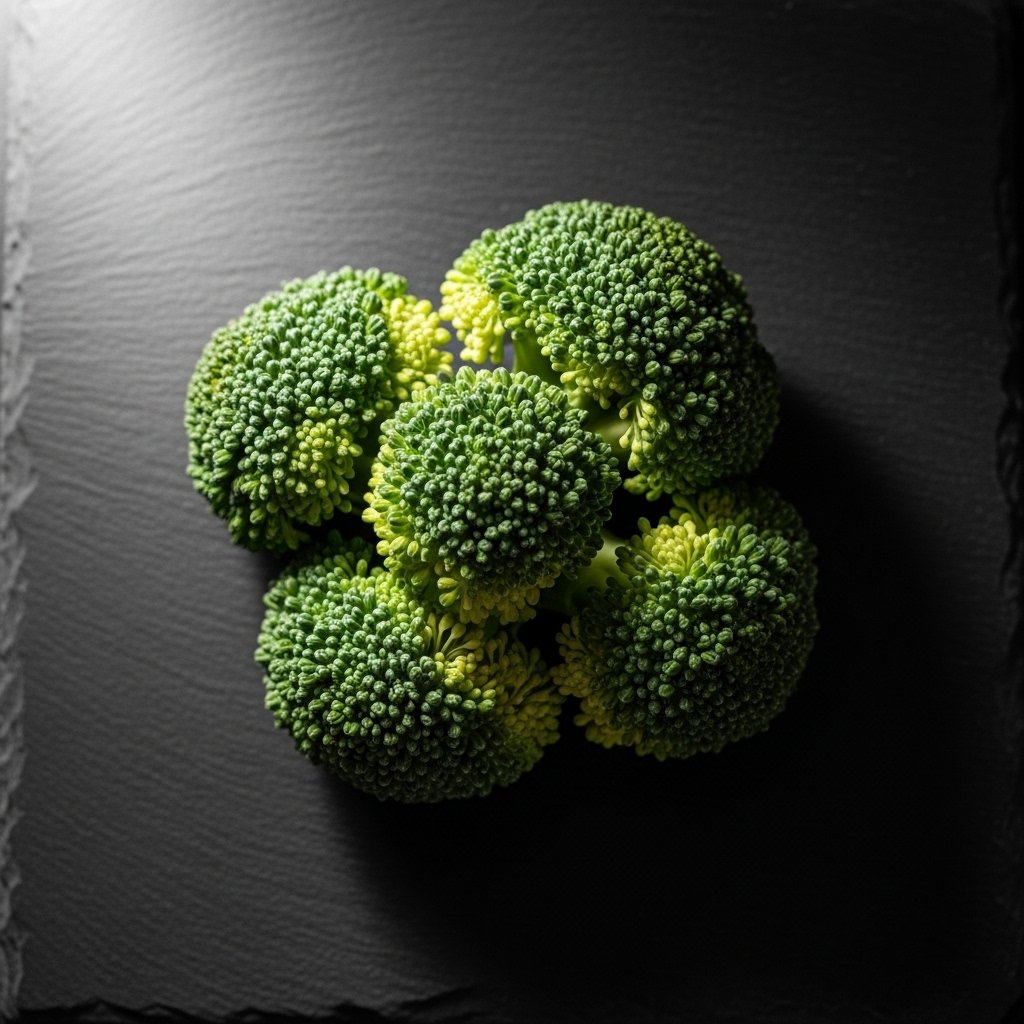
Defense Broccoli serves as the main source of sulforaphane which functions as an Nrf2 pathway activator. The pathway functions as the main control system which initiates the creation of internal antioxidants that help protect cells from both inflammation and chronic stress.
Brussels Sprouts and Kaempferol Density
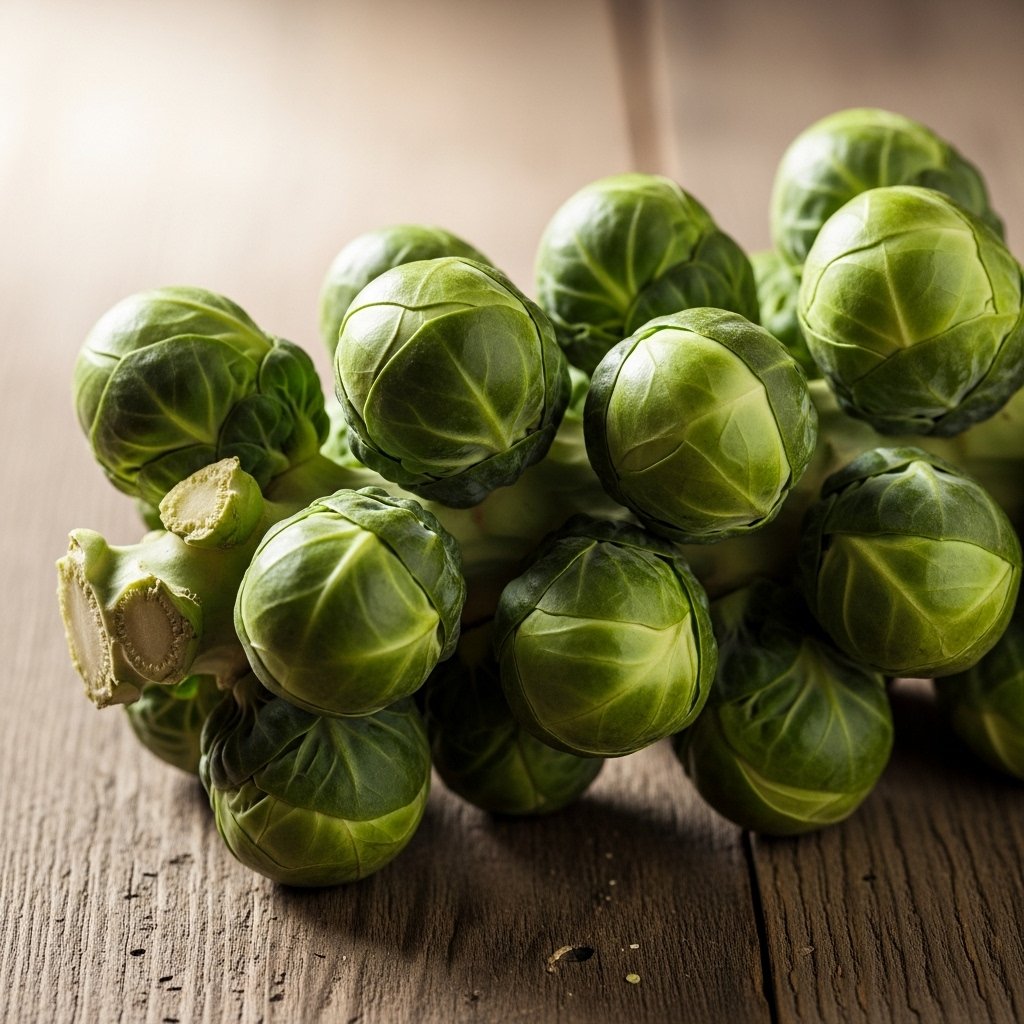
The small cabbages contain high levels of kaempferol which scientists have investigated as a potential treatment for decreasing inflammation. The high fiber content of the foods promotes short-chain fatty acid production which serves as the main energy source for colon cells.
Carrots and Retinol Synthesis
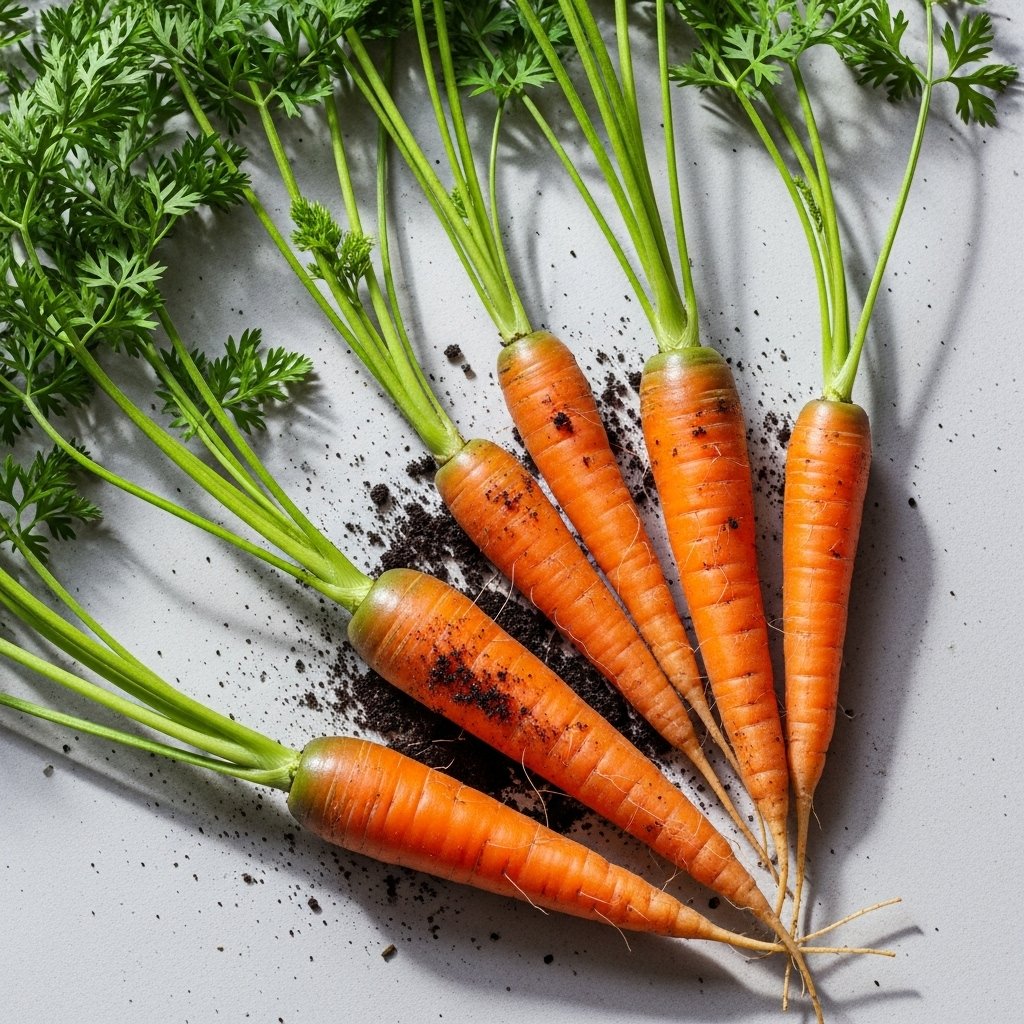
Carrots deliver beta-carotene which the human body transforms into Vitamin A (retinol). The nutrient is essential for protecting skin structure and enabling night vision and controlling immune cell development.
Garlic and Allicin Production
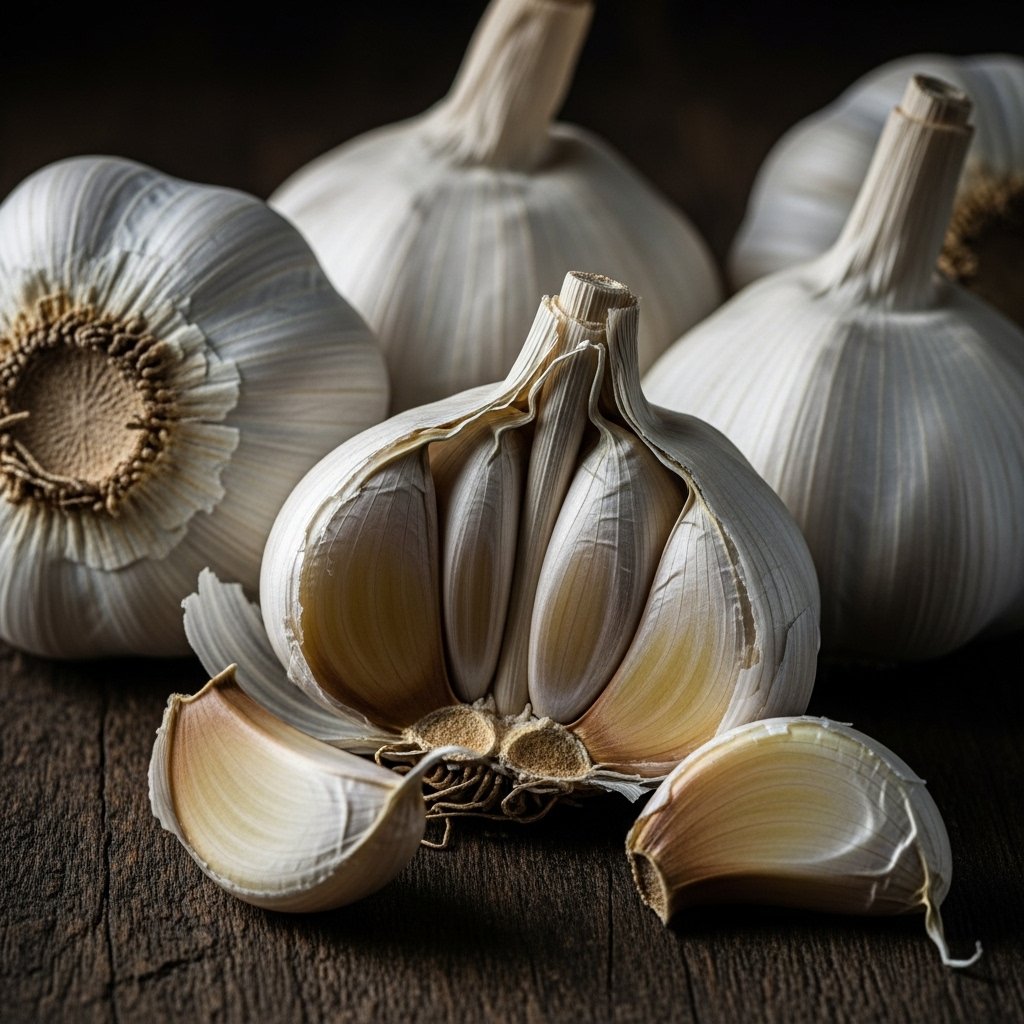
Allicin forms when garlic cells get crushed because their natural structure breaks. The organosulfur compound possesses antimicrobial properties while it helps arteries become more flexible which supports blood pressure control.
Onions and Quercetin Bioavailability

Onions serve as the primary source of quercetin which functions as an antioxidant flavonoid that protects mast cells from damage. Mast cell stabilization leads to reduced histamine release which supports the body in fighting inflammation caused by allergens and environmental stress.
Sweet Potatoes and Glycemic Regulation
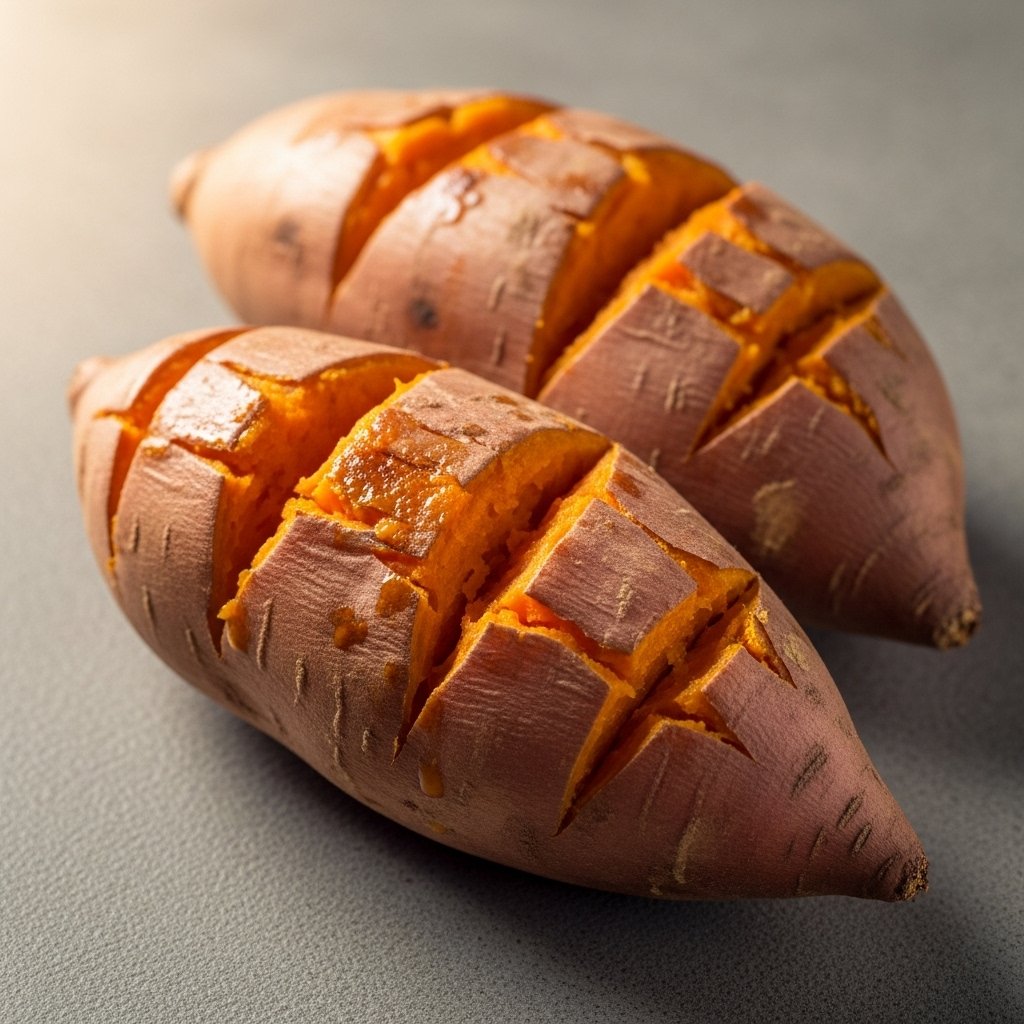
Sweet potatoes contain complex carbohydrates and soluble fiber which deliver energy in a gradual manner. The deep orange pigment of the food item indicates it contains high carotenoid levels while its fiber content prevents insulin spikes that normally occur after consuming simple starches.
Red Bell Peppers and Collagen Synthesis
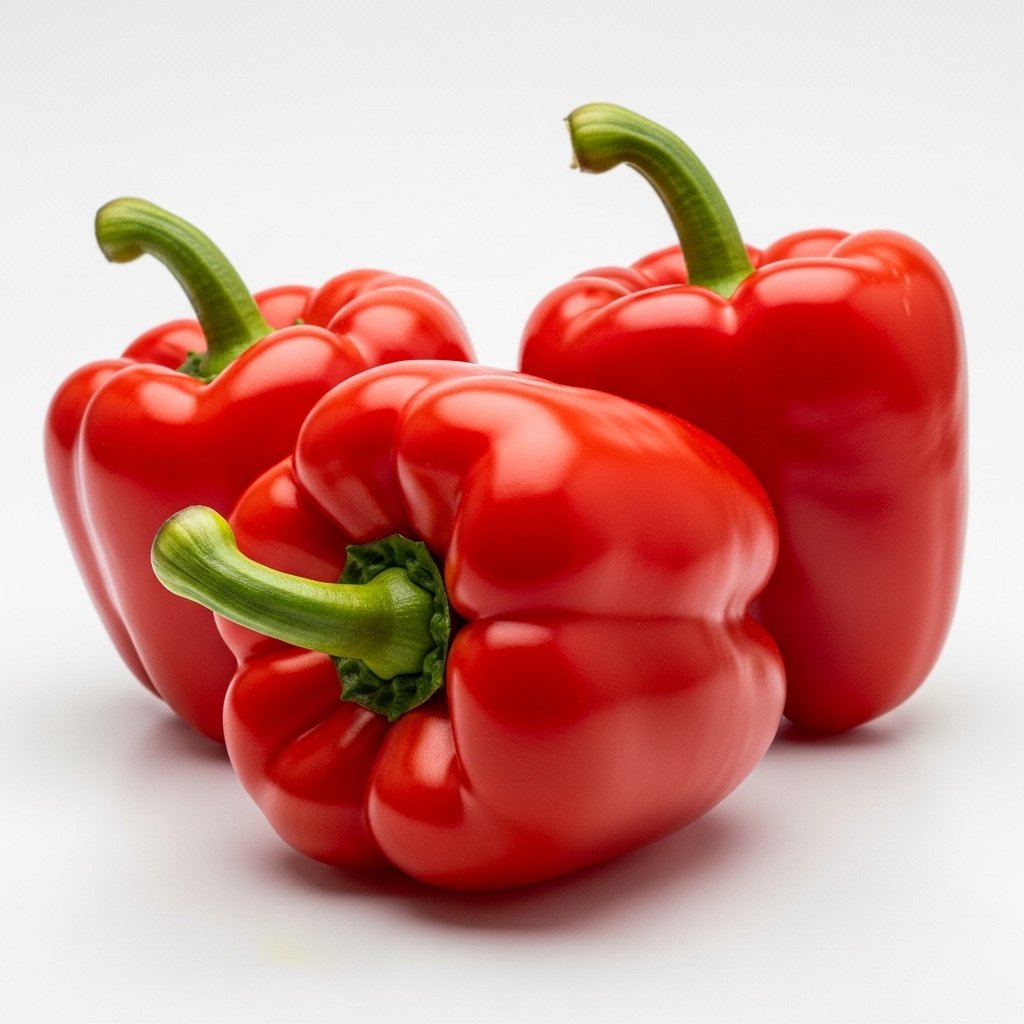
The red bell pepper contains more Vitamin C per gram than any citrus fruit which makes it essential for collagen hydroxylation. The body needs this process to maintain connective tissue strength and skin elasticity and blood vessel structural integrity.
Beets and Nitric Oxide Vasodilation
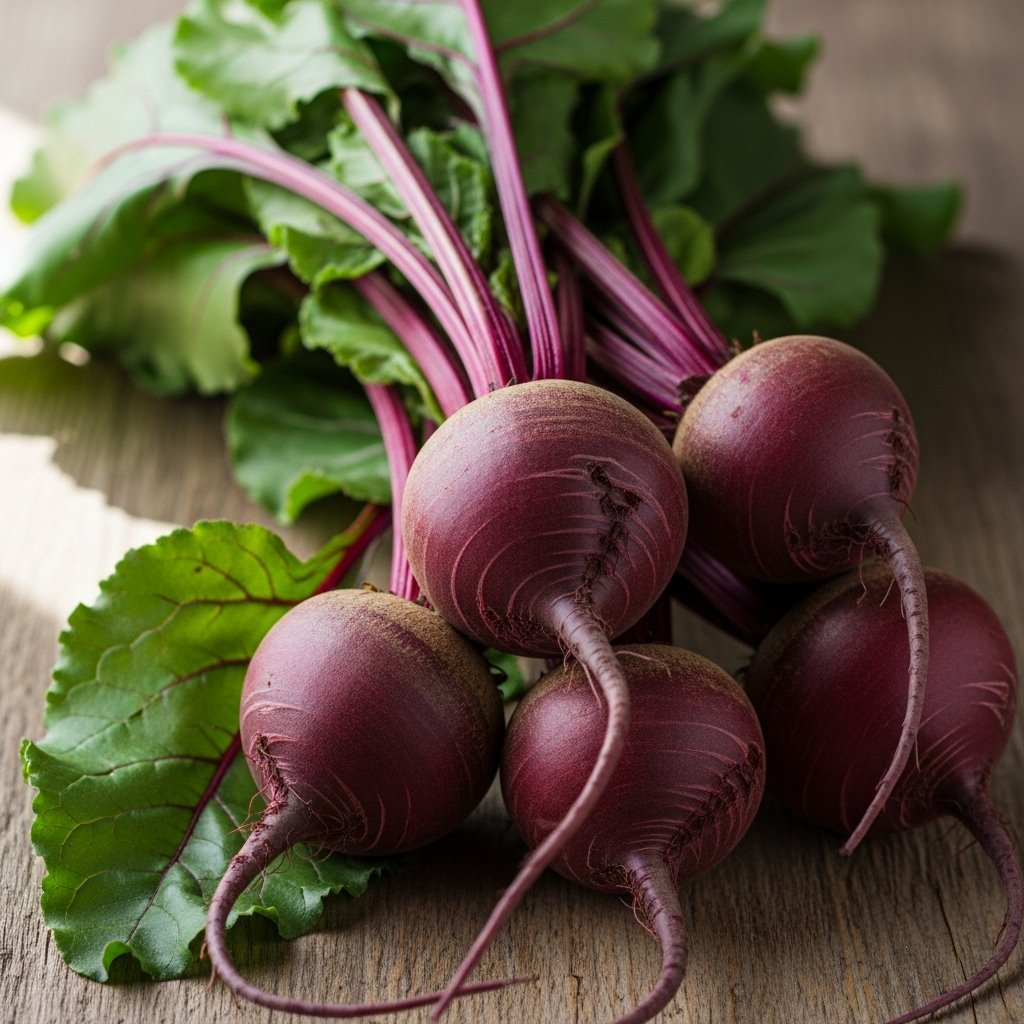
Dietary nitrates exist in high concentrations within beets which the body transforms into nitric oxide. The molecule expands blood vessels which results in better blood circulation and decreased blood pressure while boosting oxygen distribution to muscles during exercise.
Swiss Chard and Magnesium Homeostasis
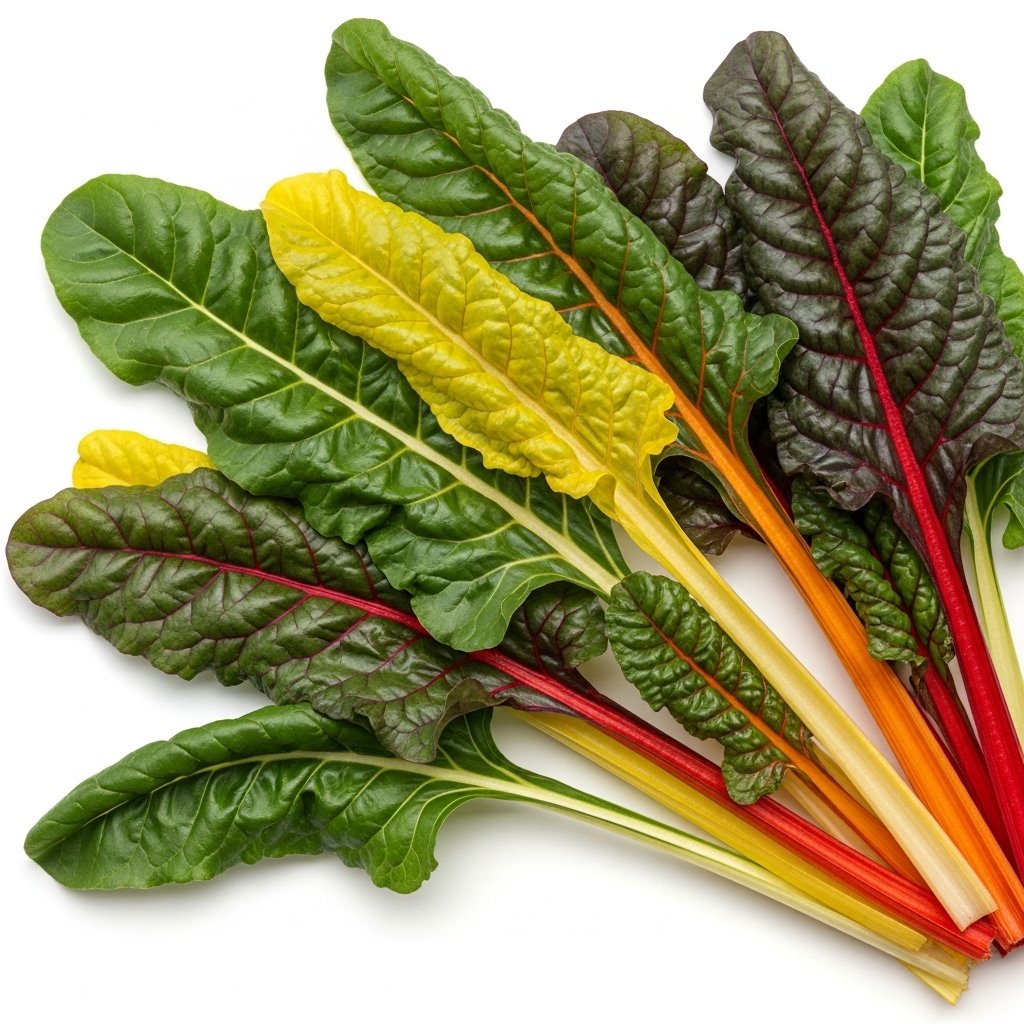
The leafy green provides a major quantity of magnesium which participates in more than 300 metabolic processes. The body requires magnesium to ensure proper nerve signal transmission and muscle relaxation and to control consistent heart rhythm maintenance.
