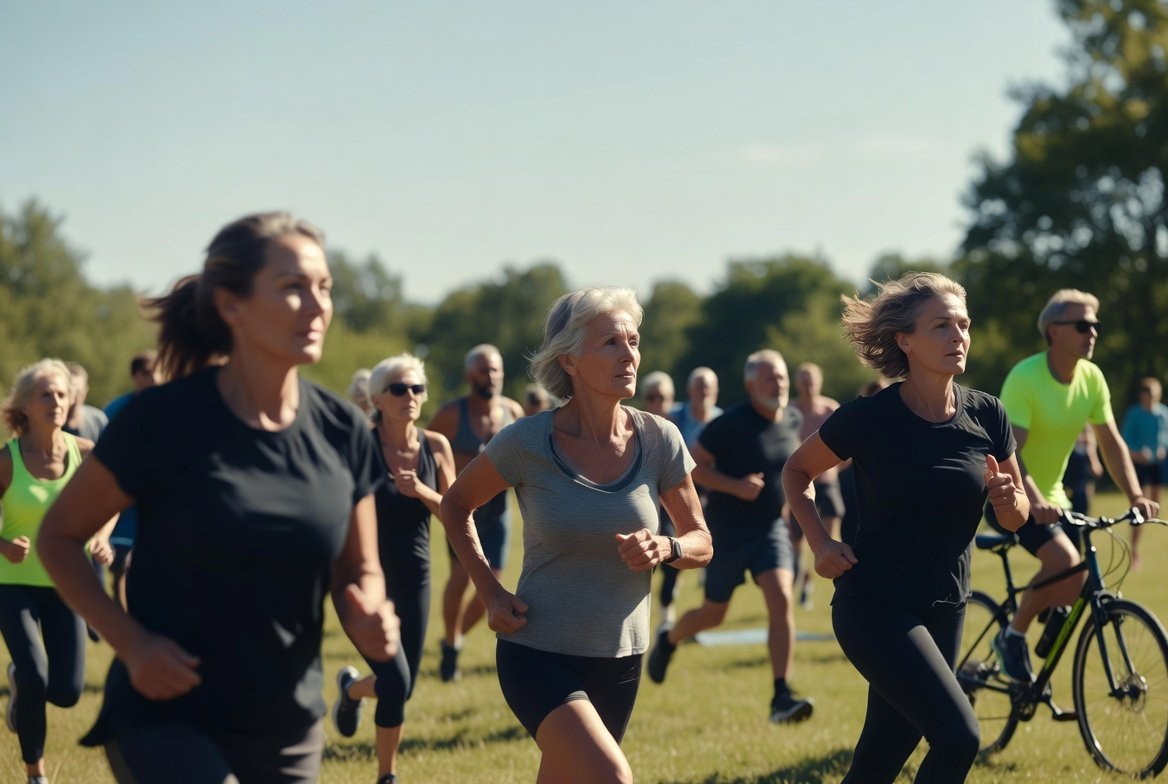
The concept of a “Fountain of Youth” is increasingly grounded in the study of geroprotective exercise because physical activity acts as a biological intervention that slows down cellular and systemic decline. Modern epidemiology suggests that not all sports influence longevity equally because the most effective activities require multiple physiological systems to be engaged in cardiovascular endurance and metabolic flexibility and social-cognitive coordination activities. People can improve their health by any movement that exceeds a sedentary lifestyle but because of their ability to increase VO2 max and protect lean muscle mass and sustain bone density “longevity sports” function as superior health-enhancing activities. The specific sports which people should use to reduce aging drivers become effective when they shift their focus from achieving short-term aesthetic goals to extending their healthspan.
Swimming for Low-Impact Aerobic Capacity
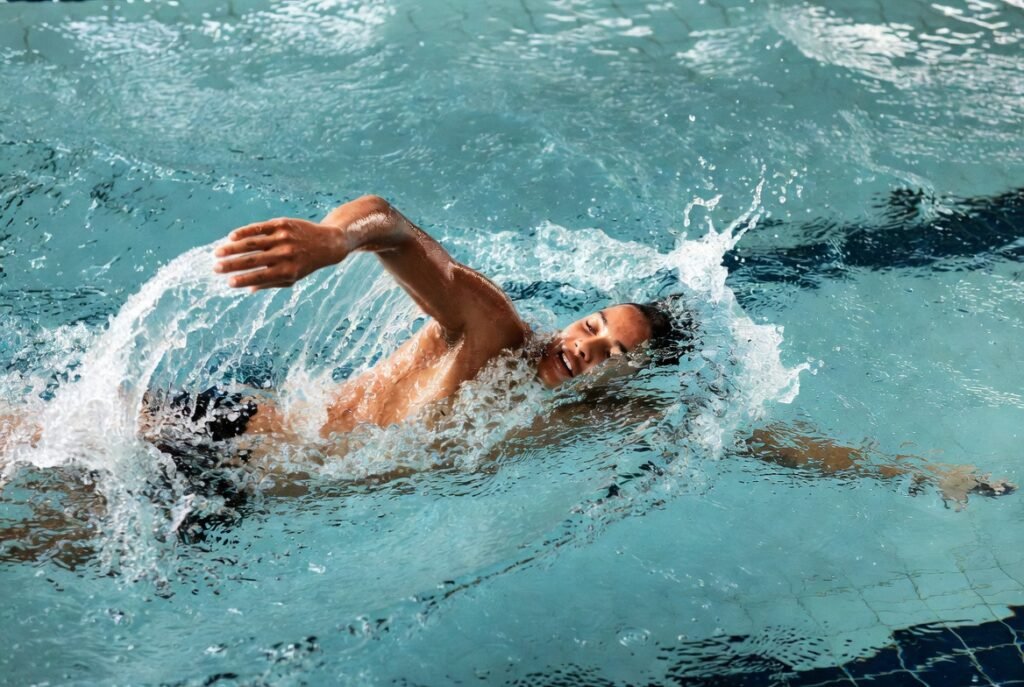
Swimming delivers an extensive cardiovascular workout which does not cause the orthopedic injuries that result from gravity-dependent sports activities. It improves lung capacity and vascular elasticity because it helps aging joints while maintaining heart health.
Cycling and Metabolic Efficiency
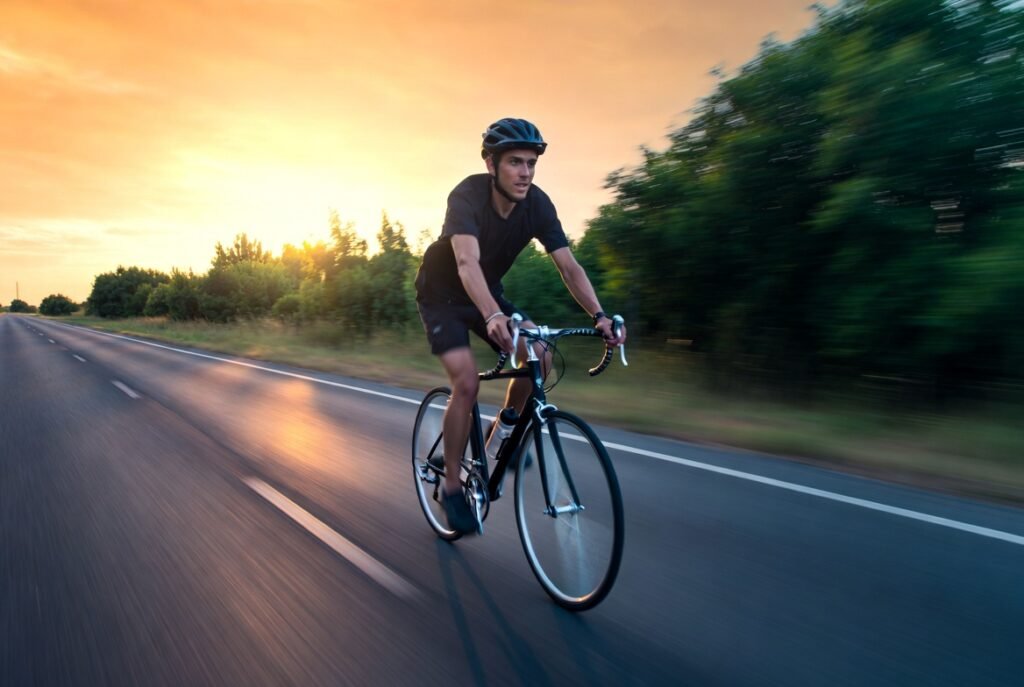
Cycling enables riders to develop “Zone 2” endurance most effectively. This steady-state aerobic work increases mitochondrial density and efficiency which enables the body to control blood glucose levels and use fat reserves as energy for metabolic disease prevention.
Resistance Training as an Endocrine Intervention

Lifting weights is essential for preventing sarcopenia (age-related muscle loss). Muscle tissue acts as a metabolic sink because it stores glucose while functioning as an endocrine organ that produces myokines which reduce systemic body inflammation.
Running and the “VO2 Max” Multiplier
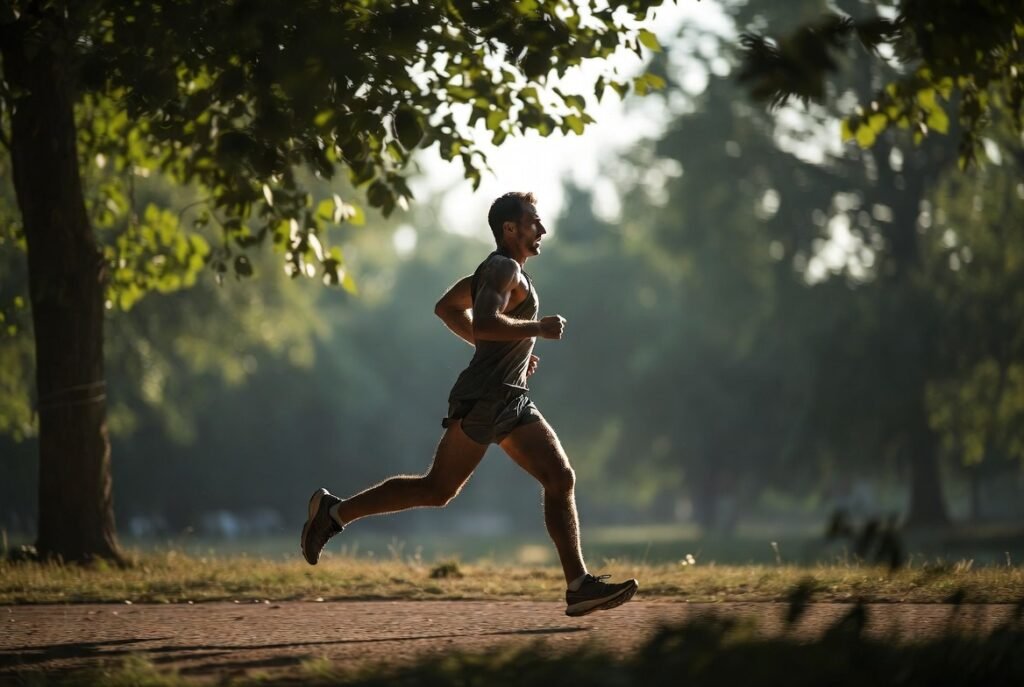
Running serves as an effective method to improve VO2 max which represents the body maximum oxygen intake during physical activity. High cardiorespiratory fitness serves as a leading predictor of longevity because it operates independently from other risk factors.
Yoga and Autonomic Regulation

Yoga maintains lower intensity while it emphasizes practicing the “respiratory bridge” technique. The combination of physical poses with controlled breathing exercises activates the vagus nerve which helps with heart rate variability (HRV) while fostering recovery from stress.
Team Sports and Cognitive Resilience
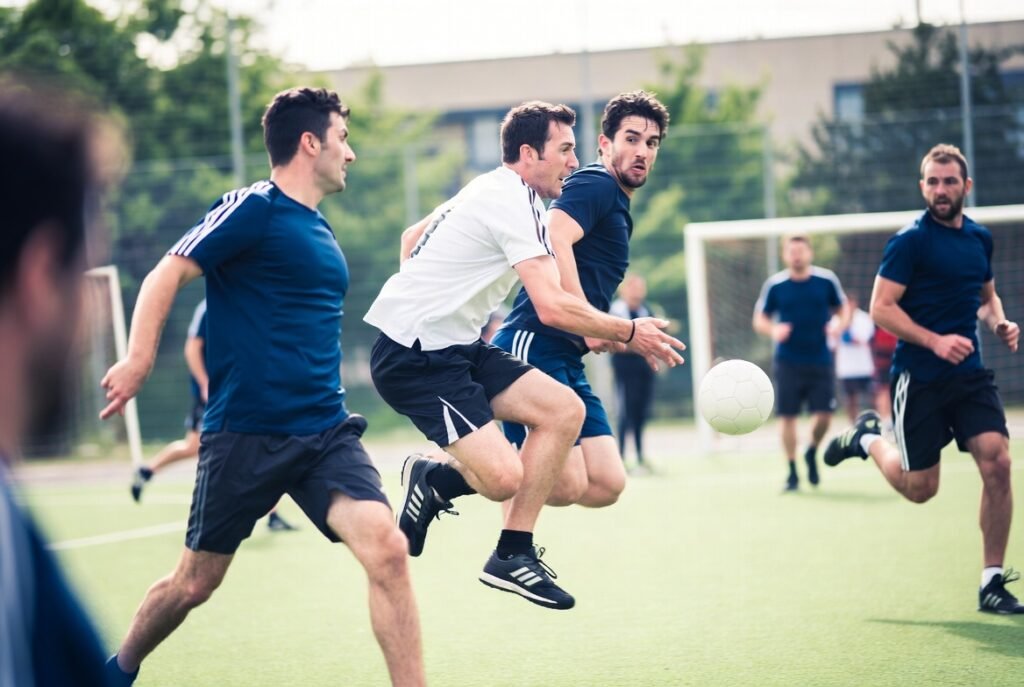
Sports like soccer or basketball require “split-second decision making” and spatial awareness. This cognitive demand plus aerobic exercise together stimulate Brain-Derived Neurotrophic Factor (BDNF) which promotes neuroplasticity while protecting against cognitive decline.
Hiking and Natural Terrain Variable

Hiking on uneven terrain requires the use of stabilizer muscles which support ankle and knee and hip joints because these muscles become less active when walking on flat surfaces. This process enhances “proprioception” which enables the body to detect its location through spatial awareness which protects against falls during advanced age.
Cross-Country Skiing for Total-Body Vitals
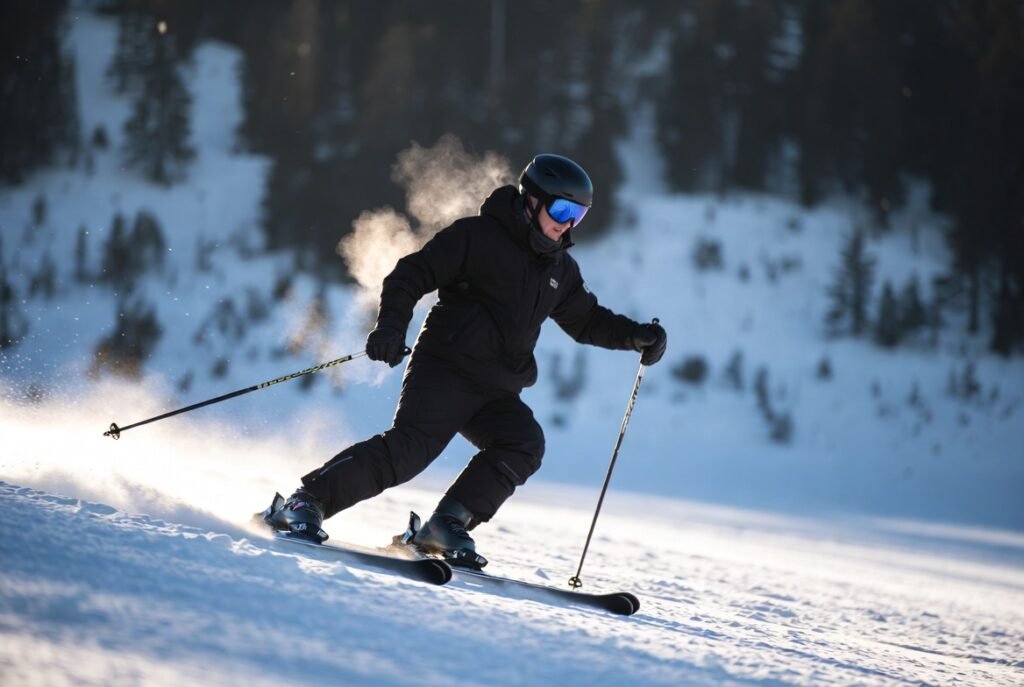
Cross-country skiing represents the sport with the highest VO2 max requirements because it activates both upper body muscles and lower body muscles at the same time. The body system needs to execute total-body demands which creates a healthy amount of work for the heart and lungs that results in advanced cardiovascular remodeling.
The “Minimum Effective Dose” Strategy
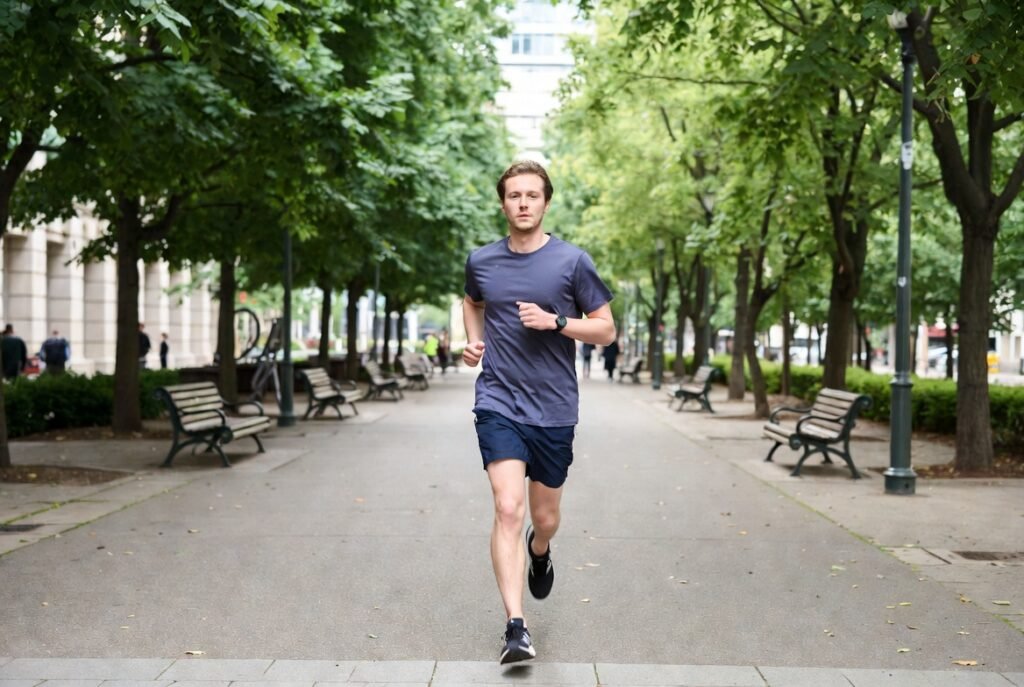
Longevity science states that people achieve maximum health improvements when they progress from complete inactivity to 150 minutes of moderate exercise per week. Aging individuals should prioritize consistency in sports activities which offer greater advantages than practicing intense sports activities at irregular intervals.
Rowing for Posterior Chain Strength

Rowing targets the “posterior chain” which includes back muscles and glute muscles and hamstring muscles. The importance of strengthening these areas lies in their role to help maintain upright posture while preventing chronic back pain which frequently restricts middle-aged and elderly individuals from their daily activities.
