
The great divide of whether it is more beneficial to do cardio before or after lifting weights is largely dependent on the main goal, energy levels and the intensity of the training. Both modalities bring health benefits, but since they share energy reserves, the order of preference has enormous potential impact on strength, fat loss and endurance. The understanding of interference effect-the idea that one type of training might blunts the possible results of another-as well as how to set up a routine that aids performance instead of inhibiting it.
Prioritize by Primary Goals

The most effective order is the one commensurate with your major aim. If muscle mass or strength is your goal, it is better to lift weights while your energies are highest. If you are lifting weights for an endurance event like a marathon, do your cardio first so that it gets trained while fresh in a fresh state
Effect on Strength Output
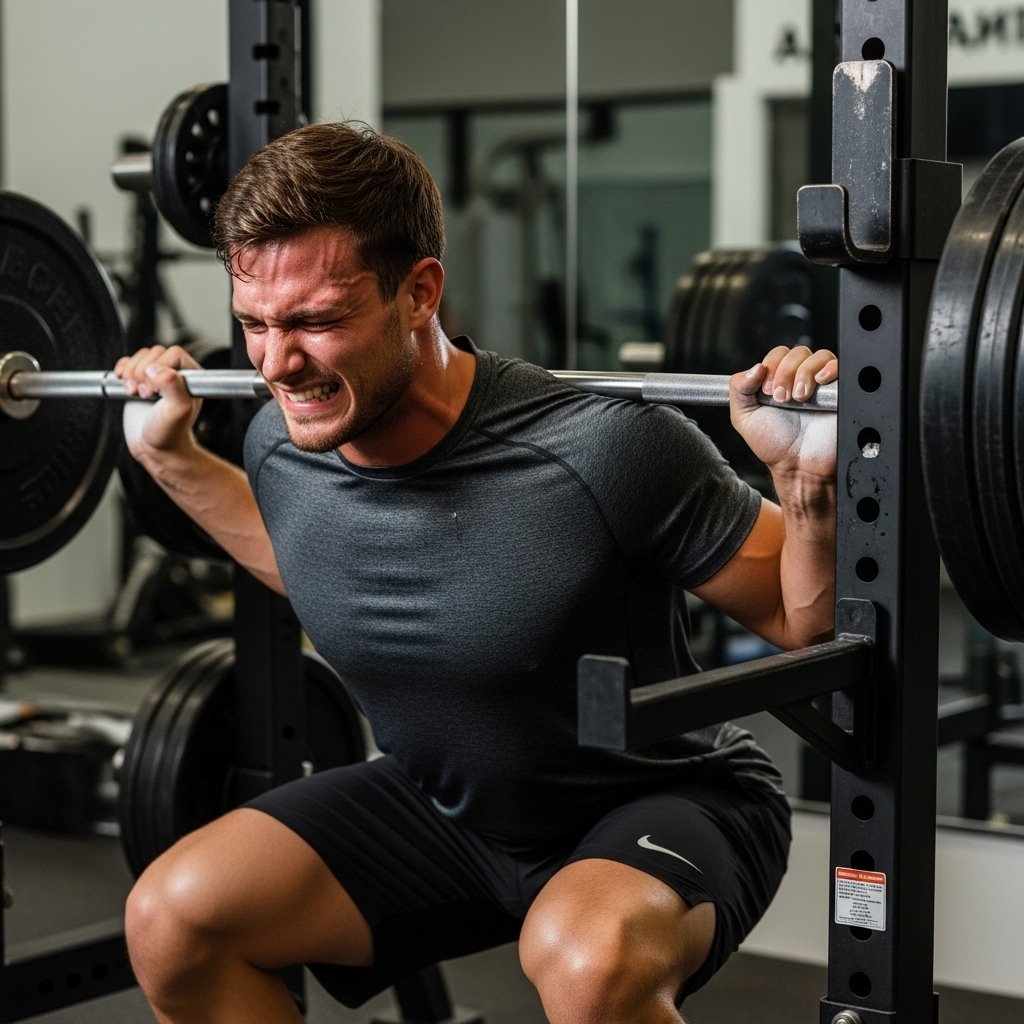
Moderate to high-intensity cardio before weights reduces the lifting performance capacity. Glycogen-the fuel your muscles burn for explosive power-is depleted by cardio along with fatigue of the central nervous system, such that in most cases, power cannot be maintained at heavy compound lifts, such as squats.
Cardio After Weights for Hypertrophy

When muscle growth is your objective, it is to lift first. This allows maximum intensity stimulation to muscle fibers, while cardio after your lifts ensures that the mechanical triggers for muscle growth are established before you go into a state of aerobic fatigue.
The Warm-Up Exception

Usually, intense cardio work before weights is detrimental, except for light cardio. Five to ten minutes of low-intensity movement like brisk walking is enough to raise the core temperature of the body and improve blood flow to the muscles, hence reducing the chances of injury, and does not deplete energy stores.
Fat Loss Fact

One of the popular myths says when you do cardio after weights, you end up burning much more fat because your sugar stores have been depleted, but this is a total lie. While there are metabolic switches, total fat loss is driven more by your overall caloric deficit and consistency than by the order in which your exercises are performed.
Endurance Training Specs

True endurance trainers will benefit from doing their cardio-first training piece since that is almost always done in a state of high specificity. If you are a runner, you need your legs fresh to hit certain paces. Weight lifting after running then builds structural strength without affecting the quality of your primary training.
Avoiding Overtraining

“Interference effect”: Too much cardio may blunt some signalling pathways for muscle growth. This is mostly of concern in elite lifters, but serves as a reminder to balance volume. Too much cardio can also impair local recovery after intensive leg training.
Consistency over Perfection

There is the physiological “optimal way” to train. Still, the best program is the one that you can follow and follow most frequently. If your only time to do cardio is right before weights, then the benefits of regular movement far outweigh the downsides of a “perfectly” sequenced workout for performance.
