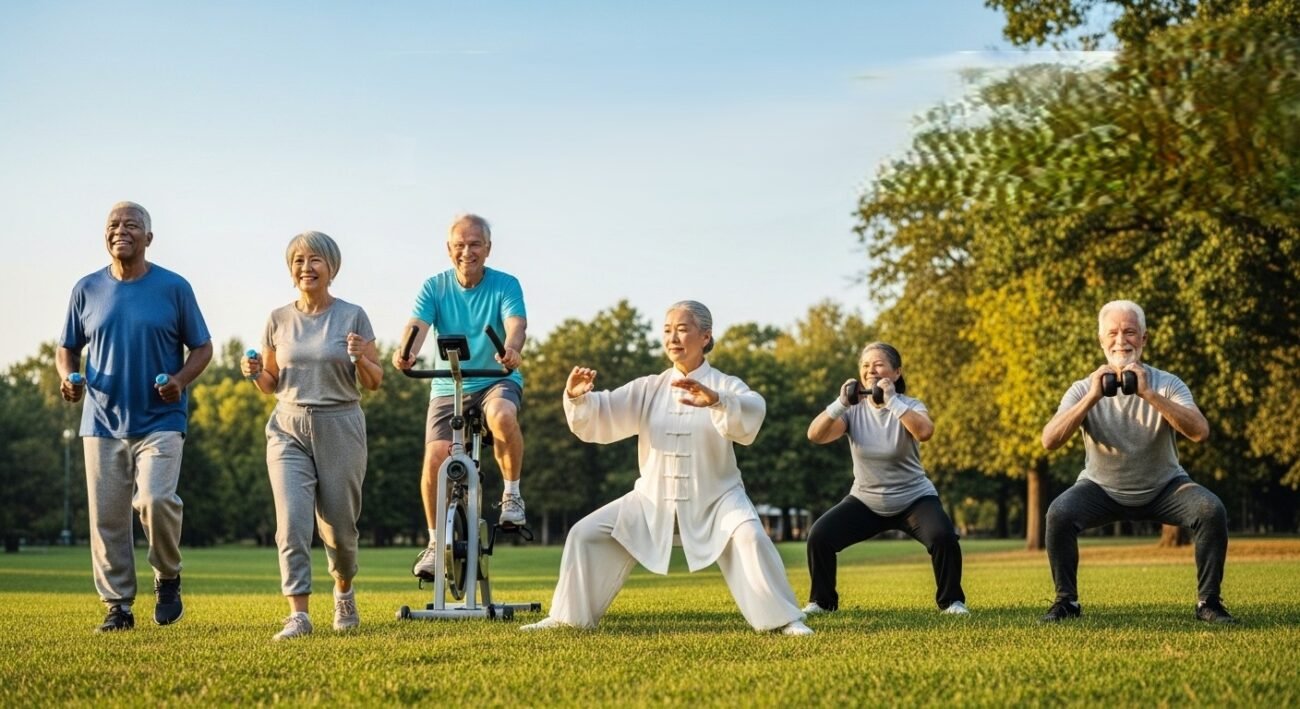
The aging process leads to body composition changes because people experience physiological shifts which result in higher body fat levels and lower lean muscle mass. The scientific community has determined that older adults benefit most from concurrent training which combines multiple forms of exercise. This training system uses both strength training and aerobic exercises to activate different body energy systems. The combined approach targets both cardiovascular health and musculoskeletal strength which results in steady glucose control and improved mitochondrial performance while reducing overall body inflammation.
The Efficacy of Concurrent Training
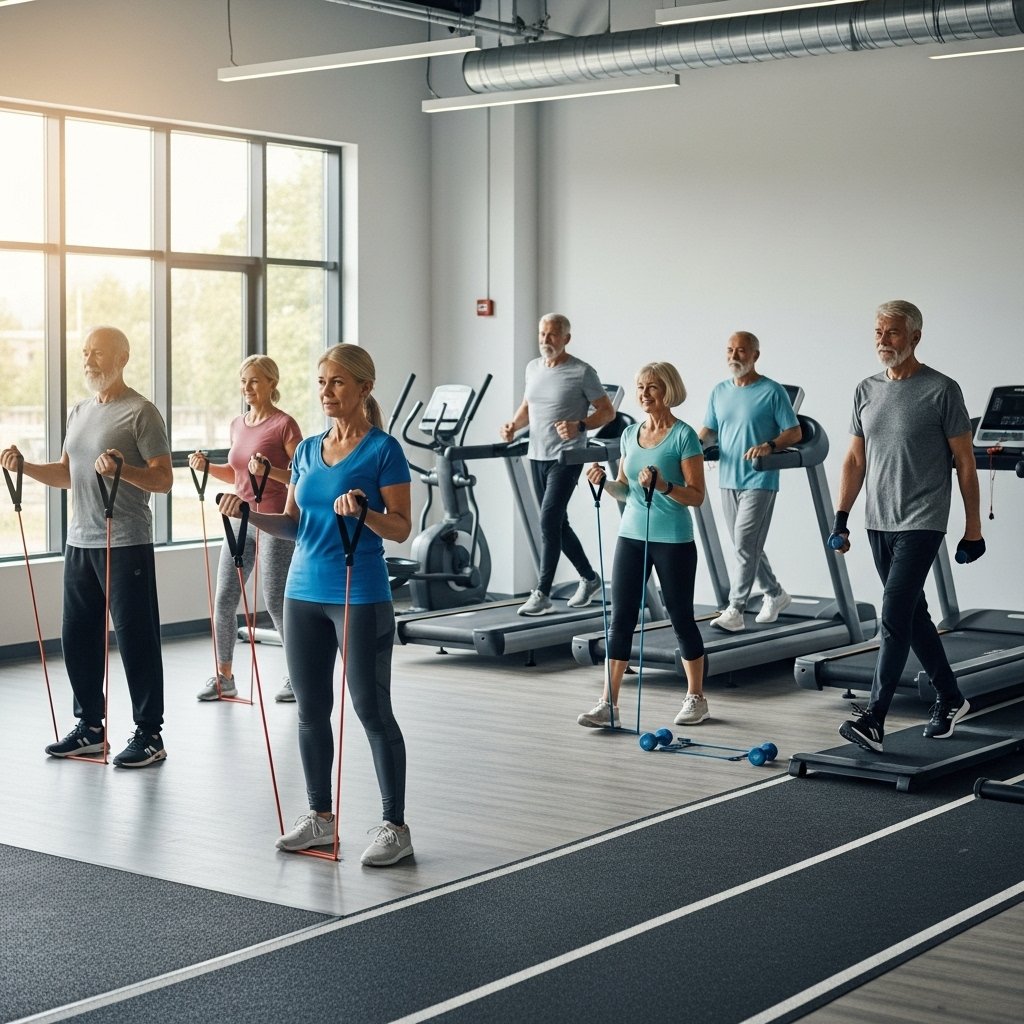
Research demonstrates that elderly people experience maximum fat loss through concurrent training which combines resistance training with aerobic exercise. This method combines the high energy expenditure from aerobic exercise with the muscle-preserving advantages of strength training which results in higher total body fat loss compared to using either method separately.
The “Afterburn” Effect (EPOC)
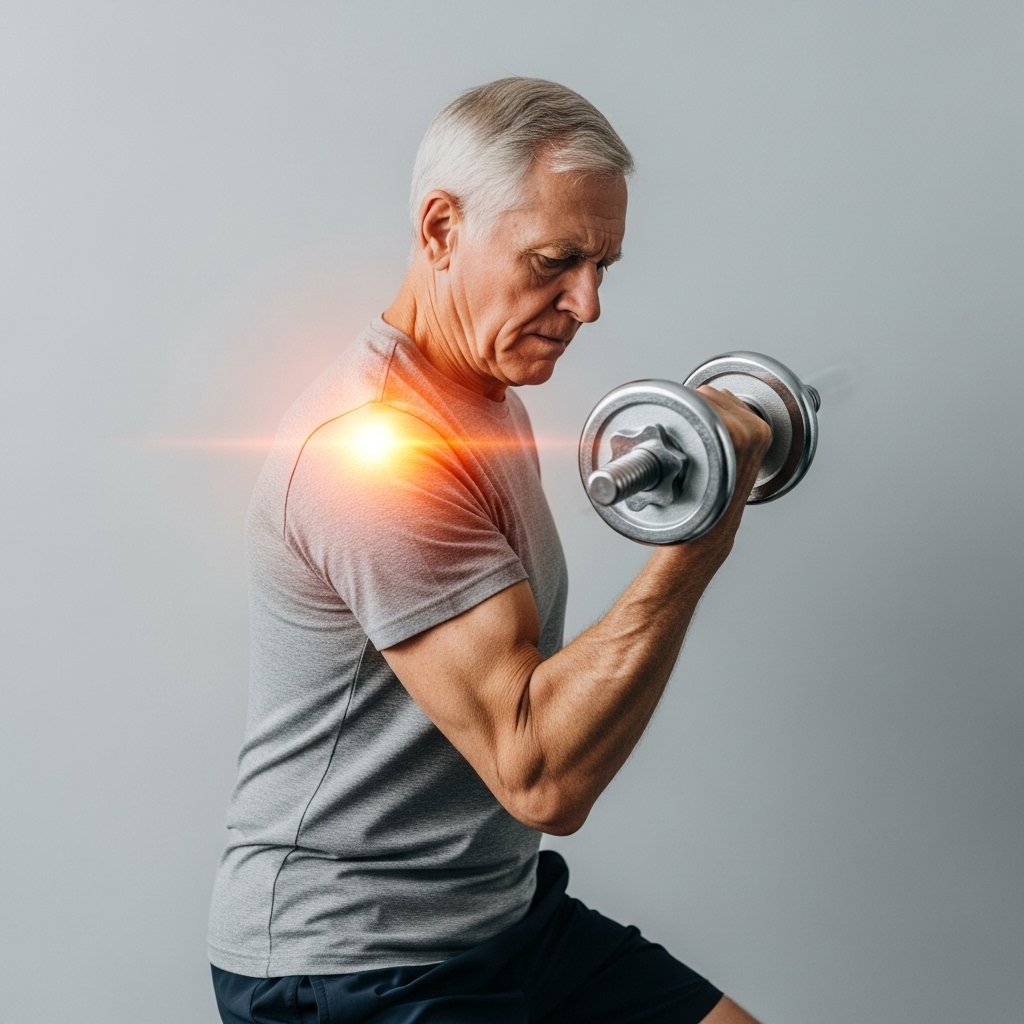
High-intensity resistance training leads to Excess Post-exercise Oxygen Consumption (EPOC) through its activation of high-intensity resistance sessions. The biological state requires additional oxygen consumption and caloric burning for several hours following a workout because the body needs to repair tissues and restore internal balance which increases total daily energy expenditure.
Synergy with Protein Intake
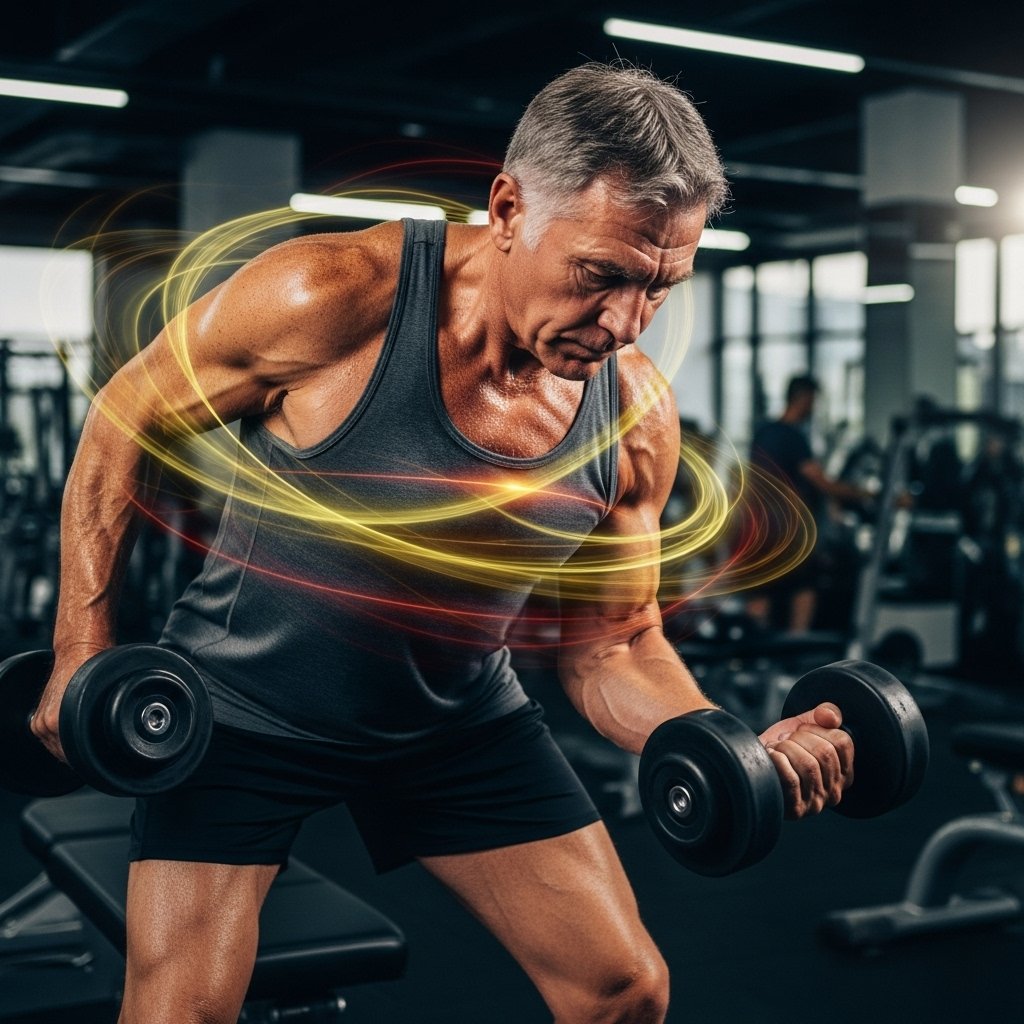
The “optimal” exercise routine requires simultaneous protein intake to achieve maximum efficiency. High-protein diets prevent muscle tissue breakdown during calorie deficits which causes the body to prioritize fat loss from its body fat stores.
Improvement in Lipid Profiles

The ideal exercise combination shows visible fat loss results while it enhances blood lipid levels. Body composition changes lead to reduced triglyceride levels in the blood while HDL cholesterol levels rise which benefits cardiovascular health.
Safety and Autonomic Balance
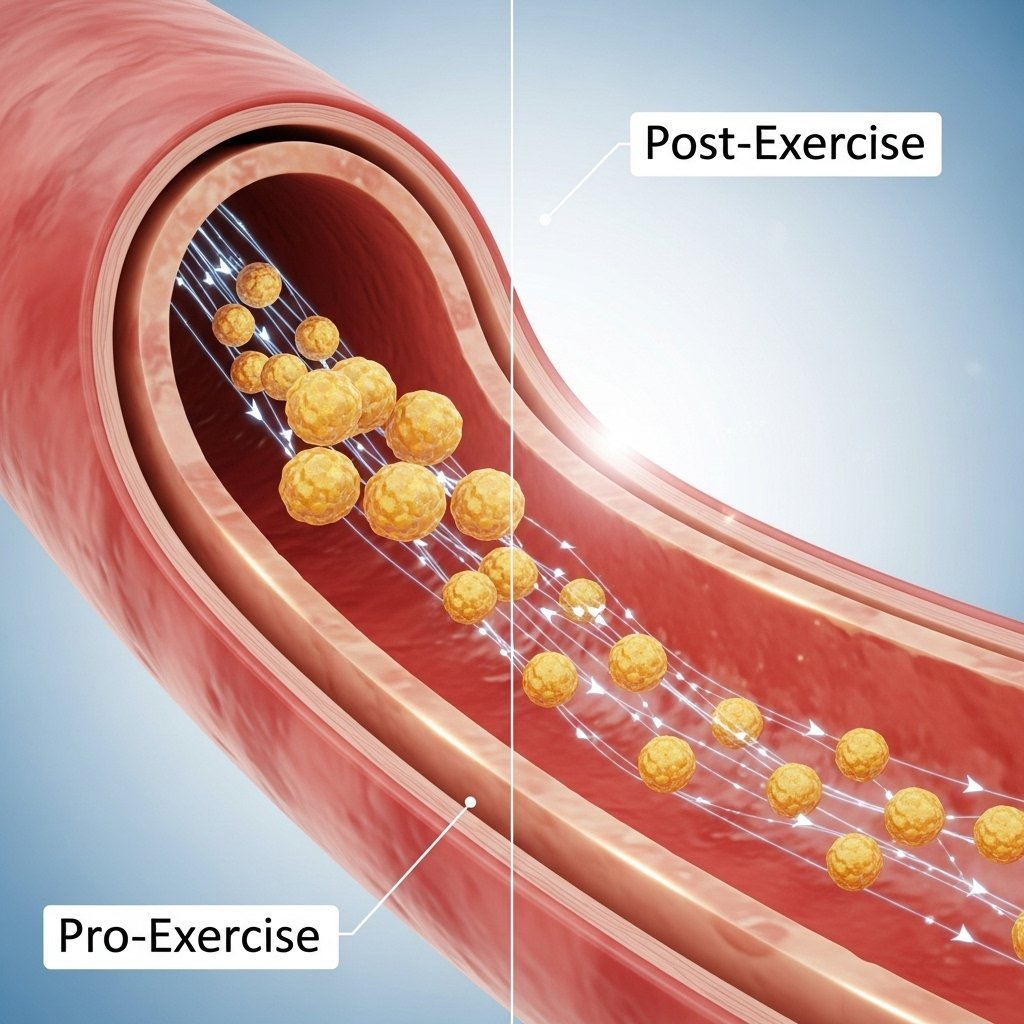
Modern protocols emphasize using Heart Rate Variability (HRV) or the “talk test” to ensure that the elderly are working at an intensity that triggers fat loss without inducing chronic stress. The body needs to remain in this state for recovery and to support permanent weight maintenance.
Functional Movement Integration
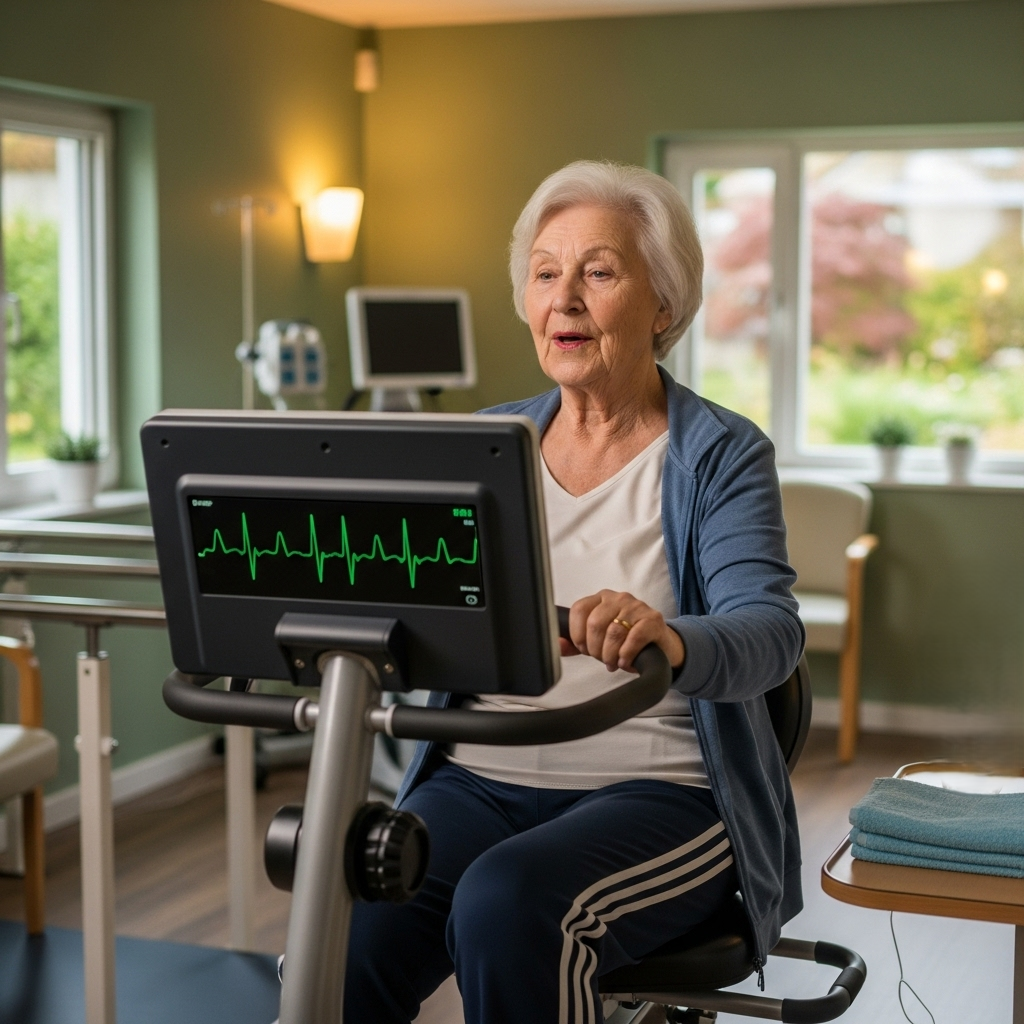
Effective programs often include functional exercises that mimic daily activities, such as squats or lunges. These movements which involve multiple joints help the body recruit more muscle mass which burns calories and lets people stay physically active throughout the entire day.
Hormonal Regulation and Insulin Sensitivity

Regular physical activity helps regulate key hormones like insulin and leptin. The elderly improve their glucose transport capability into muscle cells through exercise which helps them achieve weight control and normal blood sugar levels.
