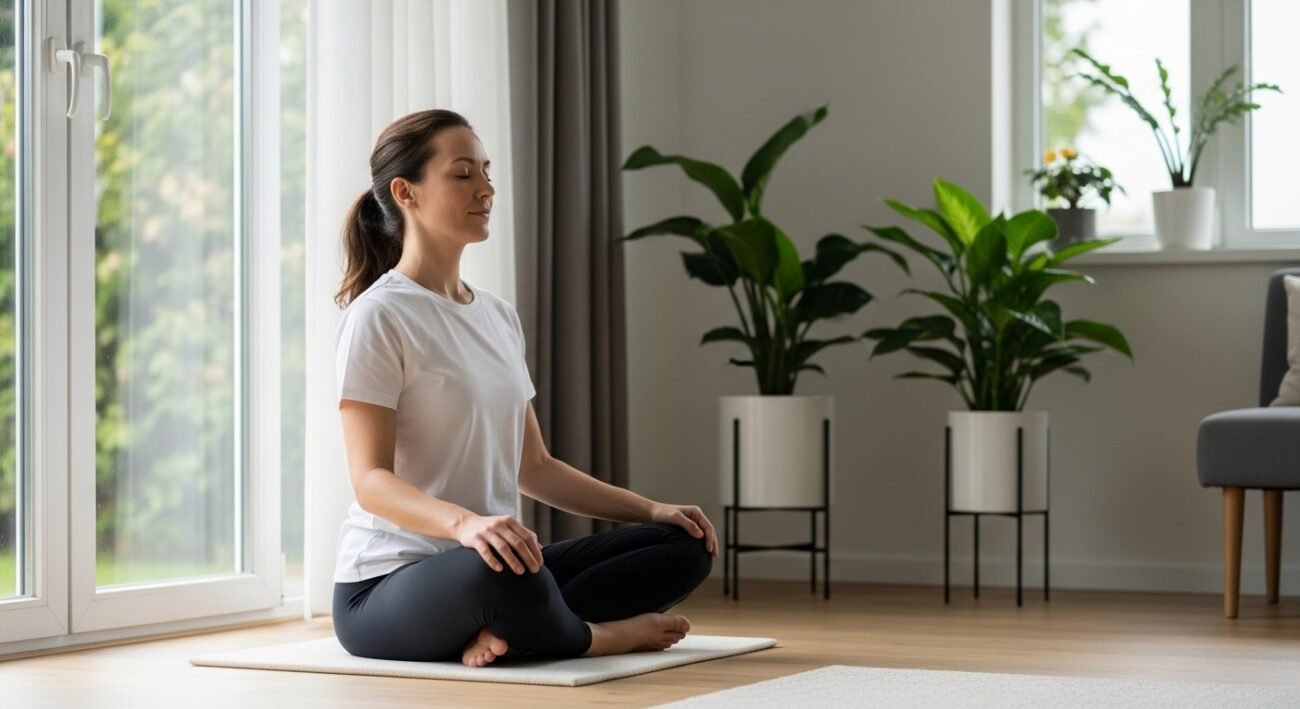
The home space functions as the primary location for work and relaxation, thus the practice of meditation serves as an effective method to sustain energy levels. The use of traditional energy-boosting methods through excessive caffeine consumption and strict time management results in decreasing effectiveness after initial improvements. The practice of meditation permits individuals to achieve nervous system control, which enables them to restore their mental capacity that stress and distractions have taken away. Your domestic space becomes a healing space through the application of particular methods that you incorporate into your daily operations. The transition from reactive thinking to proactive habit formation enables people to experience consistent energy throughout their daily activities instead of experiencing energy peaks followed by drops.
The Basic Breath Counting exercise
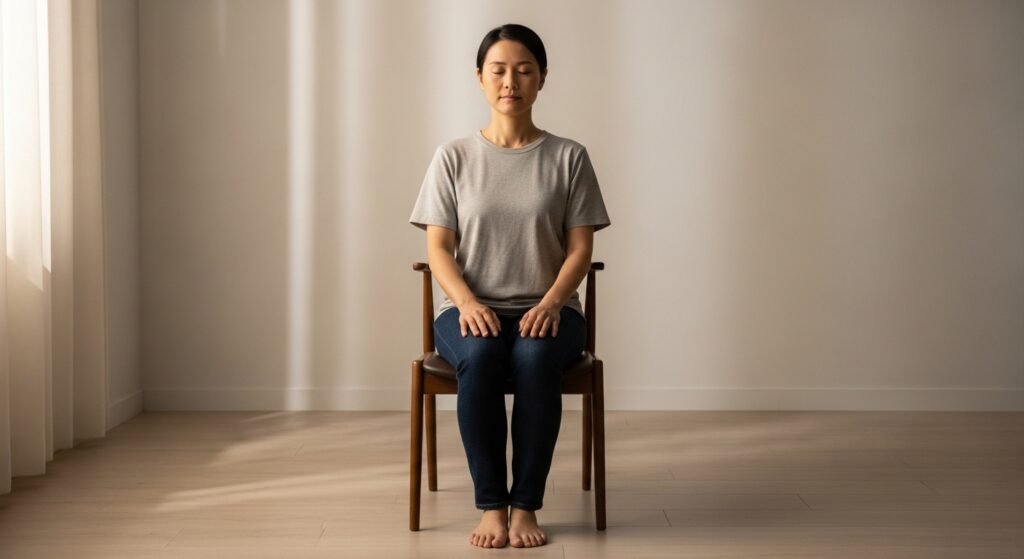
Requires you to count your breathing from one to ten while sitting comfortably before beginning the process again. The practice develops focus muscles which enable people to concentrate better because their minds will experience less distraction during work hours.
The Body Scan Technique
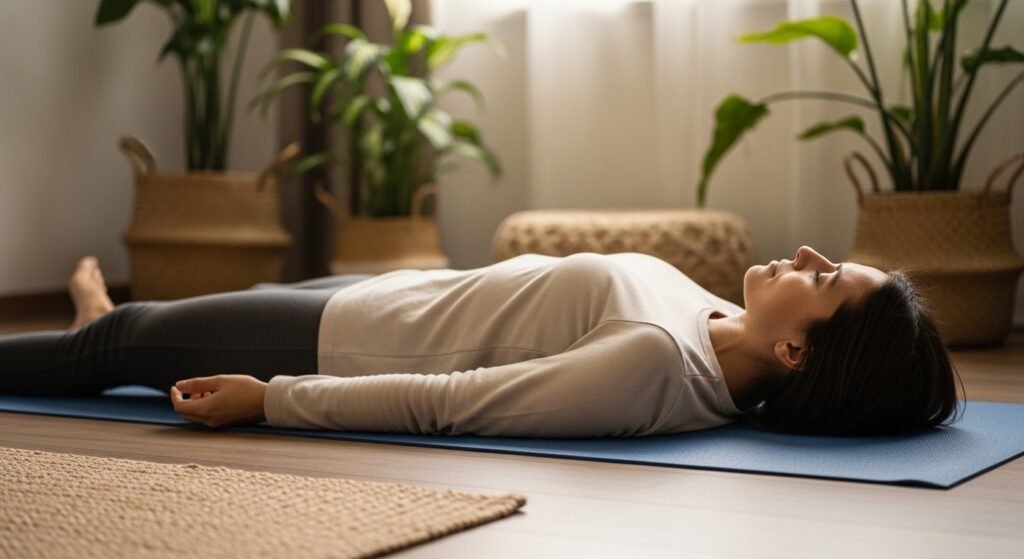
Requires you to mentally examine your entire body starting from your toes and finishing at your head while you identify spots that hold tension. The process of voluntarily relaxing your jaw and shoulder muscles will stop the body from producing the hidden energy drain caused by its physical strain.
Box Breathing
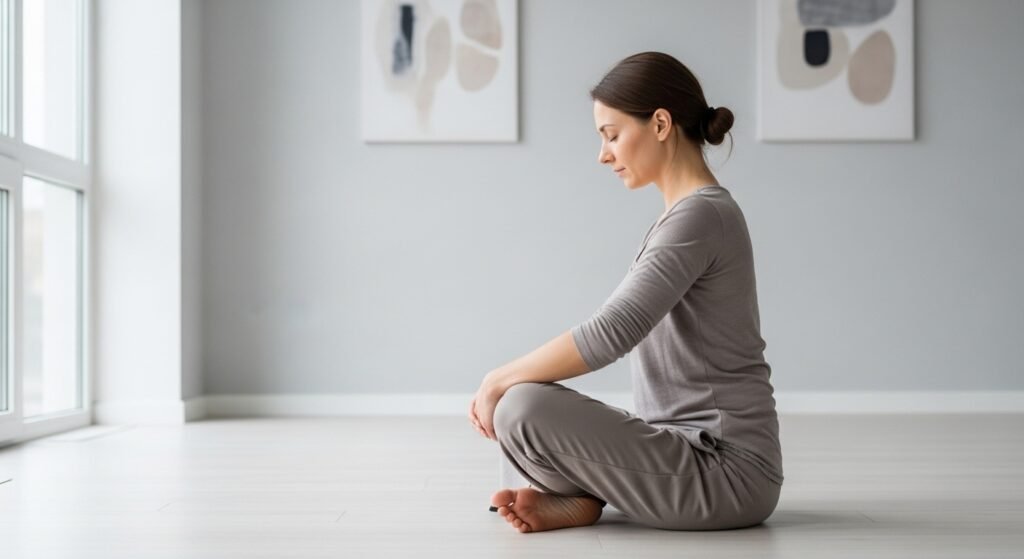
Requires you to breathe in and maintain breath and exhale and maintain breath for four seconds. The technique allows for immediate body system restart to transition your body from active state to tranquil yet concentrated energy.
Loving-Kindness (Metta) Meditation

Requires you to silently speak words that send good wishes to both yourself and all other people. The practice transforms your mental state by creating a peaceful emotional environment which helps you manage social conflicts and personal doubts.
Home-Based Walking Meditation

Requires you to walk through your hallway while concentrating on how your feet make contact with the ground. The practice uses gentle movements with mindfulness techniques to eliminate afternoon brain fog without requiring a fitness center.
Guided Visualization of Energy

Requires you to spend five minutes visualizing a warm light that fills your entire body. The process of mental rehearsal functions as a psychological recharge system which alerts the brain to prepare for its most productive working period.
Single-Word Mantra Repetition
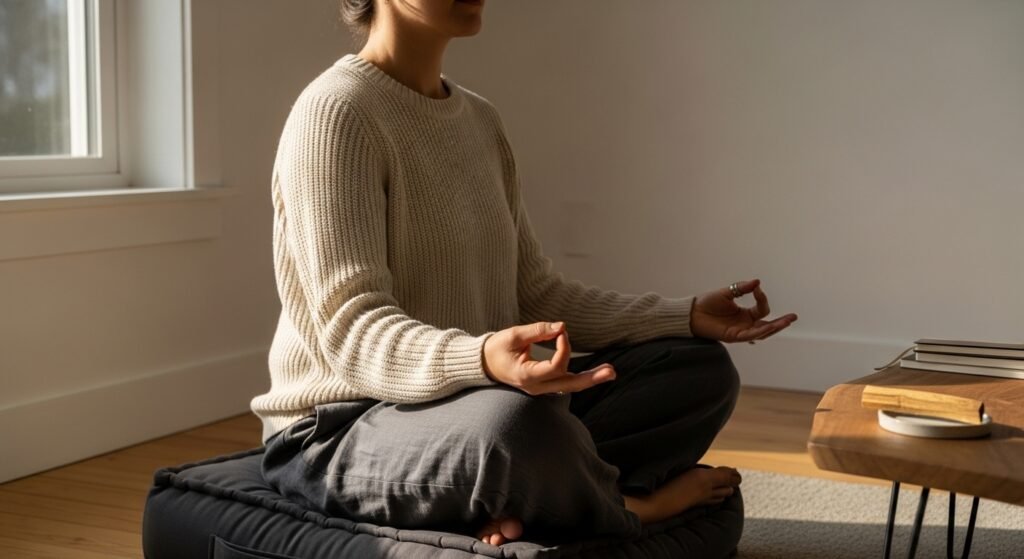
Requires you to select a neutral term which you will then repeat silently throughout the day. The mental practice provides the mind with one focal point which reduces cognitive load because it stops users from experiencing mental fatigue from handling multiple tasks.
Zen Breath Awareness (Anapanasati)
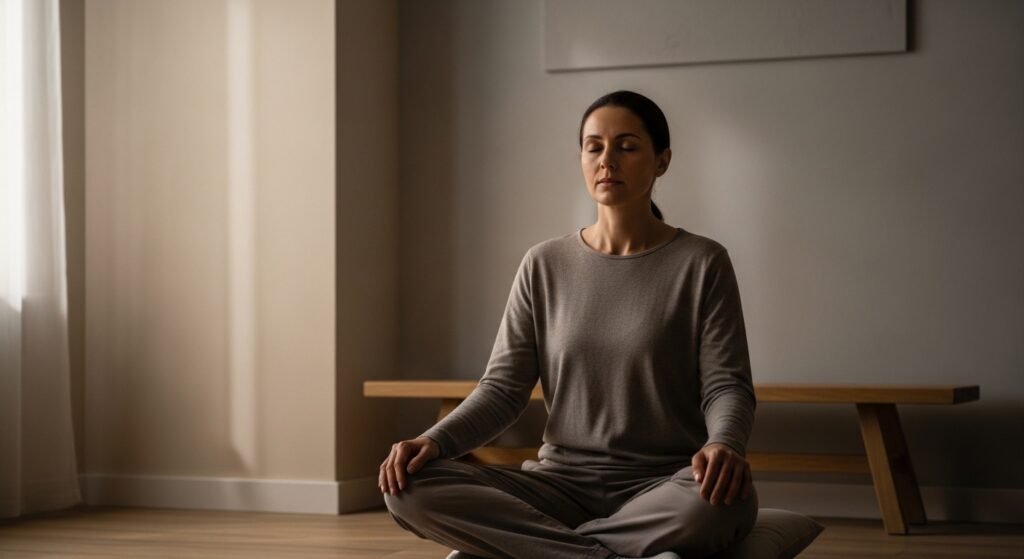
Requires you to concentrate entirely on the breathing pattern which brings air into your nostrils and takes it out again. The method enables users to practice daily because it simplifies the process while enhancing their focus abilities and reducing their overstimulation fatigue.
Morning Gratitude Reflection

Requires you to create a list of three things that you appreciate before leaving your bed. The practice establishes a positive mindset in the brain which produces dopamine to energize your body for the day ahead.
Progressive Muscle Relaxation (PMR)
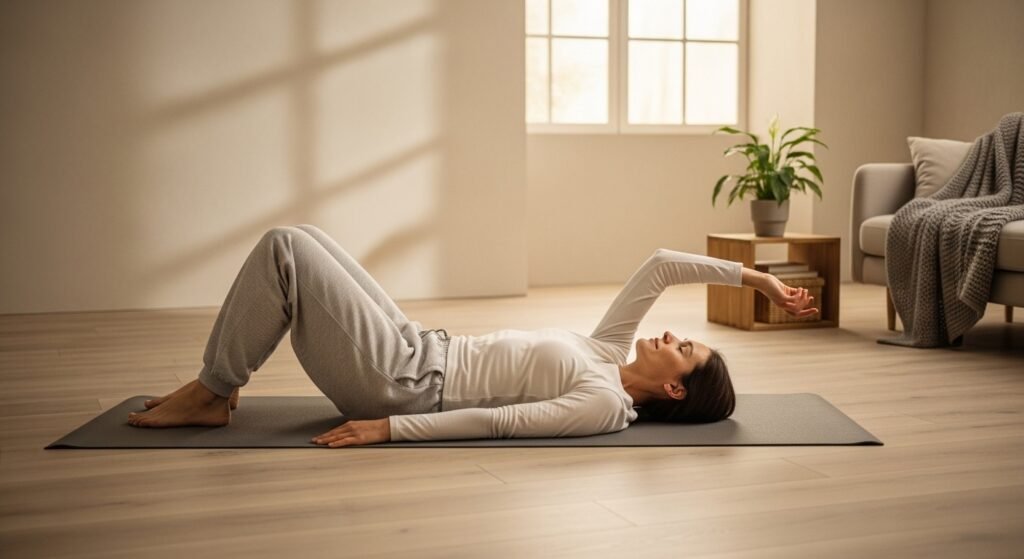
Requires you to start with one muscle group and then proceed to tense all the following muscle groups before releasing all built-up tension. The exercise helps the body understand when to experience tension and when to experience relaxation so people can remain in a relaxed state during their work duties.
Open Monitoring Meditation

Requires you to sit down and watch your thoughts which should be treated as clouds that move through the sky. The practice helps you manage overwhelming thoughts because it enables you to maintain your emotional resources.
Digital Fasting Meditation
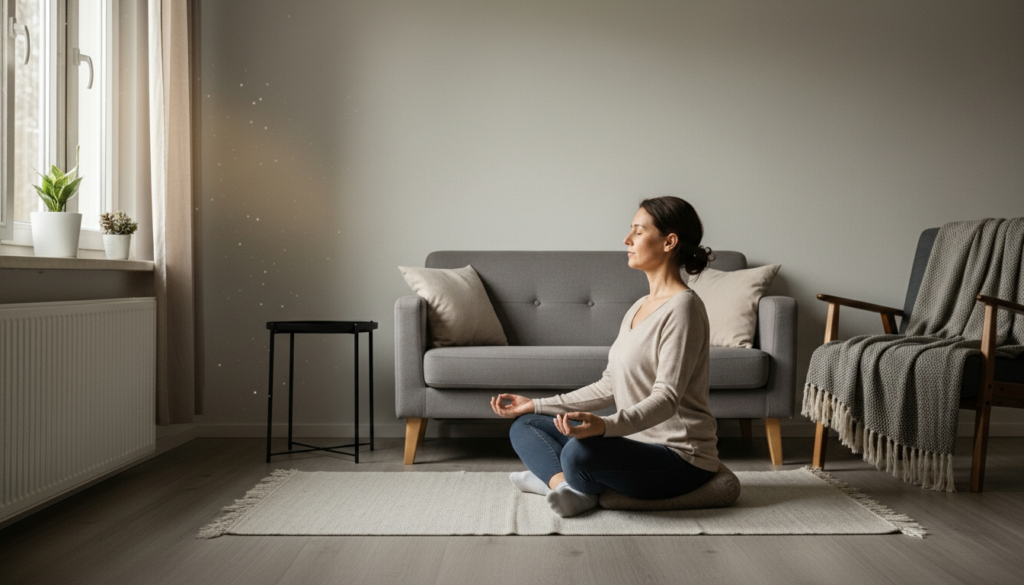
Requires you to set a ten-minute timer and then sit quietly without any screen devices in your range of vision. The practice helps you end your constant notification checking habit which creates a dopamine loop because it enables your body to restore its natural energy status.
