
Collagen is that protein in the human body in its maximum abundance and very much the structural “glue” for skin, bones, and joints, as well as connective tissues. While natural production declines with age, leading to wrinkles and joint stiffness targeted nutrition can effectively stimulate and protect your collagen stores. By consuming the specific amino acids, vitamins and minerals required for collagen synthesis, you can maintain youthful elasticity and joint health from the inside out.
Marine Collagen from Fish

The skin and bones of fish have this marine collagen that is easily bioavailable and superfast absorbed. Plus, the omegas from fish-such as the omegas-3-mitigate the inflammatory response, so the current fibers aren’t degraded early.
Egg Whites

They do not contain collagen, but egg whites are said to be absolutely high in proline. This is one of the three primary amino acids upon which one’s body relies to build new protein structures via collagen synthesis.
Citrus Fruits
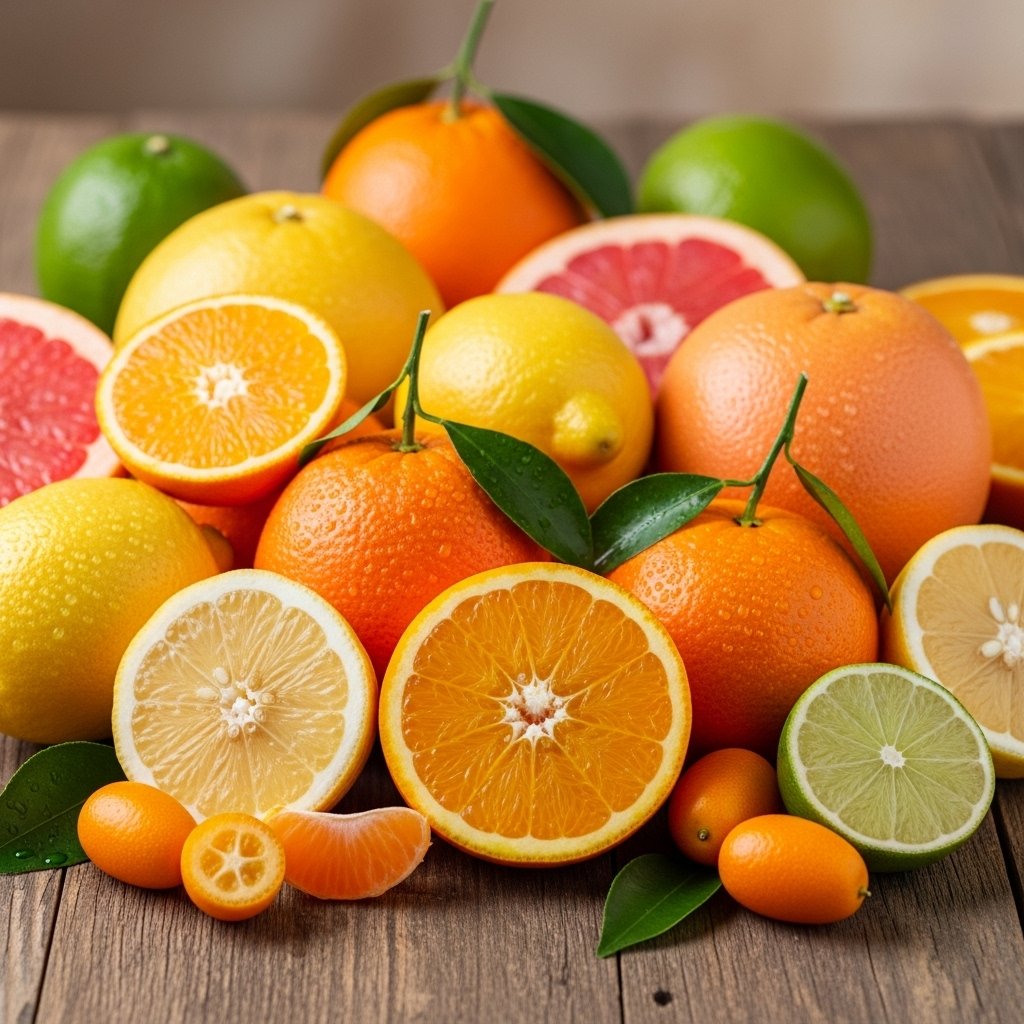
Vitamin c is the most important catalyst for collagen production. Fruits such as oranges and lemons are basic because Vitamin C binds amino acids so as to form stable collagen fibers; without it, the body cannot create collagen.
Berries
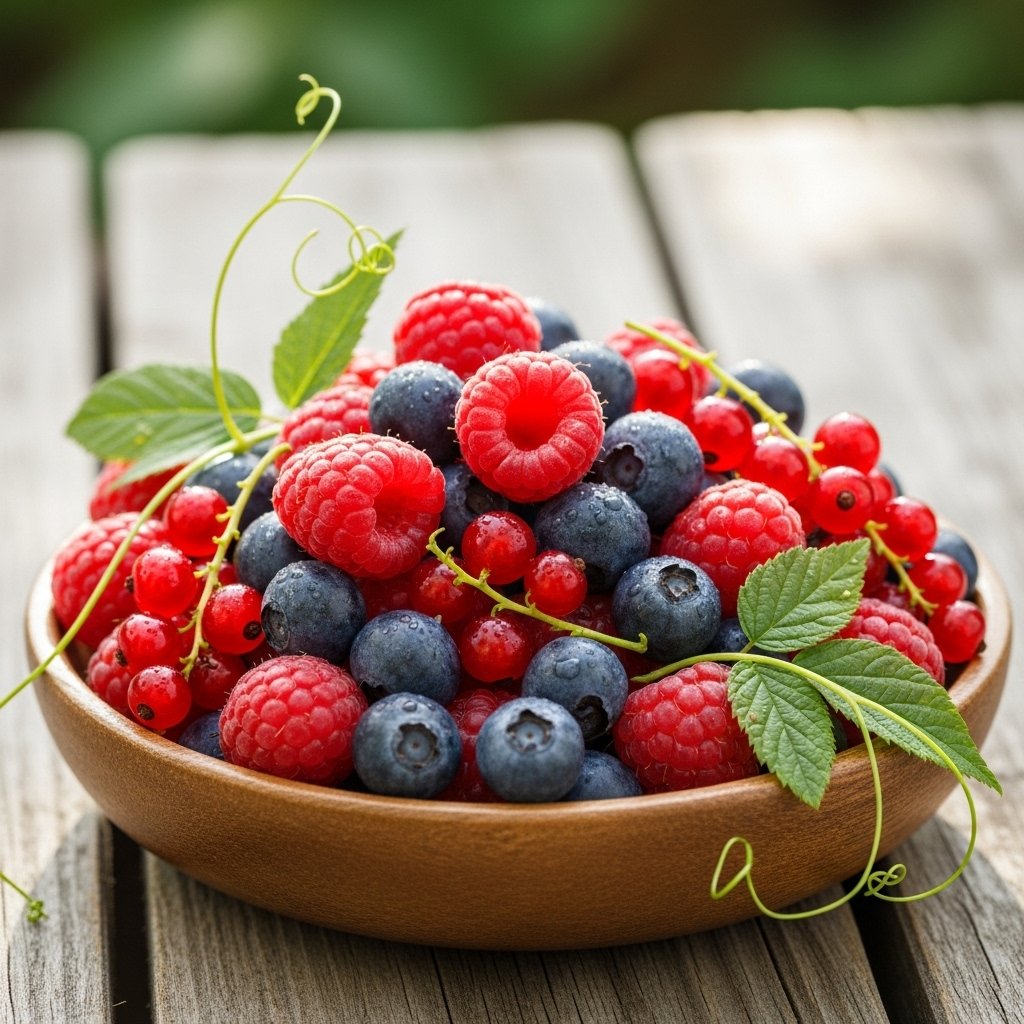
Strawberries and blueberries contain Vitamin C together with strong antioxidants; with these, they act as a protective shield of the possible damage or destruction to the structural integrity of the skin, as far as UV, pollution, and oxidative stress are concerned.
Nuts and Seeds
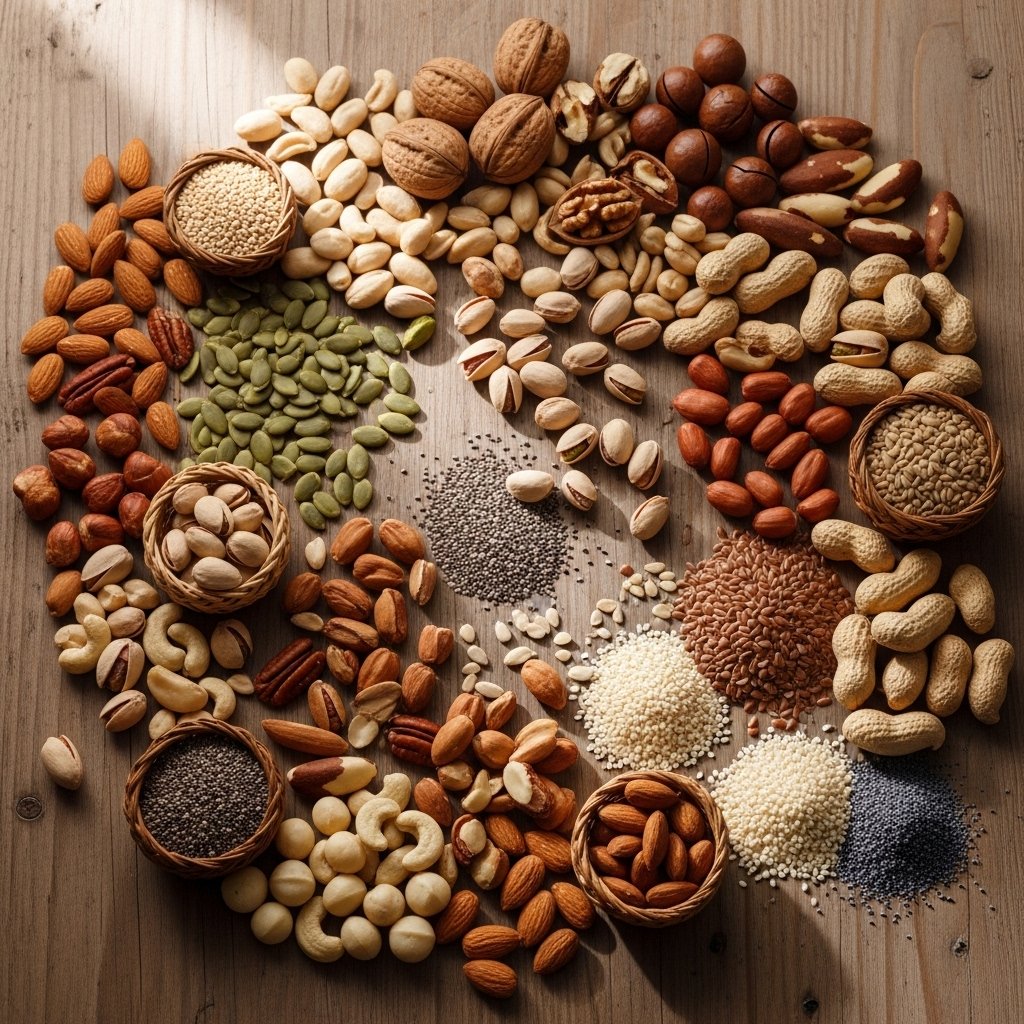
Almonds and pumpkin seeds deliver zinc and copper. These are excellent minerals, which are cofactors in collagen formation and yet healthy fats keep the skin hydrated to augment the visible effects of a healthy collagen.
Tomatoes
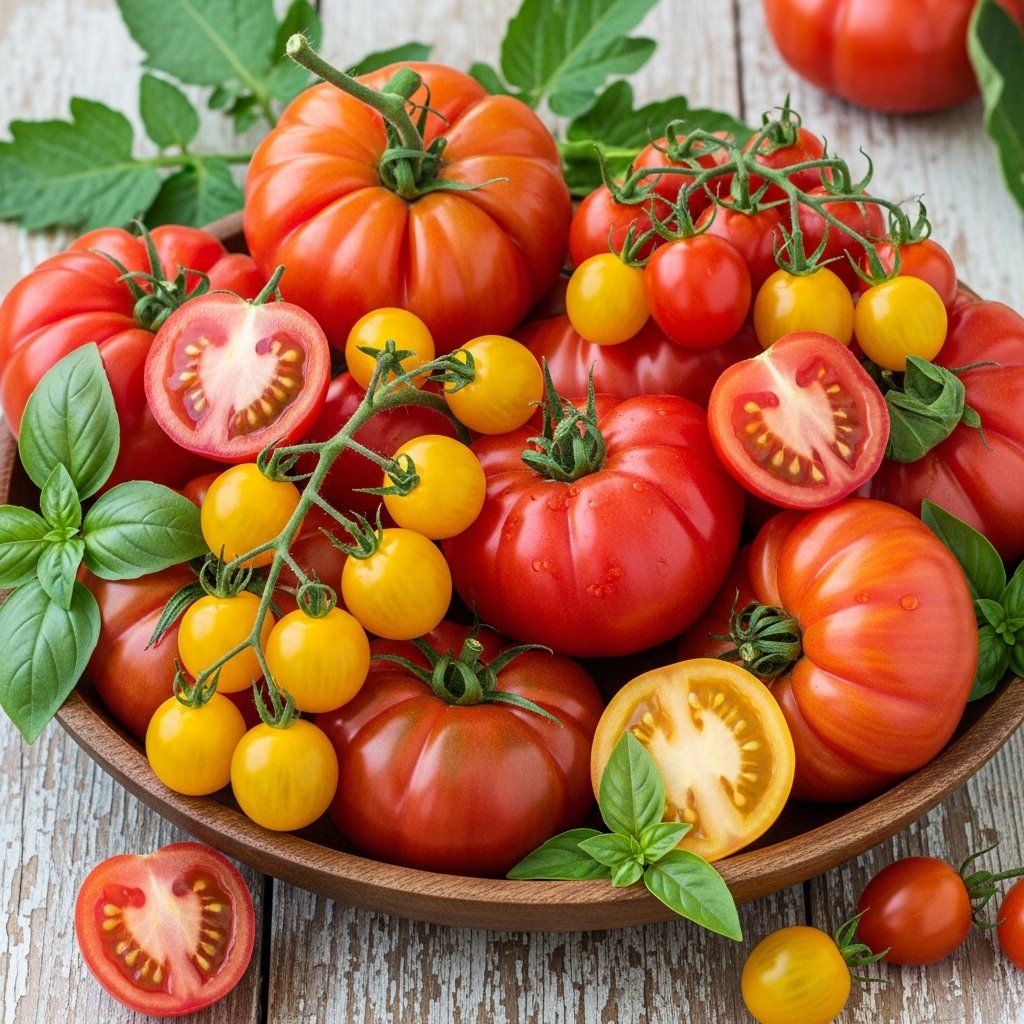
As well as being major sources of lycopene as an antioxidant, tomatoes protect the skin from within. The specific action of lycopene is to fight damage from UV light, which is the leading bane of collagen loss in the face and neck.
Dairy Products

Proline and glycine can be gleaned in steady amounts from both of these products, as well as calcium and Vitamin D which partner well to maintain the health of bone density and connective tissues in concert with collagen.
Avocados
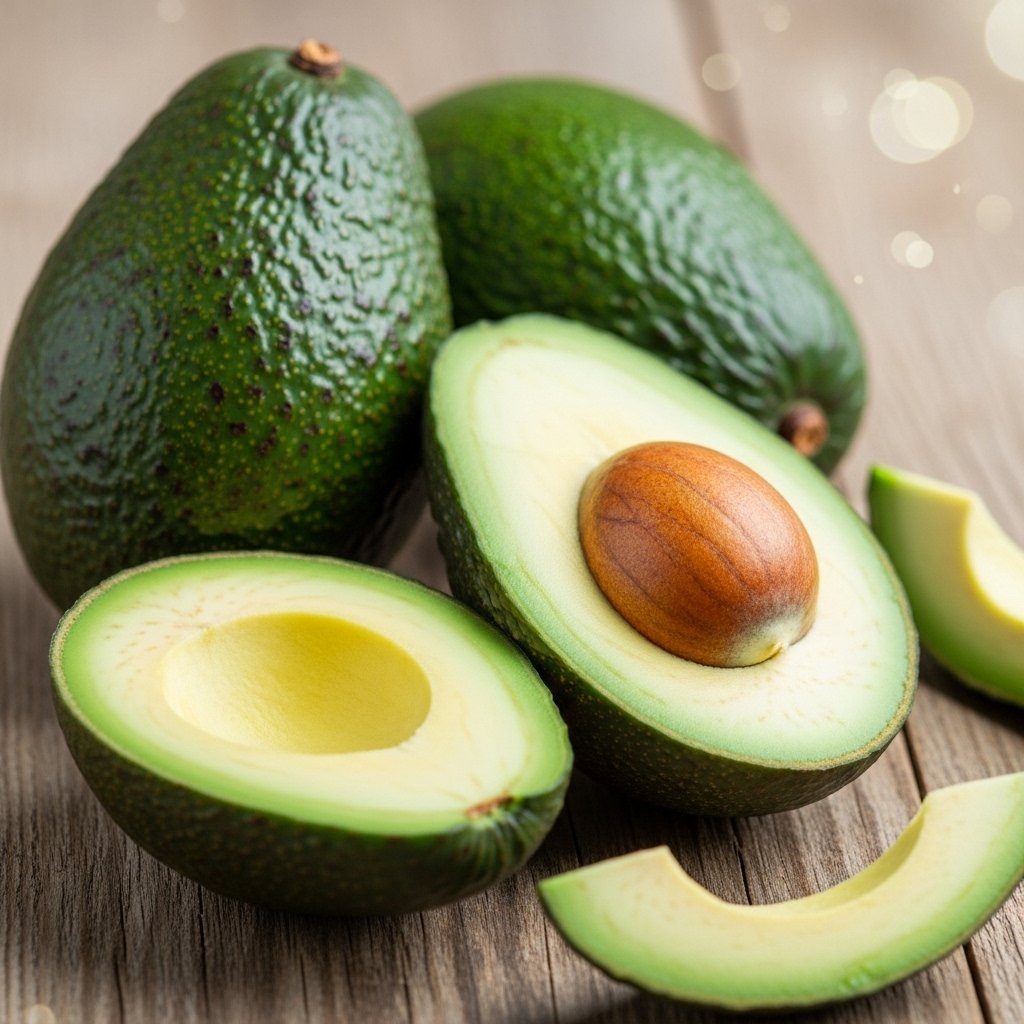
Rich in Vitamin E and healthy fats, avocados say one thing: Vitamin E is one such amazing antioxidant protecting collagen from oxidation and, together with the healthy fats, ensures the skin’s lipid barrier is supported for a well-glowing effect compared with a hydrated complexion.
Bone Broth
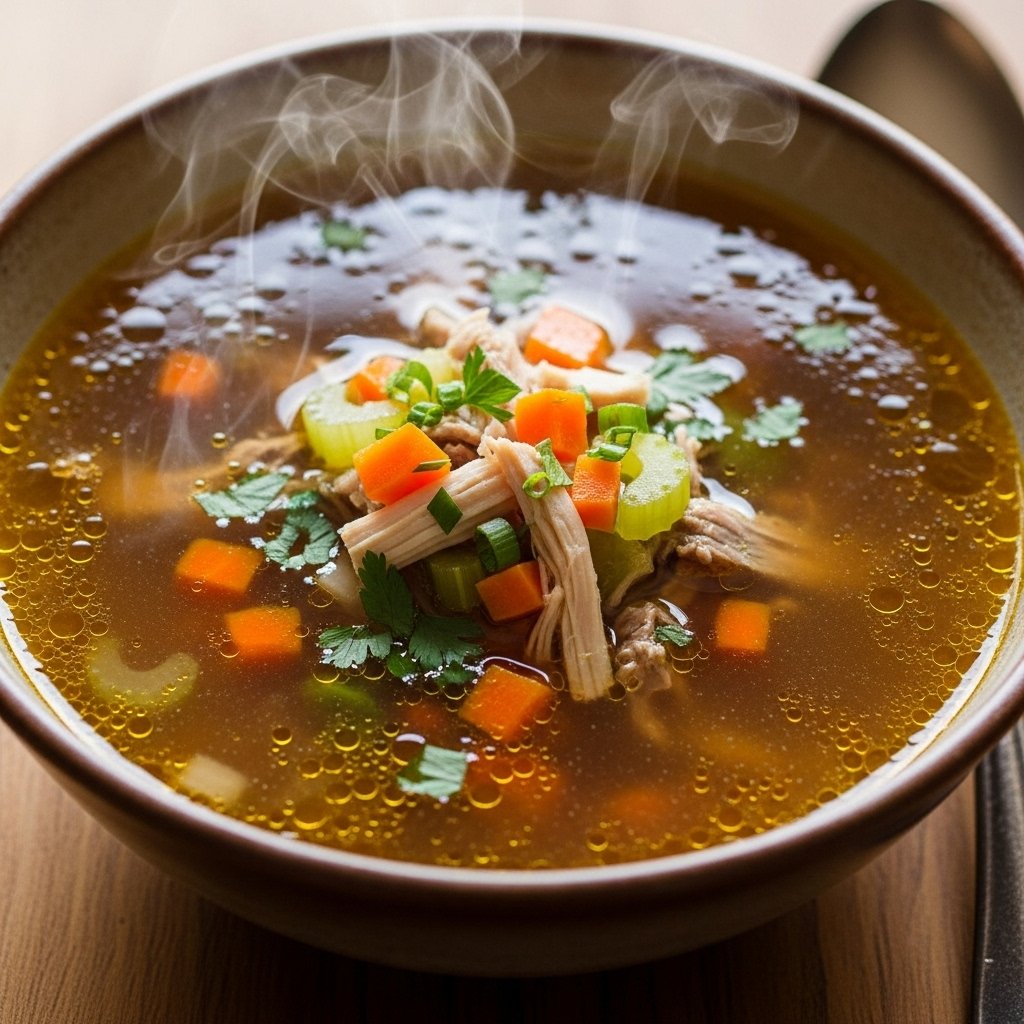
Bone broth is, hands down, such a premier dietary source of collagen. Boiling bones and connective tissue releases gelatin and amino acids like glycine and proline-all perfect source materials for skin and joint repair: just the substance that you need right now!
Poultry (Chicken and Turkey)
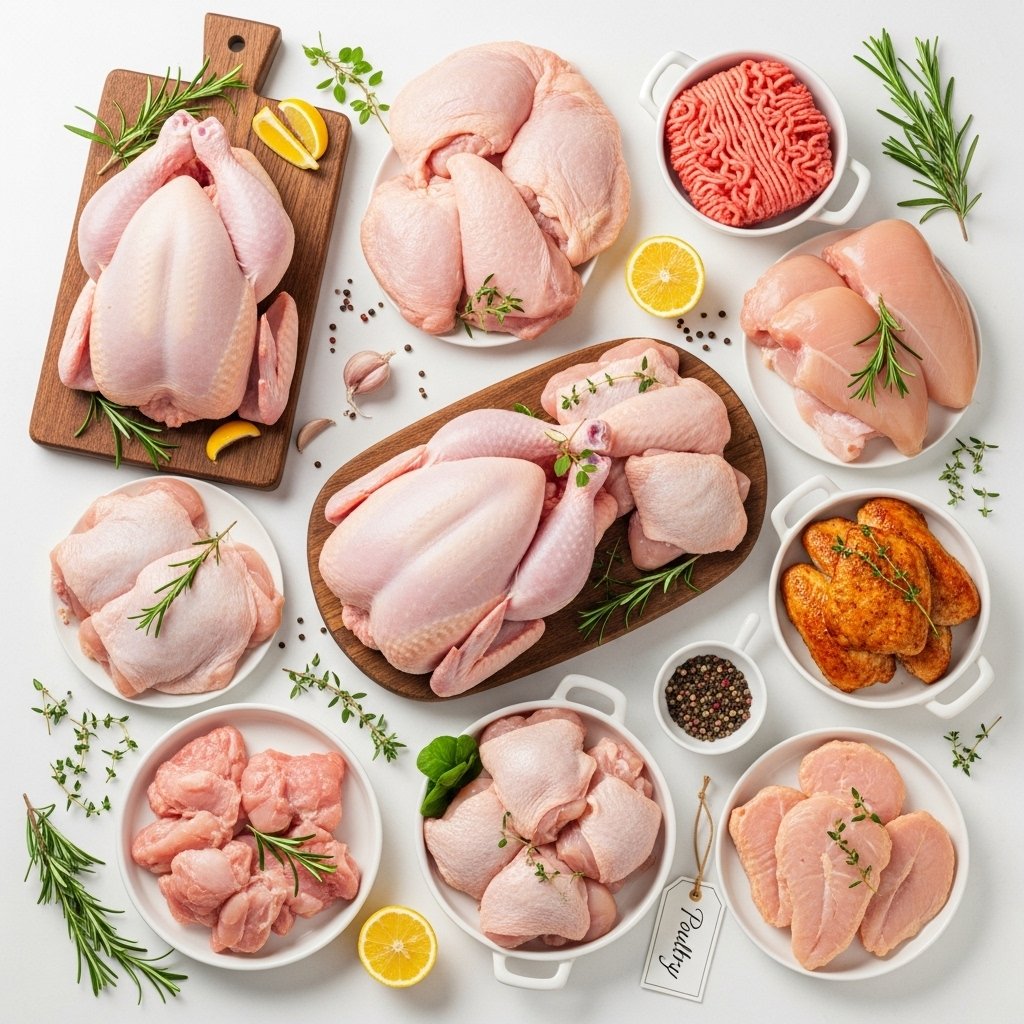
Chicken is an excellent major nutrient source of amino acids which form the basis of collagen. Eating poultry – especially skin and cartilage parts – gives you the necessary proteins from connective tissue to give firmness to the skin and cushioning in joints.
Bell Pepper
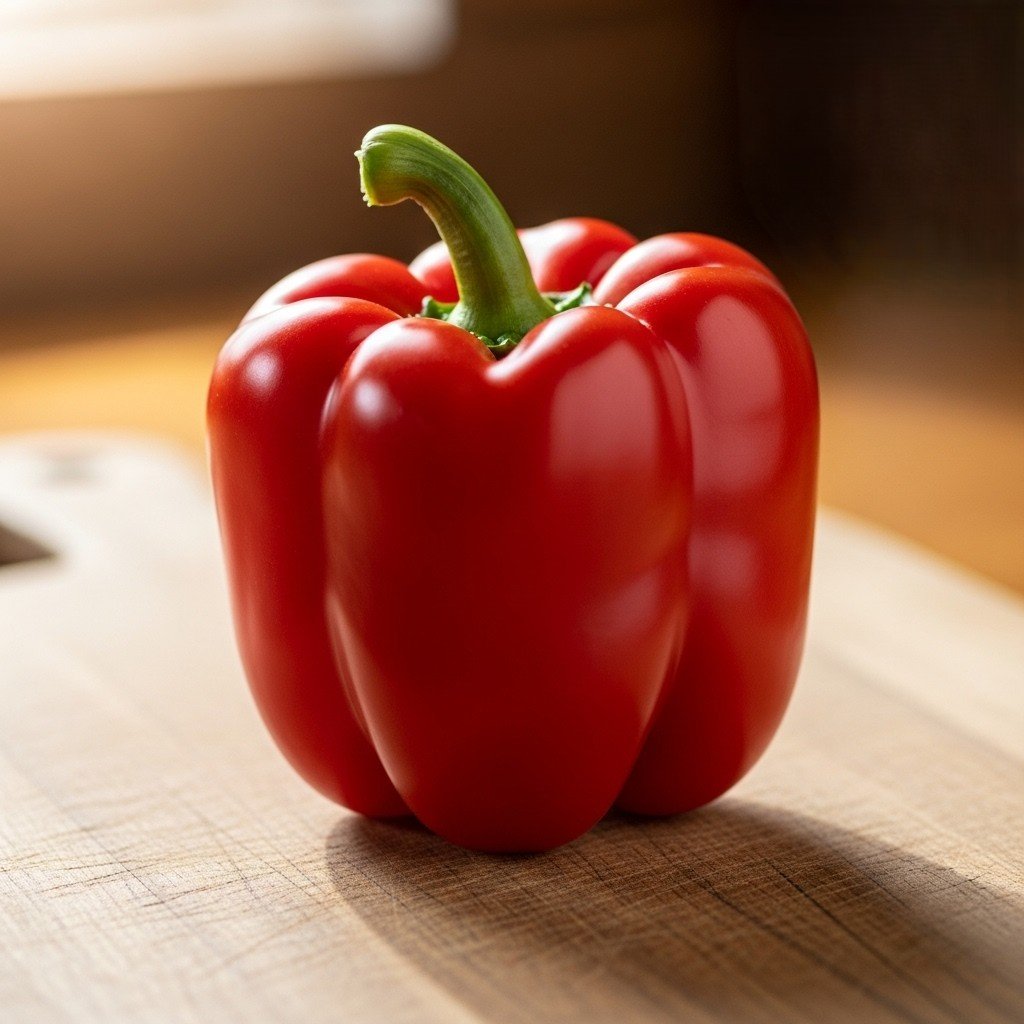
Red and yellow bell peppers are also very high in Vitamin C as much as most citrus fruits, as well as carotenoids that help protect the skin from being damaged by the sun, thus preventing any degenerate effects on the collagen already present.
Garlic
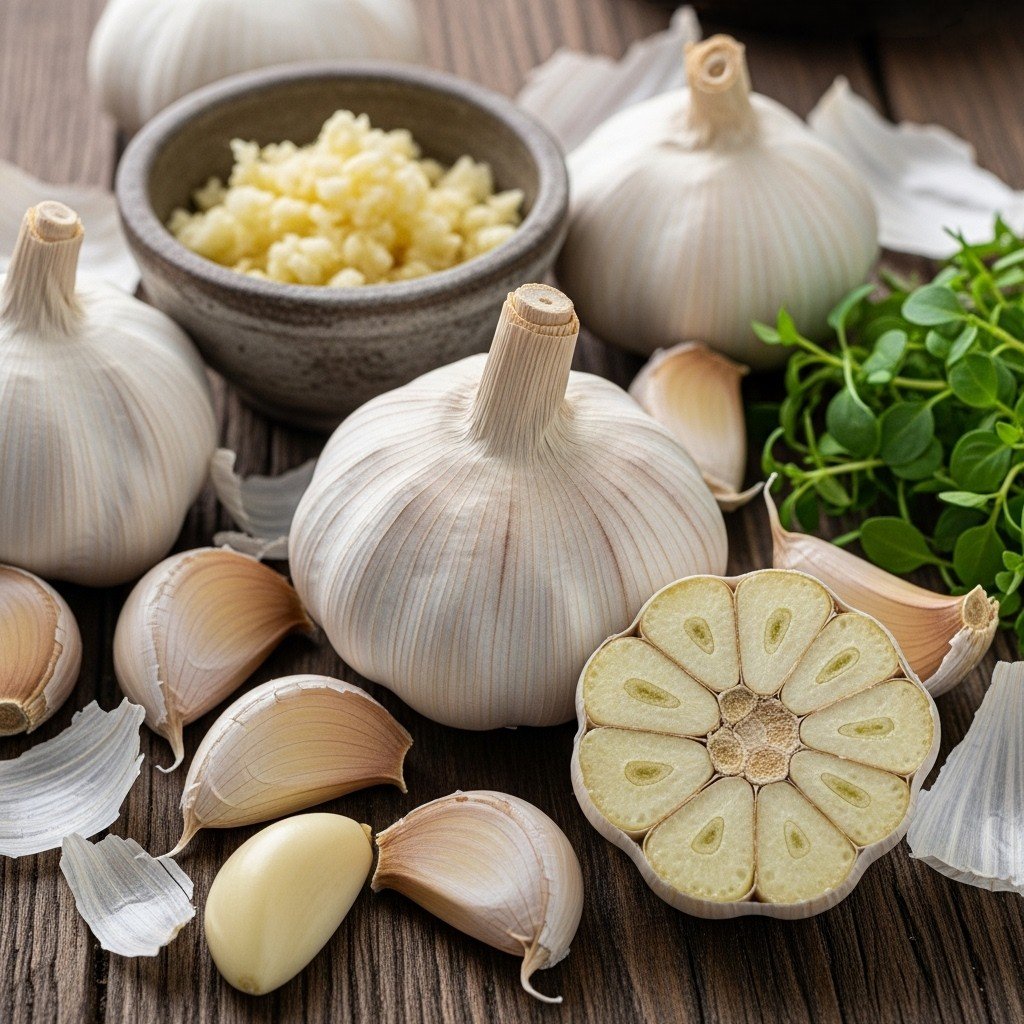
When it comes to its sulfur content, garlic is rich and well-known as a trace mineral needed for collagen synthesis and stabilization of structures. Sulfur also works to prevent degrading connective tissues to keep them elastic as we age.
