
The potato Solanum tuberosum is frequently misunderstood because people usually prepare it by frying it with high-fat and high-sodium ingredients. The human body finds the entire potato plant to be an economically viable system which delivers essential nutrients for human consumption. The complex carbohydrate sustains glucose production which humans need for both cognitive and physical activities. The potato contains advanced nutrients which include vitamins and minerals which work together to create a comprehensive system for human body health. The nutritional value of unprocessed potatoes enables people to select it as a wholesome food solution which delivers their body essential nutrients at an affordable price. We need to investigate how the tuber chemical composition interacts with human body systems so we can understand its importance as a permanent dietary foundation which supports good health throughout life.
Electrolyte mastery via potassium

A medium-sized potato contains roughly 600mg to 700mg of potassium which significantly outpaces the banana. The body requires this high concentration because the sodium-potassium pump needs it to control fluid balance and prevent muscle cramps and regulate healthy blood pressure by reducing blood vessel wall tension. The Satiety Index Benchmark The highest Satiety Index score in clinical studies belongs to boiled potatoes. The food’s high volume and water content create stomach expansion which triggers fullness signals to the brain that activate hormones which control appetite.
The Mechanics of Resistant Starch
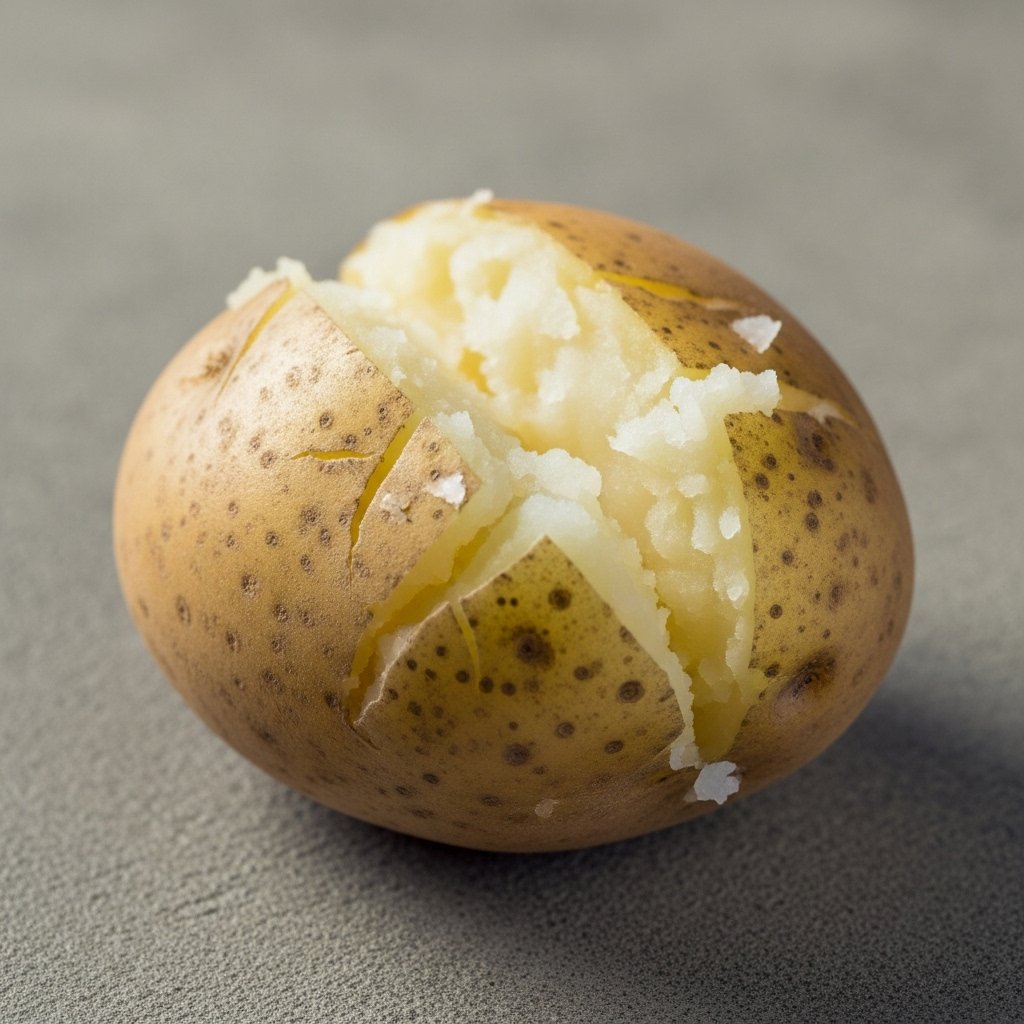
Potatoes undergo a cooking process which leads to a cooling process which creates resistant starch through retrogradation. This type of fiber bypasses the small intestine and ferments in the colon producing short-chain fatty acids which include butyrate that nourish the gut lining and improve metabolic health.
Managing Glycemic Load with Food Pairing

While typically associated with citrus a single potato provides nearly 30% of the daily value of Vitamin C. The antioxidant functions as a vital cofactor which enables enzymes to create cross links between collagen fibers that form the skin and tendons and bone matrix. The Glycemic Index of a potato measures high yet its Glycemic Load shows moderate effects on blood glucose levels. Protein and healthy fat (like avocado) consumption lead to digestion rate decline which results in energy sustained release into the bloodstream.
Potatoes contain a rich source of vitamin B6

Which plays an essential role in transamination reactions. This vitamin serves as the essential element which enables serotonin and dopamine production plus melatonin synthesis for regulating sleep patterns.
Fiber Partitioning and Digestive Health
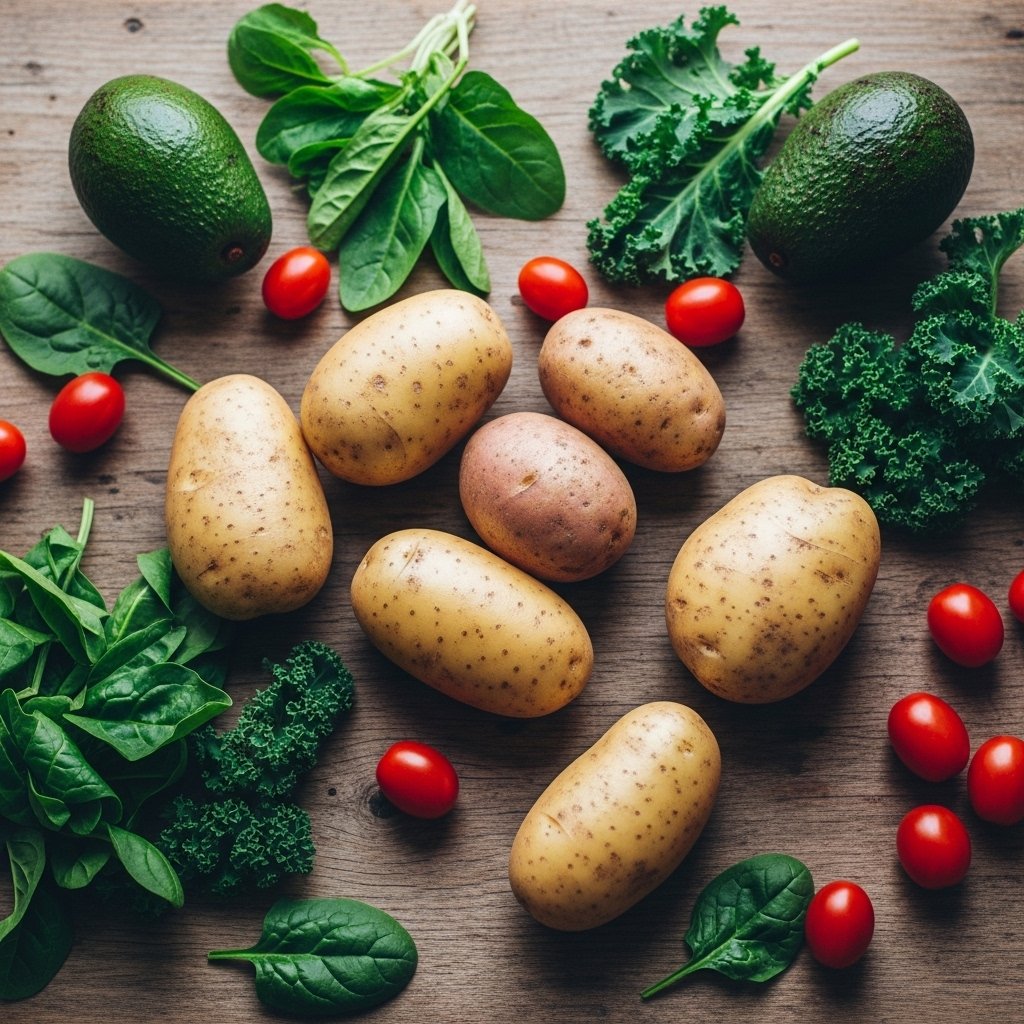
A whole potato provides approximately 4g of dietary fiber which mostly exists in the potato’s skin area. The insoluble fiber component increases stool bulk while accelerating colon transit time and the soluble fiber from potato flesh controls cholesterol levels through its bile acid binding capacity.
The mineral magnesium found in potatoes

It supports bone health because 60% of the body’s magnesium supply exists in the bones. The combination of magnesium with calcium and vitamin D protects bones from loss while strengthening the skeletal structure of the body.
The potato remains a high-value nutritional

Asset for low-cost dining because it competes with expensive superfoods in the current market. Practicing self-kindness includes reducing the financial stress of healthy eating; the potato provides a wealth of micronutrients that are accessible to nearly everyone.
Copper provides trace amounts in potatoes
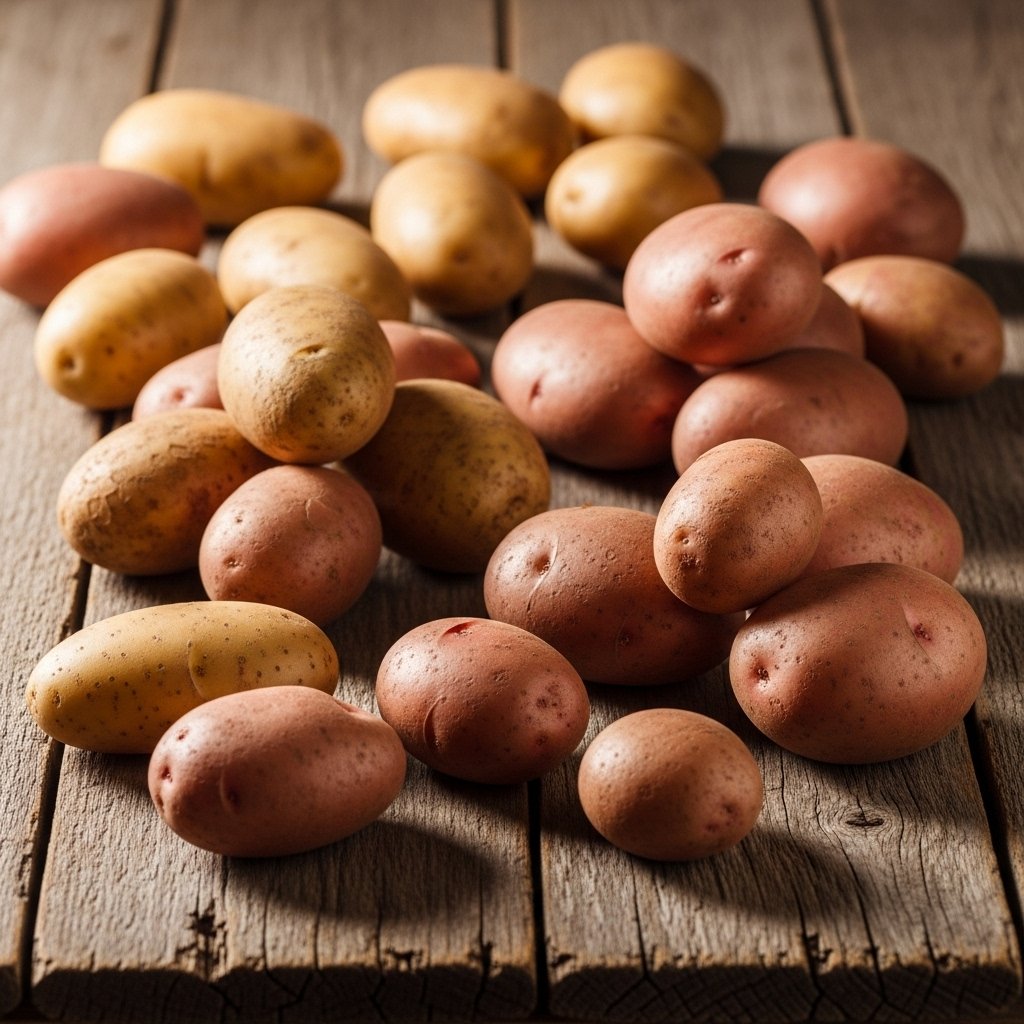
Which supports iron metabolism within the body. Body systems require copper for enzyme activation which allows iron absorption to occur leading to hemoglobin production and anemia prevention. Potatoes contain small but meaningful amounts of choline. Acetylcholine which connects to memory and muscle control functions originates from this nutrient while it simultaneously forms phospholipids which restore cell membrane integrity.
