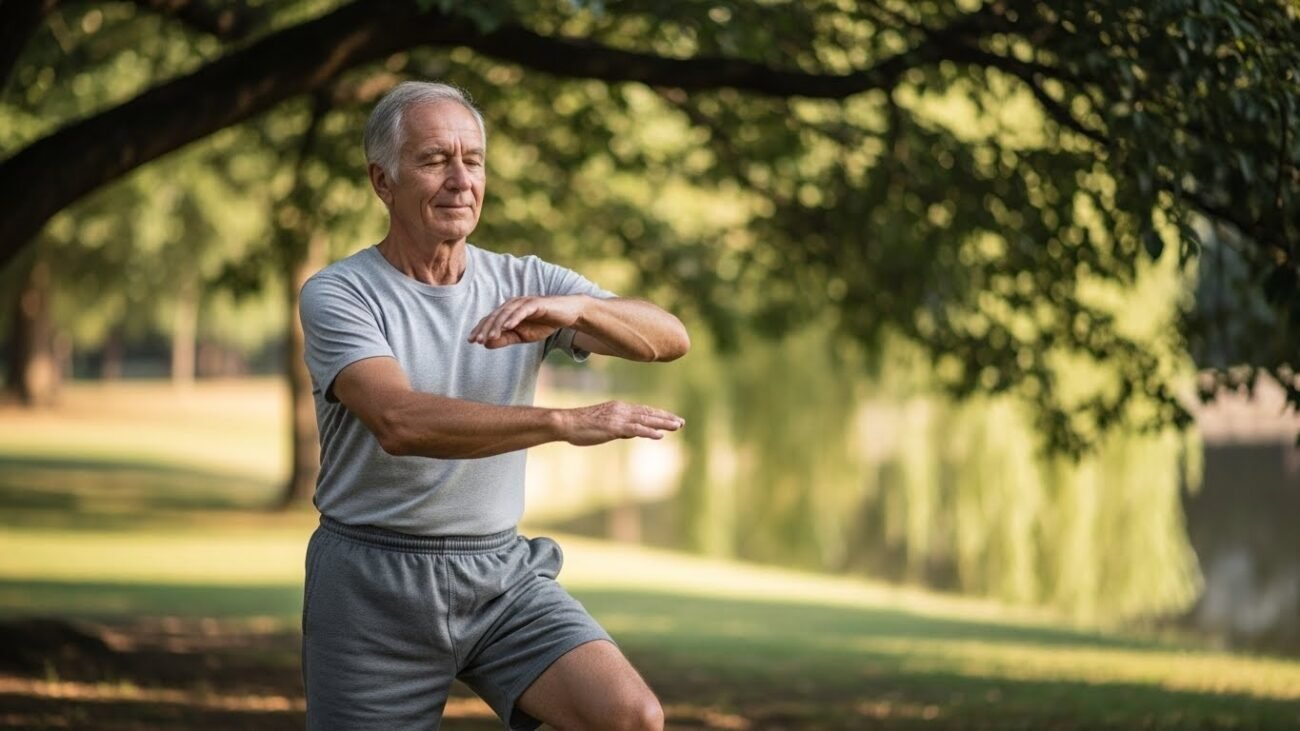
Healthy aging does not argue with gruelling exercises; it, however, argues for a smart & consistent plan that’s adjustable to the changing needs of the body. When one pays attention to the healthy way of movement “smarter”—strength, cardio, balance, and flexibility combined—the heart, bones, and mind are protected, minus the risk of injury. As we get older, physical activity shifts from pure training to what it ought to do-for instance, keeping us independent, keeping our brains healthy, and keeping us alive.
Take Small Bouts to Make Great Time

You really do not need long blocks of time to get benefits. Ten or 15 minute bouts of activity accumulated throughout the day are just as effective for metabolic health. This exercise snacking helps when you are busy or not motivated.
Make Strength Training Mandatory
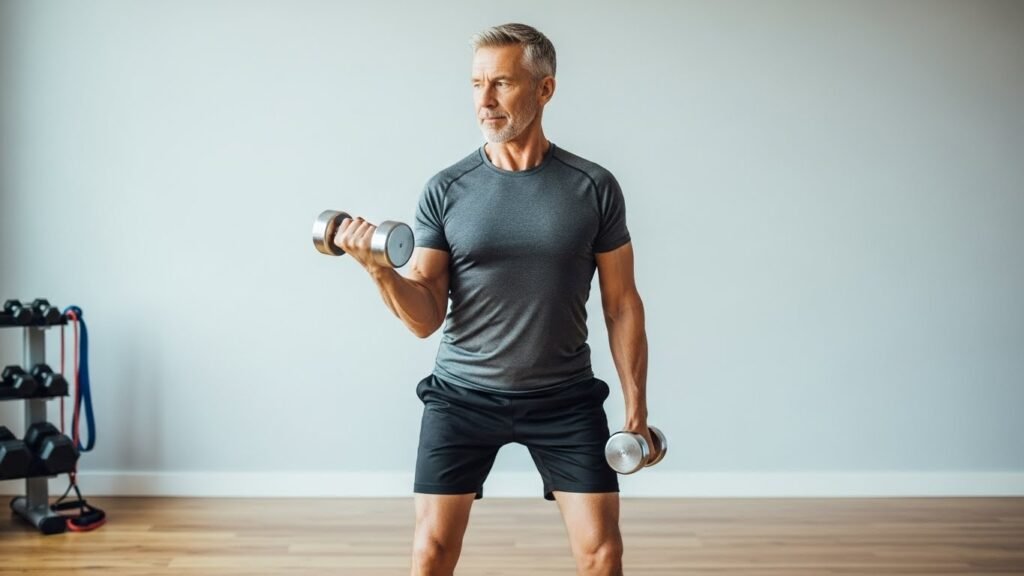
Muscle mass decreases with aging in a process called sarcopenia. Preserving muscle tone with light weights or resistance bands 2-3 times weekly helps metabolism and protects the joints from chronic pain through a sort of sleeving effect.
Spend Some Minutes Stretching Out Every Day for Joint Mobility
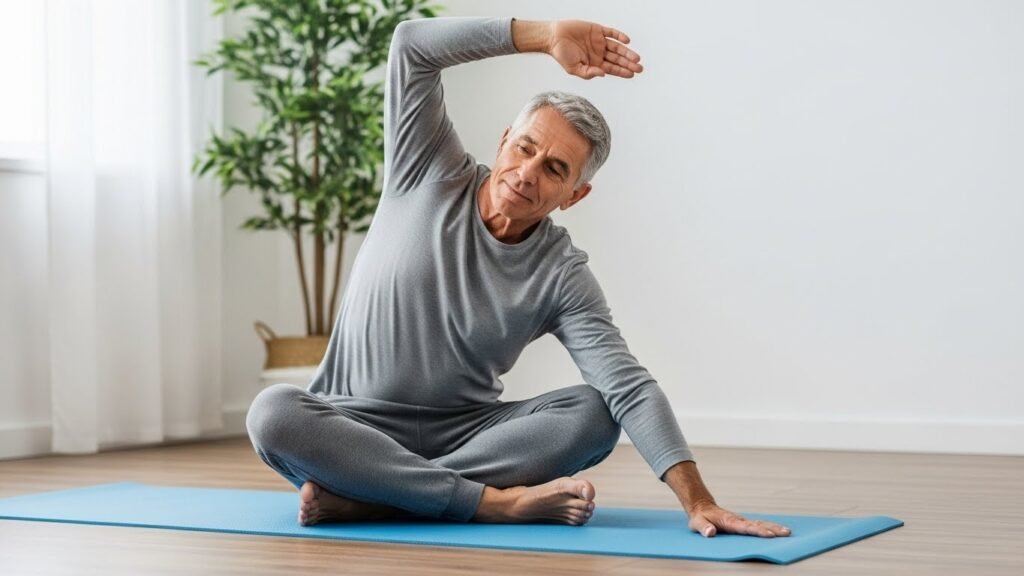
Flexibility promotes range and is often touted to ward off stiffening, which is linked to real aging. Give five to ten minutes gently stretching every day. The notion is to keep the muscles long and pliable, thereby allowing the joints to work through their intended full range pain-free and without compensatory movements.
Choose Less Stressful Forms of Cardio

Swimming, rowing, and the elliptical are all great options that, while skilfully kind to knees, hips, and spine, will treat cardio right. These forms provide great cardiovascular benefits with significantly lesser trauma than running and can thus be adhered to for the longest period.
Allocate More Recovery Time
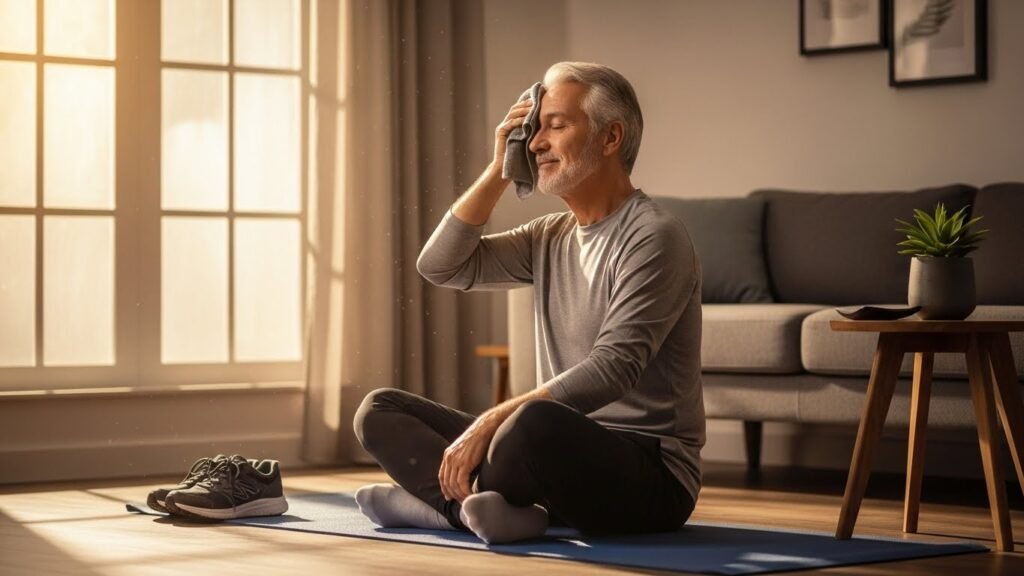
Repairing aged tissues requires longer durations. Recovery days allow muscles and the nervous system to adapt to the stress of their subsequent activity. Actively prioritizing rest and sleep will help when returning to workouts, rather than being just plain exhausted.
Shift the Intensity According to the Energy of the Day

Listening to your body and adjusting to how you feel is referred to as “Autoregulation.” Some days you may feel strong; some days your body may only need a gentle walk. The freedom of choice keeps burnouts away while allowing the person to listen to their overtraining signals.
Pain Is a Signal to Stop

Learn to know the difference between the kind of burn that goes with working muscle versus sharp joint pain. Pain is your cue to change or not do that activity at all. Aging gracefully requires exercise that is challenging without creating inflammation or injury.
Success Knows No Absolution

The best exercise is the kind that you can maintain for decades. Perfection is the enemy of longevity; instead, adopt a “good enough” routine that is enjoyable and realistic. Long-term consistency is the one most important factor for healthy aging.
Include Dedicated Practice of Balance
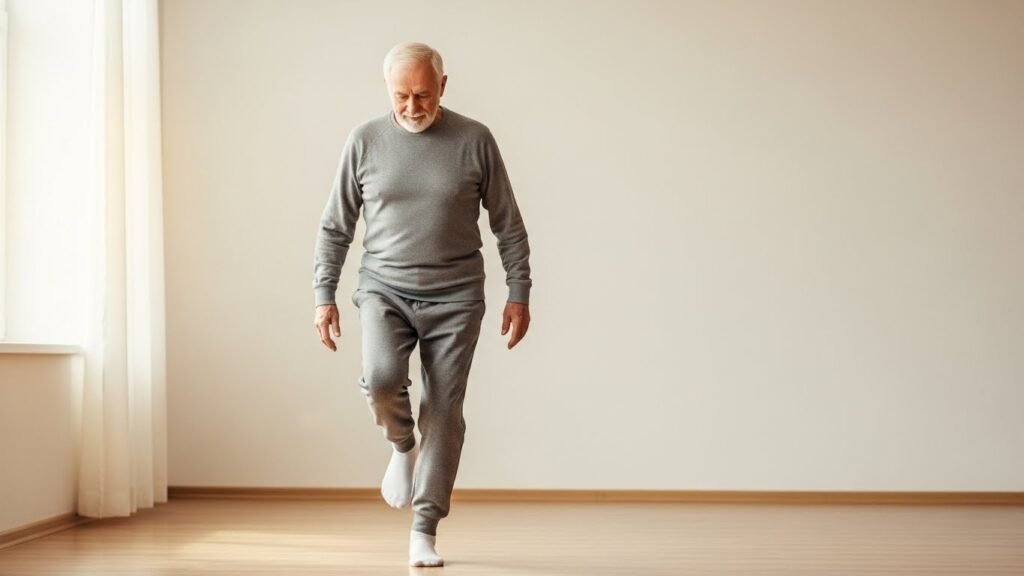
Include time for daily practice of simple balance exercises ranging from standing on one foot to walking heel-to-toe, as age has an affinity to take its toll on balance naturally. In addition to that, falls are serious elements of healthy aging prevention.
Keep Mental Health High on Your Priority List

Exercise is one of the best ways to add freshness to one’s brain, memory, mood, and de-stressing. Even light movement gets the blood pumping to the brain. The focus of such cognition will give you something to hold on to in cases when you think physical results are slow.
