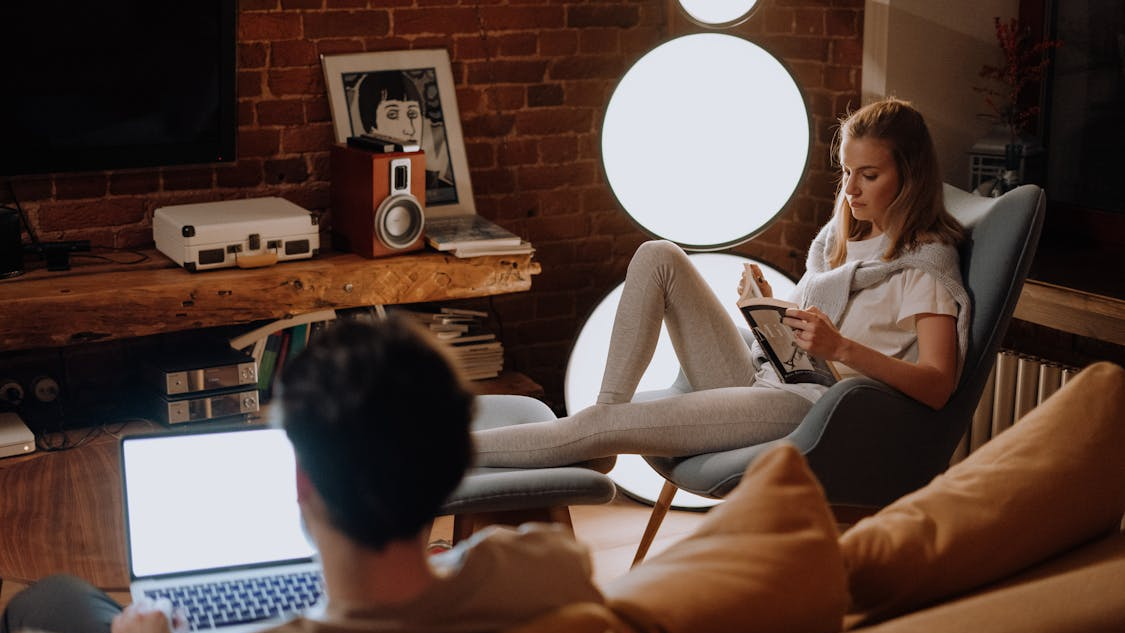
Contrary to popular belief, the new trend sweeping across Generation Z is neither a therapy session nor any costly wellness practice but a combination of extreme comfort and ironic slow life in online digital subcultures. This approach to burnout rejection is referred to by various names, such as “bed rotting” and “soft living.” As opposed to the hustle culture of the 2010s, this lifestyle embraces extreme relaxation, which does not require spending anything. In addition, the young generation prefers to be completely idle and do nothing. Here are 9 innovative ways for Generation Z to unwind:
Bed Rotting as Radical Inactivity
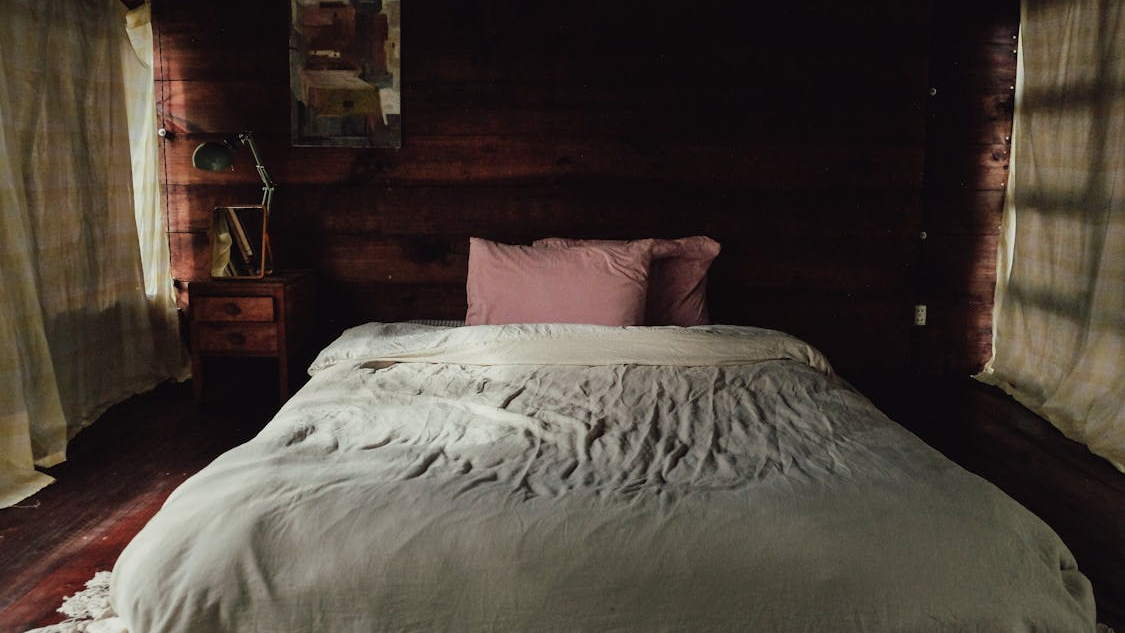
Far from being used only as a place to sleep, bedrooms are now occupied by Gen Z for leisure activities during weekends. “Bed rotting” refers to staying in one’s bed for the whole day and consuming various products without getting up from the mattress. It is viewed as a direct counteraction to hustle culture.
Romanticization of the Boring

Today’s relaxation technique is to elevate common, tedious tasks to the level of a high-budget film production. Generation Z shoots themselves preparing iced coffee in the morning or folding clothes with specific lighting, a lo-fi soundtrack, and a camera angle, thus transforming an ordinary process into something enjoyable to watch as a form of meditative activity.
Digital Detox by Switching to Dumbphones

To break free from the non-stop dopamine hits produced by social media, people turn to using retro flip phones or minimalist e-ink devices with limited functionality that only allow sending messages and making calls. Such an approach creates a strict separation between one’s real self and the online persona, overwhelmed with anxiety over likes and views.
The Appeal of the Soft Life Aesthetic

Derived originally from the Black influencer subculture but now adopted worldwide, the “Soft Life” aesthetic is defined by its clear rejection of struggle, tension, and harmful productivity culture. To truly embrace the relaxed lifestyle requires embracing comfort, drawing impossibly rigid boundaries at the workplace, and abstaining from any scenario that involves emotionally taxing participation.
Ambient Visual-Acoustic Zones

The new Gen Z does not rely on white-noise machines anymore. Their relaxation routine includes listening to ten-hour-long ambient sounds from YouTube channels such as “Lo-fi rain in a medieval library” or “Ambient sounds of the Starship bridge” all day while being located in rooms illuminated only by color-shifting LED strips or sunset lamps.
Silent Walking

Gen Z members no longer wear headphones, listen to music, or listen to podcasts when going out for workouts. Silent walking implies that the person needs to disconnect fully and immerse themselves in natural or urban acoustics alone, which proves to be one way for young people to practice mindfulness amid audio-overstimulation.
Micro-Doses of Loneliness and Ghosting

Skipping plans for weekend parties to simply spend time at home alone, once considered antisocial or erratic behavior, is now recognized as essential self-care. Gen Z freely discusses and accepts the joy of simply relaxing and “recharging one’s battery” without having to feel any guilt that was previously associated with this action.
Sensory Pleasure in Media Consumption
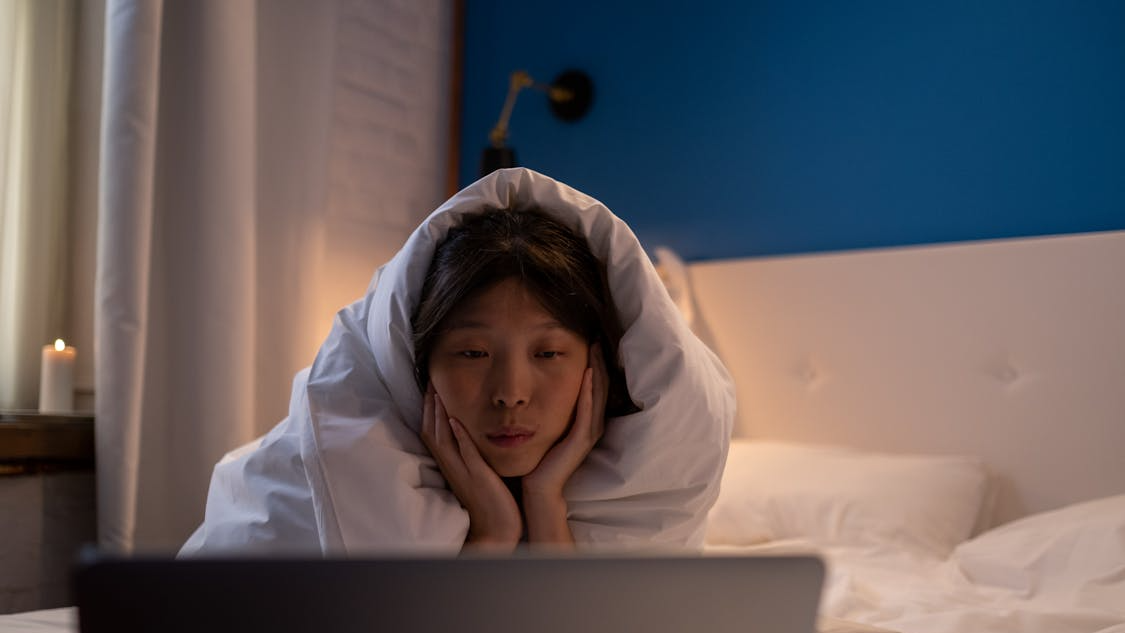
Speaking of media consumption, entertainment is often replaced by “oddly satisfying” videos. Millions watch hydraulic press crushing videos, people cutting kinetic sand, or power washing videos. These videos need no intellectual investment and evoke feelings of relaxation through repetitive movements that soothe and lower heart rates.
Practicing Quiet Quitting for a Mental Reset

Gen Z doesn’t need any time after 5:00 PM to relax. Rather, they find ways to relax during work hours, too. With the help of quiet quitting, doing only their jobs to the letter without putting in even an ounce of extra effort gives them peace of mind during working hours.
