
But changing the purpose of exercising from calories burned to mental and emotional healing helps change what might seem like just a task into something deeper, such as self-care through a walk. With purposeful intention, one changes what it means to walk because instead of being about counting steps and reaching heart rate goals, it becomes an opportunity to heal and rest your brain. In place of burning calories and working out, your walks can serve as an oasis for your nervous system to come back to center in your life.
Leaving Your Smartwatch Behind

By choosing to leave your smartwatch at home or turning off step alerts on your phone, you immediately eliminate all the stress associated with exercising. You free yourself from being judged by the steps you make because your worthiness will not depend on the number anymore.
Deliberately Immerging Yourself into Nature via Your Senses
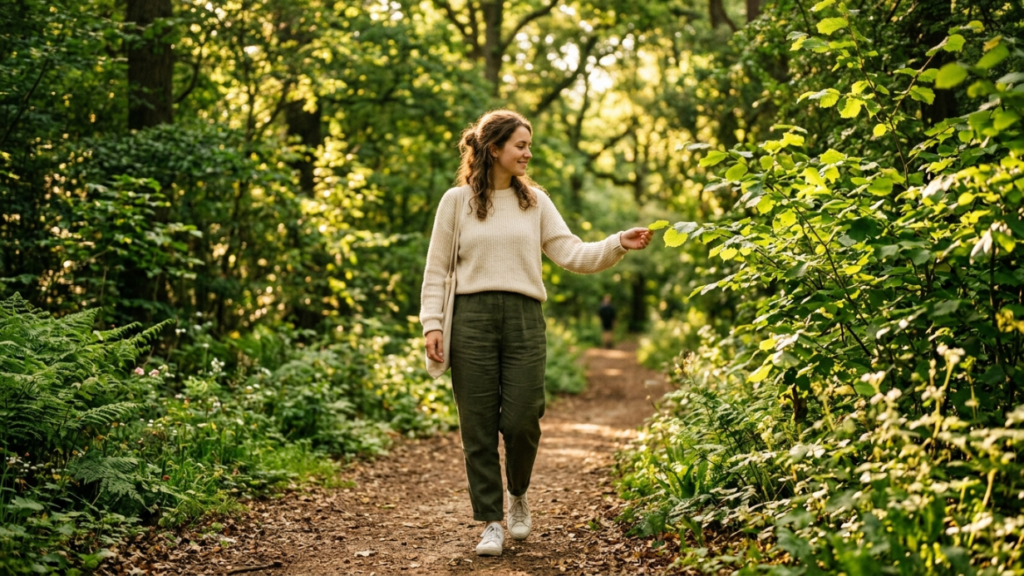
Getting immersed in nature by observing how the breeze blows through trees or leaf geometry involves fractal therapy. The process of visualizing such patterns leads to a decrease in the production of cortisol levels and triggers relaxation in an overly stimulated brain.
Moving on From Work to Personal Time

Employing a walk as a transitional psychological tool for moving on from work-related issues makes it incredibly useful in establishing boundaries. Walking a short loop around the block once you have closed your computer helps to unwind, sort through the day’s challenges, and transition yourself out of “work” mode by the time you enter your house again.
Taking Part in the Practice of “Silent Walking”

In today’s hyper-connected digital world, going out walking without headphones and in silence is a revolutionary thing to do to your mind. In today’s world where you can receive notifications and alerts even while on a walk, walking silently is a wonderful way for your mind to process any wild or unprocessed thoughts.
Looking for Visual Novelty and New Routes

In exercise programs, routine music is usually played to ensure consistency in the activity. However, for walking to feel like something special you do for yourself, you should actively look for unusual routes or go into historic places or parks with interesting routes. Finding visual novelty will turn this kind of movement into an adventure that stimulates your interest and allows you to use your brain.
Asking a Dear Companion for Co-Regulation
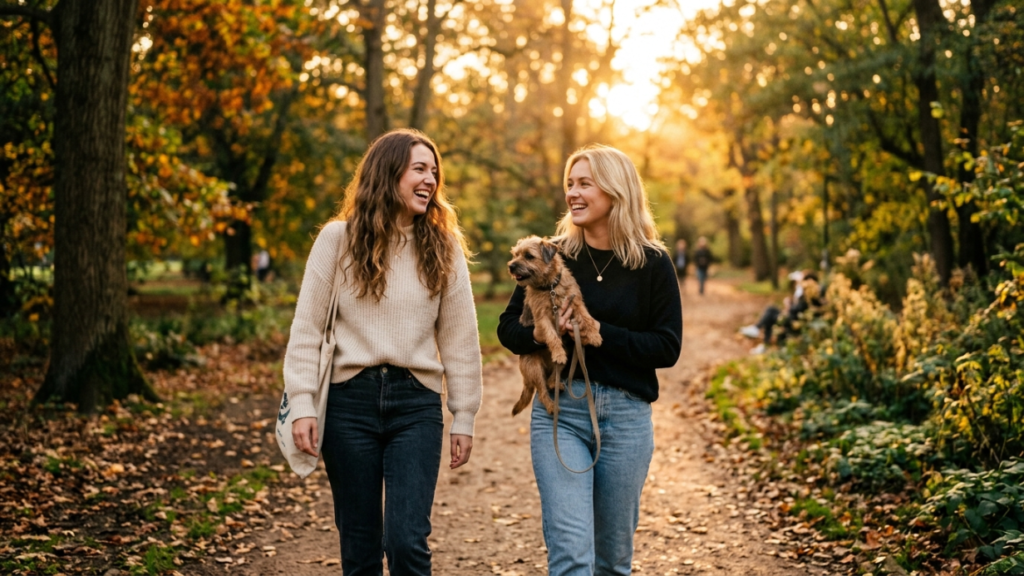
A completely different approach to transforming walking into an exercise can be making it social. Walking with a good friend, spouse, or a nice pet helps to achieve co-regulation. Walking next to someone else and talking with him/her or her provides a person with much-needed companionship that can make a simple physical movement an emotional one.
Letting Go of Fixed Destinations or Maps

For exercise walks, your route is normally planned to maximize the distance covered and time efficiency. When going out to take care of yourself, set the map aside and allow your instincts to determine which streets to turn onto.
Alleviating Physical and Mental Blockages Gently
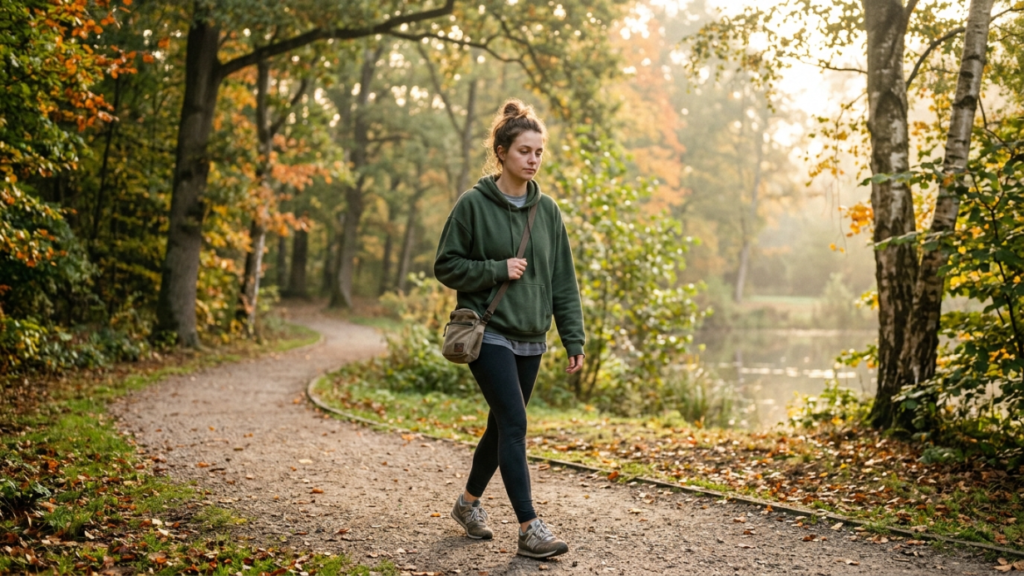
In cases where one feels extremely overburdened or in mental blocks, a vigorous workout session might be too much for the body to handle. In such instances, taking a gentle walk will provide some breathing room. The walk helps loosen up the muscles and refreshes your physical and mental perspectives without requiring too much effort.
