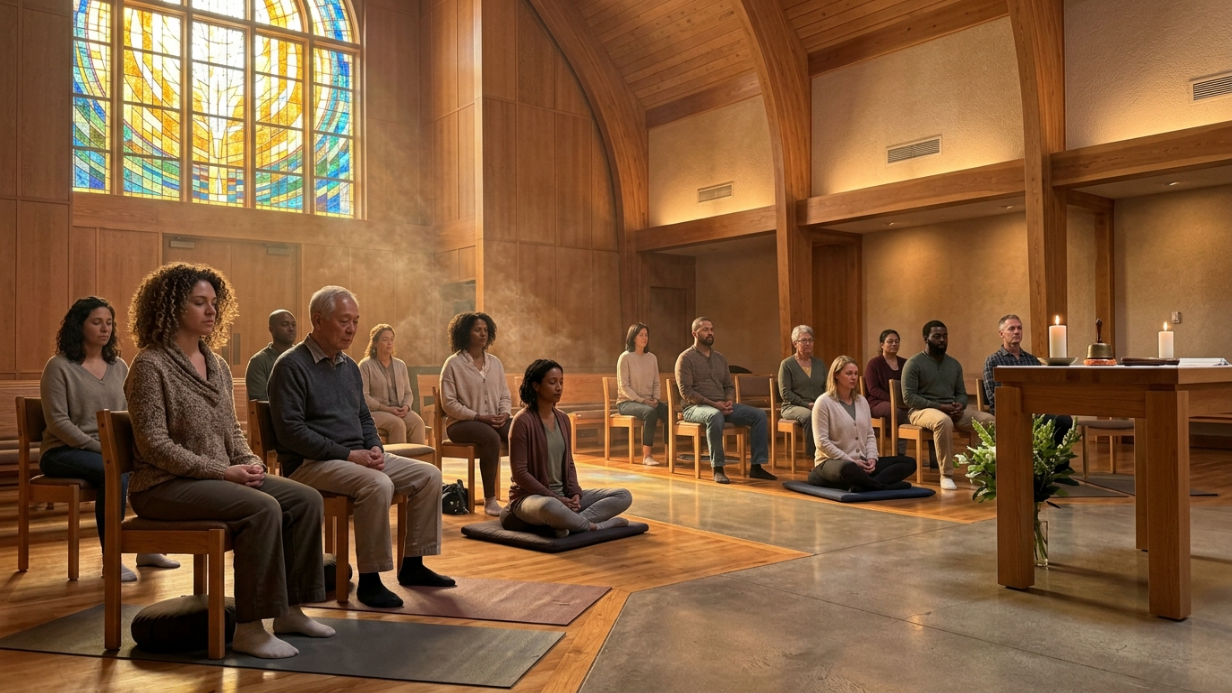
Throughout the country, an almost silent revolution is taking place in more traditionally oriented religious gatherings. Religious gatherings accustomed to delivering sermons, following inflexible doctrine, and conducting tightly structured rituals are increasingly turning their attention towards long-lost forms of meditative practice, emphasizing the importance of tranquility. In fact, it takes place in two different ways: while conservative Western religions are rediscovering their mystical traditions, liberal religious congregations are embracing contemplative Eastern practices.
The Concept of Mindfulness and Hitbodedut in the Jewish Church
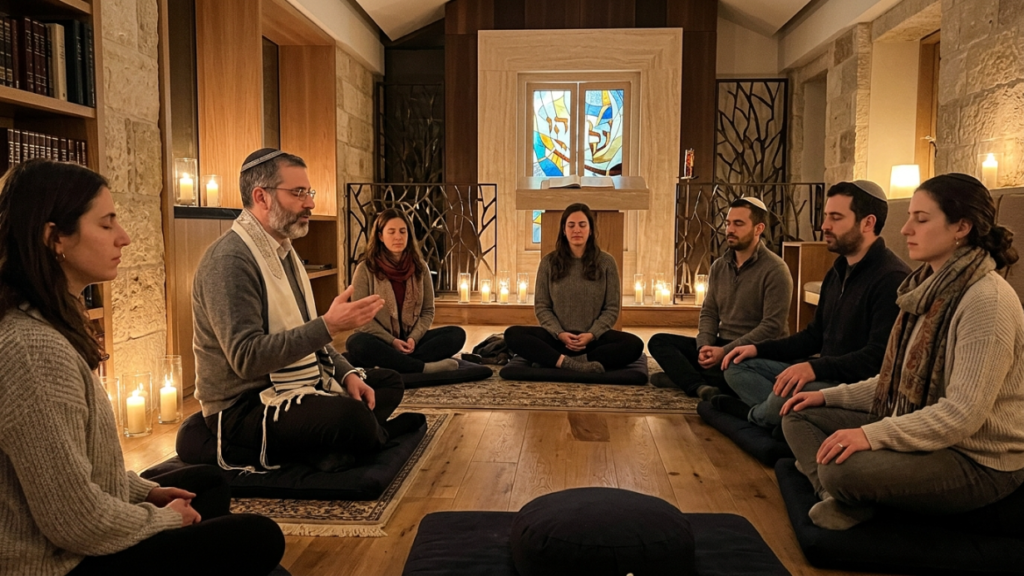
Churches around the nation are combining the idea of contemporary mindfulness with Hasidic hitbodedut, which is spontaneous meditation advocated by the 18th-century Jewish mystic, Rebbe Nachman of Breslov. In the modern church, rabbis lead members of the gathering in breathing exercises, drawn from the Bible, then give them time to seclude themselves in silence or quietly pray.
Rise of Labyrinth Walking
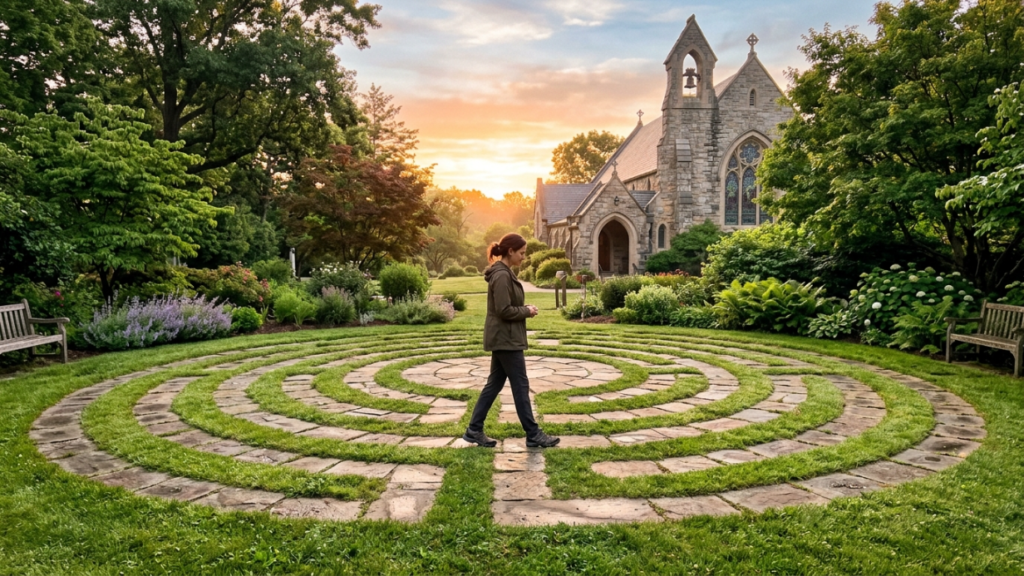
Both canvas and concrete labyrinths are extremely popular among religious communities in the United States, being installed on the grounds of Christian churches or even within the church buildings. As opposed to mazes, the labyrinths feature only one way to reach the center and come back out. Labyrinth walking is seen as an activity for kinetic meditation.
Fighting Digital Overload and Sabbath Silence
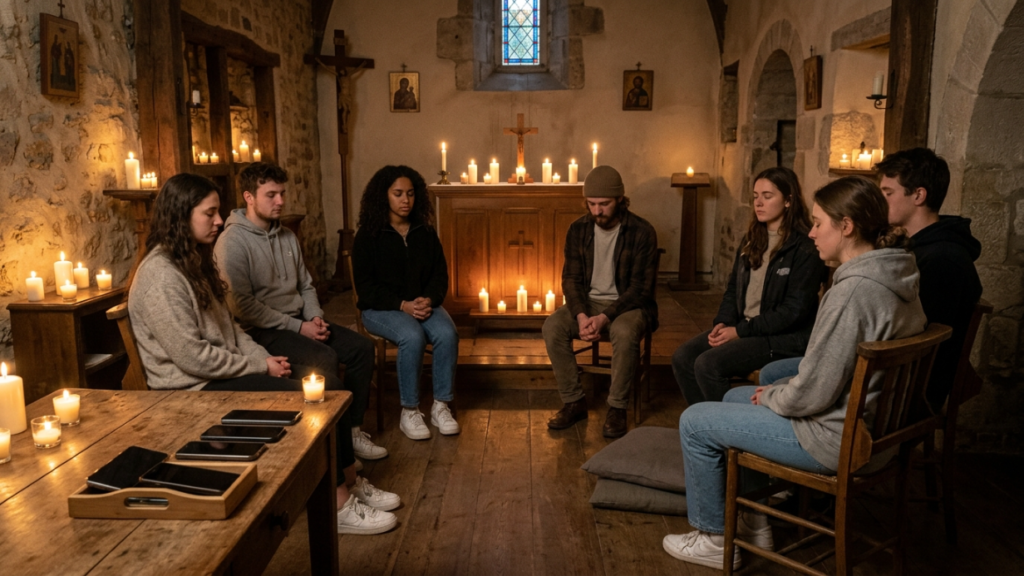
Meditation sessions have become a must-have tech-fast ritual for the younger generation, which finds itself struggling to focus and suffers from high cortisol rates due to frequent screen notifications. The practice is not only associated with spirituality, but is perceived as a vital method for survival.
Meditation Sounds and Liturgical Music Blends
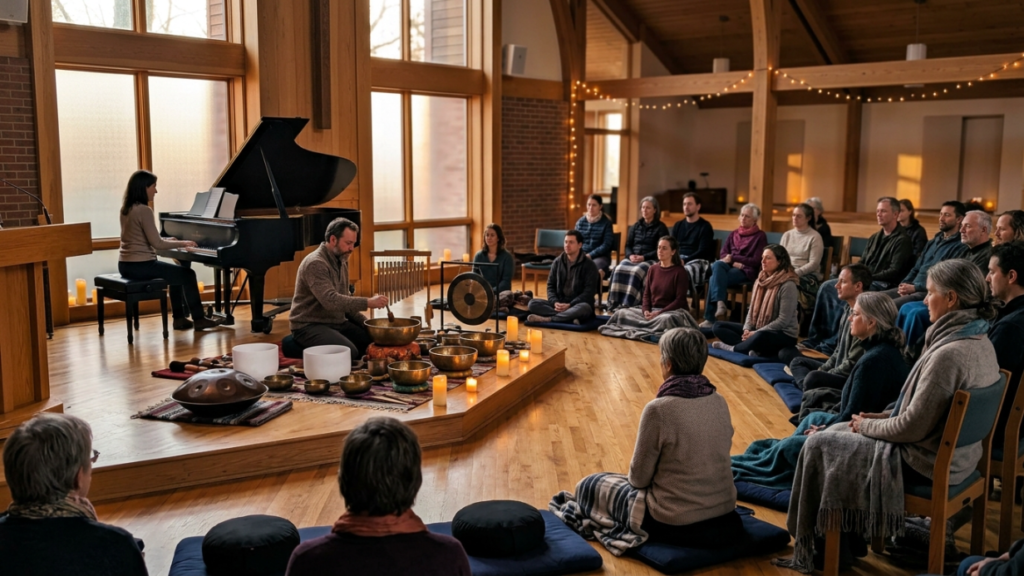
Eastern spiritual sounds of singing bowls and gongs are currently blended with Western liturgical piano melodies during church services. Unitarian Universalists, Episcopalian, and progressive Baptist congregations have increasingly been holding joint church services in which traditional hymn-singing is replaced by sound bathing.
Moving Past the “Spiritual but Not Religious” Trend
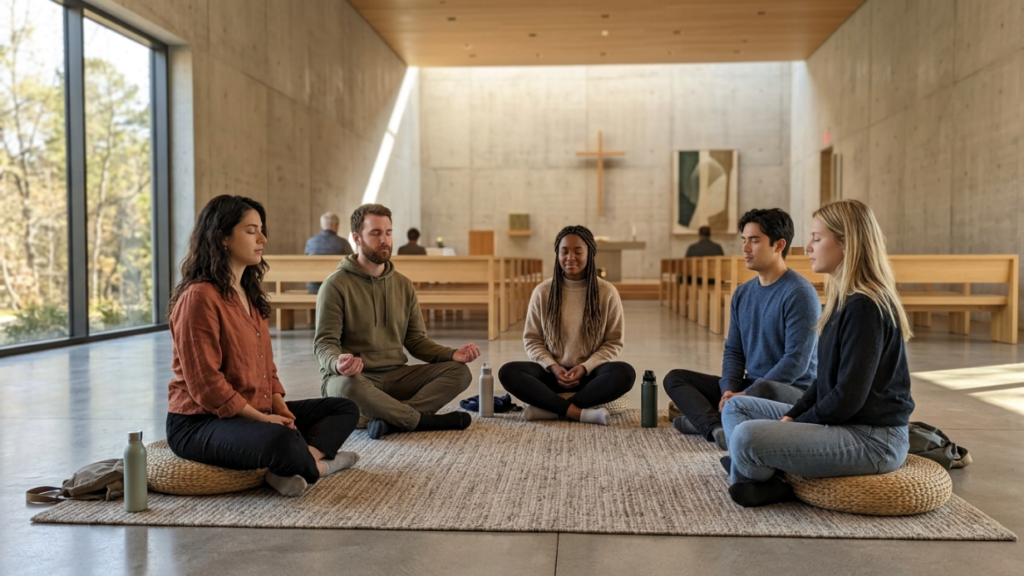
For quite some time, religious communities were losing their membership to non-denominational wellness and meditation apps such as Headspace. However, thanks to incorporating genuine meditation practices into their regular routines, places of worship are once again attracting members who left religious practices and sought spirituality elsewhere.
Ignatian Examen for Contemporary Mental Health
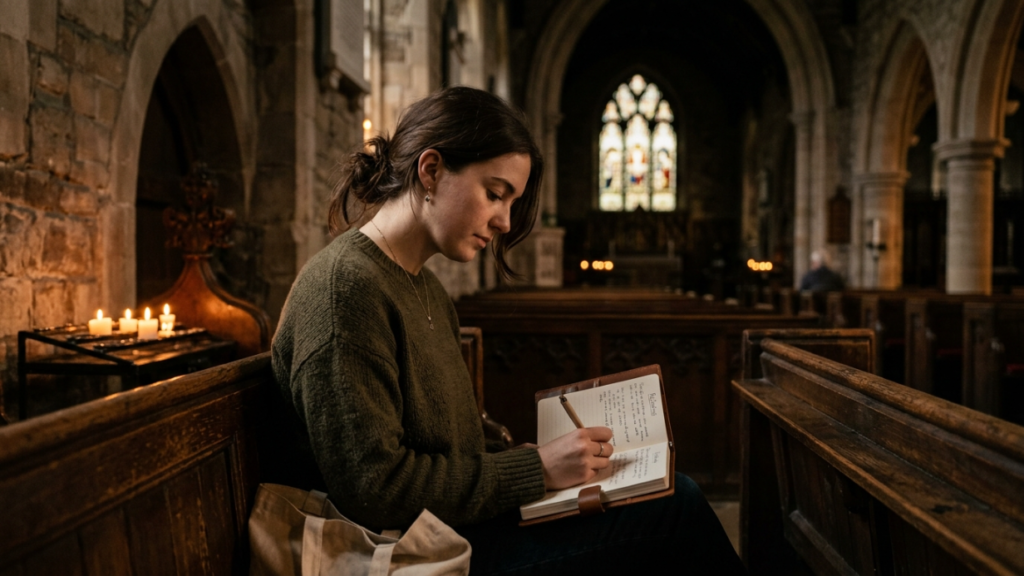
A well-established practice from St. Ignatius of Loyola’s 500 years ago, a five-step contemplation of daily events has become a part of modern religious youth groups and young adult ministries today. When recontextualized in contemporary terms, the Ignatian Examen transforms into a meditation aimed at identifying any patterns of gratitude (consolation) and worry/selfishness (desolation) without judging oneself.
Dealing with Barriers of Cultural Appropriation
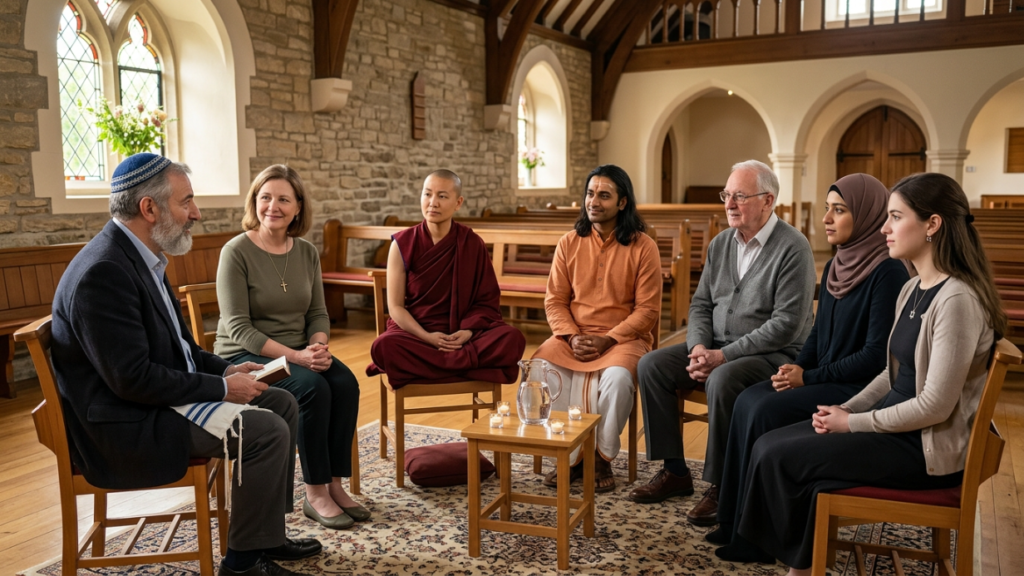
It seems that the more Western religious practices include meditation techniques from Eastern religions, the more they are trying to understand the culture properly. The progressive Jewish and Christian communities have started to consult their Buddhist and Hindu colleagues in order to be able to properly integrate mindfulness techniques and mantras into their religious rituals.
Meditation for Social Justice Action
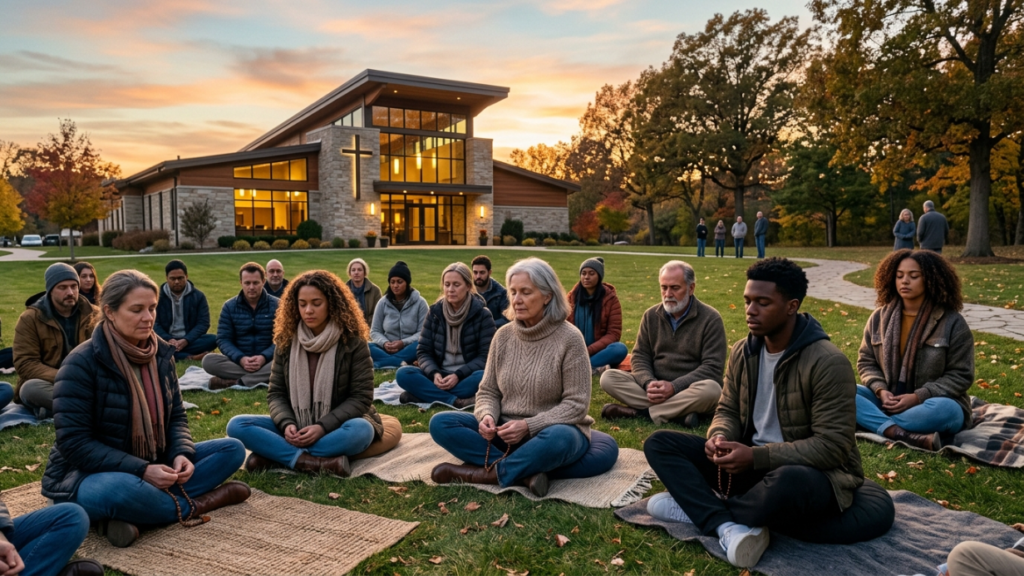
Contemporary churches and synagogues that promote social activism also use meditation techniques, such as silent sits. In particular, activists who belong to such churches organize meditation sessions that precede demonstrations or community events.
