
Nutrition management plays a crucial role in the neuroprotective and symptomatic treatment of Parkinson’s disease. Defined by progressive death of dopamine-producing neurons, mitochondrial dysfunction, and serious problems with intestinal movement, this disease requires a carefully managed nutrition strategy. Being related to the progressive slowdown of dopamine-producing neurons, certain healthy foods can significantly impact one’s quality of life.
The following list contains 8 foods and food groups that can assist with addressing Parkinson’s.
Salmon

Deep water fish are among the best sources of EPA and DHA, two different kinds of omega-3 fatty acids that are extremely essential to our bodies. As such, chronic neuroinflammation that causes rapid degeneration of dopaminergic neurons is prevented.
Walnuts

The unique elements contained in walnuts include alpha-linolenic acid (omega-3 fatty acids found in plants) and ellagitannins. These elements are metabolized by gut microbes and then converted to urolithins that can cross the blood-brain barrier.
Blueberries

Dark berries contain lots of anthocyanins – strong flavonoids that are antioxidants. Scientific studies prove that anthocyanins effectively regulate signaling pathways. In this way, anthocyanins protect dopaminergic neurons from oxidative damage and accumulation of alpha-synuclein.
Extra Virgin Olive Oil

Extra Virgin Olive Oil has monounsaturated fats and phenolic compounds such as oleocanthal and oleuropein. The use of EVOO guarantees that the blood-brain barrier remains intact and avoids neuroinflammation of astrocytes.
Avocado

Avocado provides sources of monounsaturated fatty acids and dietary fiber, as well as a high concentration of endogenous glutathione. Preservation of glutathione at a sufficient level is one of the major therapeutic goals in treating Parkinson’s disease because glutathione serves as a cellular defense from oxidative stress of mitochondrial structures in aged neurons.
Spinach

Leafy dark green vegetables are good sources of micronutrients, which help maintain a healthy nervous system. These micronutrients include folate or vitamin B9 and magnesium. Whereas folate regulates the processes of methylation and keeps homocysteine in check, magnesium ensures that NMDA receptors are healthy and prevents the over-stimulation of glutamate receptors, which leads to neuron exhaustion.
Almonds
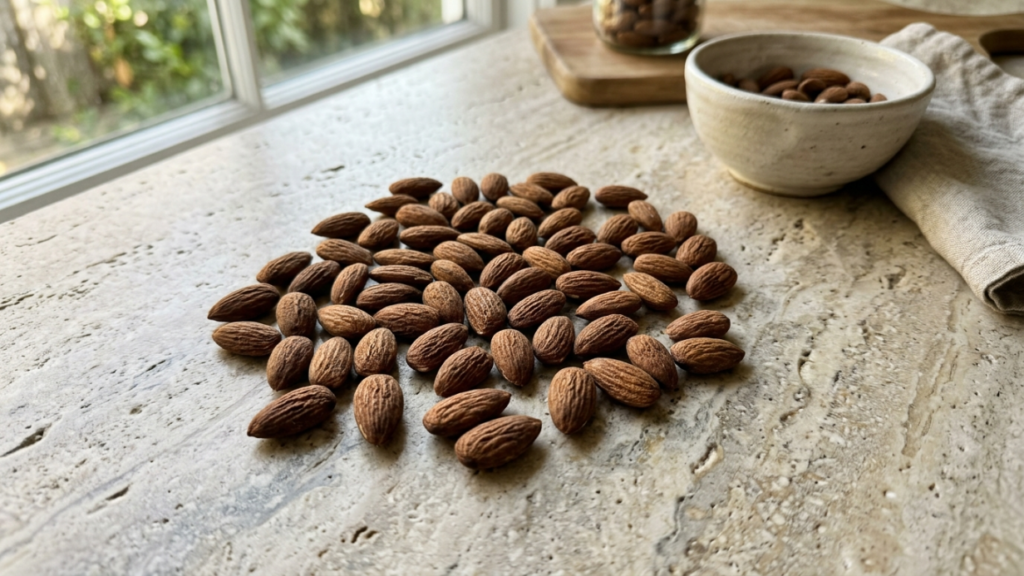
The almonds have a high content of alpha-tocopherol, which is the biological form of Vitamin E. Vitamin E is a fat-soluble vitamin that has an extremely unique way of functioning. Vitamin E serves as protection for the neurons from the damage caused by oxidative stress through lipid peroxidation chain reactions.
Lentils

Lentils constitute an excellent source of prebiotic fiber, which is highly essential for ensuring proper bowel movements to avoid constipation; this condition may slow down the rate at which any oral medication taken by an individual is absorbed.
