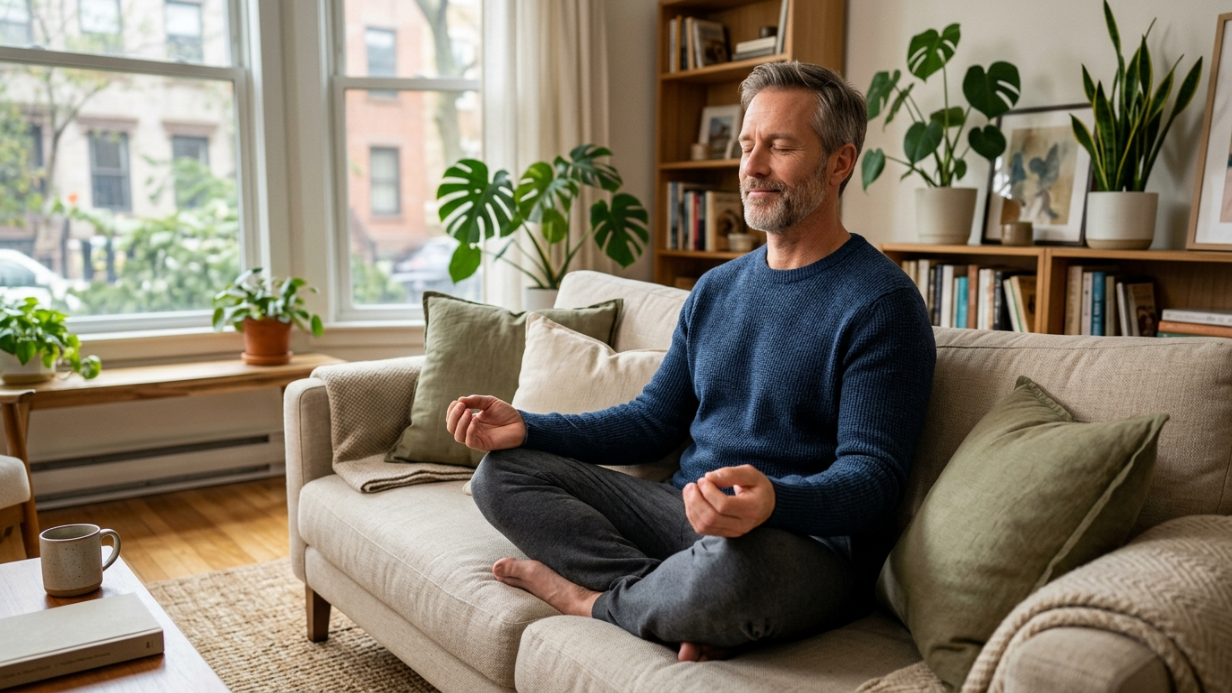
In an age of high connectivity where overworking and productivity are celebrated, meditation as an act may be reduced to yet another item on the ever-so-long list of duties to complete. The need to sit completely still, clear your mind of any thoughts, and meditate for extended periods may result in increased stress rather than providing peace of mind. In comes “lazy meditation,” a rising trend among stressed-out Americans. Lazy meditation shuns all the rigid structures surrounding typical meditation in favor of effortless mindfulness. Here are 11 points that showcase why Americans are turning to Lazy Meditation.
The Time-Poor Way of Life

In today’s world, Americans have extremely hectic schedules with work, commuting, and being on their devices constantly. The lazy form of meditation gets rid of the problem of “not having enough time,” making mindfulness possible even for just a 2-minute break between tasks.
Minimal Barriers to Entry

For some, regular meditation can be difficult because of its demanding nature. The lazy version of it is much simpler and doesn’t require any postures or preparations.
Lowering the Pressure

People often stop meditating because they think they are doing something wrong. Lazy meditation gets rid of these pressures.
Culture of Burnout

Exhaustion and burnout have compelled people to look for ways of recovering that will not take more effort. Lazy meditation is perfect for it since it promises relaxation without expending extra energy.
Screen Exhaustion and Mental Overload

Constant screen use has resulted in mental weariness. Lazy meditation helps to achieve a quick mental break by simply closing one’s eyes for some time or breathing.
Effect of Wellness Movement

Wellness has developed from harsh discipline to “gentle self-care.” Lazy meditation suits this movement due to its emphasis on moderation and sustainability.
Attractiveness to New Generations
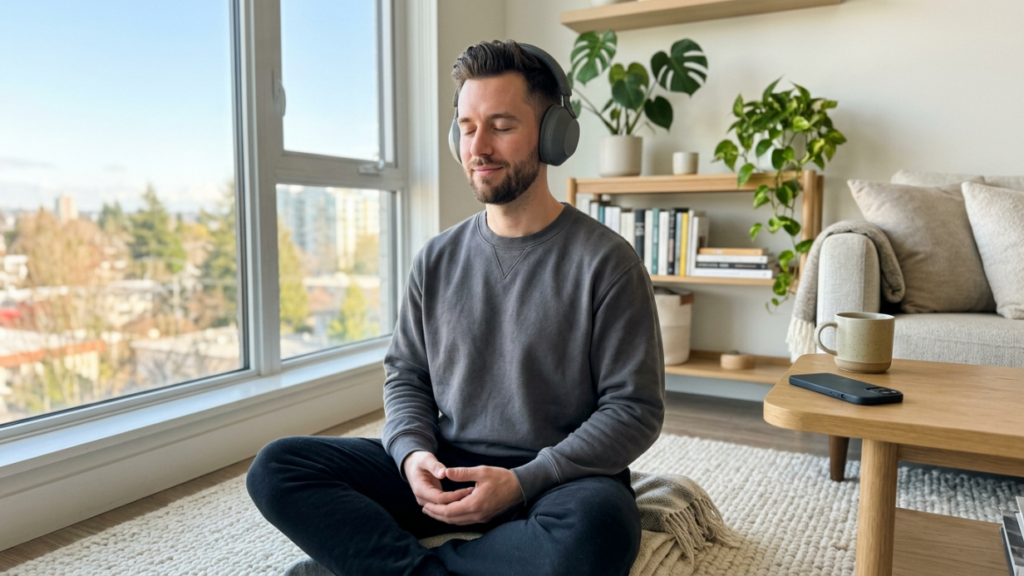
The young generation prefers flexibility and customizability. Lazy meditation suits them well due to its relaxed approach rather than demanding techniques that are hard to follow.
Immediate Stress Reduction

Contrary to lengthy meditation that calls for patience, lazy meditation results in instant effects. Just taking a deep breath may help to calm one’s heart rate.
Stimulation of Consistency Rather than Intensity
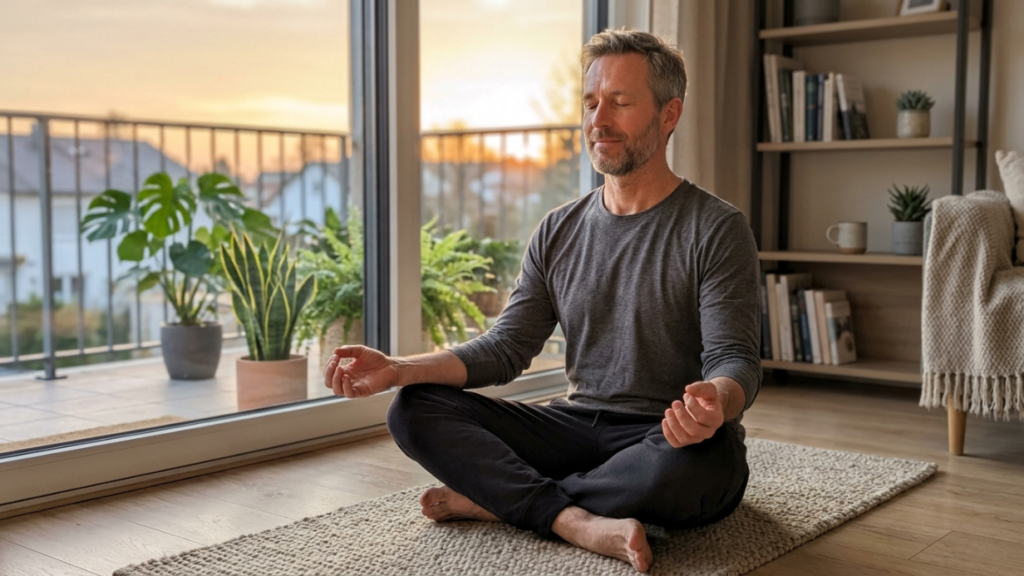
In terms of psychology, repetitive activities are much more sustainable than those that have to be done in bursts of high intensity. Lazy meditation is focused on consistency, thus creating an opportunity to form a routine that will bring psychological well-being in the long term.
Fusion of Practice and Relaxation

Sometimes it is very difficult to distinguish between actual meditation and mere relaxation, since lazy meditation tends to merge with rest.
Continuous Mental Recovery

Rather than waiting for emotional burnout, lazy meditation suggests engaging in meditative practice all along, providing several little recoveries during the day.
