
Thirty years old hits differently – metabolism dips, hormones shift, food cravings change. Habits from younger days lose their edge. Lately American diet specialists stirred talk about a familiar problem hiding in many meals: ultra-processed items packed with added sugars. These aren’t banned, yet evidence ties them to stubborn pounds, fading stamina, deeper fatigue. Behind the concern lies no alarmist motive – just awareness growing alongside aging bodies. Eating shifts quietly become part of staying steady.
Thirty Marks a Shift

Starting in your 30s, metabolism shifts gears on its own. Calories get used up slower now. That means poor food choices hit harder. The body just doesn’t keep pace like it once did.
The Sugar Trap

Out of nowhere, a rush comes when eating sweet, store-bought treats or soda. This burst doesn’t last – energy drops fast because of how the body reacts.
Weight Gain Link

Stored sugar turns to fat fast, particularly if movement doesn’t keep up with calories eaten – a mismatch that grows likelier as years pass.
Hormonal Imbalance

Too much sugar can mess with the body’s signals for when to eat or stop eating. This imbalance often leads to poor food choices without clear warning. Fullness cues become unreliable over time through constant sweet intake.
Skin Aging Effects
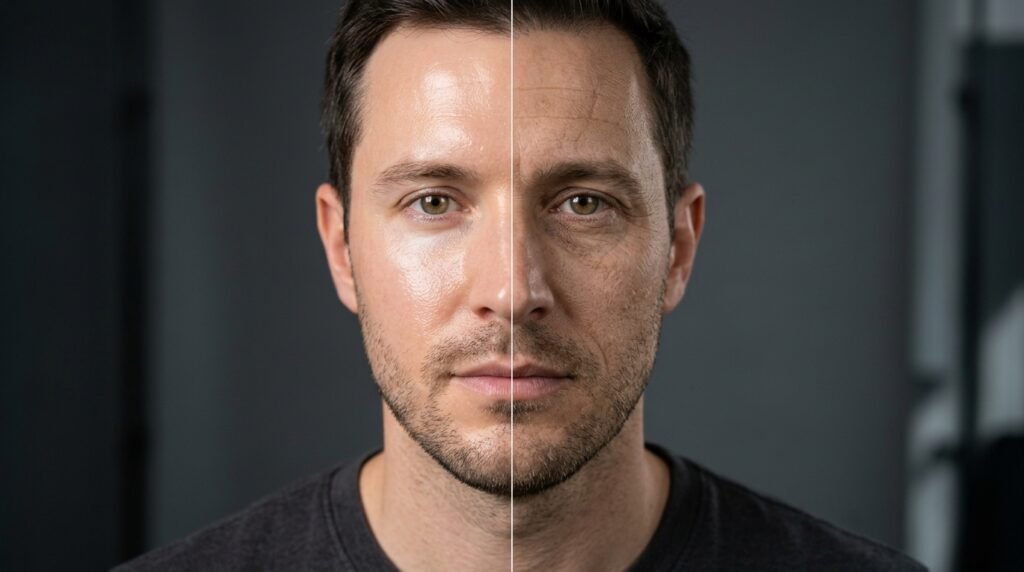
Over time, excess sugar may harm collagen – doctors say this shows up as fine lines, a tired look. Skin loses bounce when sweetness piles up, studies point out. Wrinkles creep in slower if intake stays low, research hints.
Energy Rollercoaster

Spikes in blood sugar often follow sweet snacks, leaving focus shaky by mid-afternoon. A jittery calm settles in when cravings dip, shifting how steady someone feels hour to hour.
Hidden Sugars Everywhere
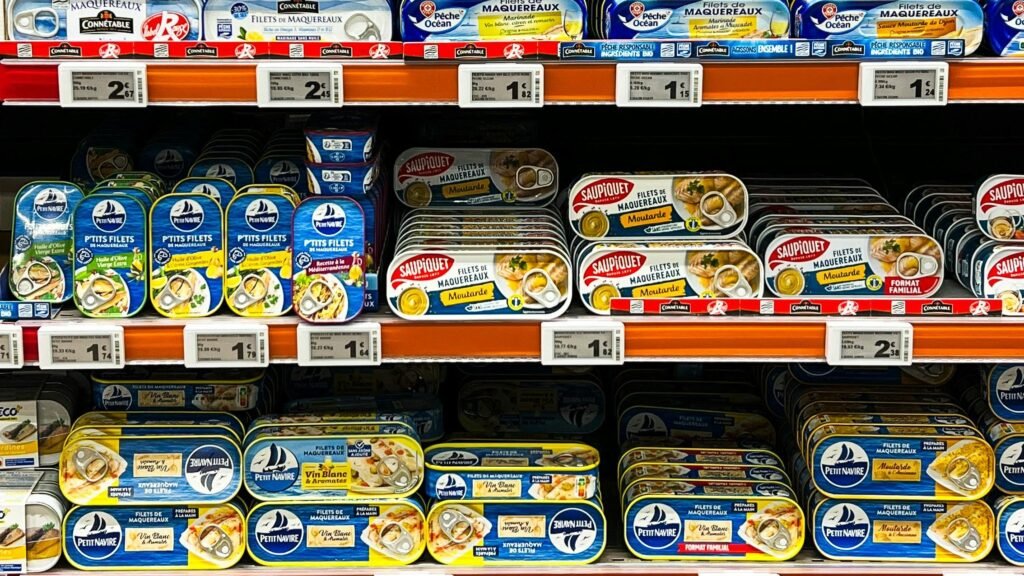
Hidden sugar shows up where you might not expect – packaged meals, dressings, crackers. What seems like a safe choice often packs a sweet surprise inside. Even items labeled wholesome can carry loads of added sweetness without warning.
Better Alternatives
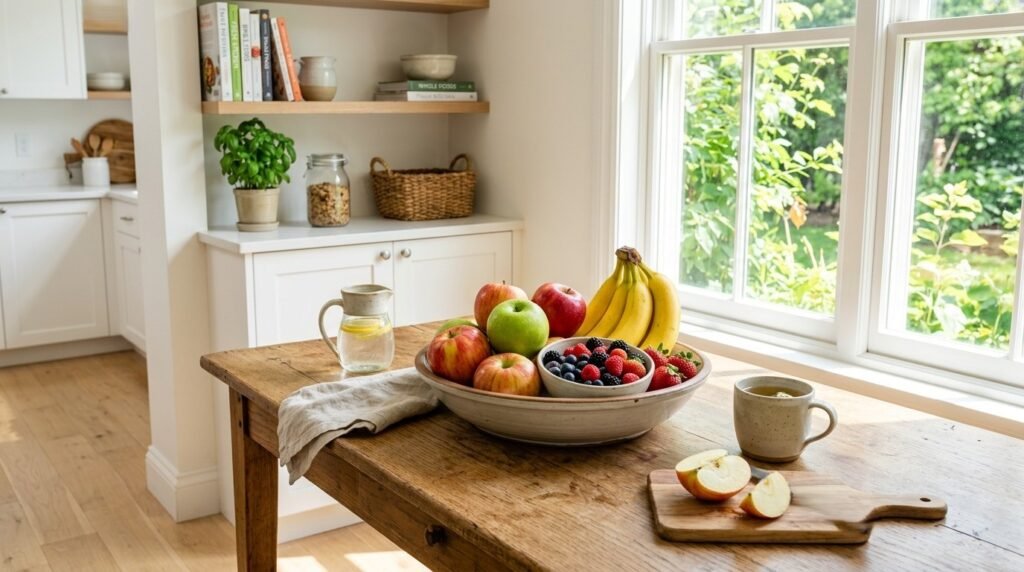
Whole foods work well when hunger strikes, offering a way out through fruit’s natural sugars. Cravings fade easier when apples replace candy bars now and then. Sweetness shows up differently once taste buds adjust over weeks.
Moderation Over Elimination
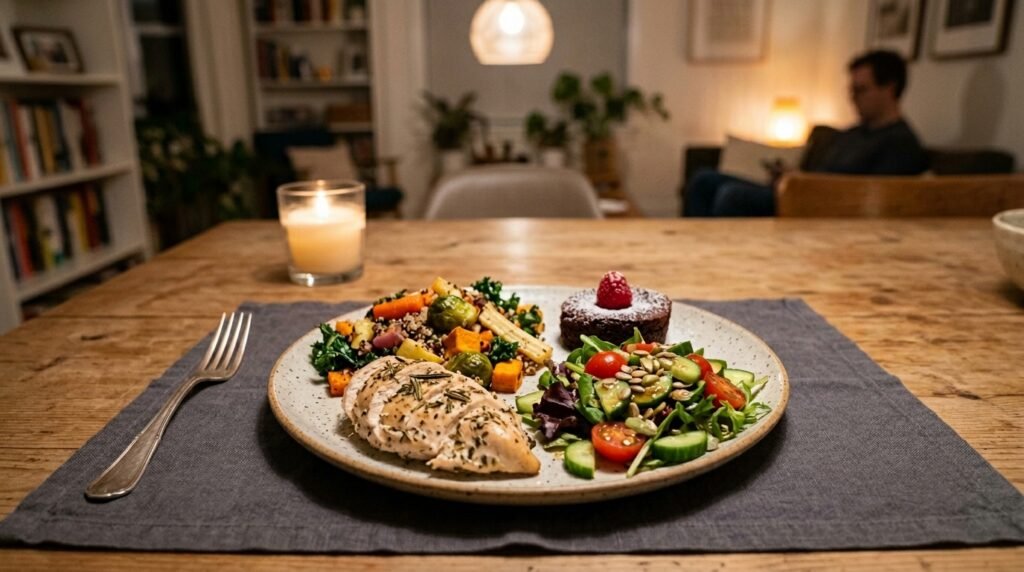
Most specialists say ditching sugar entirely isn’t necessary – instead, scale back a bit while paying attention to how often you reach for it. A little awareness goes further than strict rules when managing sweets.
Building Smarter Habits
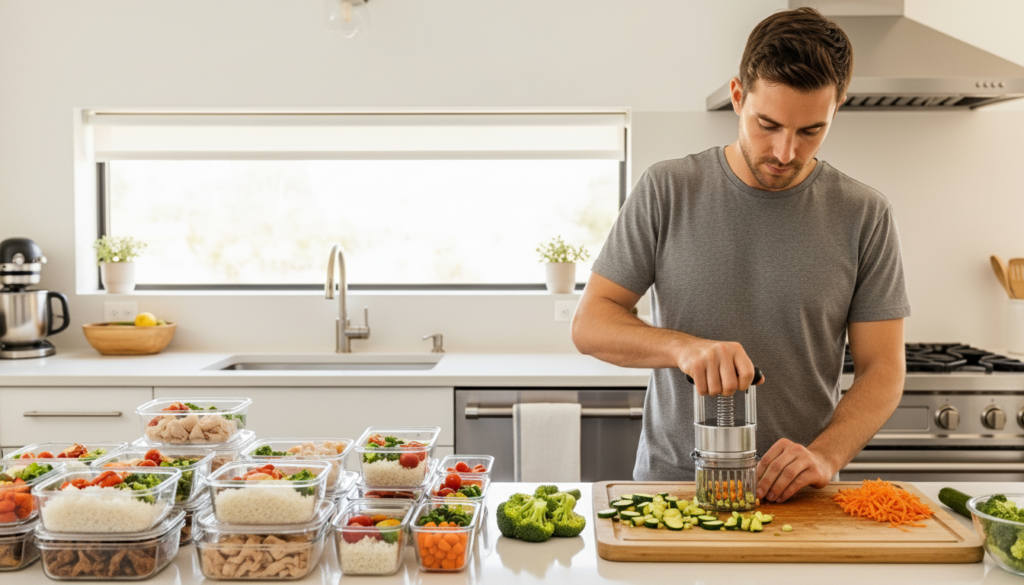
After age thirty, keeping an eye on food packaging matters more. Meal prep shifts into focus around this time too. Moving the body regularly? That gains weight in daily priorities. Each habit – watching what’s listed, organizing dinners ahead, getting steps in – they stack up quietly.
Pay Attention to How You Feel

Some bodies react one way, others another. Notice what happens after eating particular foods – it shapes smarter food decisions later. How meals affect energy or mood becomes clear over time. A stumble here, a boost there – patterns emerge quietly.
