
International choices by the influential countries in health matters can have an extended effect past the national boundaries and affect studies, disease management, and overall health programmes across the entire world. Arguments concerning the connection between the United States and other health organizations across the globe have posed some concerns of how such the changes would impact on ordinary individuals- vaccine creation to outbreak preparedness. Policy changes may also be implemented at the diplomatic levels but the result may be felt at hospitals, labs and communities on the other side of the continents. The knowledge of what a possible departure of the World Health Organization by the United States might entail contributes to making sense of wider implications of a lowering of costs of healthcare, wellbeing, and collaboration around the world.
Disease Surveillance around the World
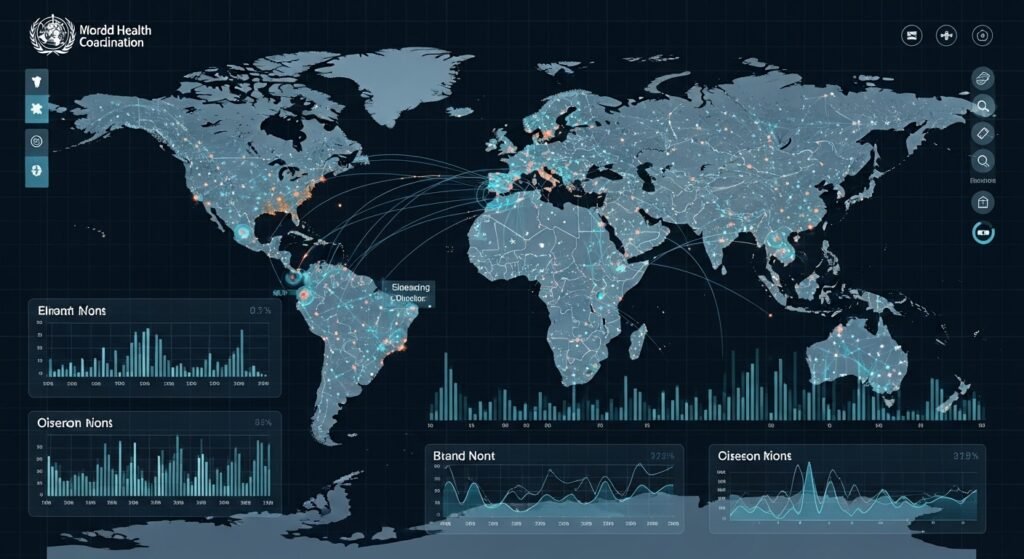
WHO is involved in coordination of disease surveillance among nations. Less involvement of the U.S. may impact sharing of information, which may slow onjointawareness of an outbreak which depends on at least an organized system of information reporting.
Research Collaboration

International health research is usually reliant on cofinancing and know how. Alterations in collaborations can affect collaborative research, with an impact on the speed at which new treatment or preventive measures can be developed.
Networks of Vaccine Development

The U.S. has a significant impact on the innovation of vaccines and the funding of the activities within the WHO programs. The change in the patterns of engagement may shift the mode of support and distribution of the vaccine projects in the world.
Pandemic Preparedness
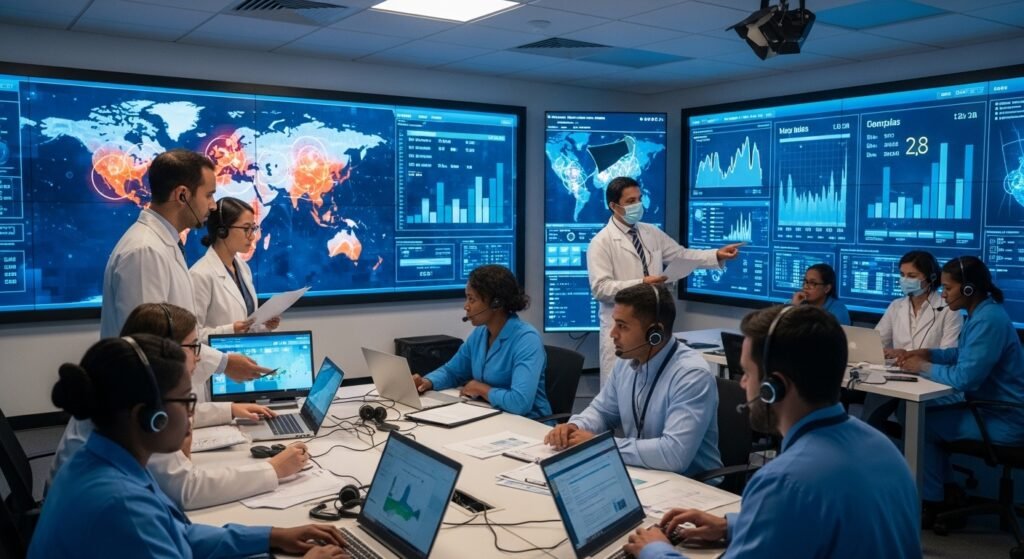
Well organized plans of action and simulation exercises enable countries to act in a fast manner in case of health emergencies. A minimal level of involvement may make it difficult to have coordinated response during future pandemics.
Travel Health Guidance
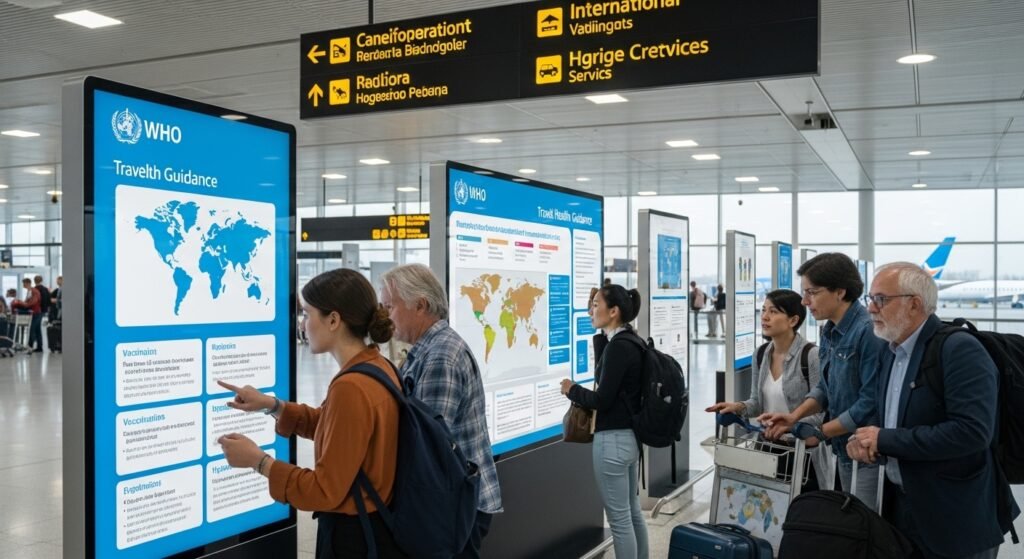
Numerous nations depend on WHO recommendations during the risk of health in travel. The policy modifications may increase discrepancies in the sources of guidance that may cause contradiction to the travelers.
Public Health Standards

WHO sets standards of practices related to safety, laboratory standards, and classification of diseases. Less collaboration can also influence the uniformity in adoption of these standards all over the world.
Emergency Medical Supplies
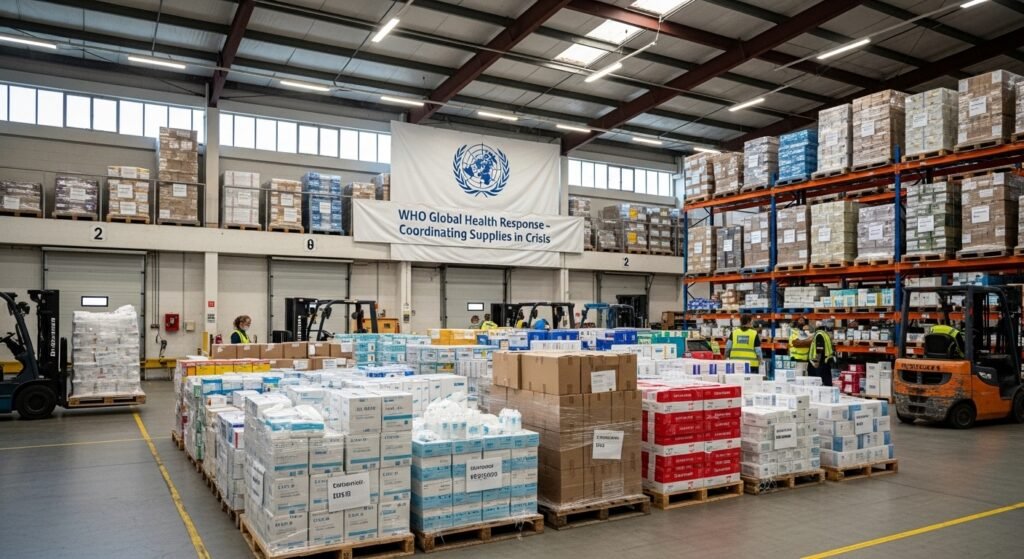
In times of crisis, WHO assists in the organization of the supply of protective equipment, diagnostic, and treatments. Partnership Alterations may affect supply chain partnership in global emergencies.
Information Openness and Disclosure.
International health data sharing helps in fast academic knowledge. The changed involvement could affect the free flow and effective exchange of data between institutions.
Health Equity Initiatives
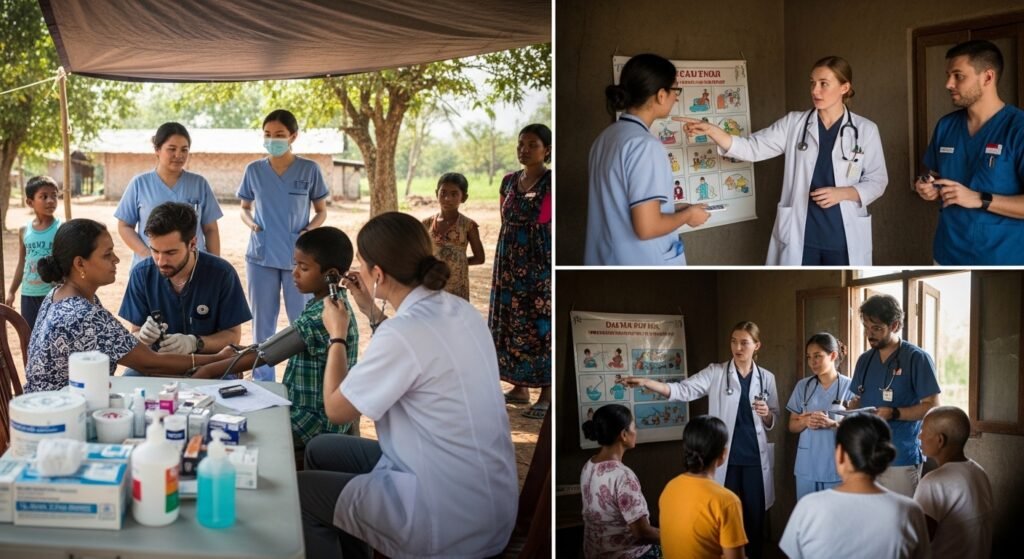
Multinational cooperation is common in programs aiming at enhancing the attainment of healthcare in low-resource areas. Both financial or leadership shifts have the potential to transform the movement towards inequality reduction.
Social trust in International health systems.
Decision-making regarding large countries can influence the perception of international collaboration of health. Knowledge of these changes enables a person to make sense of health news, in addition to having informed views about health governance in the world.
