
The common belief about meditation exists because people think it requires advanced skills which monks practice at mountain tops. The actual definition of meditation involves a basic mental workout which functions like a gym visit. The practice of meditation exists because it trains your capacity to concentrate while you find brief moments of peace within your active surroundings.
You have to “stop thinking”

The most common myth about meditation states that people must control their thoughts. The brain operates to create thoughts which continue until you begin meditation practice. To practice meditation you must remain aware of your thoughts until they leave and then return your attention to the present moment.
It is a religious practice
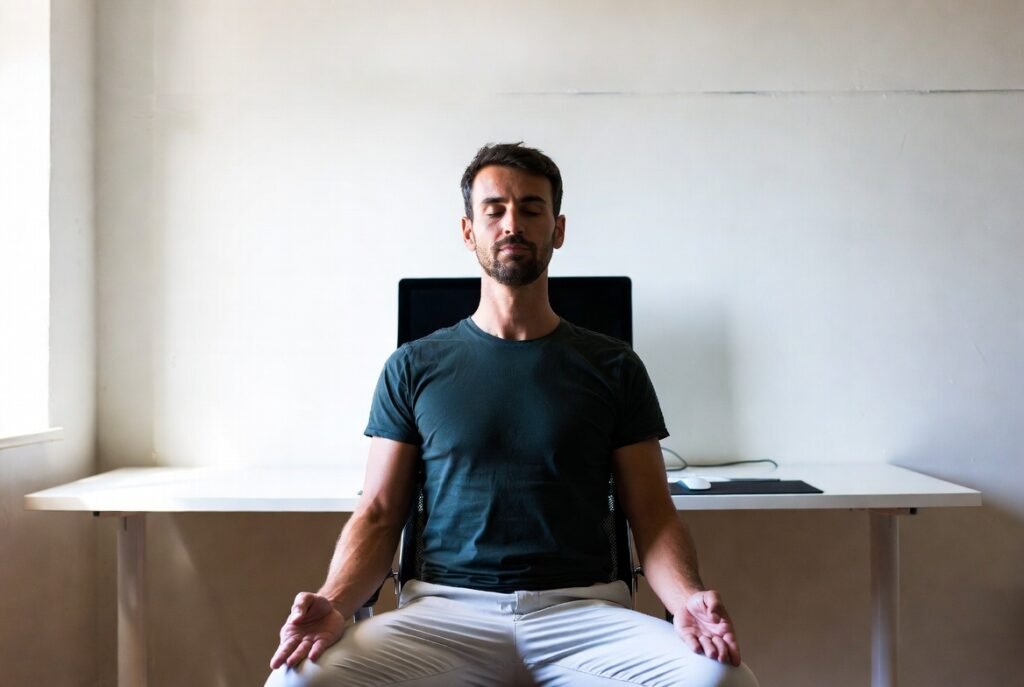
Meditation exists as an activity which people from different faiths use even though its practice remains nonreligious and functions as a mental exercise. You don’t need to change your beliefs or join a specific group to benefit from it. It serves as a method to observe your mental processes.
You need to sit in a specific “Lotus” position
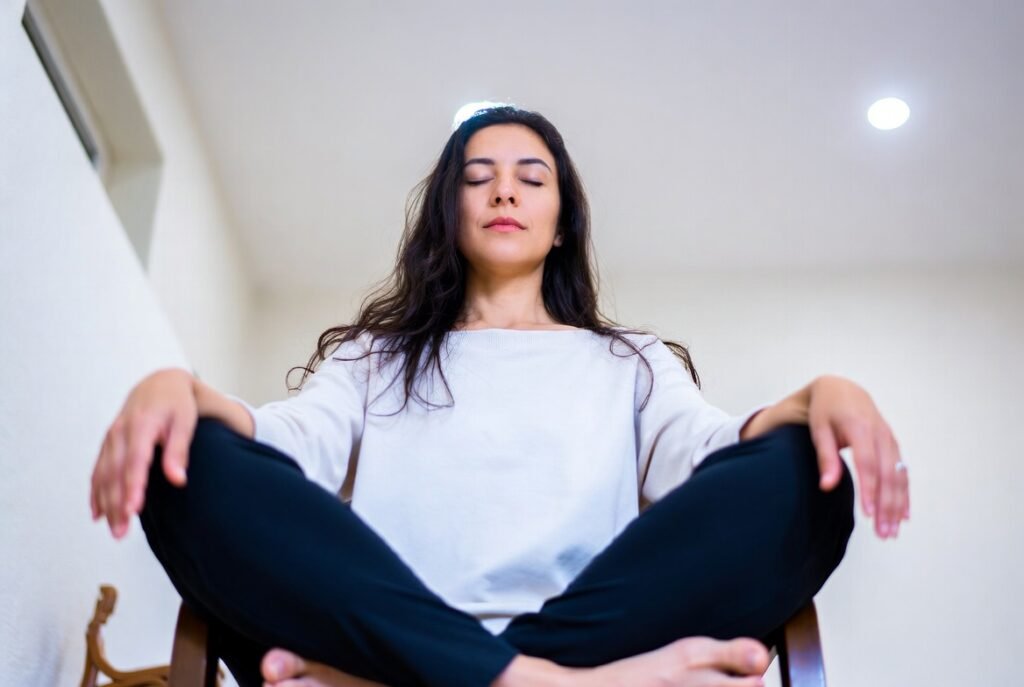
You do not require particular flexibility skills which enable you to sit cross-legged on the floor. The practice of meditation allows you to choose from sitting in a chair or lying in bed or walking. You should discover a sitting position which enables you to sit quietly while remaining awake.
It takes years to see benefits

People need to spend time on their studies to achieve full mastery but they can experience better concentration and peacefulness after one quick 10-minute study session. Research demonstrates that brain functions for stress management undergo permanent changes after people maintain daily practice for several weeks.
It is “escaping” from reality

People who practice meditation do so to escape their current situation. The process actually invites you to enter into your present moment experience. The training method teaches you to handle your thoughts and feelings without letting them control your actions.
You need a perfectly quiet room
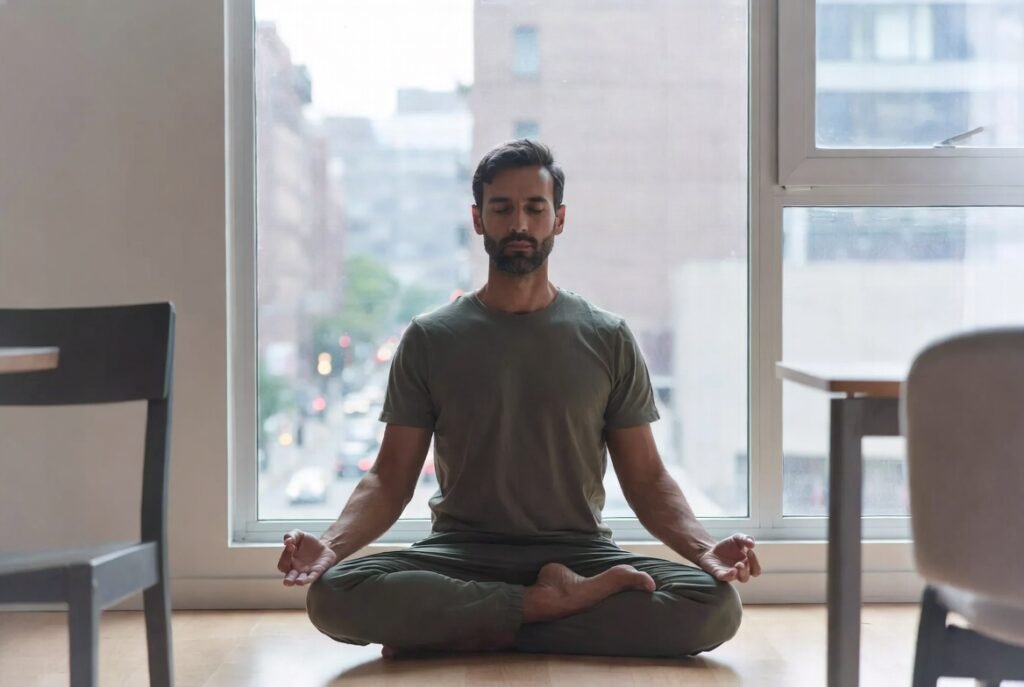
Beginners need quiet spaces to start learning meditation. You will develop the ability to meditate during your practice when you learn to listen to traffic sounds and air conditioner noises.
It is time-consuming
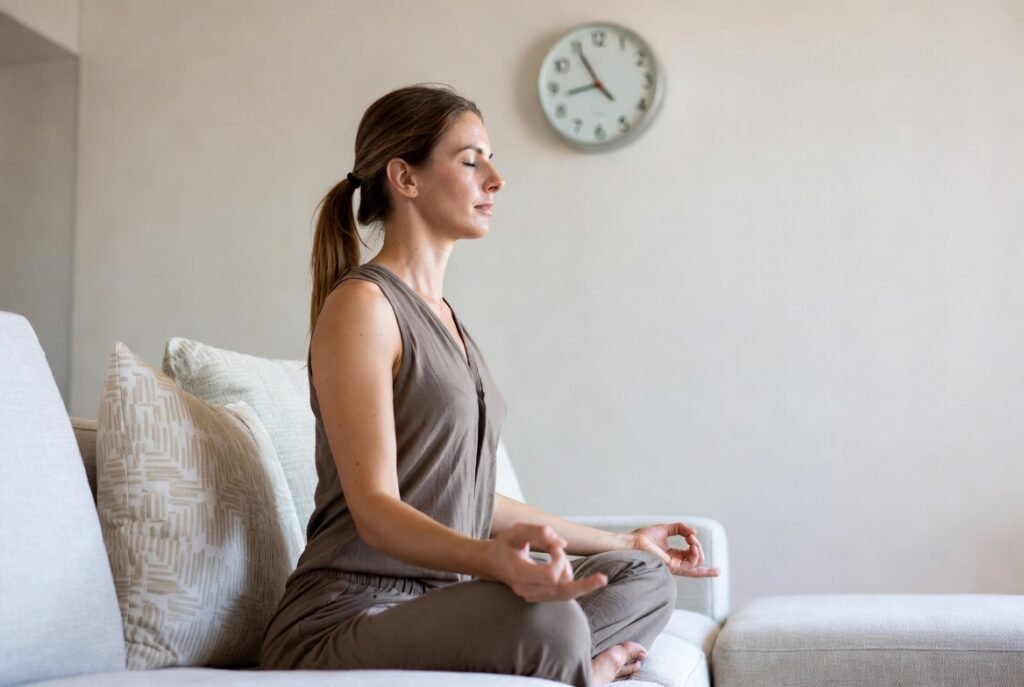
Meditation requires an hour commitment before you achieve successful outcomes. The practice of intentional breathing for two to three minutes will help your nervous system reach a state of equilibrium. The research shows that most people who meditate for extended periods end up accomplishing more work because they achieve better concentration.
You are doing it wrong if your mind wanders

A wandering mind provides an opportunity which turns out to be advantageous. The moment you become aware that your mind has drifted away from focus brings about the fundamental experience of meditation. Your practice of returning to breath functions as brain training which helps your mind develop stronger cognitive abilities.
It is just “self-relaxation”
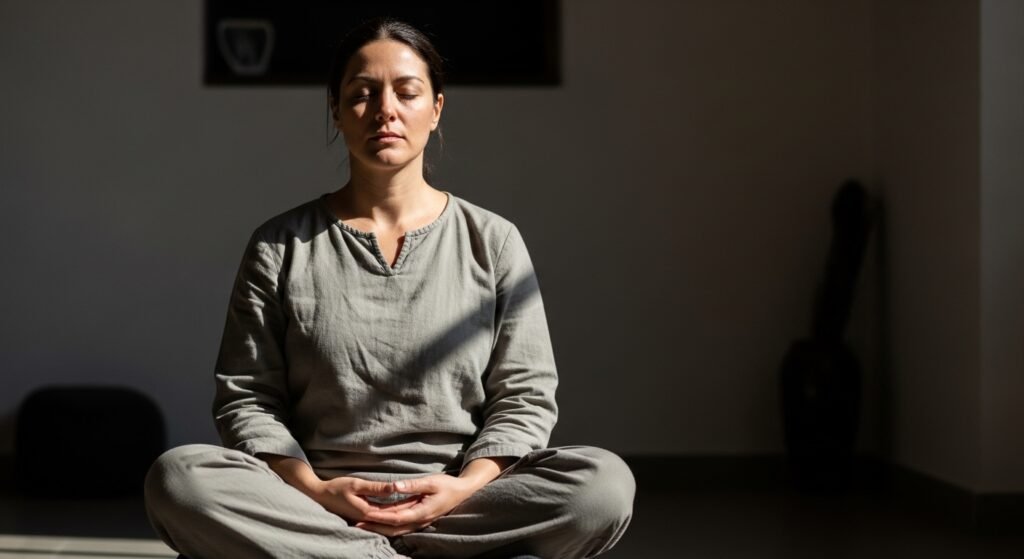
The main purpose of meditation practice exists as a method to achieve awareness. The session creates challenging experiences which make you feel frustrated yet you gain understanding through those emotional circumstances.
You need to use incense or special music
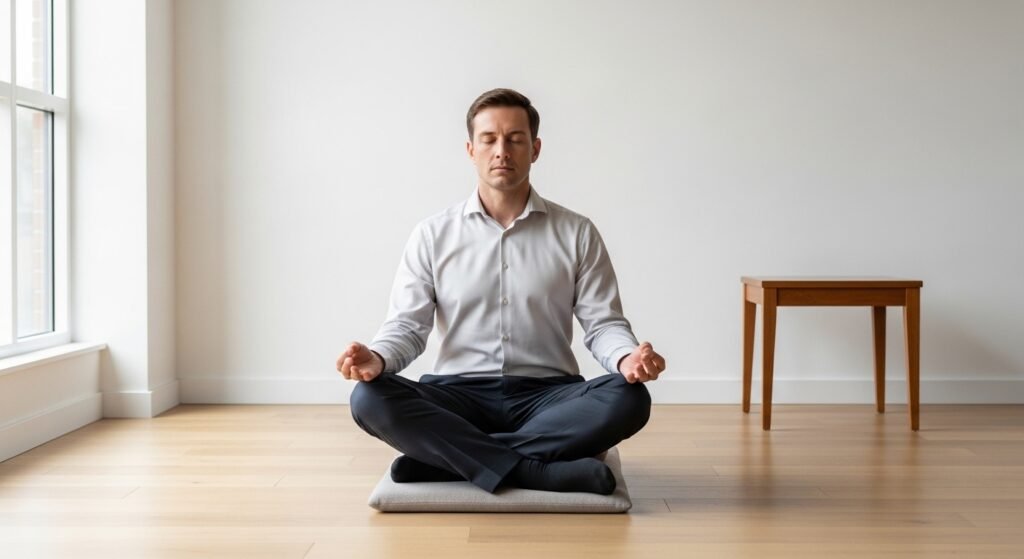
The use of bells and candles and musical instruments remains optional for people who prefer to use them. Your breath plus a few minutes of your time become the only items you actually need. The beginner should choose simple tasks for their initial learning experience.
It makes you a “passive” person

The people who practice meditation believe that their practice will diminish their inner motivation to complete tasks. People who practice meditation experience better performance because their brain functions develop while their energy levels increase.
