
On those days when one is not resting well, sleep seems so near and far at the same time as the mind repeats what happened through the day, and the body is not ready to rest. During such situations, meditation may be less of a task and more of a call to come down to speed. This method is gentle and aims at reducing stress, mollifying thoughts, and establishing a relaxing progression to sleep. It is not going to give results immediately or all dramatic change, but it may provide a regular, welcoming beat of rhythm before going to sleep. Through easy breathing, silent attention, and a bit of patience, this meditation is supposed to relax the boundaries of the evening and leave room for sleep to come naturally, should it choose to.
Creating a peaceful starting point
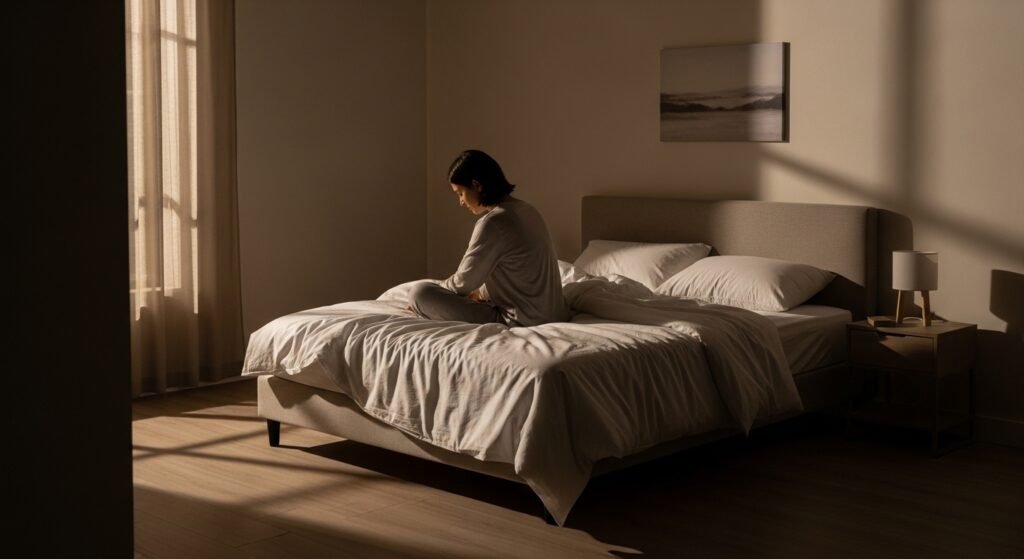
It is possible to start the practice in a quiet environment and influence the mood. Low light, a soft surface, and minimal distractions can contribute to the transition between activity and rest without necessarily being perfect.
Letting the breath set the pace

This meditation is often anchored on slow, natural breathing. Learning to focus on every inhalation and exhalation may make the body relax, and the mind will pay less and less attention to the pace.
Releasing the day without pressure

The minds of the previous things might come up, and that is natural. Rather than driving them out, the practice enables them to move away easily, creating space for a less noisy mental space.
Allowing sound to settle

The background noises can be included in it. Instead of fighting them, it could be possible to acknowledge their existence and make the journey to sleep easier.
Keeping expectations light

Sleep meditation does not have strict objectives. Releasing a need to fall asleep fast might help to relieve the pressure, and relaxation will come in its own time. This way of thinking may seem rather liberating.
Ending without abruptness

In case the meditation seems finished, it can be beneficial to come out gradually. Even small movements or a last breath can produce a smooth transition from stillness to sleep. There is no hurry to open the eyes.
Making it a familiar ritual

Doing this meditation regularly may develop a feeling of familiarity. The habit in itself can become reassuring with time, prior to relaxation taking full effect. Routine is usually not a rigid command but a comforting one.
Adjusting to personal needs
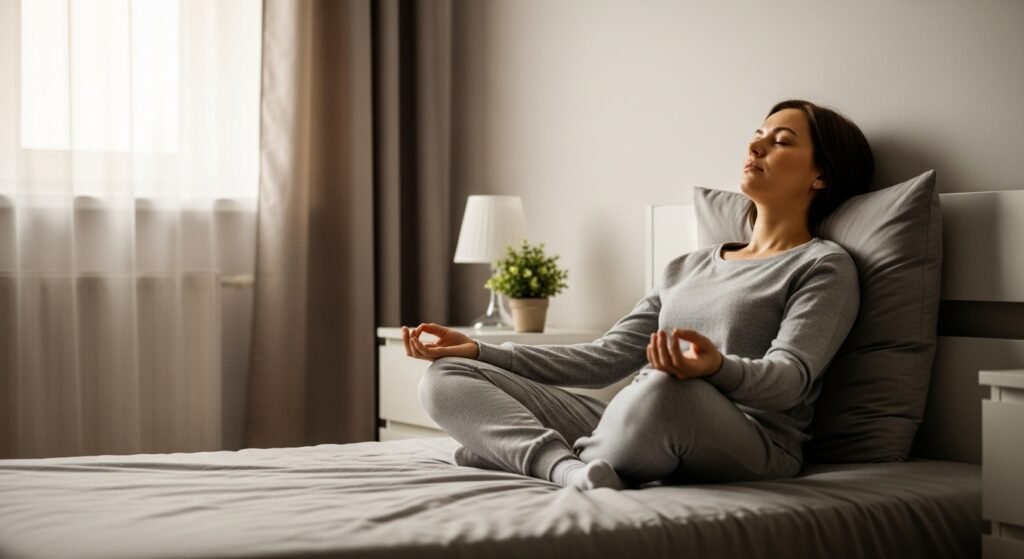
Every evening may be different; that is not surprising. The meditation is adaptable, be it in posture, length, or attention; hence, it is approachable. The experience is made comfortable by its flexibility. One has something to go by the gentlest means.
Pairing meditation with wind-down time
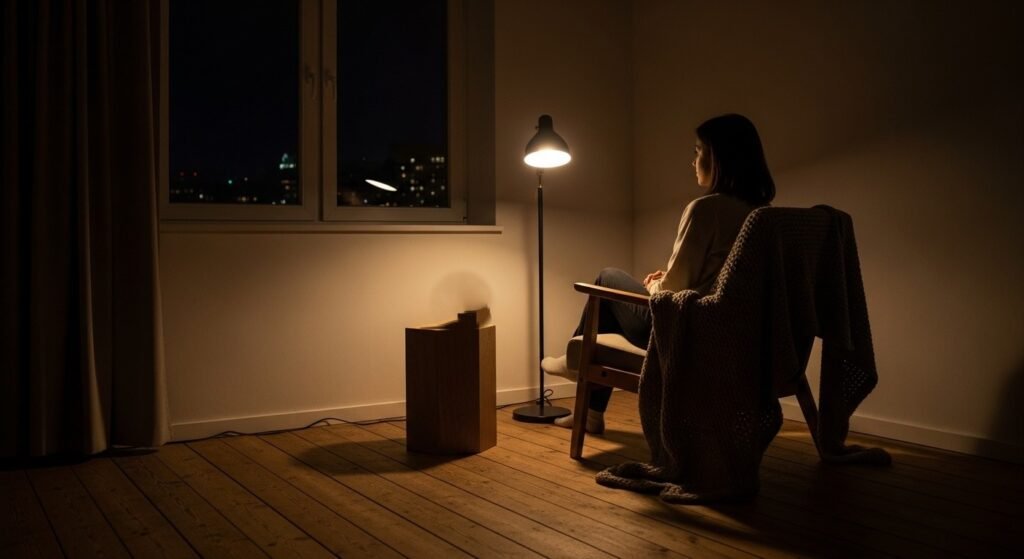
The practice of meditation usually goes hand in hand with other relaxing practices. The evening pace can be slowed down before starting so that one can easily get into the practice without being in a hurry. Even this match might be a natural one.
Letting sleep come on its own

The last thing to do can very well be nothing. Naturally, rest may come without work when the body and mind are ready to receive it following meditation. If it does, that can be enough.
