
There is one everyday movement that research keeps showing is one of the strongest predictors of how long and how well you will live: the ability to sit down on the floor and stand back up again without using your hands. This test, sometimes called the “sit-rise test” or “floor rise test,” has been studied in large groups of middle-aged and older adults. Here are 8 reasons this simple test is considered such a reliable window into your future health and longevity.
It Measures Real-World Lower-Body Strength
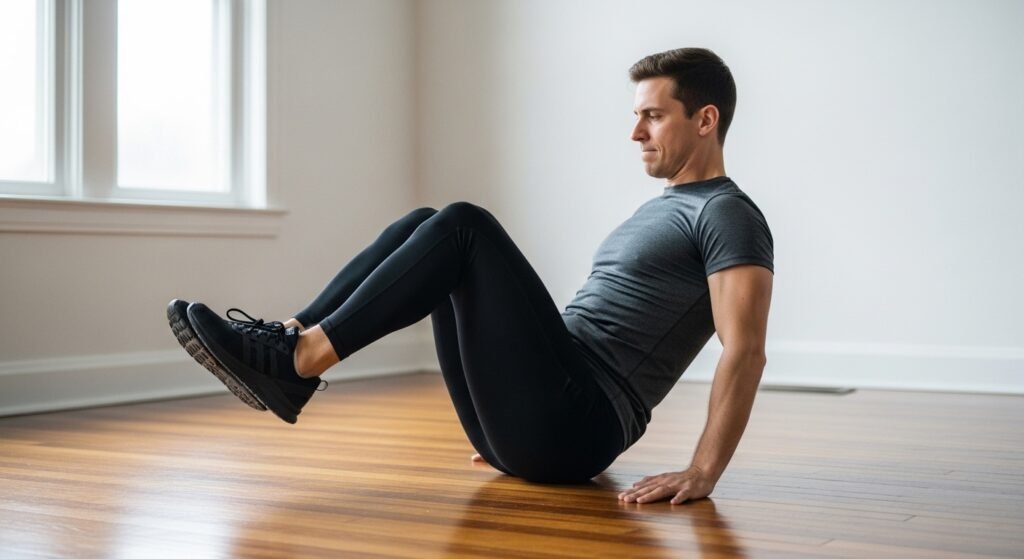
Standing up from the floor without hand support requires strong quadriceps, glutes, hamstrings, and core muscles. These are the exact muscles that protect against falls, maintain mobility, and keep you independent as you age. Losing this strength is one of the earliest signs of physical decline.
It Tests Dynamic Balance and Coordination

The movement demands smooth coordination between legs, trunk, and upper body, plus good proprioception (body position sense). Poor performance often means your balance and coordination systems are weakening, which directly increases fall risk.
It Reflects Functional Independence

Being able to get down to the floor and stand up is tied to daily activities: sitting on low furniture, playing with kids or grandkids, gardening, picking things up, or getting up after a fall. Losing this ability is one of the clearest early markers that someone is heading toward reduced independence.
Large Studies Show Clear Longevity Differences
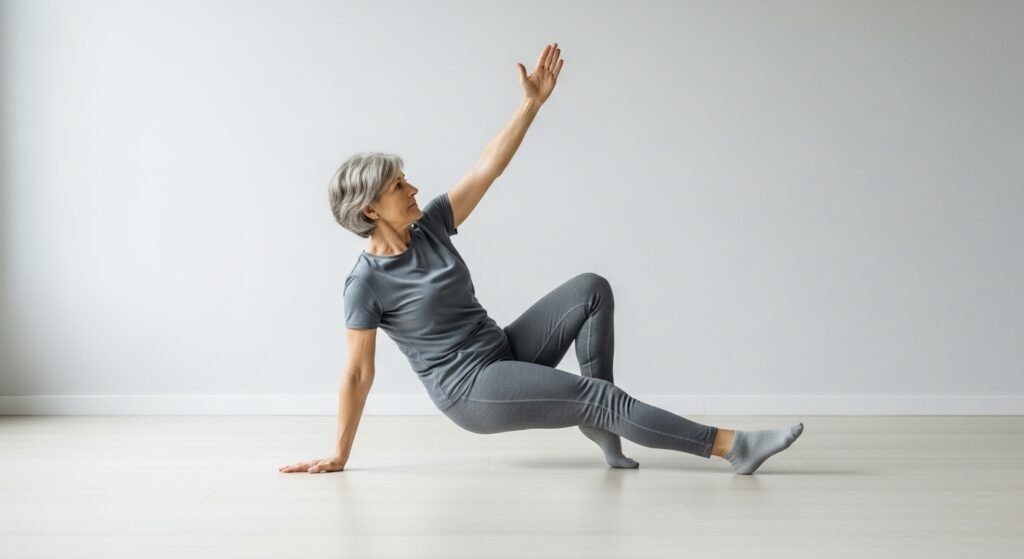
In a well-known Brazilian study published in the European Journal of Preventive Cardiology, researchers followed over 2,000 adults aged 51–80. Those who needed hand support or multiple attempts to stand up had a much higher risk of dying over the following years, even after adjusting for age, sex, BMI, and other health factors.
It Often Outperforms Traditional Fitness Tests
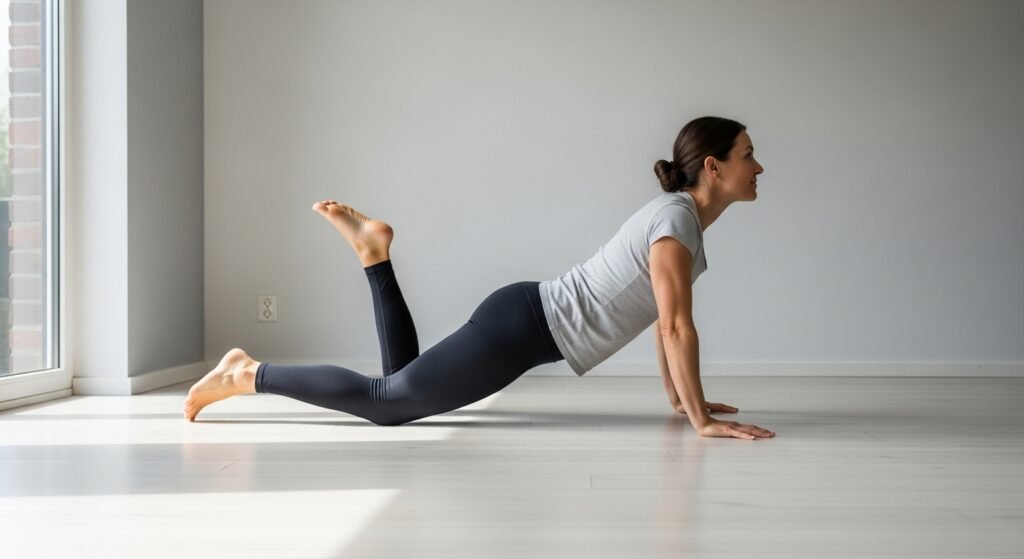
In head-to-head comparisons, the sit-rise test frequently predicts future disability, hospitalization, and mortality better than grip strength, walking speed, or even the classic 30-second chair-stand test. It captures multiple systems (strength, power, balance, flexibility, coordination) in one quick movement.
The Ability Starts Declining Earlier Than Most People Notice

Many people in their 40s and 50s already find it harder than they did in their 30s, especially if they stopped regularly sitting on the floor. Once lost, it becomes much harder to regain due to reduced muscle power and joint mobility.
It Is Trainable and Reversible for Most People
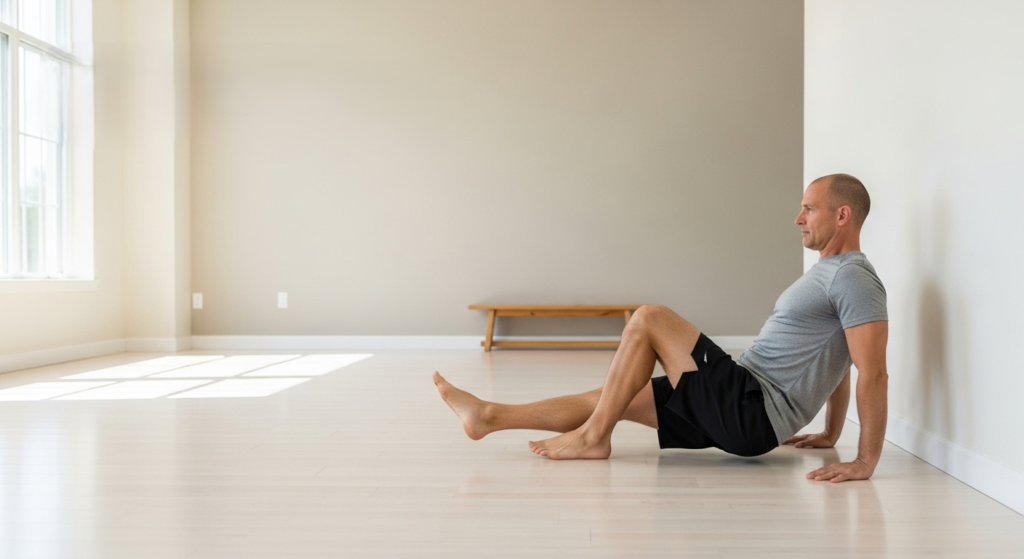
Unlike many aging markers, this skill can improve dramatically with consistent practice. Daily or weekly practice of safe floor-to-stand movements (using a chair or wall for support at first) helps most adults regain or maintain it well into their 70s and 80s.
It Acts as a Free, Daily Self-Check

You need no equipment and no gym. Simply sitting down on the floor and standing up a few times a week gives instant feedback on how your strength, mobility, and coordination are holding up. It is one of the most honest and practical self-assessments you can do.
