
Reaching your 60s, 70s, or beyond doesn’t mean accepting weakness as inevitable. Many people in their later years stay remarkably strong, mobile, and independent simply by maintaining certain practical, everyday abilities. These aren’t gym feats or athletic tricks — they’re ordinary movements that show your body is still functioning well and aging successfully.
If you can still do most or all of these 10 common activities without major difficulty, research shows you’re likely in much better physical shape than the average person your age. Here’s the list experts use to gauge real-world functional fitness in older adults.
Stand up from a chair without using your hands
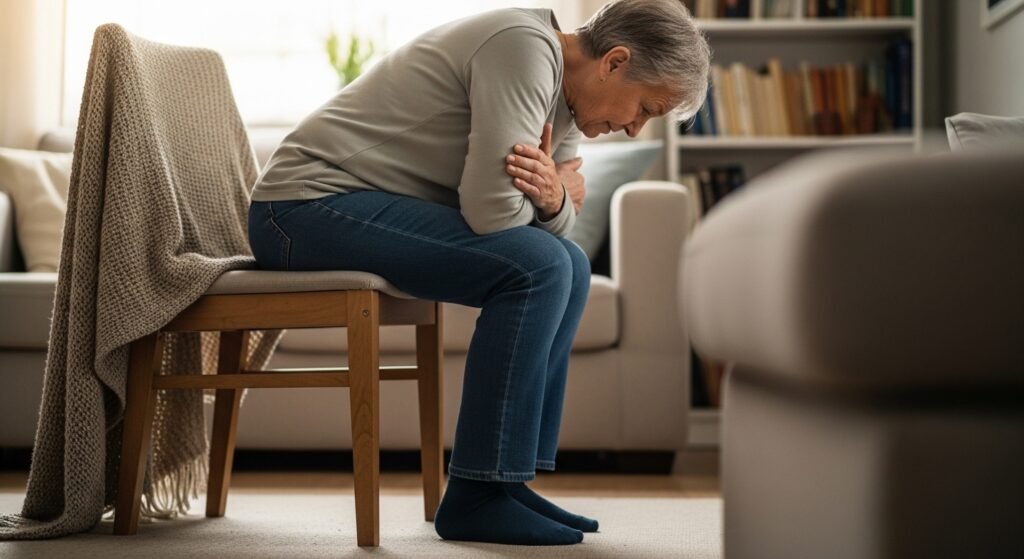
Getting up from a seated position without pushing off with your arms requires good leg strength, core stability, and balance. People who can do this easily usually have preserved lower-body power and are at much lower risk of falls.
Walk up and down a flight of stairs without holding the rail
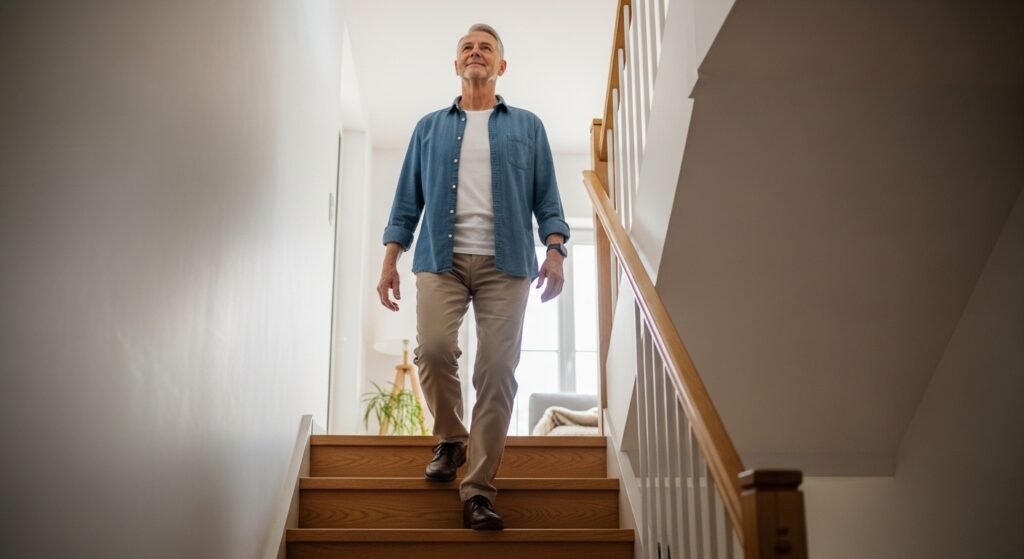
Climbing stairs without gripping the handrail shows solid leg strength, hip mobility, and dynamic balance. Many older adults lose this ability because they stop challenging it — those who keep it tend to stay more independent longer.
Get down to the floor and stand back up again
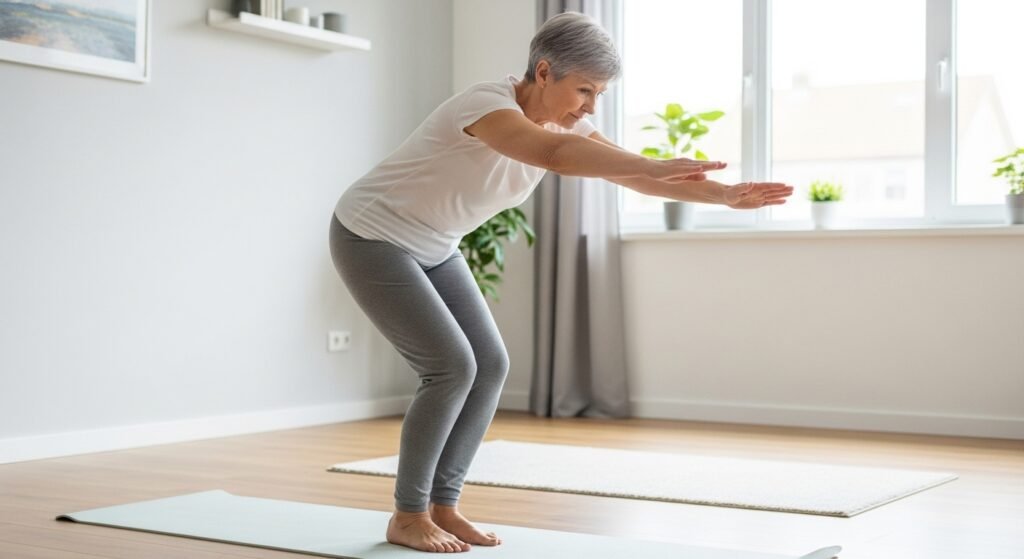
Being able to lower yourself to the ground (even if slowly) and then stand up without crawling, pulling on furniture, or needing help is one of the strongest predictors of long-term mobility and lower fall risk.
Carry a bag of groceries 50–100 feet without stopping

Functional grip strength, shoulder stability, and cardiovascular endurance are all required to carry moderate weight for a short distance. This simple task reflects real-life capability far better than lifting dumbbells in a gym.
Balance on one leg for 10 seconds (with eyes open)

Single-leg balance is a quick, reliable test of overall stability, ankle strength, and nervous system coordination. Most people over 70 struggle with this — those who can do it comfortably have significantly lower fall risk.
Bend down and pick something up from the floor
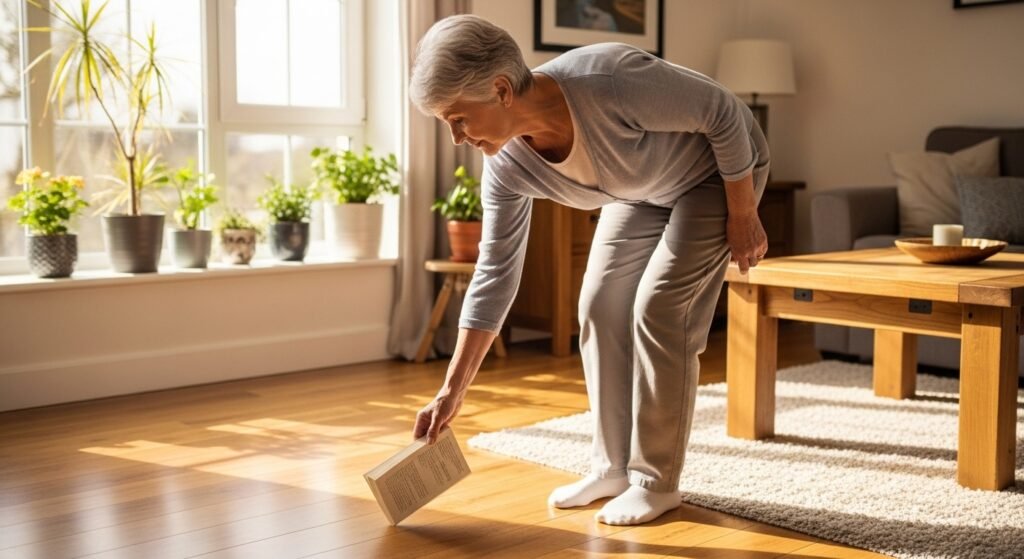
Touching the floor without pain, excessive stiffness, or holding onto something shows good hip flexibility, lower-back mobility, and hamstring length. This everyday movement keeps disappearing for many people after 60.
Sit on the toilet and stand up without arm support
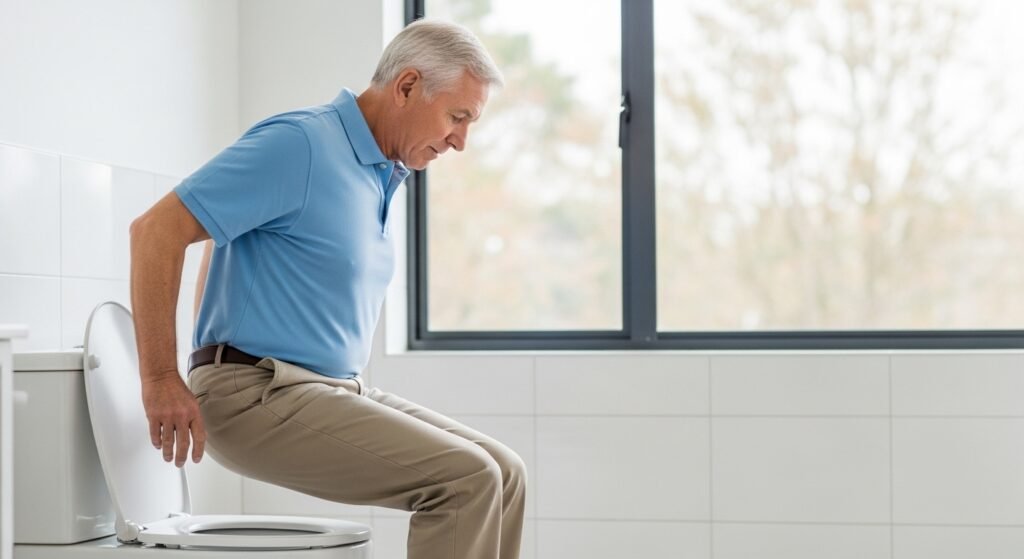
The toilet transfer is one of the most practical tests of lower-body strength and core control. Being able to do it smoothly without pushing off the arms or nearby surfaces indicates strong functional independence.
Walk at a brisk pace (3–4 mph) for 6–10 minutes without stopping
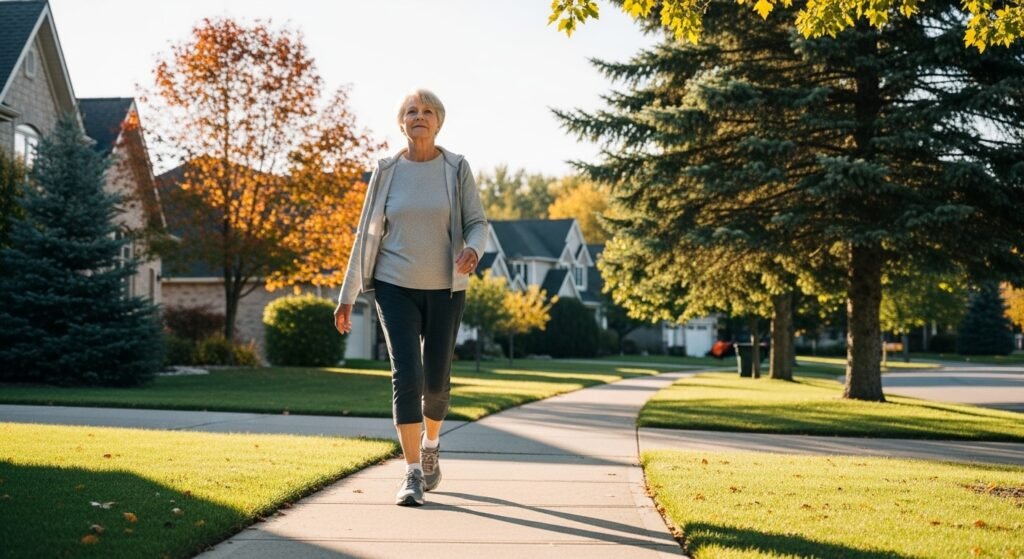
Maintaining a purposeful walking speed for several minutes without needing to pause reflects solid cardiovascular fitness, joint health, and muscular endurance. Slow walking speed is one of the earliest signs of declining overall health.
Lift a small grandchild or a 10–15 lb bag overhead
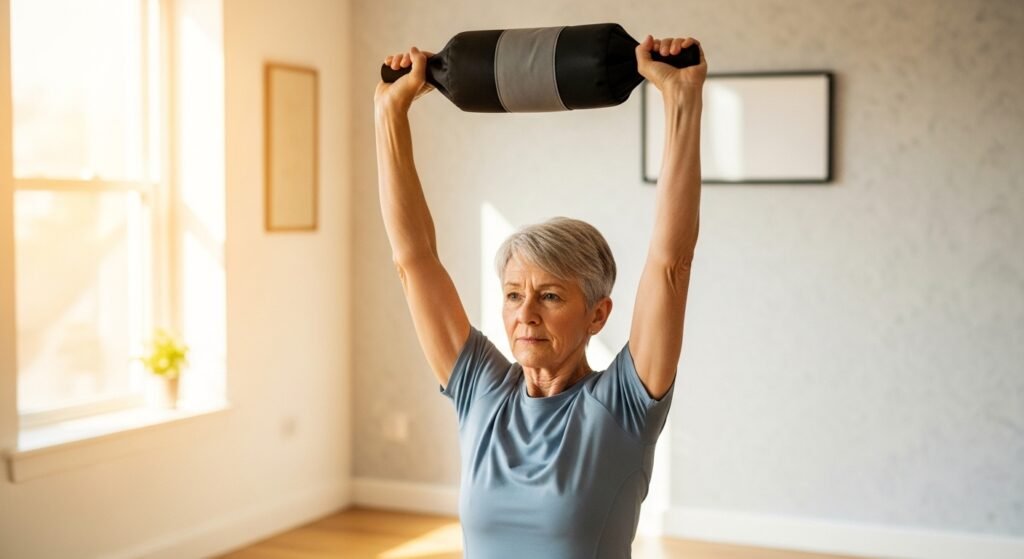
Reaching overhead with some weight requires shoulder mobility, upper-back strength, and core stability. Many older adults lose this range and strength — those who keep it tend to stay more active and capable.
Turn your head to look over your shoulder while driving or walking

Full neck rotation without pain or dizziness is essential for safe driving, crossing streets, and noticing surroundings. Losing this mobility increases fall risk and reduces confidence in everyday situations.
