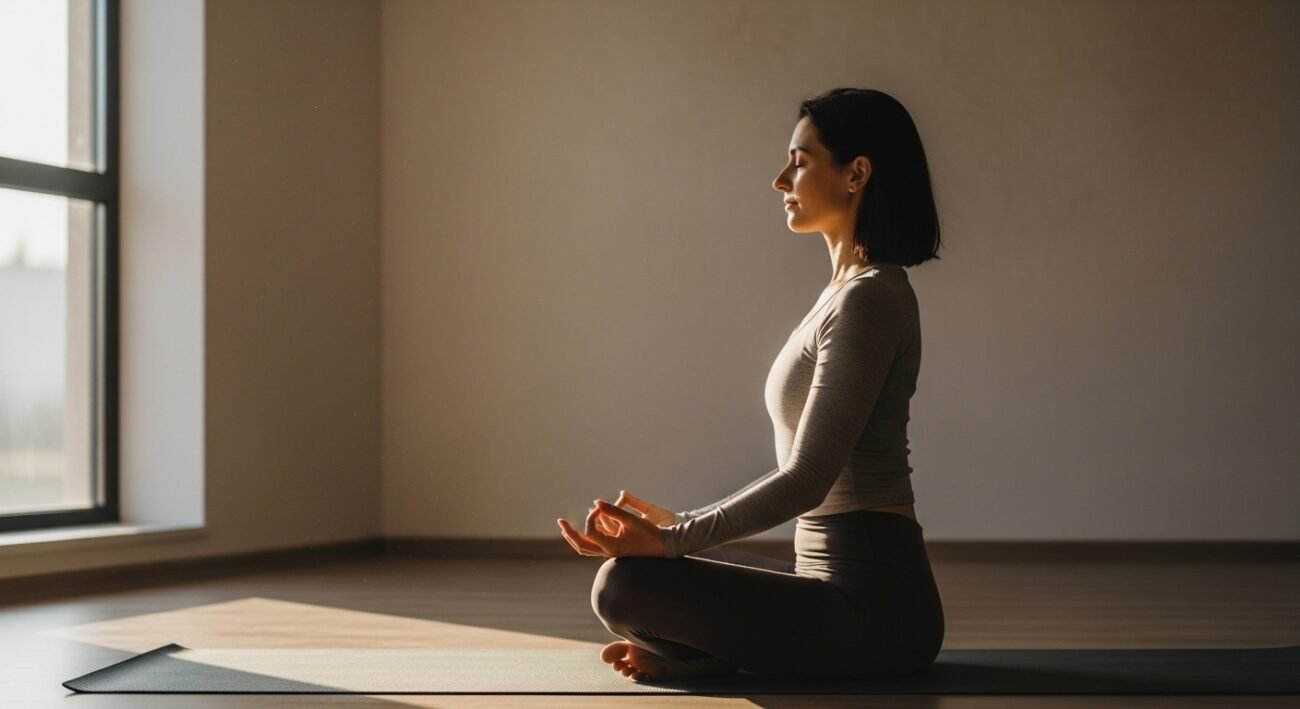
Yoga is commonly seen as a collection of fixed poses, but when practiced daily, it serves as an advanced technique for managing both metabolic energy and brain concentration. The main reason people cannot maintain their energy levels results from their physical and mental stress which acts as a “drag” that needs to be overcome. By starting a beginner yoga practice, you shift from a time of inactivity to a period of active recovery. The new habit helps to clear lymphatic pathways, boost breathing capacities and restore the nervous system from its relaxed state to a fully alert condition. The body develops internal energy pathways through movement, which enables energy to move freely without hindrance. You can achieve long-lasting energy through yoga by using the 10 poses.
Bridge Pose (Setu Bandha Sarvangasana) for Lower Back Relief

The exercise of raising hips from a lying position helps to develop strength in the back side muscles. The chronic back pain relief from this habit eliminates an energy drain which most people unknowingly carry with them during their daily activities.
Plank Pose (Phalakasana) for Core Engagement
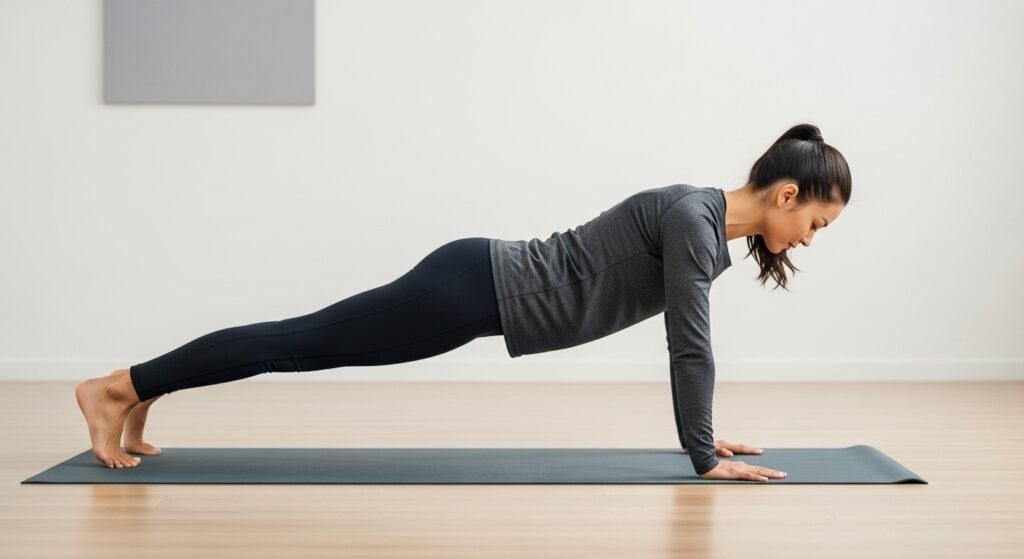
The exercise involves creating a straight body line from head to heels, which helps to develop core strength. The body requires less energy to complete daily tasks when core muscles are strong because they work as movement stabilizers.
Corpse Pose (Savasana) for Deep Integration
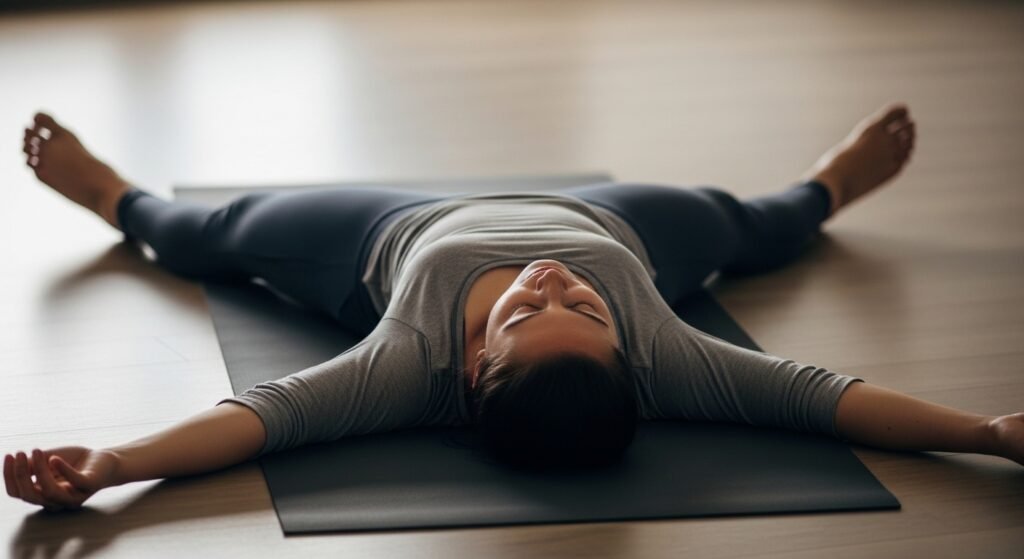
The body reaches its peak recovery state through complete stillness at the session’s ending point. The body must move through its complete range of motion to achieve optimal recovery, which results in you feeling energized instead of worn out.
Nasal Breathing Integration
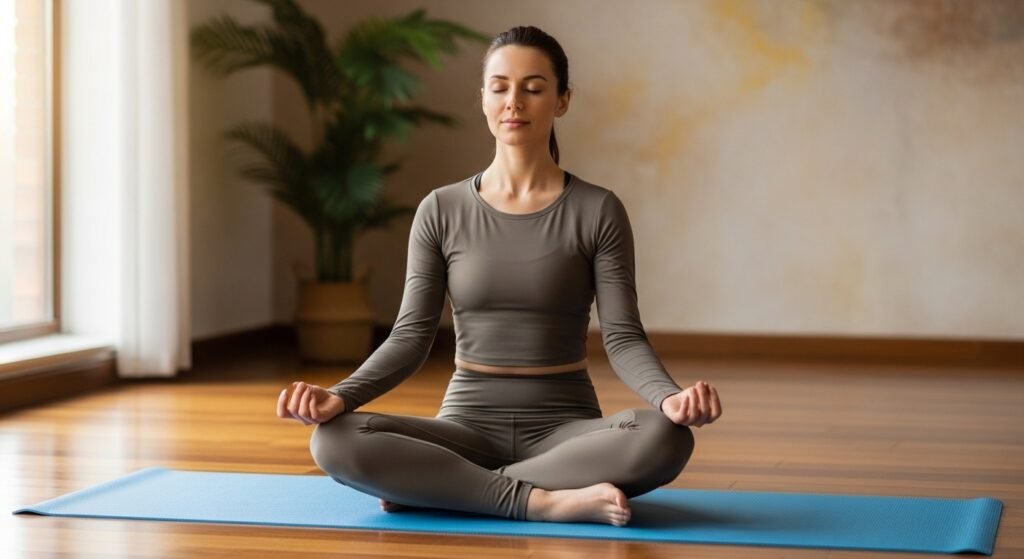
Focusing on breathing through the nose during yoga is a vital habit. The system purifies and heats air while its effects people’s energy patterns by controlling their vral nerve function.
Environment Priming (The “Mat” Cue)
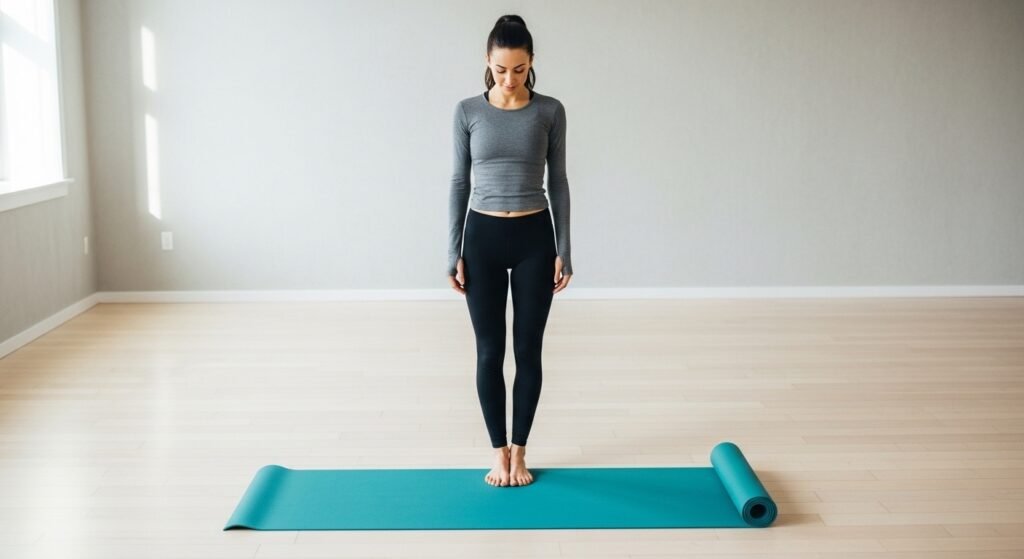
Leave your yoga mat in a visible spot. The habit uses “visual architecture” to remind your brain to move, which decreases willpower requirements for starting practice during low-energy times.
Warrior I (Virabhadrasana I) for Confidence and Strength

The standing lunge exercise develops lower body strength while helping the chest area to expand. The practice of “Warrior” poses boosts your respiratory capacity, which helps your blood achieve its highest oxygen levels for maximum energy output.
Mountain pose (Tadasana) for grounding

Standing tall with feet hip-width apart and arms at your sides might seems simple, but it is the blueprint of all other poses. The habit improves posture and alignment, which allows your body to use less energy while standing against the force of gravity.
Child’s pose (Balasana) for nervous system

It reset the restorative pose requires the practitoner to kneel down and bend forward to the ground. The brain enters :rest and digest” mode through this routine, which prevents people from experiencing late-afternoon energy drops because it stops adrenaline production during stressful situations.
Cat-Cow Stretch (Chakravakasana) for Spinal Mobility
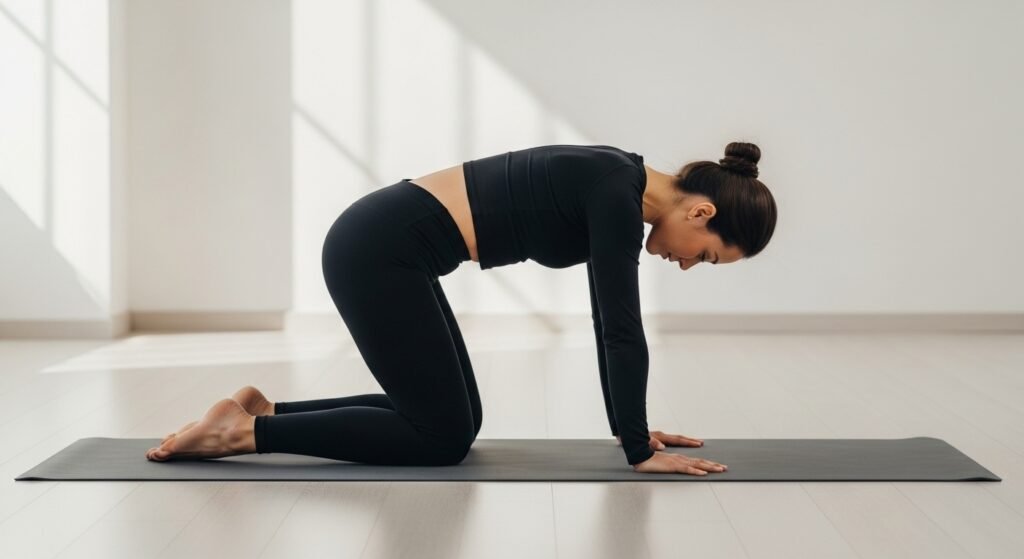
The spine needs to flex and extend its range of motion to achieve optimal spinal health and central nervous system activation. Long periods of sitting require this habit because it helps to reverse the “desk-bound” body’s sluggishness.
Cobra Pose (Bhujangasana) for Lung Expansion
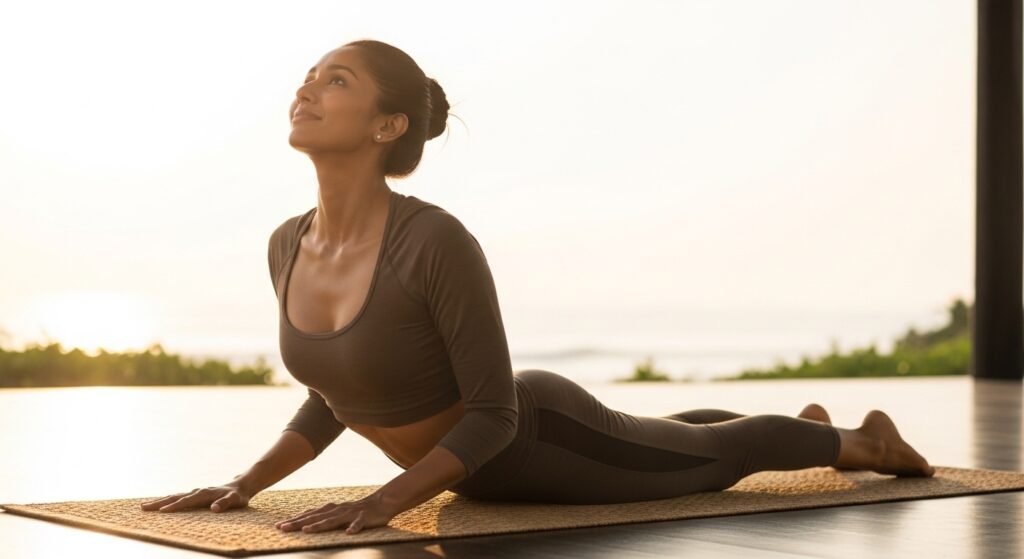
The lung and heart areas open through back arching while you lie on your stomach. The habit helps people who struggle with fatigue “slump” by creating physical space to support deep breathing, which provides cells with their essential energy.
