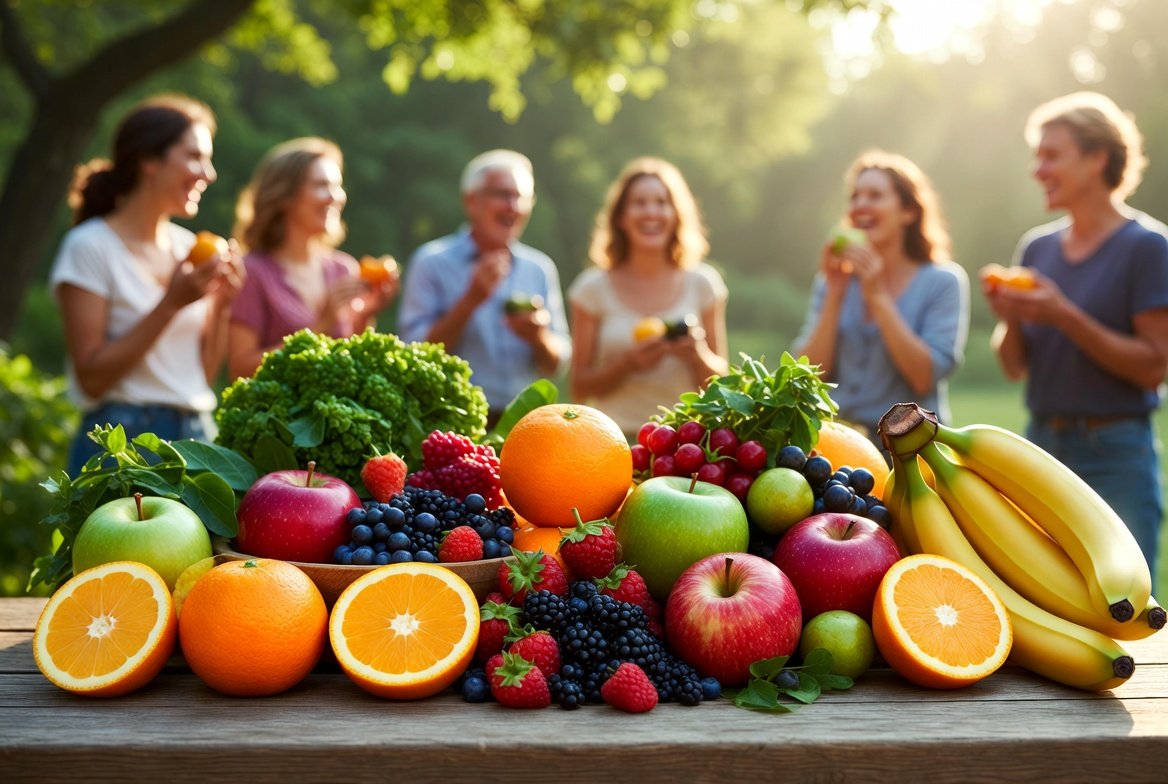
The process of finding the optimal daily fruit intake requires the assessment of micronutrient levels against the body’s need for metabolic equilibrium. Fruit provides more than fructose because it functions as a biological system that delivers fundamental vitamins and minerals and antioxidants together with multiple types of fiber which human cells require for their active operations. Health experts from the World Health Organization (WHO) and the USDA now utilize the “dose-response” approach because it establishes that minimal dietary intake prevents deficiency yet increased intake within a balanced diet actually boosts body strength beyond its defense base. The practice of viewing fruit through the concept of nutritional self-kindness leads us to abandon restrictive eating behaviors while we establish a system that gives our body the necessary phytochemicals to maintain proper inflammation control and digestive function and energy generation.
The Standard Quantitative Baseline

Most clinical guidelines suggest a minimum of 1.5 to 2 cup-equivalents of fruit per day for the average adult. The calculation establishes Vitamin C and potassium and dietary fiber requirements which are presented in this volume help to sustain both cardiovascular health and immune system operation.
Defining a “Serving” Size

A serving consists of one medium-sized whole fruit (like an apple or orange) or a half-cup of dried fruit or one cup of fresh and frozen and canned fruit according to the definition established for serving size. The standardization process enables consumers to monitor their food consumption without needing to perform intricate calculations of caloric intake.
The Fiber-Matrix Effect

The structure of fruit digestion procures its sugars which exist as fructose together with other components within its fruit digestion path under its fibrous cellular matrix. The structure causes digestion to occur at a slower pace which leads to controlled glucose absorption by the body while it protects against high insulin level fluctuations that occur after consumption of processed sweet foods.
Hydration at the Cellular Level

Many fruits, such as melon and citrus, consist of over 80-90% water. Structured water exists as a package which contains electrolytes to offer a form of hydration that kidneys use and body leaves for skin hydration.
Gut Microbiome Support

Fruits contain prebiotics, specifically non-starch polysaccharides like pectin. The fibers move through the digestive system until they reach the colon where beneficial bacteria use them for fermentation which helps to create a strong diverse gut microbiome.
Whole Fruit vs. Fruit Juice
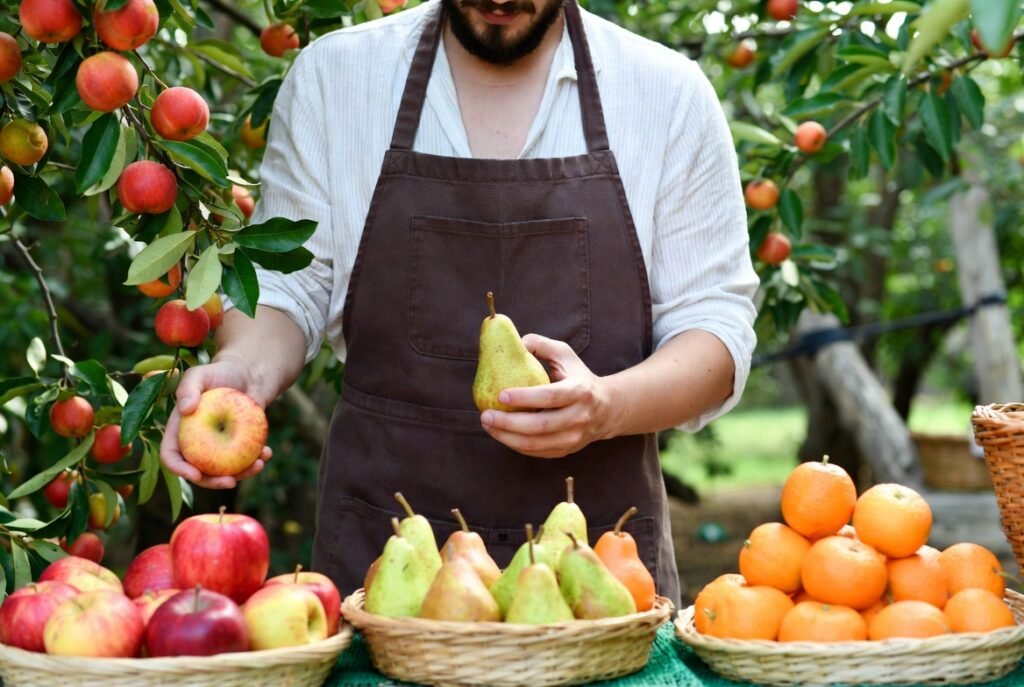
The vitamins present in 100% juice provide nutritional value yet the juice does not contain the structural components which exist in whole fruit. Daily recommendations emphasize whole fruit to maintain a lower glycemic response and to ensure the mechanical benefits of fiber on the digestive tract.
Natural Energy via Fructose
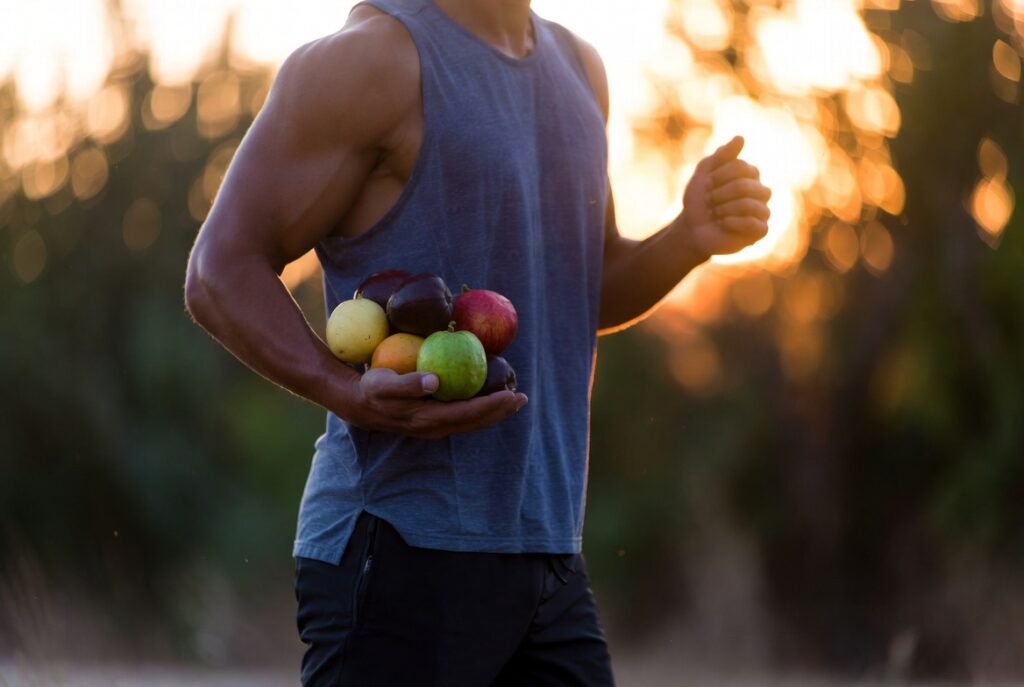
The sugars found in fruit deliver a continuous flow of glucose which powers brain functioning and muscle activity. Daily fruit consumption provides an energy boost that functions as an energy source without causing the energy drop which occurs after eating refined carbohydrates.
Anti-Inflammatory Properties

Chronic low-level inflammation creates health risks that lead to multiple diseases. The body uses polyphenols found in stone fruits and berries as anti-inflammatories which control cytokine production while helping the body recover from illnesses.
The Seasonal Availability Perspective
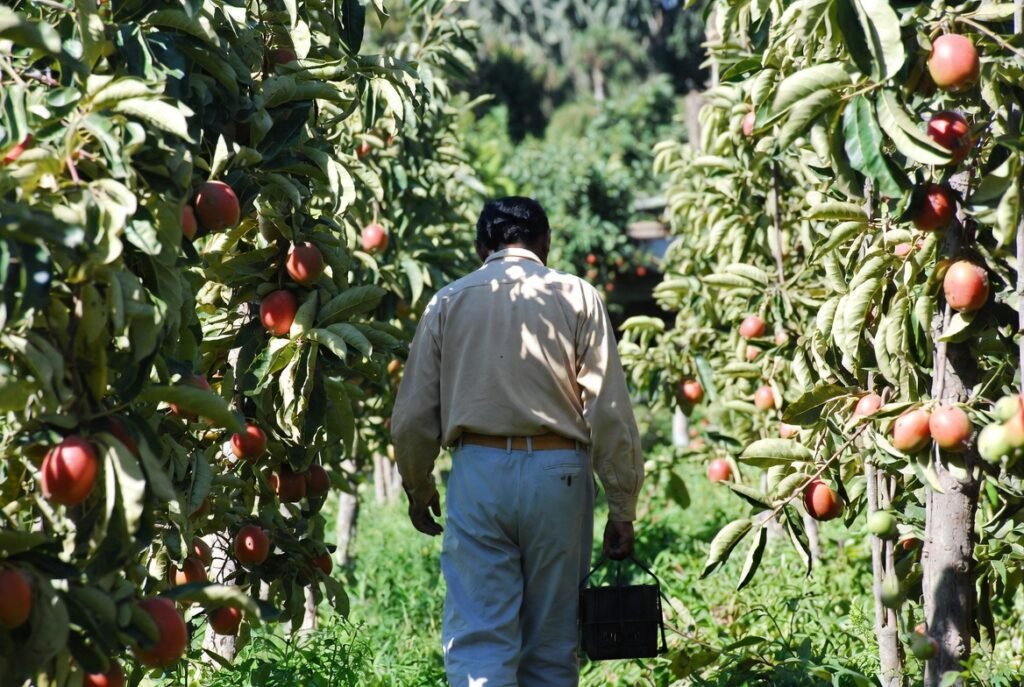
Practicing nutritional self-kindness involves eating with the seasons. Seasonally harvested fruit contains its greatest amount of micronutrients together with enzymes since it collects its full nutrient potential at the point of maximum maturity.
