The common belief about meditation exists because people see it as a mystical condition or as a methodical practice to achieve total mental emptiness. The practice of meditation should be understood as a methodical approach to teaching people how to control their attention according to physiological and psychological standards. The practitioner must perform a cognitive workout which transforms his active “doing” mode into a witnessing “being” mode. Through focused attention on one particular element—like breathing or hearing or feeling something—beginners can start to reduce their body’s stress response while activating their rest-and-digest response. The process requires no belief system changes because it uses brain neuroplasticity to develop emotional control and concentration abilities.
Establishing a Functional Posture

While “lotus position” is iconic, the only requirement for beginners is a posture that is both alert and relaxed. Sitting requires people to choose between two options which include sitting upright on a chair or sitting cross-legged on a cushion because both methods need them to keep their spine straight to avoid falling asleep while maintaining their ability to breathe through their diaphragm.
The Reality of the “Monkey Mind”

People incorrectly believe that a successful session must have no mental activity. The main part of the exercise occurs when you become aware that your mind has strayed because that moment functions as a training session for your concentration muscles.
The Five-Minute Entry Point

Science suggests that consistency is more important than duration. The practice of five minutes daily makes it easier for people to start their meditation because it creates a lower threshold which enables their body to progress through the system’s gradual changes.
Handling Physical Distractions

The practice of meditation requires you to first watch the body sensation before you start to react to it when an itch or a leg cramp becomes present. The ability to create space between external events and your emotional reactions will develop into a skill that you can use in everyday situations.
The Role of Environment
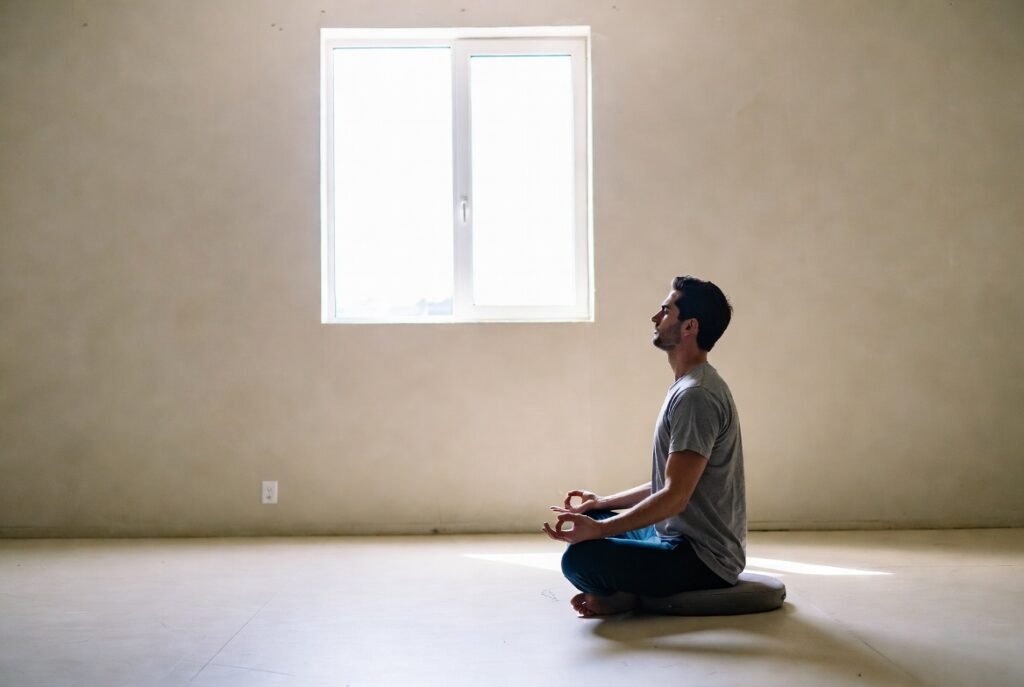
While you can eventually meditate anywhere, beginners should seek a quiet space with minimal interruptions. The brain achieves greater focus through this process because it decreases cognitive demands which are needed for maintaining concentration during habit development.
The Transition Phase

The way you complete a session has equal significance to the way you start it. You should take 30 seconds to recognize your current mind state before beginning your work which requires quick mental refocus to formal work and space management.
Understanding Guided vs. Unguided Sessions

Beginners often benefit from guided meditations (voice instructions) to provide structure. The people who have developed their “internal monitoring” capability will transition to using unguided sessions because they want to raise their independence level while improving their concentration.
