
The traditional measurement of hydration through volume for the standard “eight glasses a day” guideline has been updated by modern physiology which shows that people should pay equal attention to their drinking times and their drinking volumes. The body does not have a water storage system because it needs to keep water balance which the kidneys and brain and endocrine system work together to maintain. The process of “chrono-hydration” requires people to drink fluids at times which match their body’s natural sleep and metabolic cycles. The practice of drinking water at designated times helps people improve their stomach emptying process while boosting nutrient intake and sustaining mental focus without straining their kidney function. The method introduced by this system breaks away from “panic-hydrating” which involves drinking large quantities only when people feel thirsty and switches to a daily drinking method that helps the body maintain its balance.
Immediate Post-Wake Replenishment

The body experiences its first signs of dehydration after six to eight hours of sleep according to medical science. The body needs 16 ounces of water after waking up because it helps “prime” the internal organs while activating kidney filtration and supporting blood circulation to remove overnight metabolic waste.
The 30-Minute Pre-Meal Window
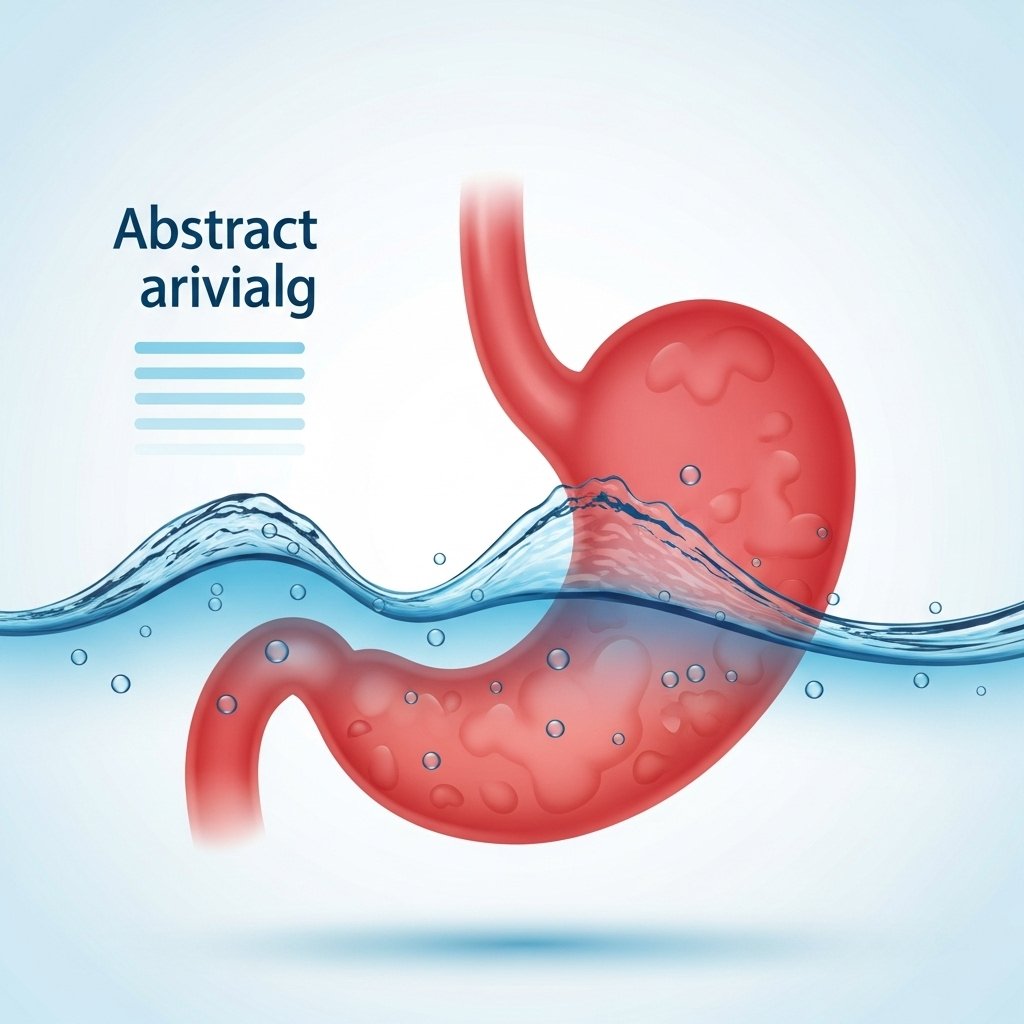
Drinking water approximately 30 minutes before a meal can improve metabolic efficiency. The planned stomach preparation for digestion helps people to eat less because it produces natural feelings of fullness which block them from consuming too many calories during meals.
Strategic Hydration During Meals
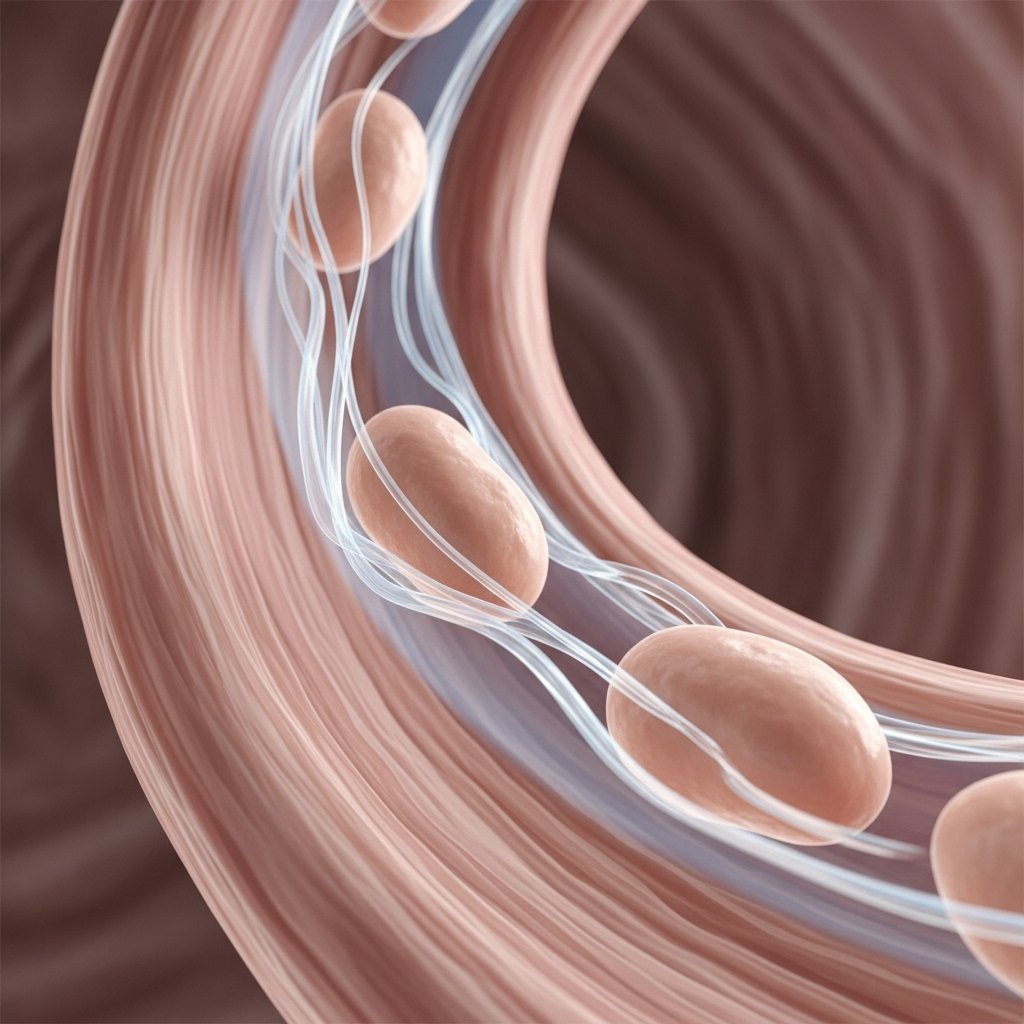
People believe that drinking water during meals makes digestive enzymes less effective yet eating small amounts of water helps digestion. Water helps to soften food bolus thus enabling it to flow through the esophagus while its digestive enzymes work optimally to digest the food particles that have been broken down.
Before High-Focus Cognitive Tasks

Brain tissue contains 75% water content so even minor dehydration of 1 to 2% will cause people to experience “brain fog” which reduces their ability to concentrate. People should drink water before starting hard brain work because it helps their body maintain optimal neurotransmitter activity and oxygen distribution.
Pre-Exercise “Priming”

People should begin drinking fluids for their workout at least two hours before their scheduled exercise time. The body needs this time because the fluid needs to reach the cellular level before kidney functions can process it which keeps the body from experiencing cramps while improving its ability to regulate core temperature through perspiration.
Post-Workout Replacement

The body requires water after exercise to support muscle recovery while removing metabolic waste materials and lactic acid from the system. The body loses fluids through weight changes therefore weighing yourself before and after exercise allows you to calculate your fluid loss which helps you hydrate correctly.
Mid-Afternoon Vitality Reset

The hours between 2:00 PM and 4:00 PM create an energy decline for most individuals. People should drink cold water instead of caffeine, which prevents proper sleep later in the day because cold water creates a body “reset” that helps people stay alert by enhancing their blood circulation.
The optimal drinking time occurs when your urine shows dark color
Instead of following a specific time schedule. The color of your urine provides a neutral reliable method to assess whether your current timing meets your body’s unique and fluctuating needs.
