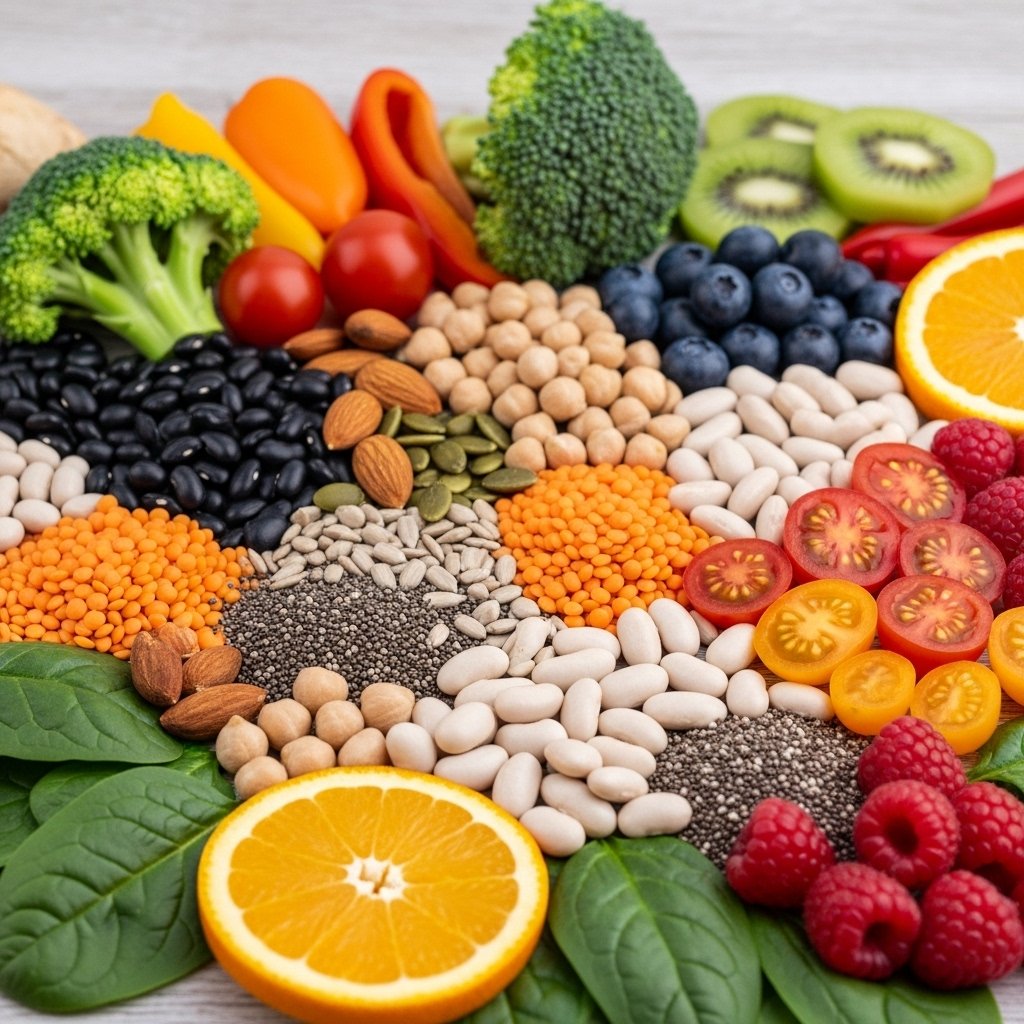
The wellness community uses the term “Fibermaxxing” which describes the intentional increase of dietary fiber consumption to amounts that are much higher than current average dietary practices. The indigestible parts of plant foods which function as dietary fiber are divided into two primary categories: soluble and insoluble fiber which each serve separate biological functions. The dietary guidelines establish a daily intake range between 25 and 38 grams however the maximalist approach aims to achieve or surpass this range to obtain particular metabolic and digestive advantages. The method achieves its best results when applied to specific gut microbiome profiles which include hydration levels and metabolic health status. People who want to adopt a high-fiber diet need to learn about the “fiber matrix” which explains how different plant fibers impact the human microbiome.
High fiber intake results in delayed sugar absorption
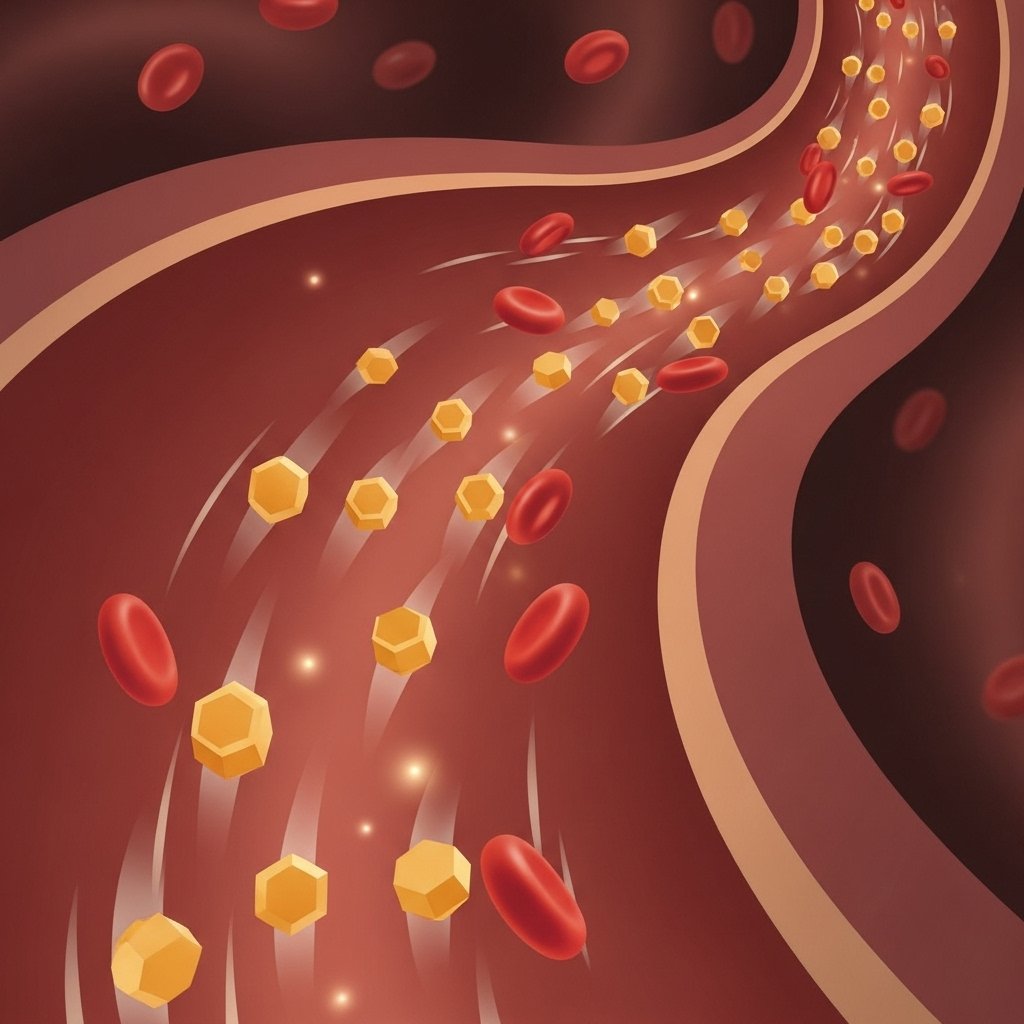
Which causes blood sugar levels to rise more slowly. The body breaks down food into glucose which leads to insulin release but this process becomes more even because high fiber food leads to slower glucose absorption.
Fiber acts as a prebiotic
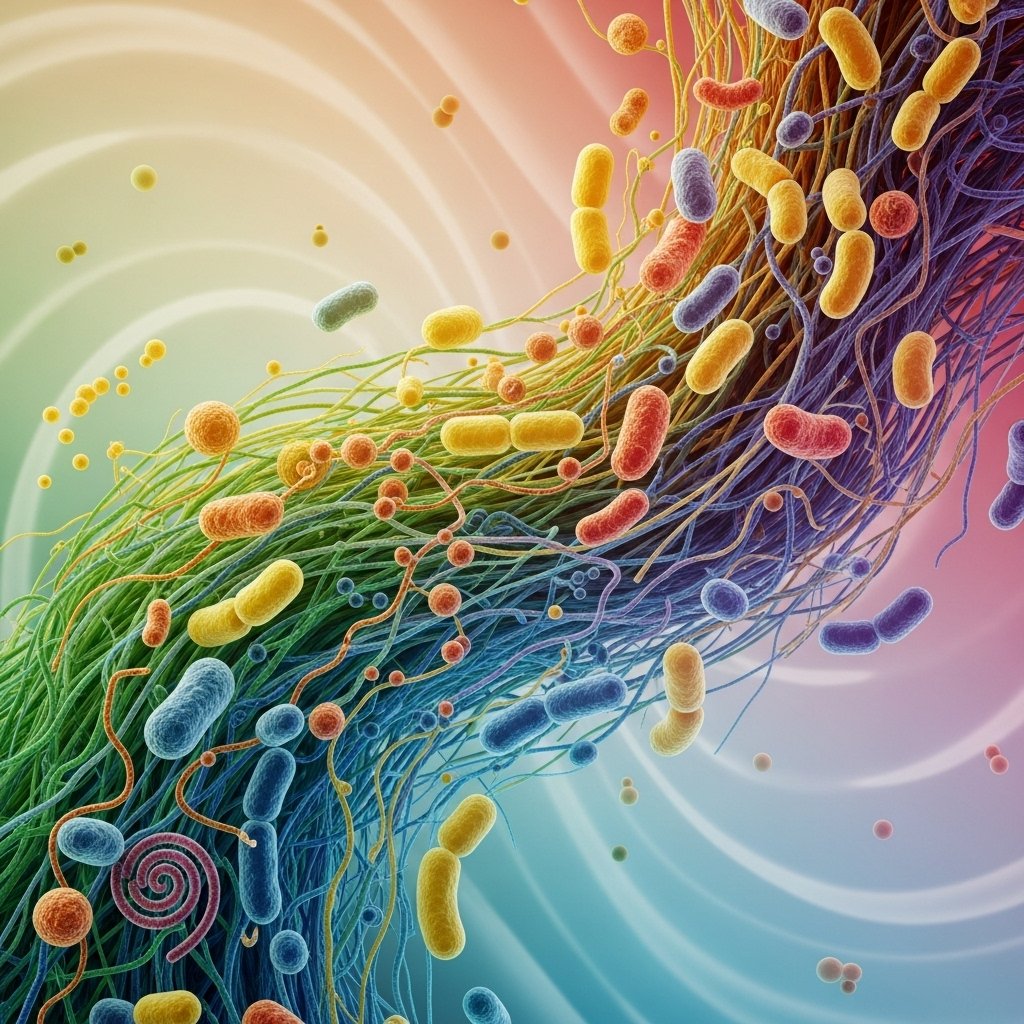
It delivers essential energy to the friendly bacteria living in our intestines. Picking higher fiber diets will boost microbiome diversity which acts as a vital indicator for complete metabolic strength.
Gut bacteria use fiber fermentation
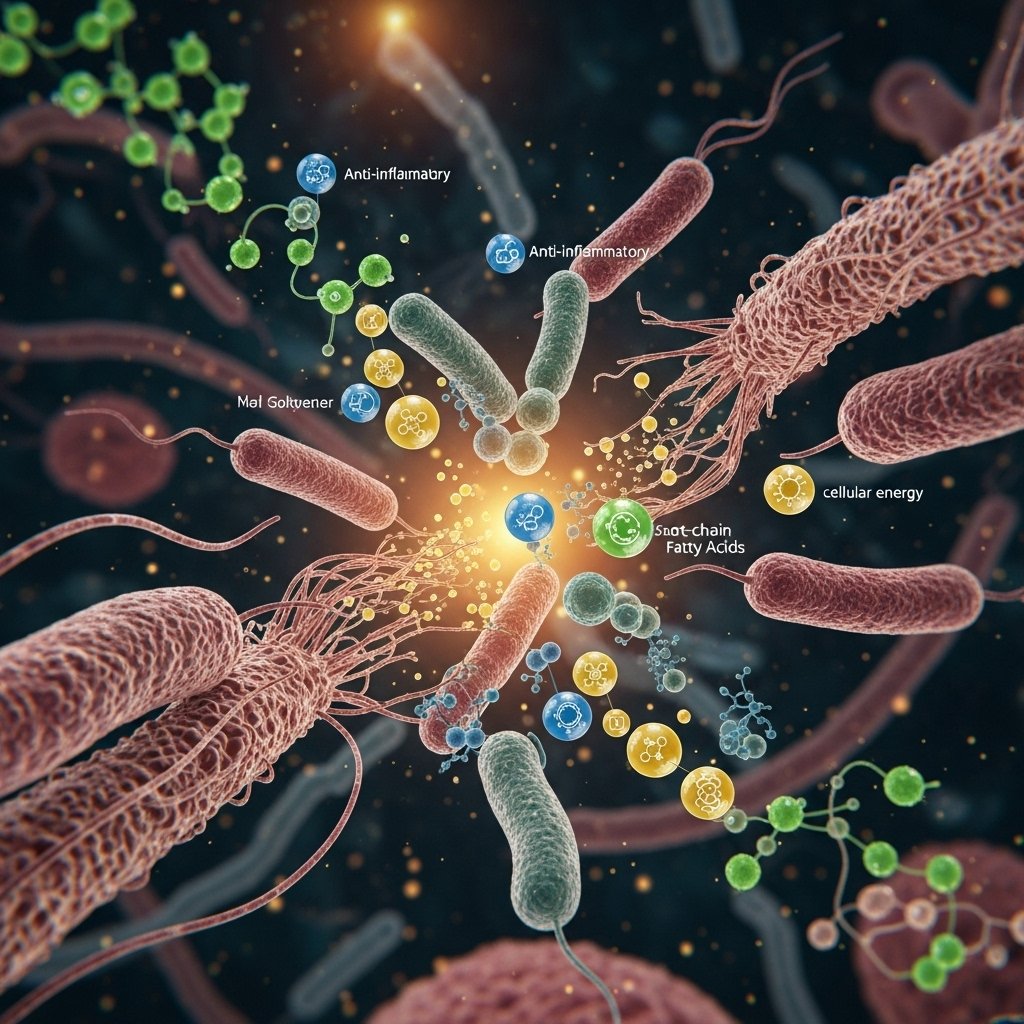
It creates short-chain fatty acids which include butyrate and propionate and acetate. The molecules have anti-inflammatory capabilities that affect the entire body while they serve as the main energy source for colon cell lining.
Hydration functions as a critical requirement
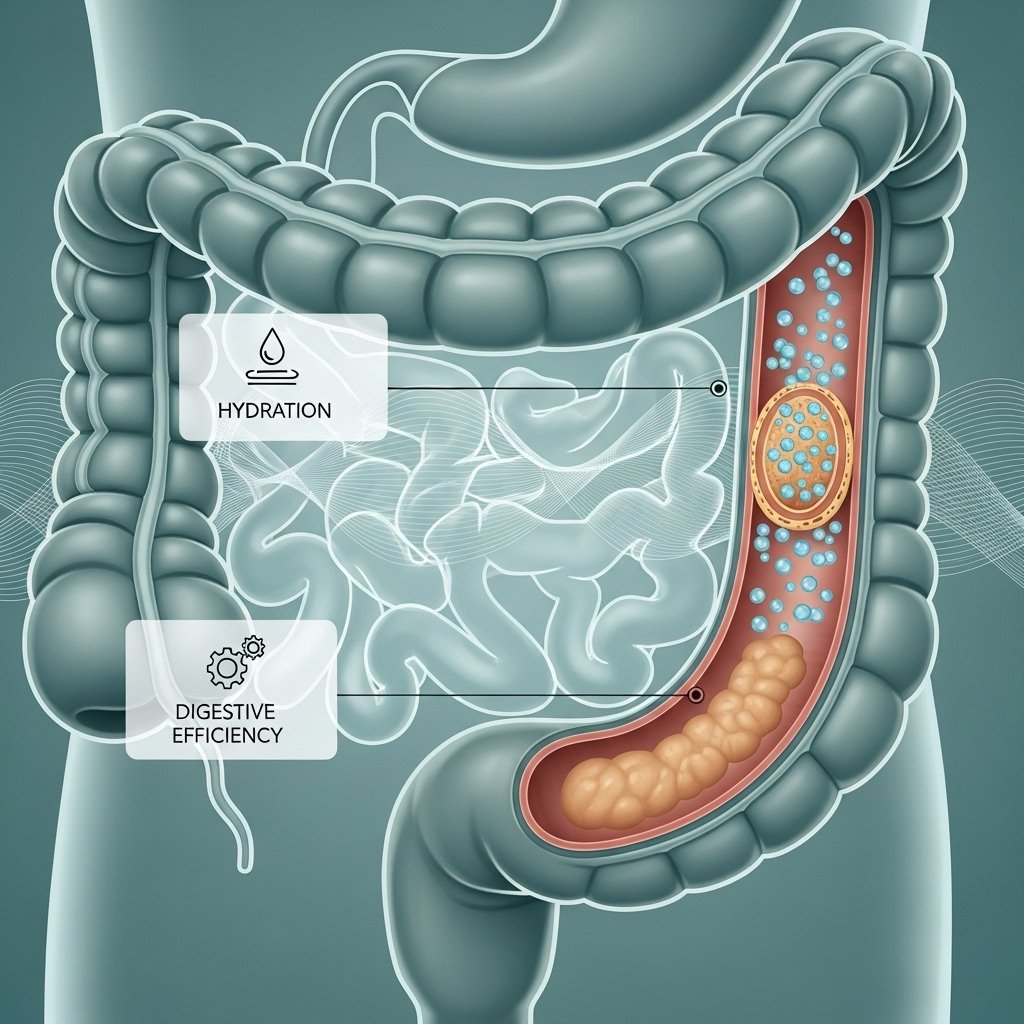
All activities people perform throughout their daily life. Fiber requires water for its functional process. High-fiber diets that do not increase fluid consumption lead to constipation because the body cannot pass thick dry fiber through the intestines.
Excessive fiber consumption leads to extreme cases
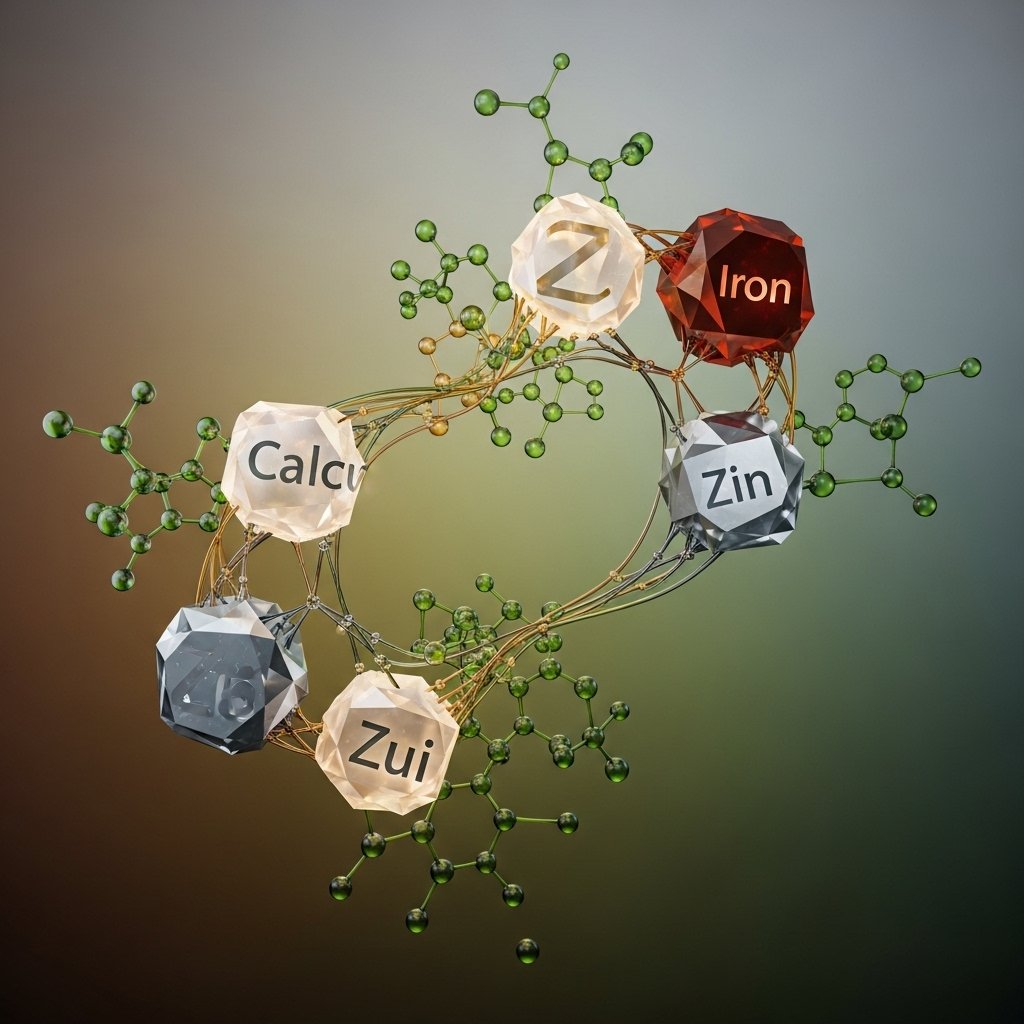
Phytates from high-fiber grains bind with calcium and zinc and iron. This may result in a minor reduction, but it has no impact on the nutritional benefits of a well-balanced diet.
Individuals with conditions like IBS or SIBO or IBD

They experience fiber reactions because particular fiber types, especially high-FODMAP fibers, will worsen their symptoms. The treatment of “fibermaxxing” should follow a clinical process which requires customized solutions for each individual.
Fiber increases stool bulk
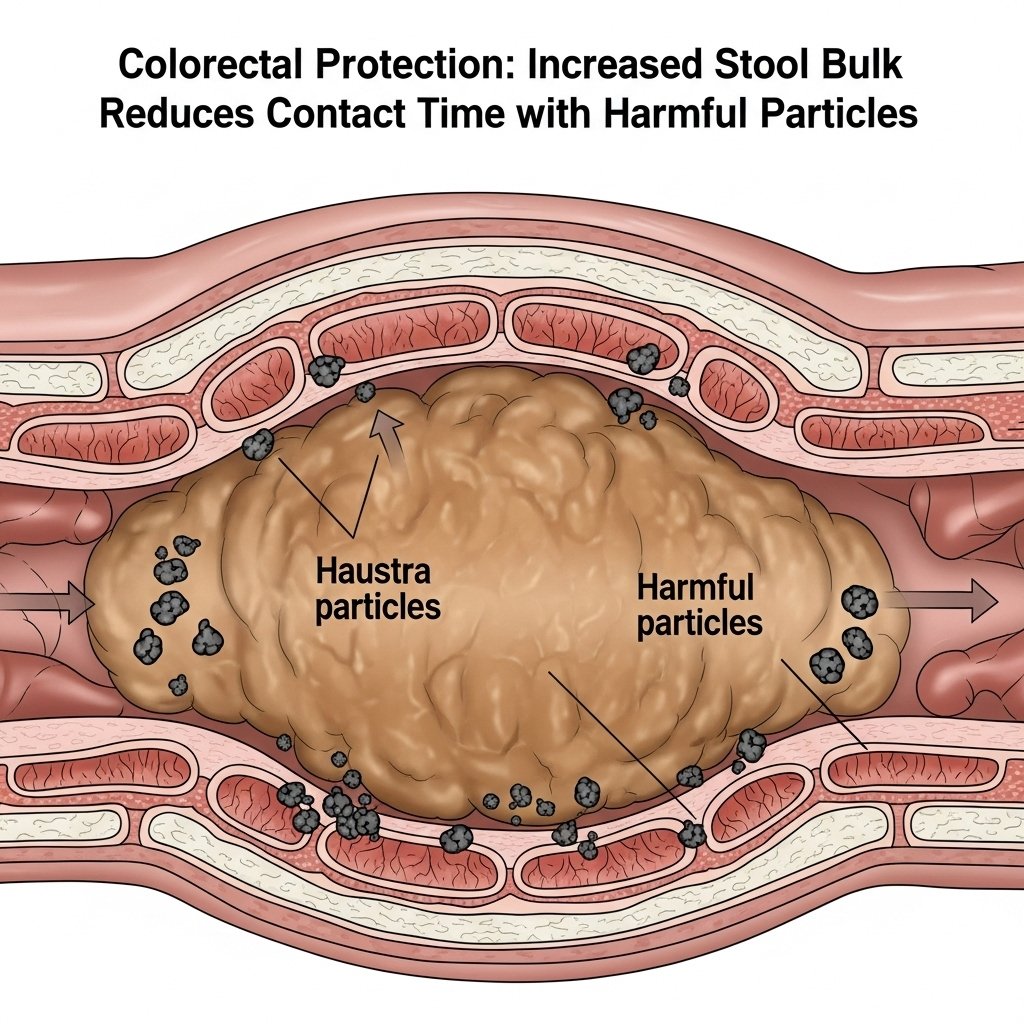
Which reduces transit time and this process protects the intestinal lining because it decreases the duration of carcinogen contact which is vital for maintaining colorectal health.
The body uses soluble fiber to create a binding connection with bile acids

Which then moves through the small intestine and gets eliminated by the body. The liver extracts cholesterol from blood to produce new bile acids which results in reduced LDL (low-density lipoprotein) cholesterol levels in circulation.
Fiber raises food volume

Because it adds bulk to meals without contributing extra calories. When the stomach fills up it activates stretch receptors which result in the body releasing CCK and GLP-1 satiety hormones that help control food cravings.
The Necessity of Gradual Adaptation
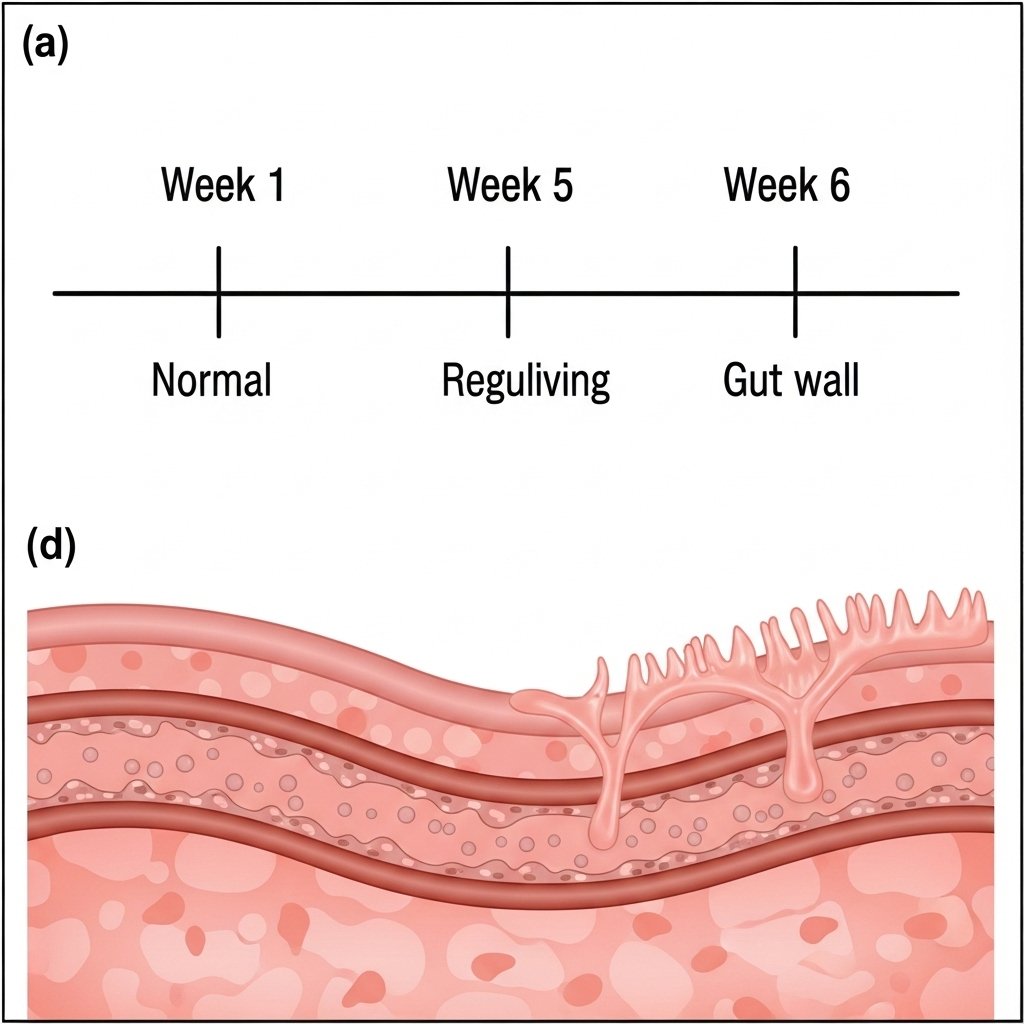
Rapidly increasing fiber intake can lead to temporary gastrointestinal distress, including bloating and gas. The gut microbiome needs multiple weeks to complete its bacterial population adjustments which enable it to process additional workload demands.
