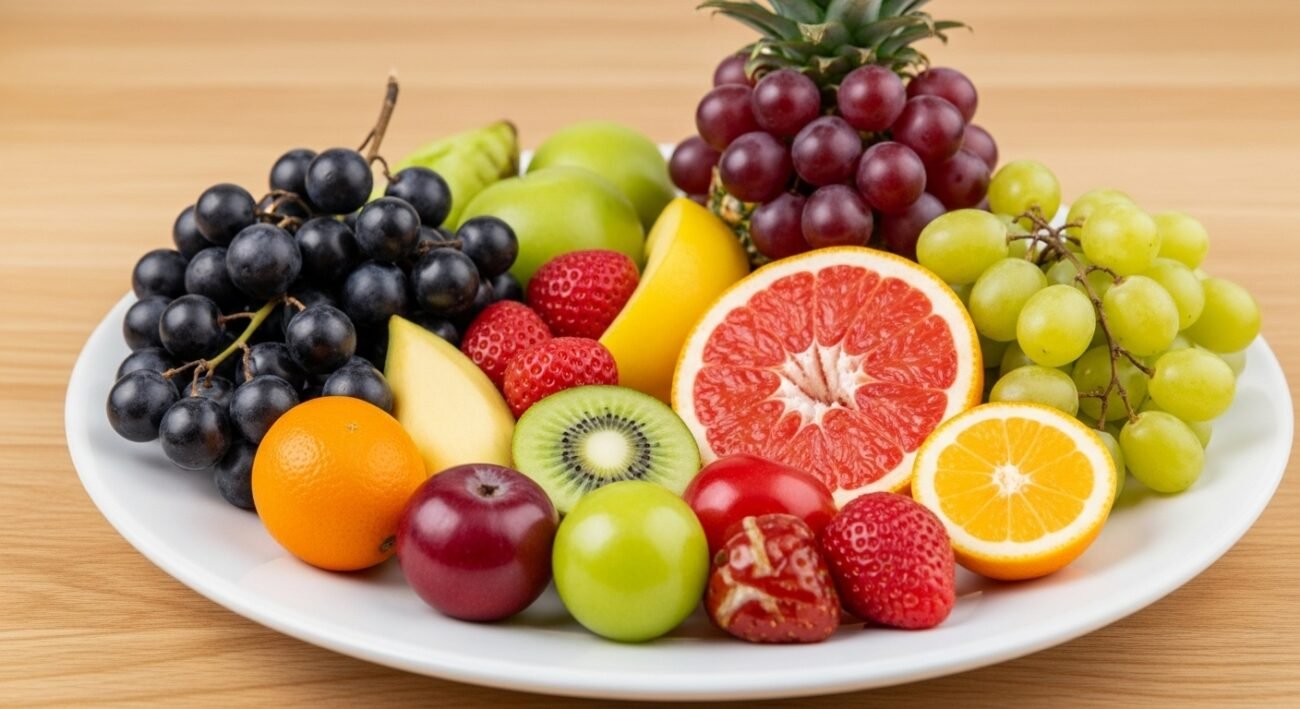
People in the United States need to eat more fruits because they appear in essential healthy diets but their current dietary habits need to improve their fruit consumption and plant-based food selection according to dietary guidelines. Nutrition science shows that fruits provide more than natural sugar because they function as advanced systems which deliver essential nutrients including fiber and vitamins and plant-based phytochemicals that humans cannot produce internally. People can achieve their bodily requirements by eating a diverse range of fruits which includes both sour berries and tropical fruits that have high nutritional value because these fruits help reduce body inflammation and enhance blood vessel health and maintain gut bacteria balance. People need to diversify their food choices because modern diets have limited common foods which protect them from losing valuable antioxidants and crucial minerals that most people do not consume adequately.
Blueberries and Anthocyanin Density
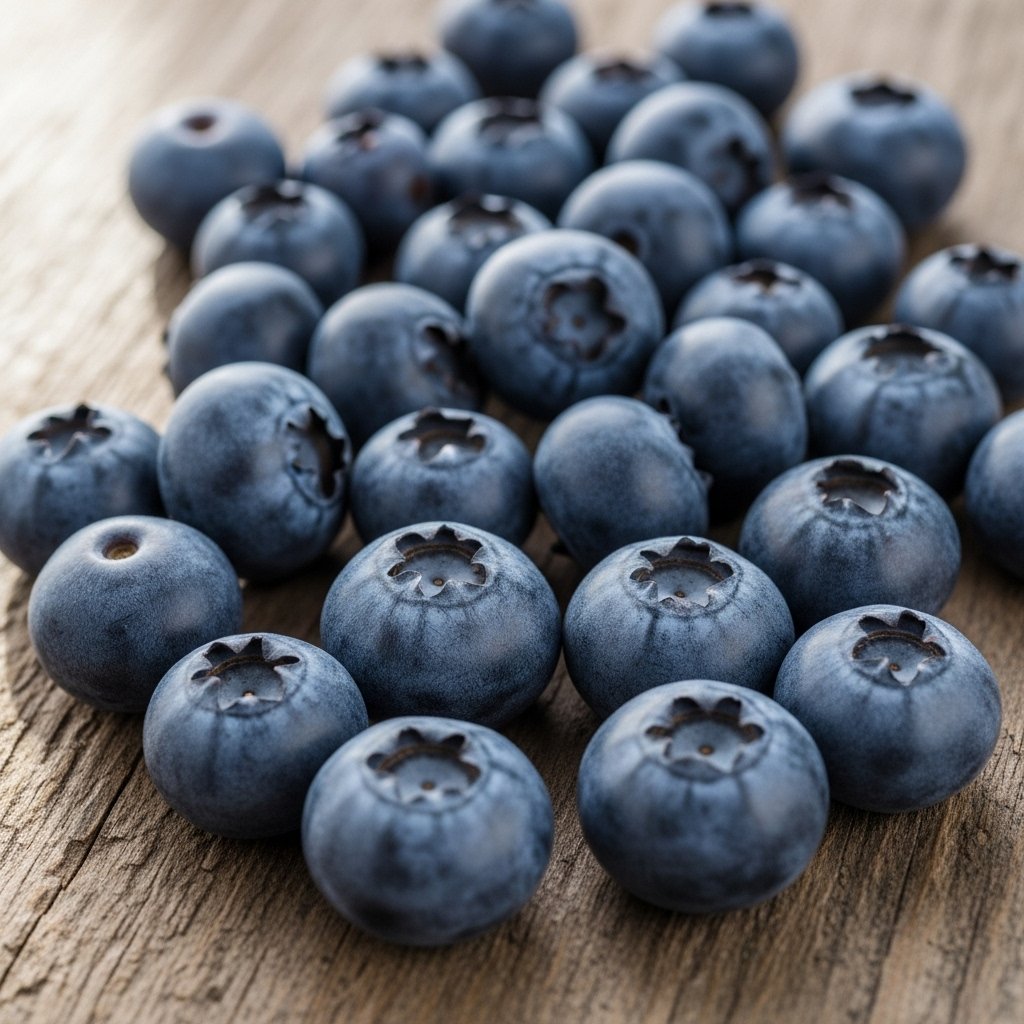
Blueberry plants contain high amounts of anthocyanins which produce their deep color and act as strong antioxidants. Scientists research these compounds because they demonstrate the ability to enter the blood-brain barrier and protect neurons from oxidative damage while helping to maintain cognitive function during brain aging.
Apples and the Role of Pectin
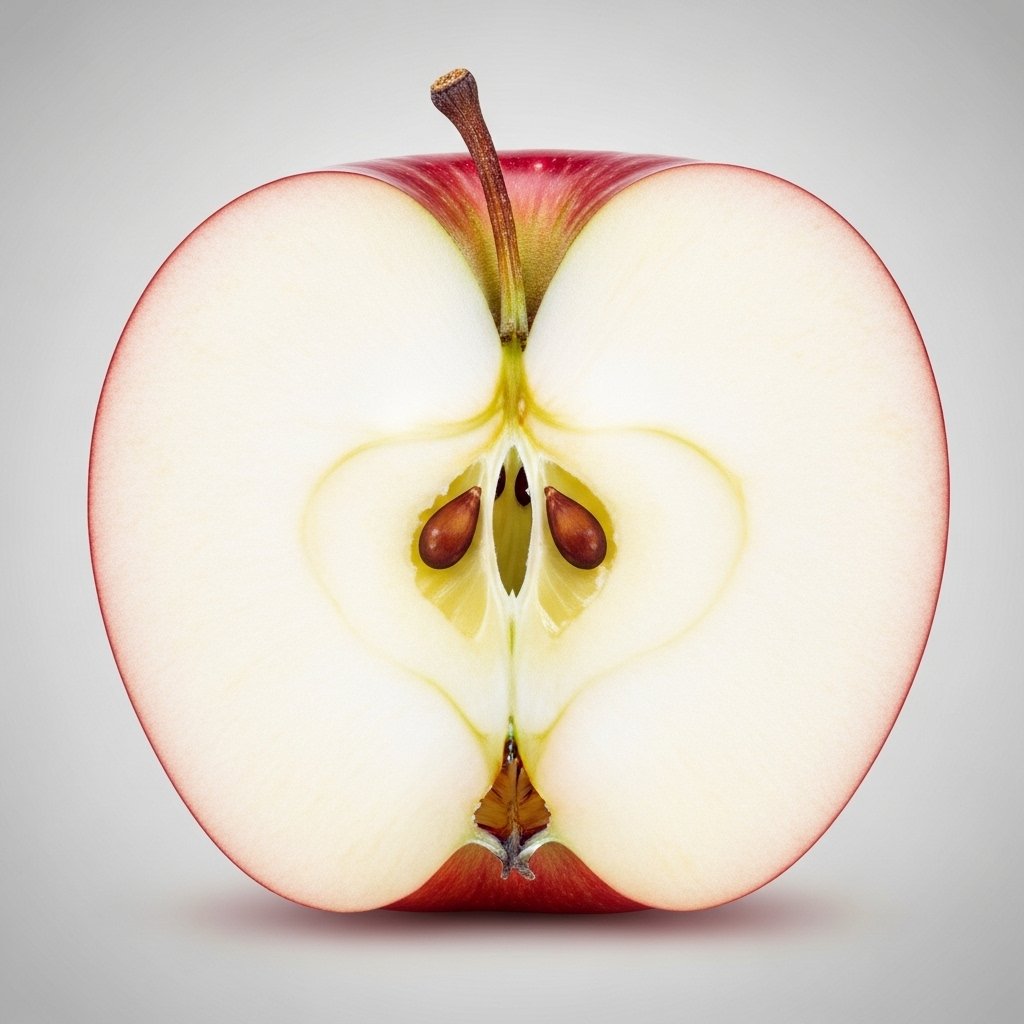
Pectin exists in apples as their main source which functions as soluble fiber that serves as a prebiotic. The digestive system uses pectin because it binds LDL cholesterol to help the body remove this substance while it supports the development of healthy bacteria in the digestive system.
Avocados and Heart-Healthy Lipids
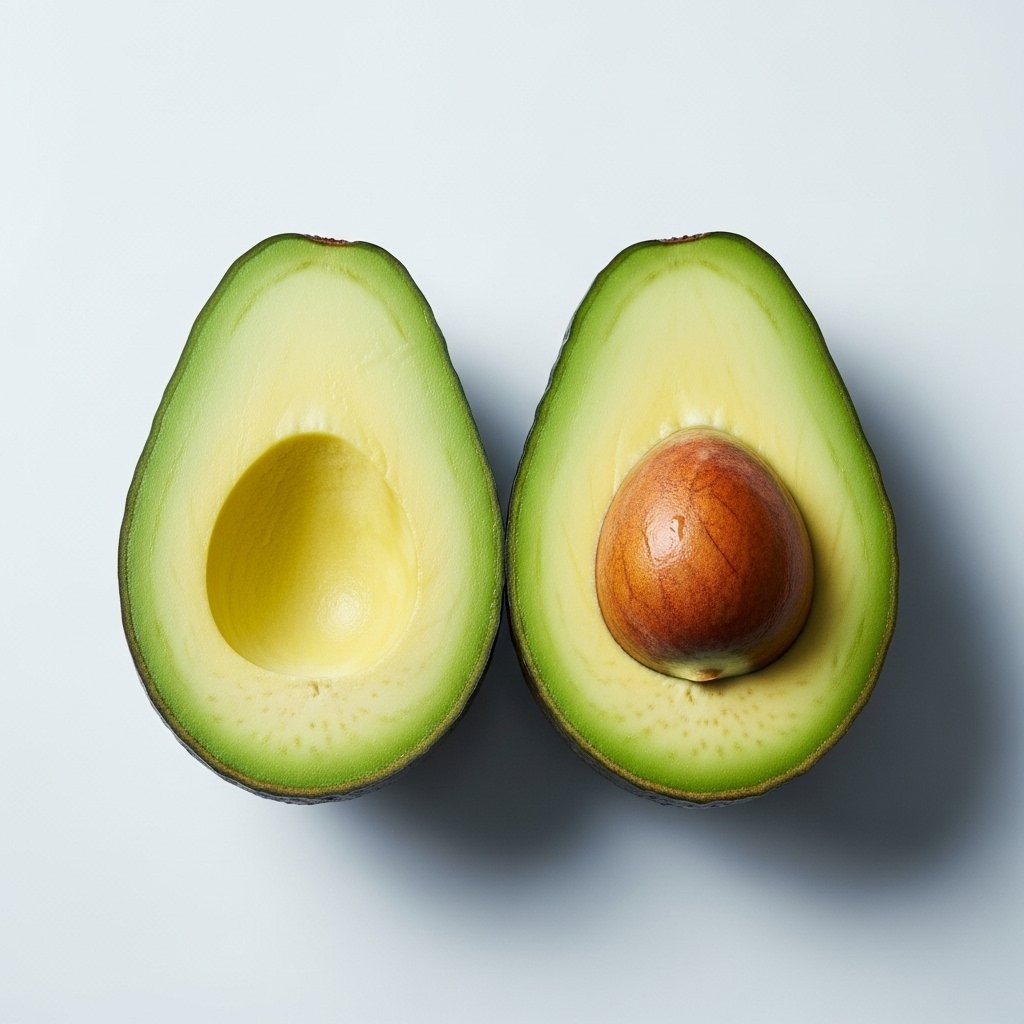
The avocado belongs to the fruit category because it contains high amounts of monounsaturated fats although people commonly see it as a vegetable. These fats help lower “bad” cholesterol levels and provide the body with oleic acid which reduces inflammation while enabling better absorption of fat-soluble vitamins like A D E and K.
Strawberries and Vitamin C Saturation
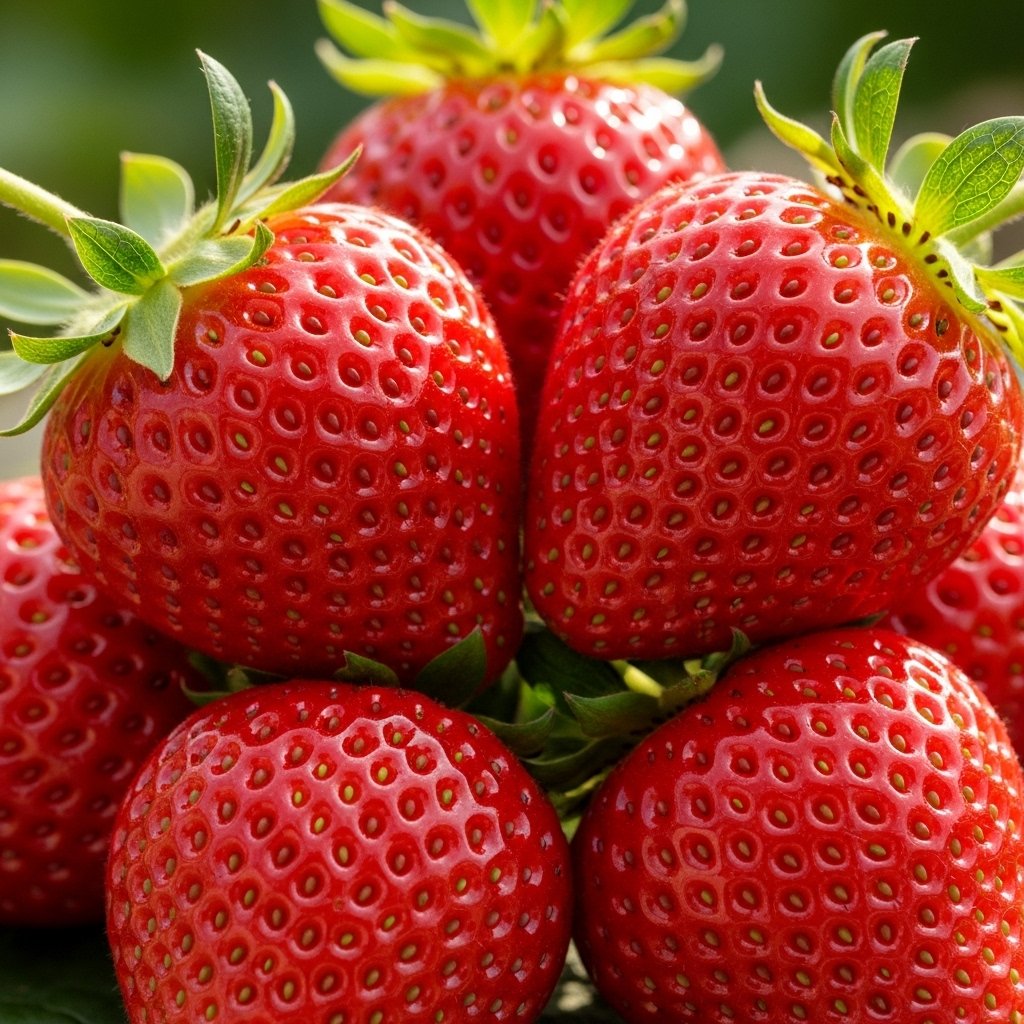
Strawberries deliver a major quantity of Vitamin C which serves as a necessary cofactor for collagen synthesis. The process helps preserve skin and joint and blood vessel structure while serving as a vital defense for the immune system.
Raspberries and Dietary Fiber Density
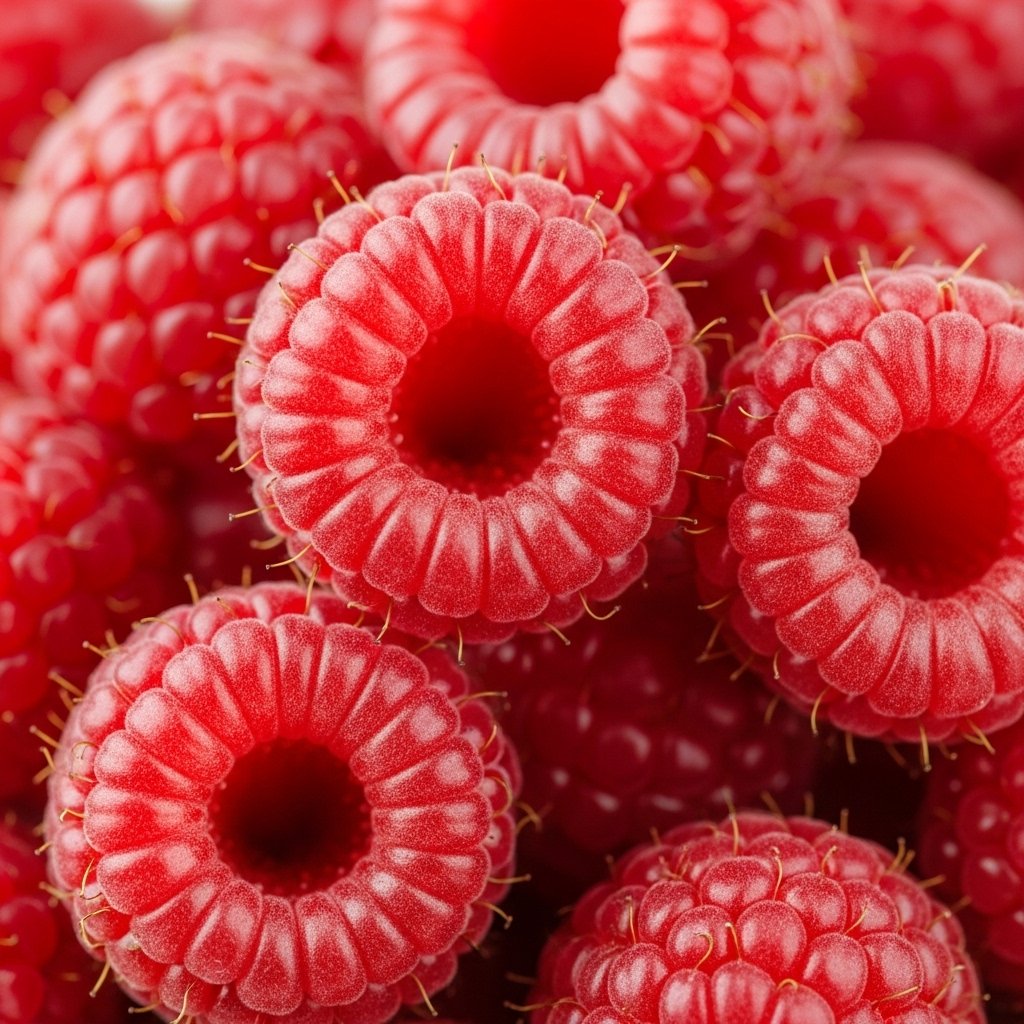
Raspberries provide about 8 grams of dietary fiber which makes them one of the top-high-fiber fruits in existence. The body utilizes this high fiber-to-calorie ratio to control metabolic functions because it decreases sugar absorption while creating a prolonged feeling of fullness which aids in weight control over time.
Bananas and Potassium Regulation
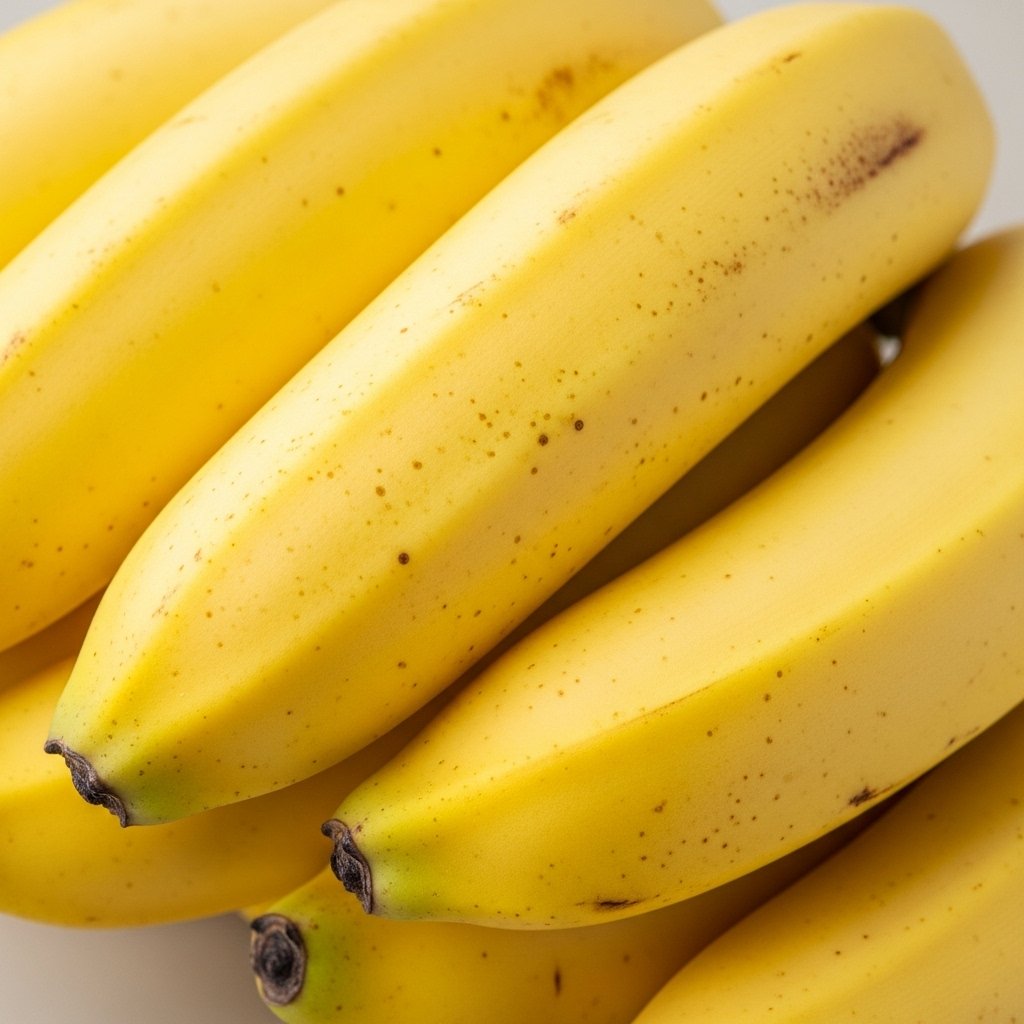
Bananas serve as a convenient potassium source which functions as an essential electrolyte that regulates body fluid levels. People need to consume enough potassium because it helps them counteract sodium effects which maintain their blood pressure and heart rhythm at healthy levels.
Oranges and Hesperidin Content
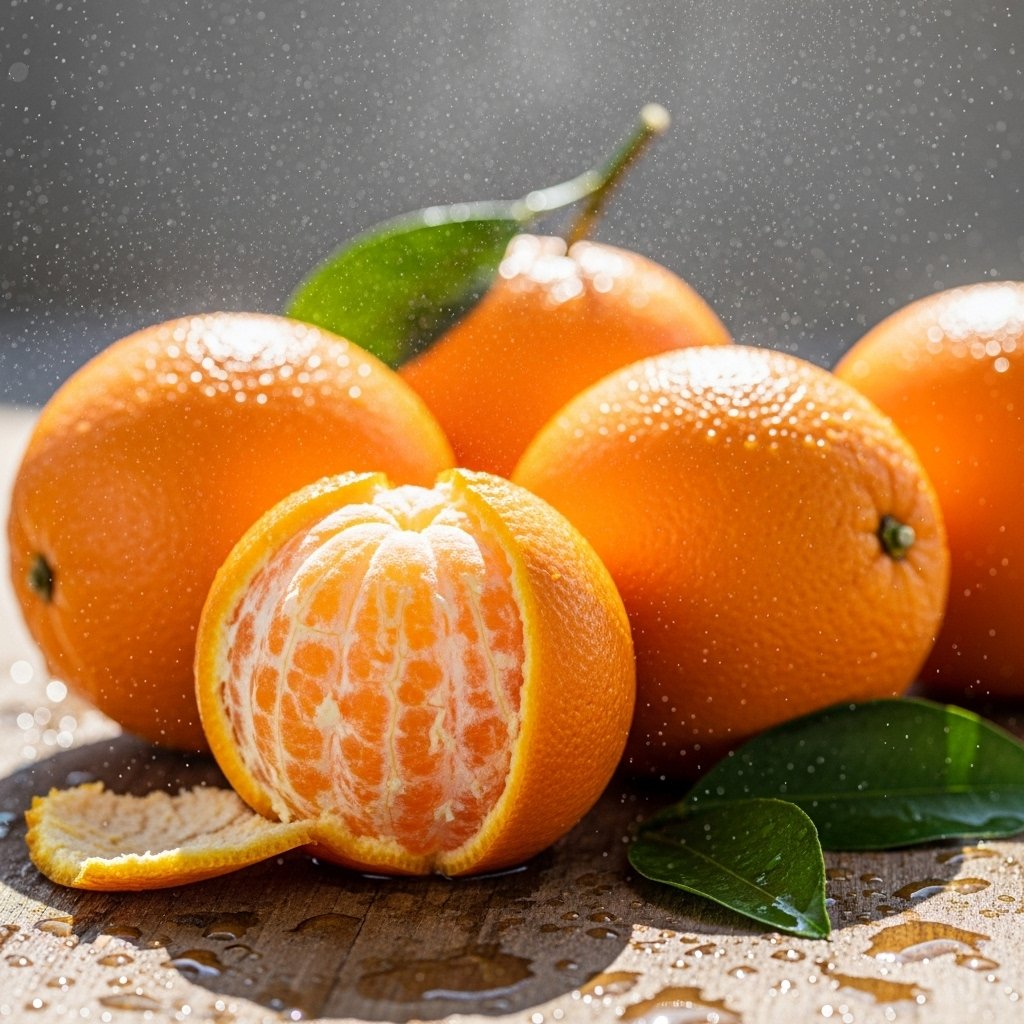
Oranges provide vitamin C together with the flavonoid compound called hesperidin. The research shows that hesperidin enhances endothelial function which protects cardiovascular health by improving the function of the heart and blood vessel lining.
Pears and Prebiotic Diversity
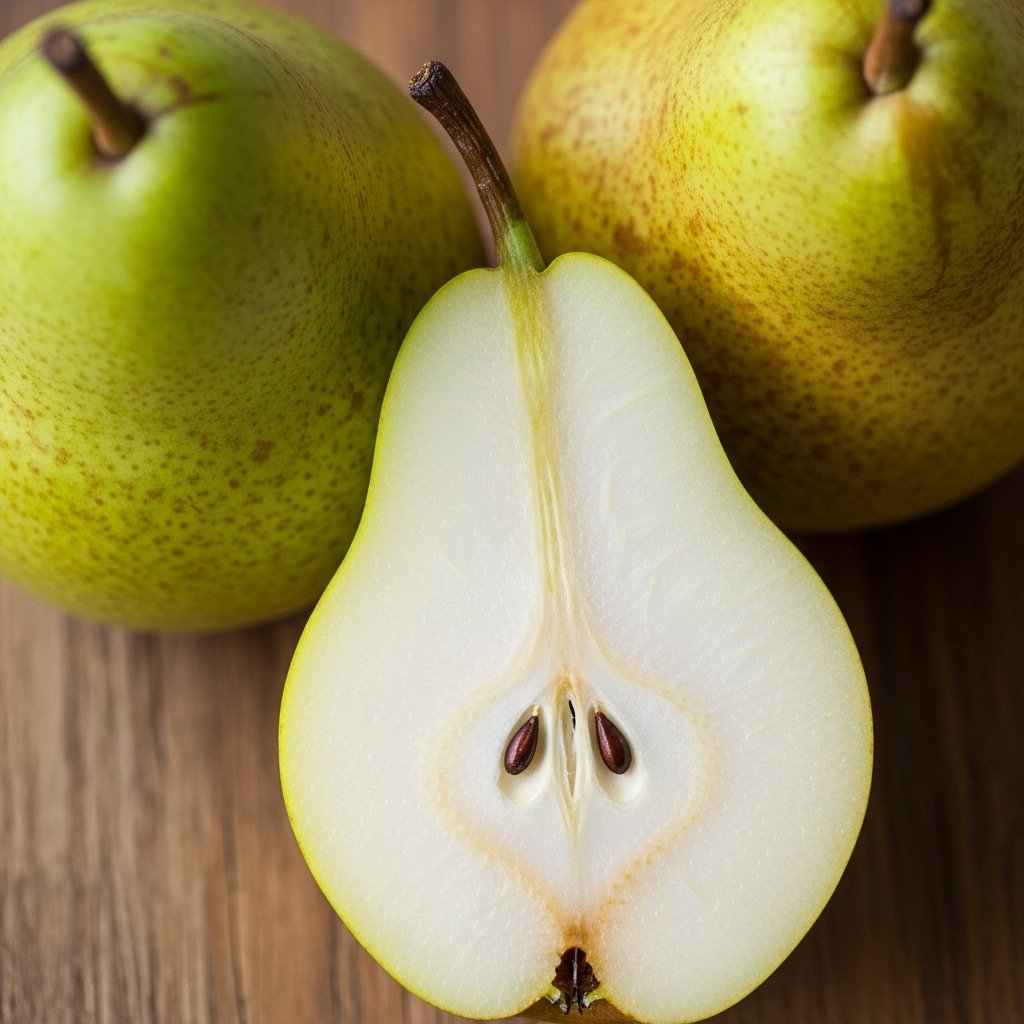
Pears provide substantial insoluble fiber and lignin content when people consume them with their skin. The fibers help to move waste through the colon while the fruit contains a low glycemic index which aids in keeping blood sugar levels stable.
Grapes and Resveratrol Protection

Dark-colored grapes contain high levels of resveratrol which is a polyphenol that exists in grape skin. Researchers study resveratrol because it activates “longevity genes” while reducing blood platelet stickiness to protect the cardiovascular system.
