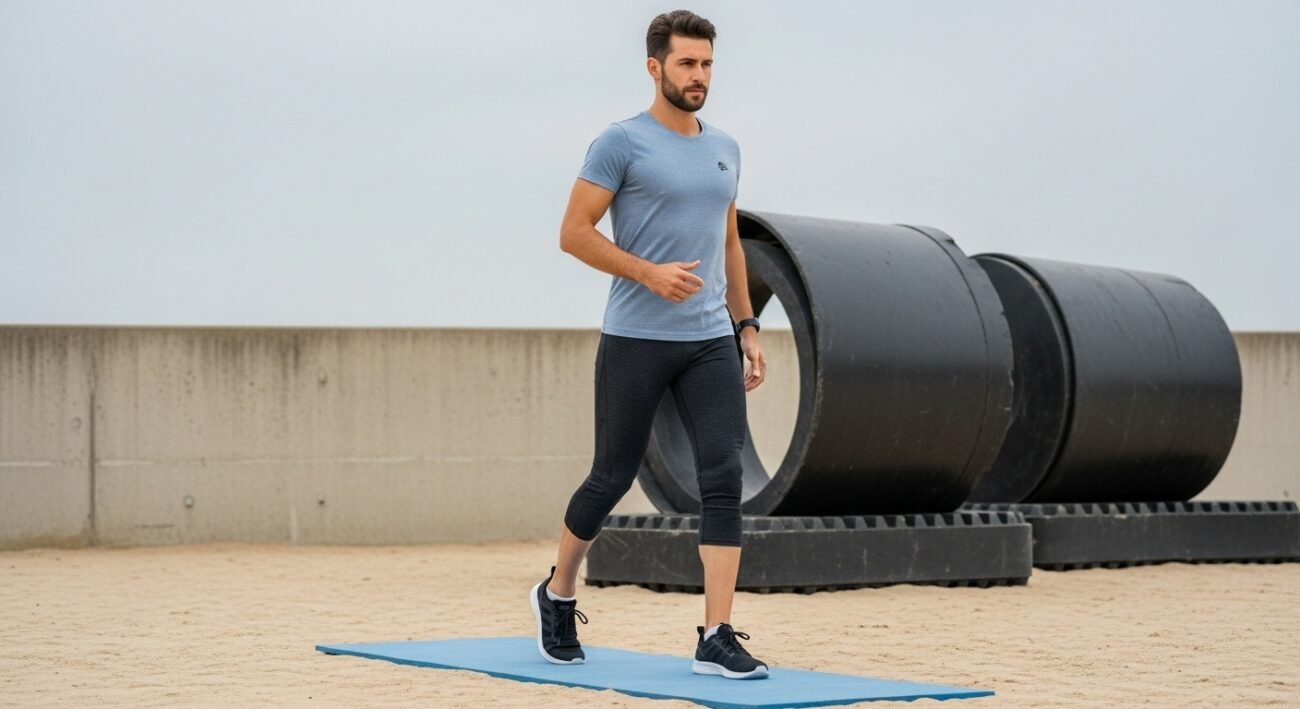
Research into geroscience has developed a new understanding of physical exercise which now helps people maintain their health span instead of simply managing their body weight. According to contemporary studies, exercise functions as the foremost treatment method which prolongs human life by enhancing mitochondrial function and cardiovascular strength and musculoskeletal health. Longevity experts believe that people need to practice multiple exercises because they must combine different activities for maximum vitality throughout their lives. The body requires a multi-modal approach which combines different physiological systems to create protection against age-related cellular and systemic function decline. Low-intensity aerobic work together with high-intensity intervals and progressive resistance training help people control their metabolic health while they stay functionally independent in their later years.
Zone 2 Aerobic Foundation

Steady-state exercise at low intensity which allows conversational speech serves as the main contributor to human mitochondrial function improvement. This exercise level trains the body to use fat as its main energy source, which enhances metabolic flexibility and minimizes insulin resistance development.
VO2 Max as a Longevity Predictor

VO2 max represents the most accurate measurement of cardiorespiratory fitness which predicts all causes of mortality with high accuracy. High-intensity intervals (HIIT) create optimal heart function conditions which enhance stroke volume capacity, leading to major cardiovascular system development and heart failure risk reduction.
Prevention of Sarcopenia
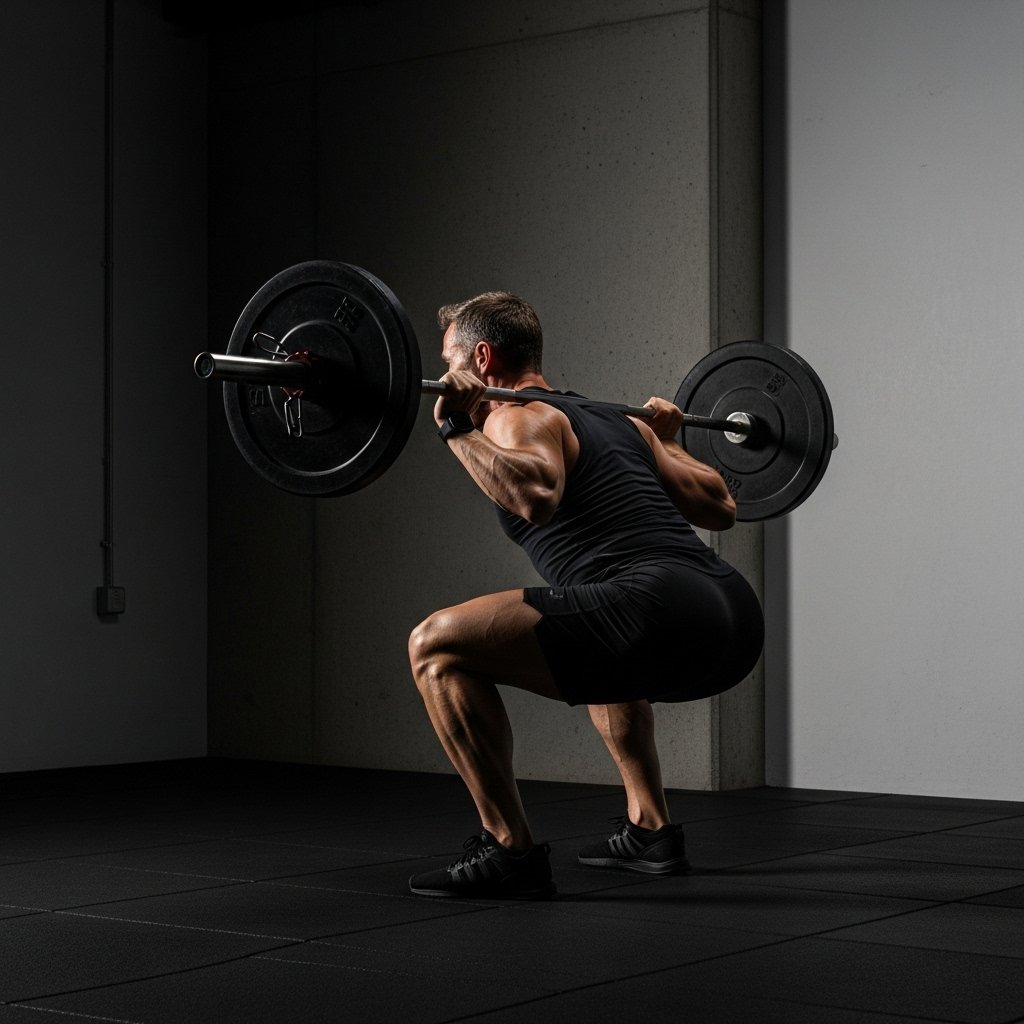
Scientists now consider skeletal muscle to function like an endocrine organ. Resistance training helps maintain muscle mass, which serves as the essential method to combat sarcopenia because the condition directly causes metabolic problems, which make people more vulnerable to frailty in advanced age.
Grip Strength as a Biomarker

Clinical research studies use grip strength because it serves as an indicator of a person’s overall bodily health. People who experience grip strength reduction will display early signs of expedited biological aging, which leads to diminished overall body strength.
Lower Body Power and Stability
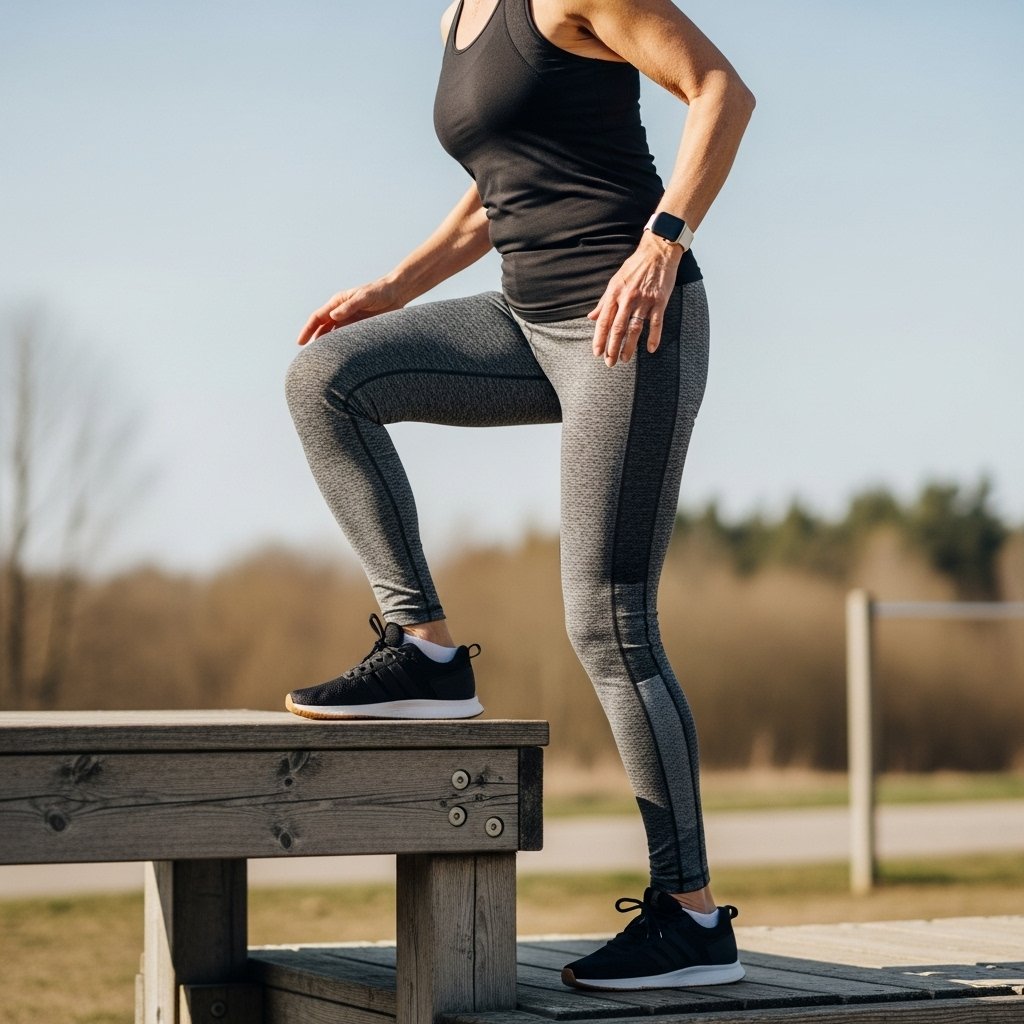
Leg strength provides essential support for all mobility activities. Scientific research demonstrates that people who possess greater strength in their quadriceps and gluteal muscles will experience fewer falls and fractures, which represent major health hazards that lead to quick deterioration of their health.
Mitochondrial Biogenesis
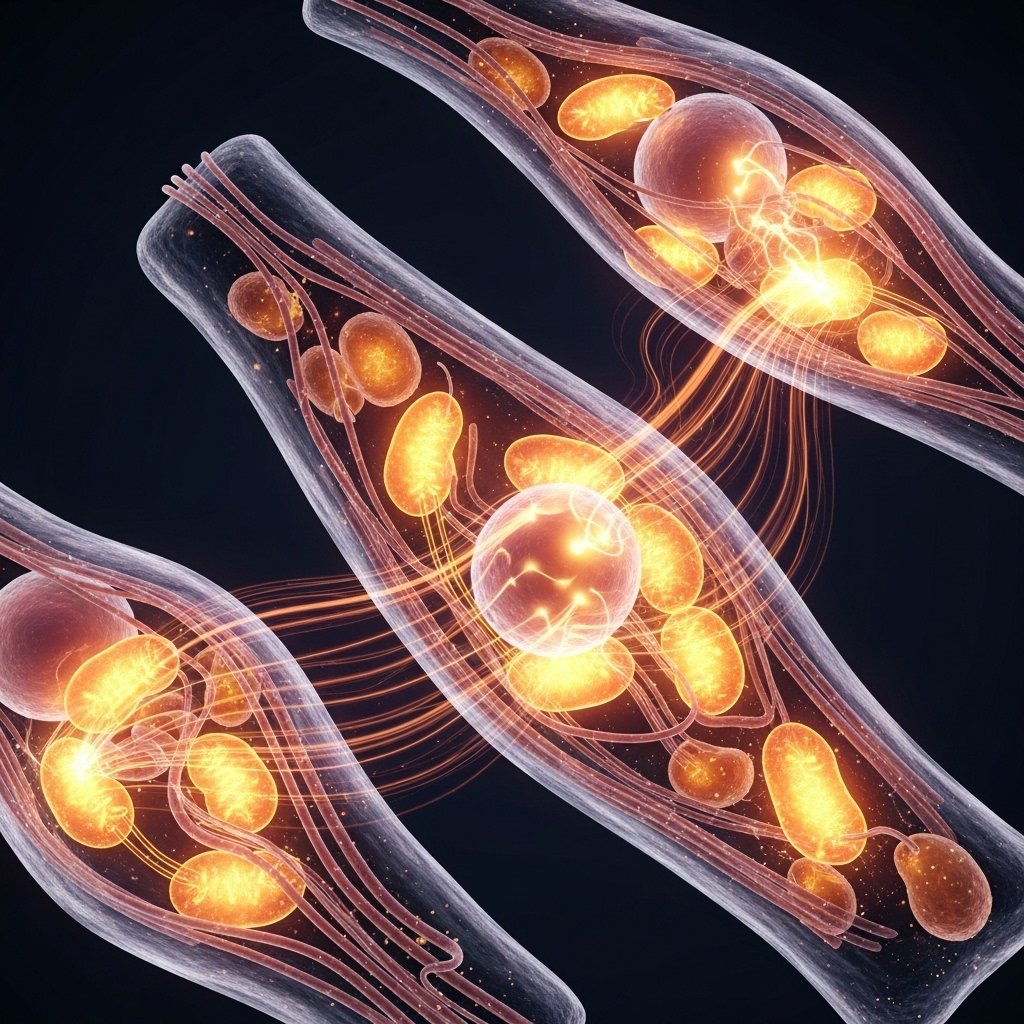
Regular physical activity particularly through endurance exercises and strength training, stimulates the creation of additional mitochondria. Cells with higher mitochondrial density can produce more energy while they experience lower oxidative stress levels.
Bone Mineral Density (BMD)
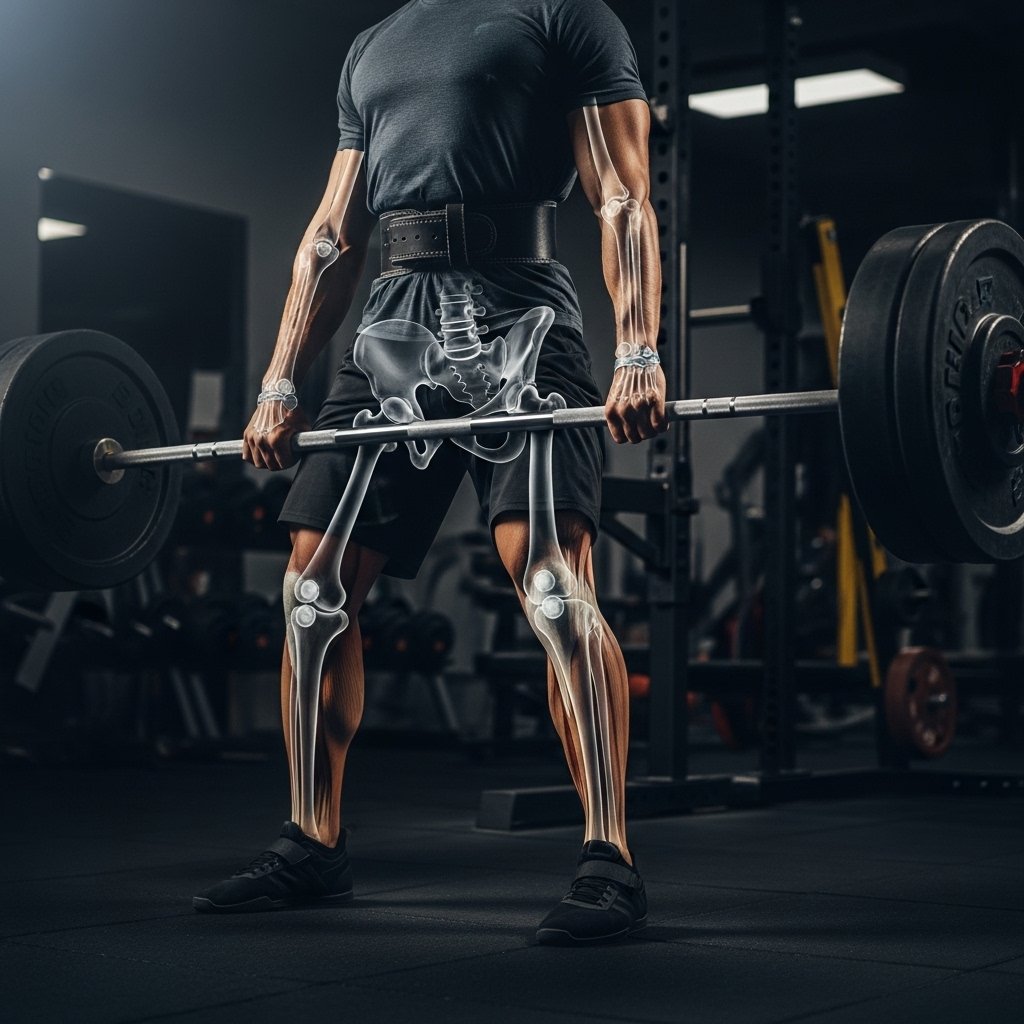
Weight-bearing exercises plus heavy resistance training generate mechanical forces which activate osteoblasts to produce new bone material. This procedure is vital for osteoporosis prevention because it enables the skeletal structure to endure sudden physical impacts.
Brain-Derived Neurotrophic Factor (BDNF)

Aerobic exercise and other physical activities lead to increased production of BDNF, which is a protein that helps neurons survive while promoting the development of new neurons. This mechanism serves as the primary defense against neurodegenerative diseases.
Eccentric Loading for Connective Tissue

The exercise technique promotes tendon and ligament strengthening through its focus on the downward movement. Eccentric training helps combat the natural aging process which makes our connective tissue more fragile through its ability to enhance collagen production and support joint stability.
Metabolic Clearing of Lactate

The body becomes better at lactate removal and metabolic waste processing through high-intensity training. The body achieves better daily stamina because it can recover more effectively from physical and environmental stressors.
Postural Integrity and Spinal Health

Core stability training together with posterior chain strength development helps people avoid developing forward slouching posture, which commonly appears in older adults. The system protects the spinal cord while maintaining chest cavity space for optimal respiratory function.
Consistency and the Minimum Effective Dose

Research data indicates that people who want to enhance their longevity should first change from completely inactive status to moderate active status because this shift produces the highest lifespan benefits. Through continuous movement throughout the day, people achieve more health benefits than those who engage in short, intense exercise sessions between extended periods of rest.
