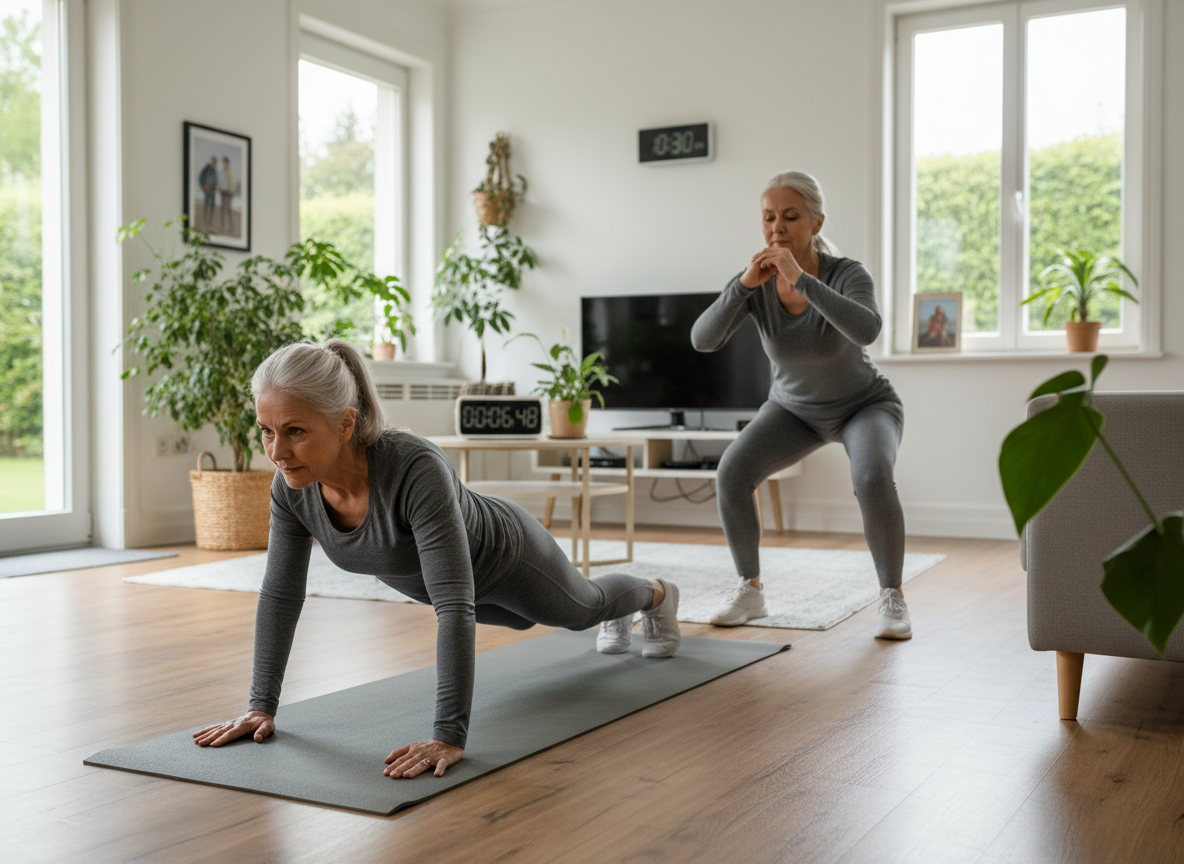
A short bodyweight challenge offers a fast check of strength, balance, and stamina after sixty. Finishing within seven minutes signals high physical readiness for daily life.
Warm Up Discipline Sets the Standard

A proper warm up prepares joints and muscles for effort. You raise body temperature, increase range of motion, and sharpen coordination. Five minutes of light marching, arm circles, and hip rotations reduce strain. Skipping preparation slows performance and raises risk. You enter the test calm, focused, and physically ready to move with control.
Lower Body Strength Through Squats

Bodyweight squats test leg strength and joint control. You sit back, keep heels grounded, and rise with steady speed. Strong legs support walking, stair climbing, and balance recovery. Completing repetitions without knee collapse shows solid mechanics. You rely on glutes and thighs rather than momentum. Controlled squats reflect training consistency over years.
Upper Body Endurance With Push Ups

Push ups measure chest, shoulder, and arm endurance. You maintain a straight line from head to heels. Each repetition builds pressing strength useful for daily tasks. Wall or incline versions suit limited mobility. Smooth pacing matters more than speed. You demonstrate upper body capacity through clean repetitions without sagging or breath loss.
Core Stability During Plank Holds

Plank holds assess trunk stability and posture control. You brace the abdomen and keep hips level. Strong core muscles protect the spine during movement. Holding steady for planned intervals shows endurance. Shaking signals fatigue yet control matters. You focus on breathing while maintaining alignment through shoulders, hips, and ankles.
Balance Control With Single Leg Stance

Single leg stance highlights balance and joint awareness. You stand tall and lift one foot without support. Balance supports fall prevention and confident movement. Eyes forward improve focus. Switching sides tests symmetry. You gain insight into ankle and hip stability through time held without wobbling or foot taps.
Cardiovascular Demand From Marching Drills
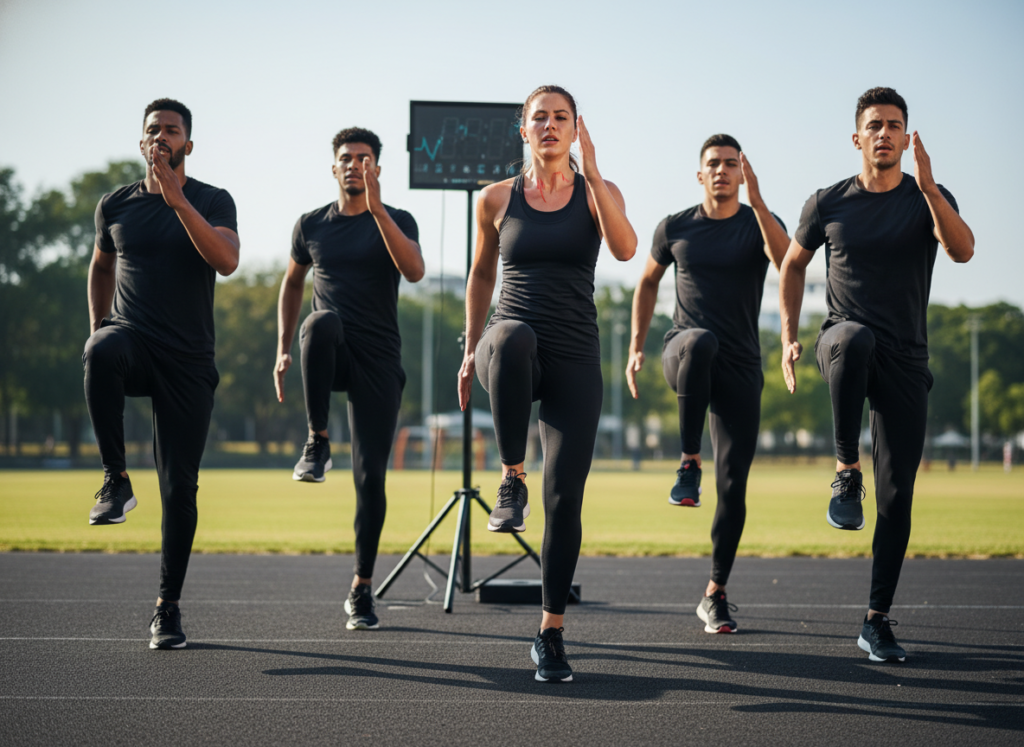
Marching in place raises heart rate without impact. You lift knees to waist level and swing arms rhythmically. This drill reflects aerobic capacity needed for daily movement. Consistent tempo shows conditioning. Breathing remains steady under effort. You track recovery speed after finishing, which signals cardiovascular health.
Mobility Check Through Forward Folds

Forward folds test hamstring and lower back mobility. You hinge at hips and reach toward shins or toes. Smooth movement without strain shows flexibility. Restricted motion limits stride and posture. Gentle control matters more than depth. You observe comfort range while maintaining steady breathing during each repetition.
Coordination Under Fatigue Matters
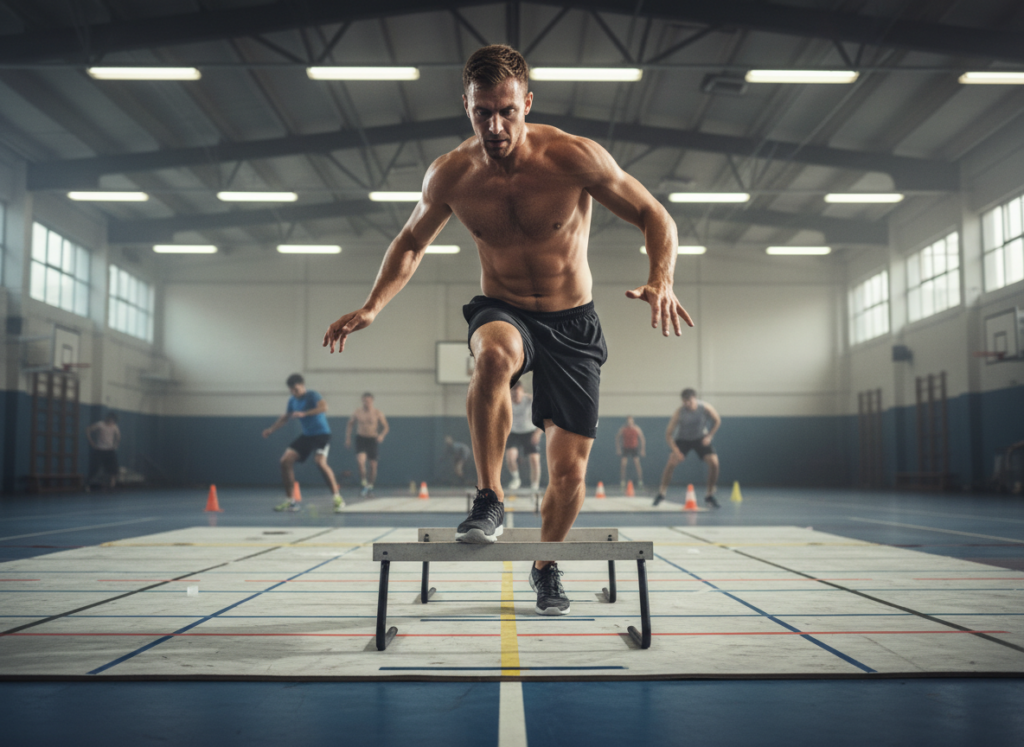
Coordination declines when fatigue rises. This test stacks movements to expose form breakdown. You transition between drills smoothly. Foot placement, hand position, and timing stay precise. Losing rhythm slows progress. You prove training quality through maintained control even near the final minutes of the challenge.
Time Awareness Shapes Pacing

Seven minutes demand pacing discipline. Rushing early drains energy reserves. Steady effort across rounds preserves strength. You watch breathing and heart rate. Small pauses reset posture without long stops. Finishing within time reflects smart effort distribution rather than raw speed alone.
Recovery Response Shows Conditioning

Post test recovery reveals conditioning level. Heart rate drops steadily within minutes. Breathing returns to normal without dizziness. Muscles feel worked yet stable. Rapid recovery supports daily activity demands. You assess readiness through calm posture and clear focus soon after completing the full sequence.
