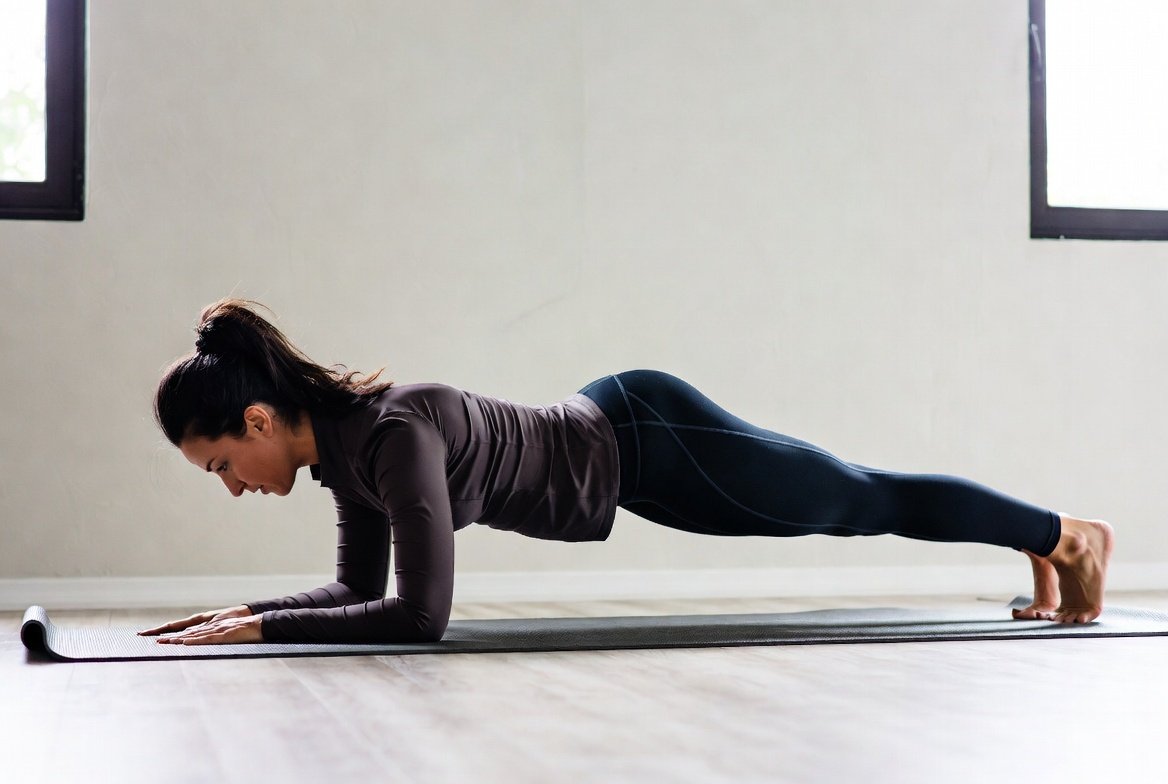
The plank is often referred to as the ultimate exercise in deceptive simplicity, for there is no special equipment needed, almost no space required on the floor, and zero explosive movement required yet, in effect, one of the best tools for functional strength. Unlike the dynamic exercises focusing on a single group of muscles by contraction and extension, the static powerhouse plank trains the body to learn how to stabilize itself against tension. Therefore, when this is practiced every day, it becomes a silent transformer of your body architecture and causes the engagement of a chain of complex muscles beginning in your shoulders and running down to your calves. This daily practice does much more than simply “strengthen the abs”; it recalibrates your posture, fortifies your spine, and significantly improves the mind-body connection. However, what a daily plank truly does has nothing to do with simply holding that position but involves the quality of engagement and the willingness to progress as the body adapts.
Unmistakable Change in Postural Alignment

Planking every day acts as a natural deterrent to slouching because you exercise the muscles that keep your torso erect. This results inevitably changing body defaults into more aligned confidence without you having to think about it eventually.
Reinforced Lower Back Support
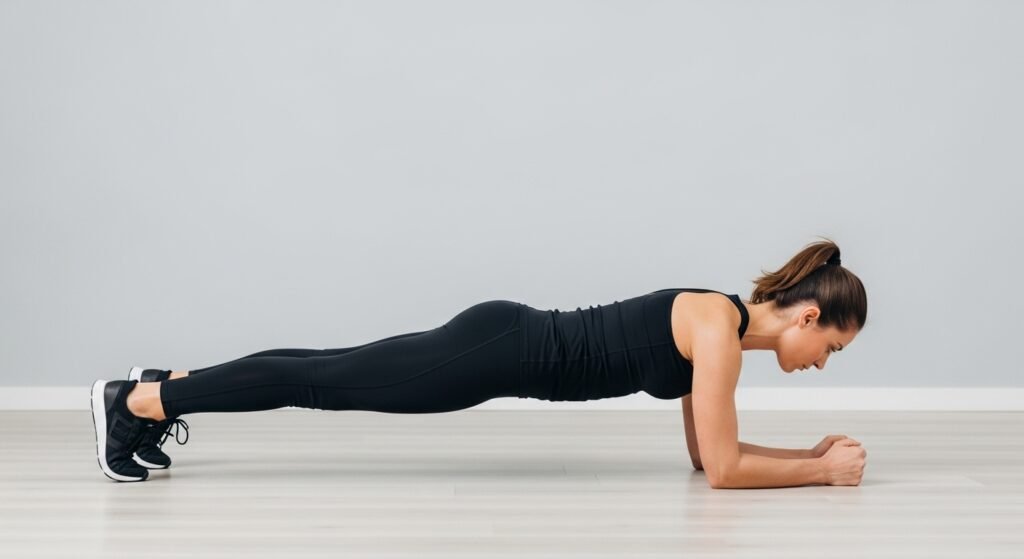
A strong core also serves as an armour for the lower spine. The daily practice of planks regulates and distributes weight and pressure more uniformly in the trunk, literally decreasing the risk of ever developing lower back strain and suffering chronic pain.
Attack from All Sides
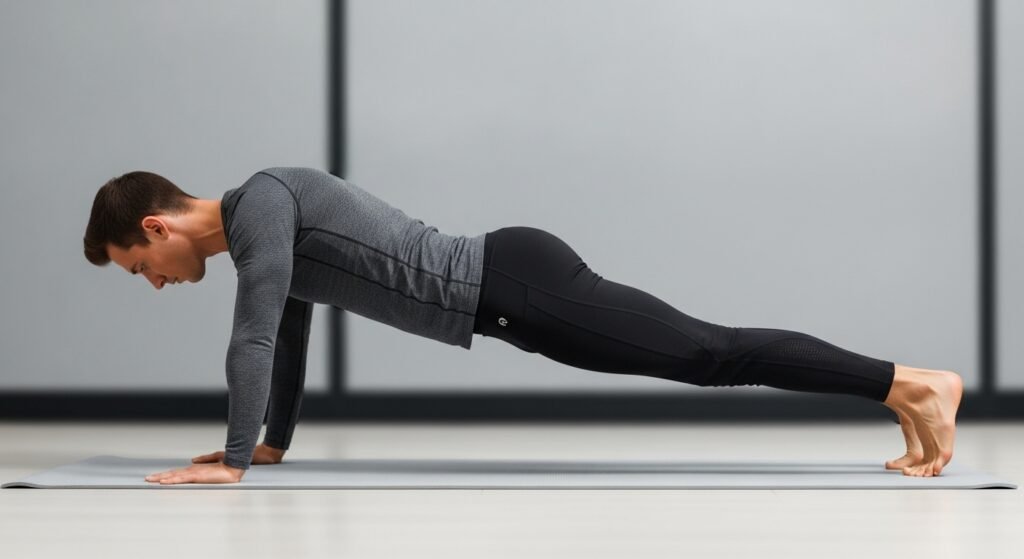
Although plank is typically core work, it is a full-body contraction each day with pecs, shoulders, glutes, and quads engaged simultaneously. This teaches your muscles to pay heed to the whole rather than isolated parts through this daily co-contraction.
Improved Balance and Static Stability
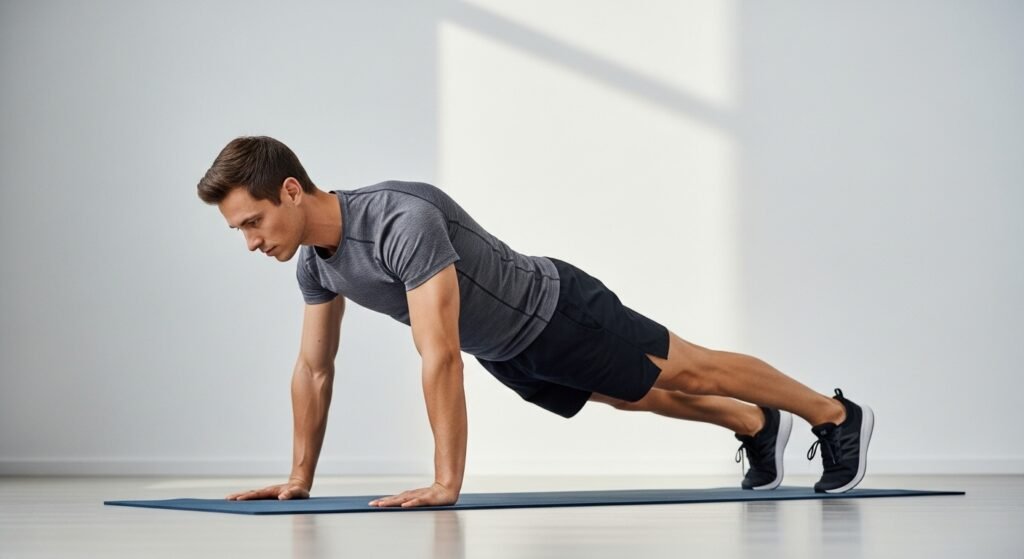
In everyday life, whether you are walking on unstable surfaces of differing inclinations or doing hard things, planks teach your stabilizer muscles to control under stress.
Endurance in Deltoids and Scapulae

Lifting your whole weight for a specified time each day brings incredible endurance to the deltoids and the muscles around the shoulder blades, protecting these joints from potential injury in the future.
More Activation of Posterior Chain
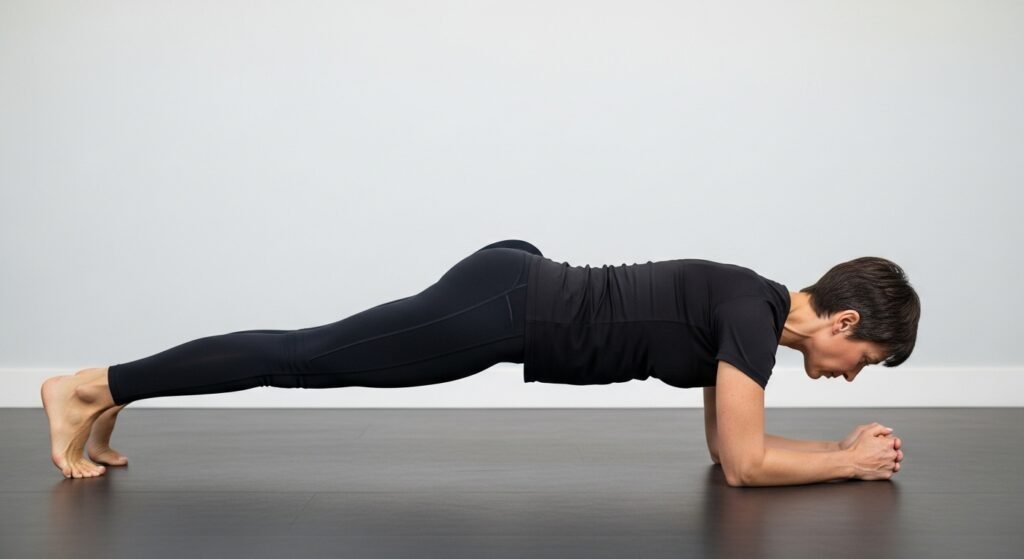
For the plank to be effective, one must contract the glutes to maintain a neutral pelvis. This daily reminder activates the “sleeping” glutes, those sitting inactive due to prolonged sitting, consequently enhancing hip health.
Increased Hypertrophied Mind Muscle Connection
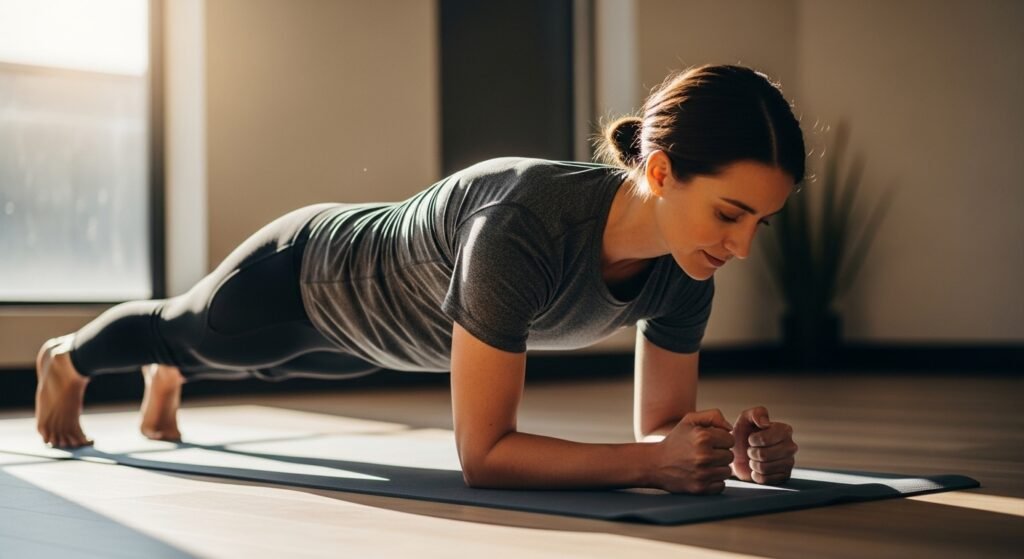
Within the Plank is continuous self-internal-holding checks: Are my hips sagging? Is my neck neutral? This practice, repeated daily, builds body awareness, thus allowing you to move more intentionally in all the other acts.
More Effective Power Transfer
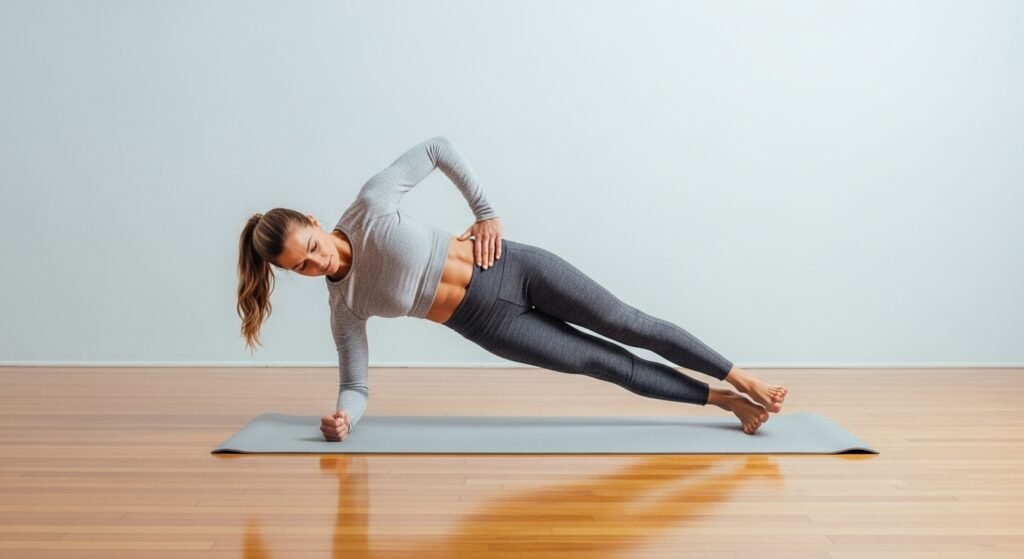
In sports and everyday activities, muscular force travels from the legs to the upper body through a ‘middle link’-a solid, effective connection ensured by engaging in planks every day.
Injury Risk Reduction Overall
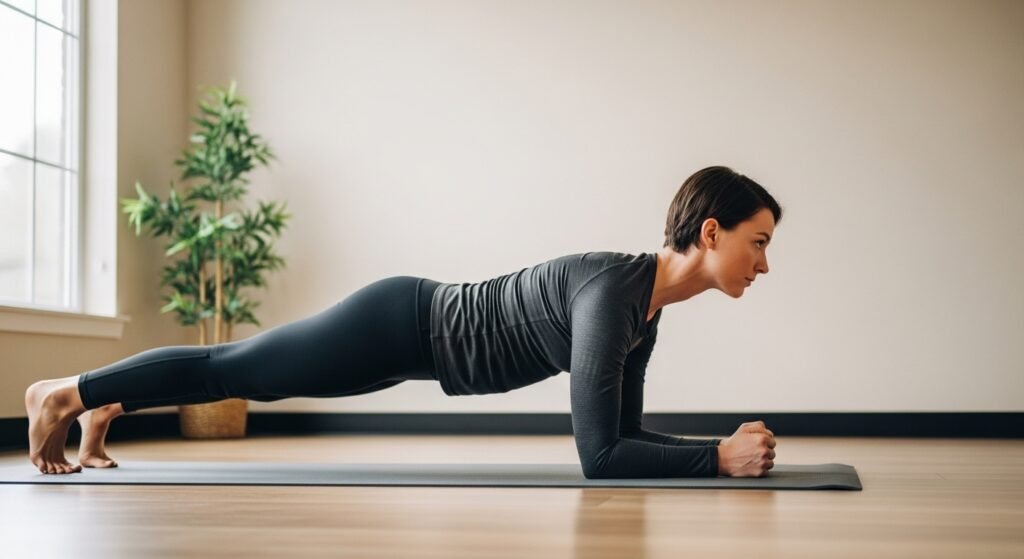
Daily planking is keeping injury at bay by stabilizing joints and mitigating the compensation patterns, where the back “takes over” for a weak core; it becomes “pre-hab” for the body against all common strains.
Progression and Variety
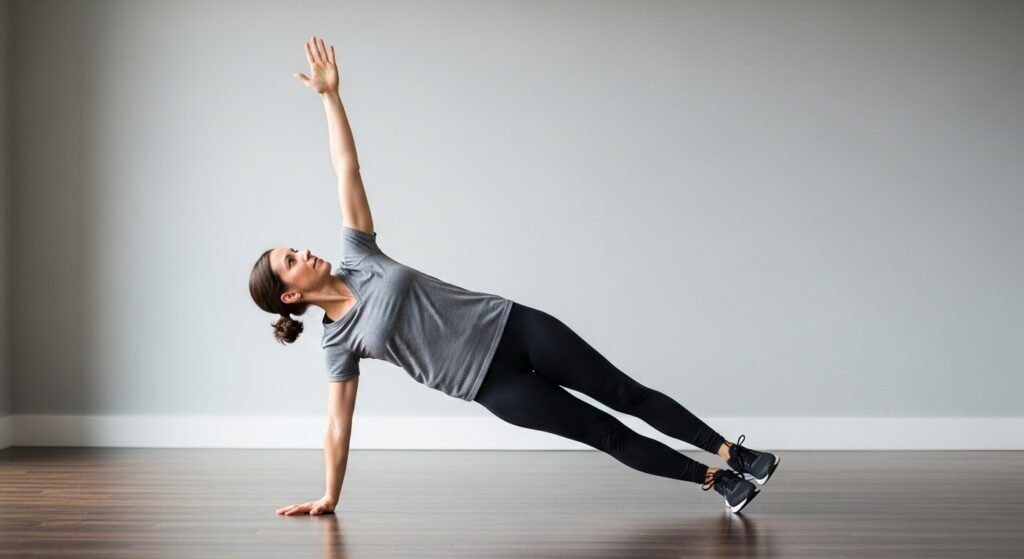
Doing the same plank every day has a limit after which the body will not adapt anymore. Therefore, once the body adapts to the new stimulus, you must include other variations-such as a side plank or leg lift-to maintain a high stimulus.
Primacy of Form to Duration
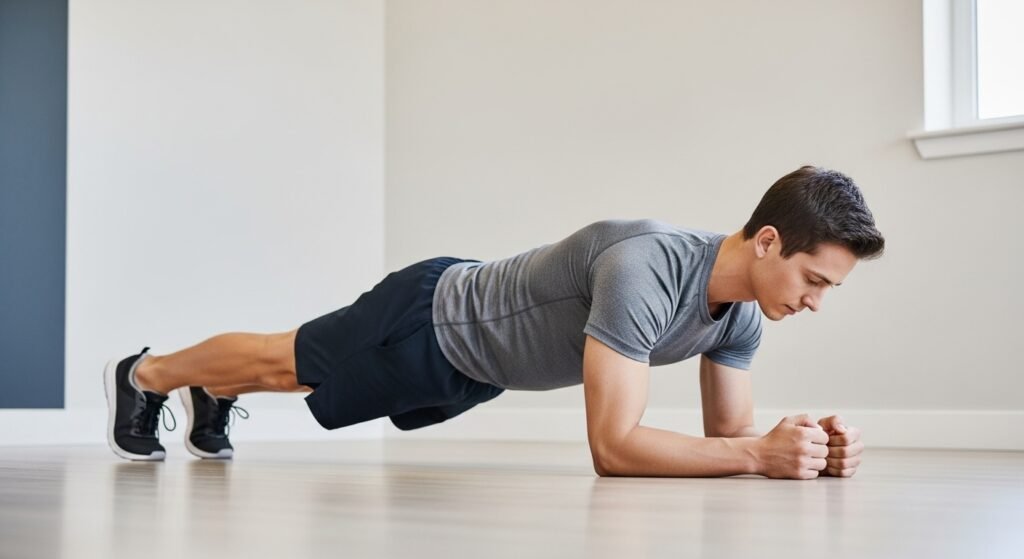
Daily planking exercises with poor technique can do more harm than good. If the lower back arches or the shoulder shrugs, the exercise will do more harm than good, proving good form is far superior in that ten seconds of perfect form in a plank will be equal to two minutes of struggling with it.
