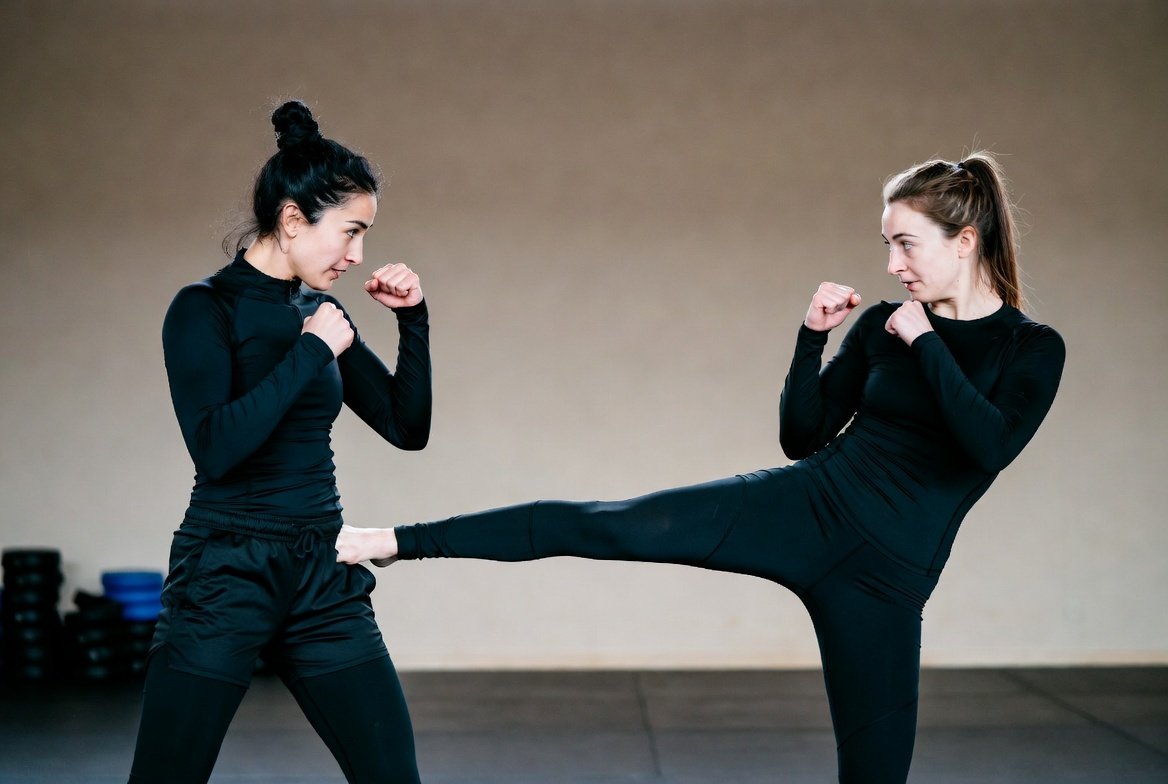
So you know for sure that the workout is intense, focuses on strength, builds confidence, and develops peak conditioning. You find it difficult to choose between kickboxing and boxing. Although they are both based on punching techniques and require some use of the feet and excellent cardiovascular training, they differ in some ways. As far as technique is concerned, the proper application of body impact techniques differs greatly. Moreover, the long-term goals suited best to those two methods greatly differ from each other. Boxing is all about the upper body and focusing on precision of the punch, and it is known as the sweet science. On the contrary, kickboxing is that dynamic, all-limbed art of throwing powerful lower body strikes but in a wider range of motion. Knowing all these details from potential injuries to mental strategies can lead you toward that most suited discipline according to your fitness level and personal interests.
Striking Types and Variety
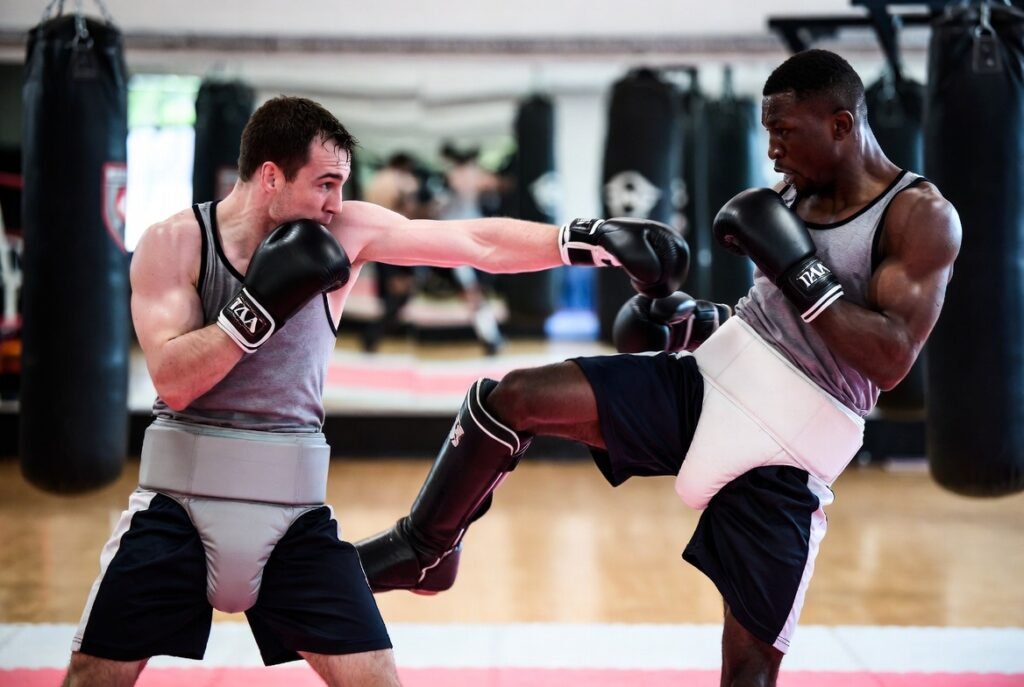
Boxing has developed onto mastered hand techniques focusing mainly on jabs, hooks, and uppercuts. Kickboxing adds to this repertoire other skills such as kicks, knees, and even elbows to make a more varied, versatile striking experience for those who wish to use their whole body like a weapon.
Upper Body Focus vs. Total Body Involvement

While boxing will build muscle on the shoulders, arms, and core from repeated punching and defensive slips, kickboxing will develop the entire body through acting on the legs, glutes, and hips, making it more balanced in physical challenges.
Cardiovascular Demand and Intensity

These are both elite cardio workouts, but they really feel different. Because of the continuous rhythm and footwork, boxing builds incredible sustained endurance, while kickboxing will spike the heartbeats more because of the explosive energy required to achieve such high-power kicks.
The Learning Curve and Technical Depth

Those techniques in boxing, however simple that a beginner may just use them, learn to appreciate the fact that it has fewer strike types in the beginning. Kickboxing has a high learning curve because of the demands for coordination of the legs for balance and multi-striking planes.
Considerations of Specific Injury Risk

Kickboxing may have a very straightforward application since that discipline tends to stress hips, knees, and ankles in the mechanics of kicks. Boxing would have higher risks regarding hands, wrists, and shoulders from not getting good form and wrapping without hitting the basics.
Flexibility and Range of Motion
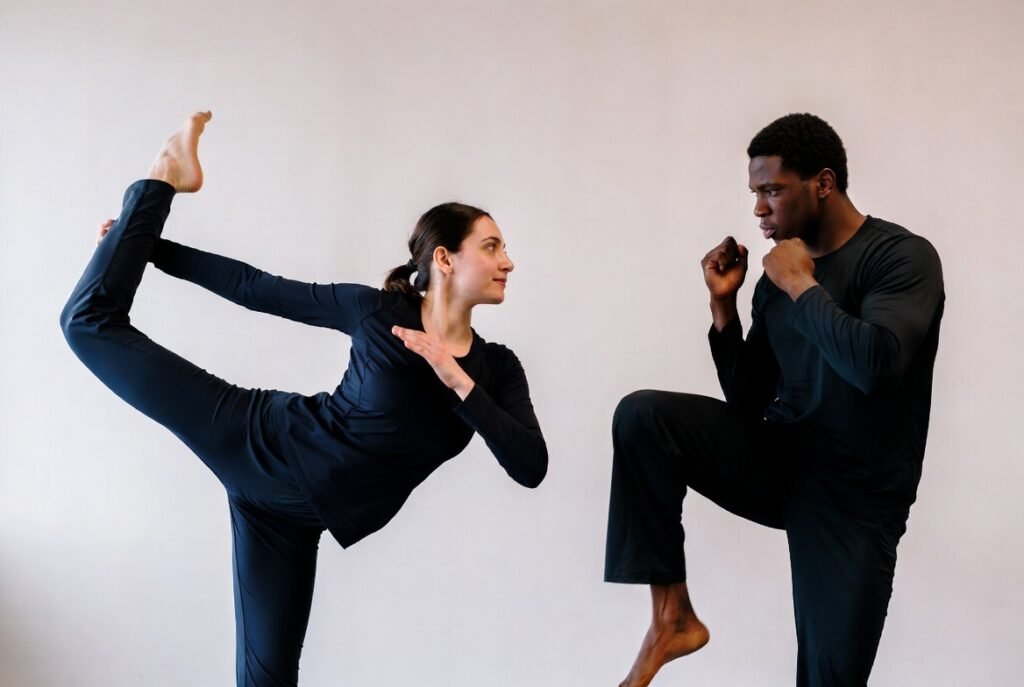
Kickboxing needs a high level of hamstring and hip flexor flexibility to kick well. Boxing requires less flexibility in total lower body movement, but agility and quick change of direction are prized along with fluid movement of the arms and upper body.
Defensive Skills and Head Movement

Boxing is famous for its very extensive bobbing, weaving, and footwork combinations for defense. Although kickboxing first emphasizes defense, it is often more general than pure upper-body movement efficiency.
Strength and Muscle Development

Boxing focuses more on developing muscles for endurance and creating “snappy” energy in the upper body. Kickboxing adds dynamic strength in the rotational direction coupled with lower-body stability to yield a more “athletic” build across the legs and core.
Mental Strategy and Spatial Awareness

Boxing is often compared to chess wherein you have to time, rhythmize, and read into an opponent’s eyes. Kickboxing needs high-intensity multitasking and spatial awareness since threats and opportunities may come from the hands or feet.
Aligning choice with personal goals

Your ultimate decision should thus be guided by your objectives. If you value precision, refined footwork, and upper-body endurance, boxing is your ideal match. Kickboxing probably is a much better fit if full-body power, improved flexibility, and a wider variety of strikes are your things.
