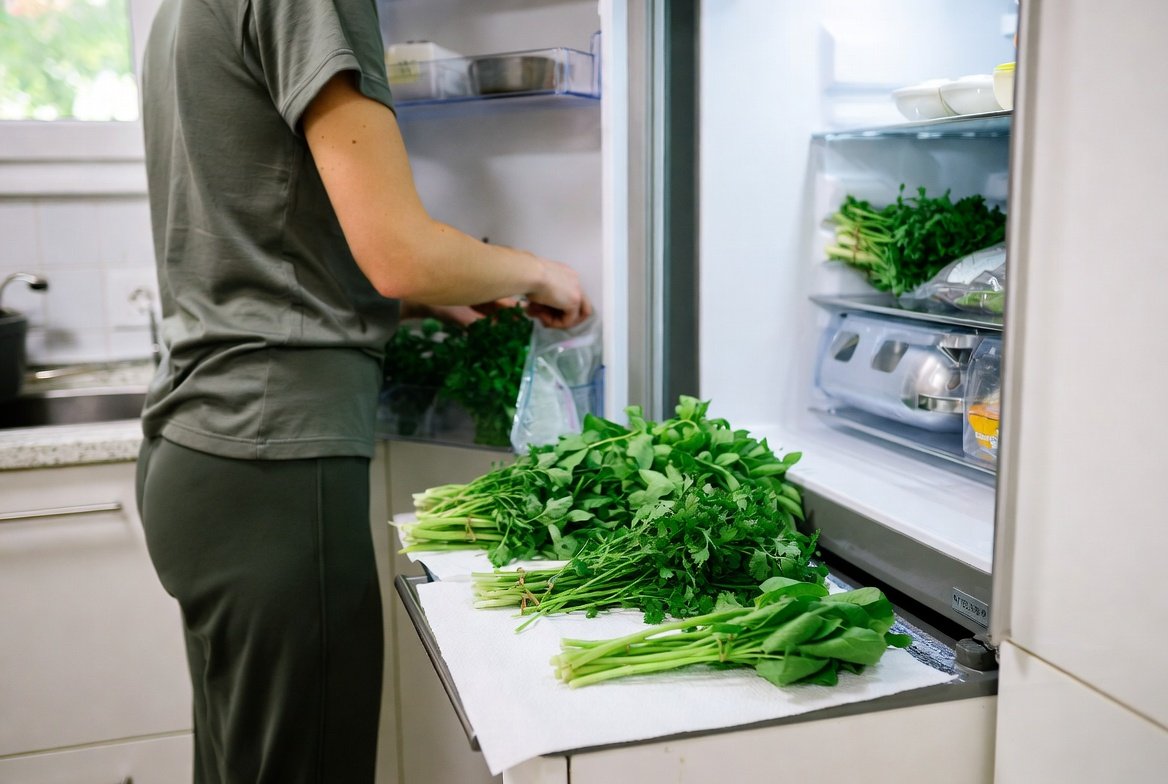
Herbs, fresh or dry, have a way of coalescing the entire experience of certain kinds of cooking into the definition of brilliance, aroma, and depth. Fresh herbs being delicate, often tend to wilt upon delivery. More-often-than-not, it’s the manner in which they have been stored that leads to the state of mishap rather than any questions about quality. Certain factors, such as the moisture requirement, conducting structures of leaves, and temperature sensitivity, vary considerably for different herbs. That means one approach does not fit all and creates a lot of needless food waste. The shelf life can be stretched from just a week to a full month, depending on whether the herb is Hardy or Tender, or if there is air-light and moisture control properly.
Store Fresh Herbs
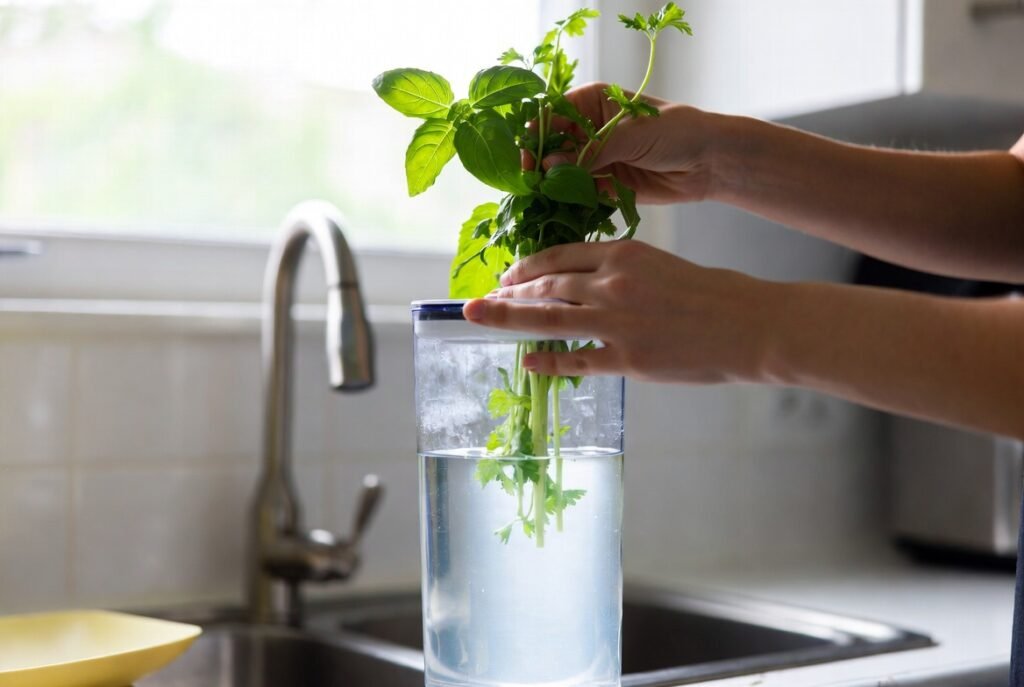
Like They Were Fresh Flowers. Soft-stemmed herbs must be kept standing in a jar or glass with fresh water covering one inch to last the longest; this keeps the stems at a nice level of watering while preventing the leaves from wilting by getting any flaccidity they would’ve gotten kept in supermarket bags.
Try Loose Plastic Bags for Humidity
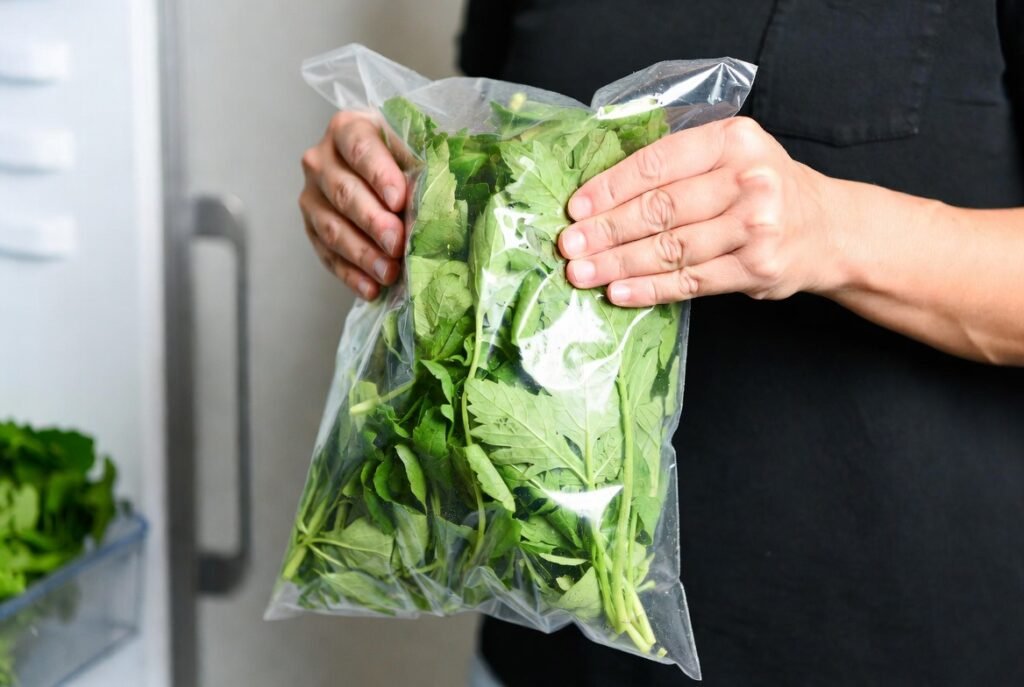
Loosely wrap the bag around the top leaves of tender herbs that are stored in water. This allows a greenhouse effect to take place to keep humidity without excessive moisture to encourage rotting of leaves.
Additional Protection in an Airtight Container
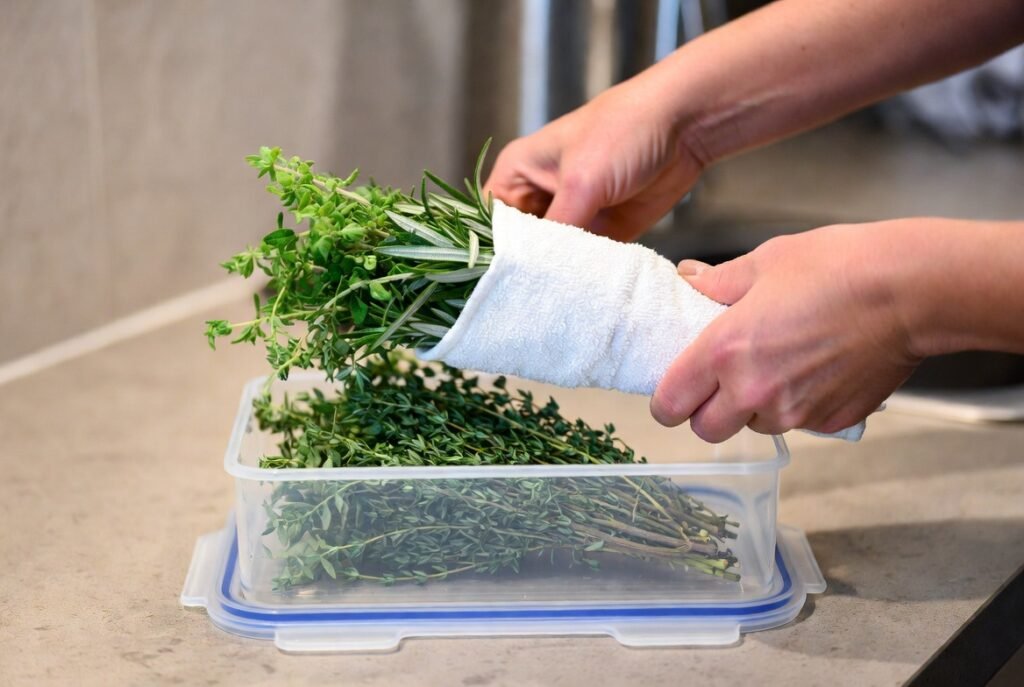
After wrapping the hardy herbs in a towel, this airtight container or sealed silicone bag will protect them from both refrigerator burn and excessive odor from other foods, as well as excessive exposure to air.
Avoid Washing Until Use
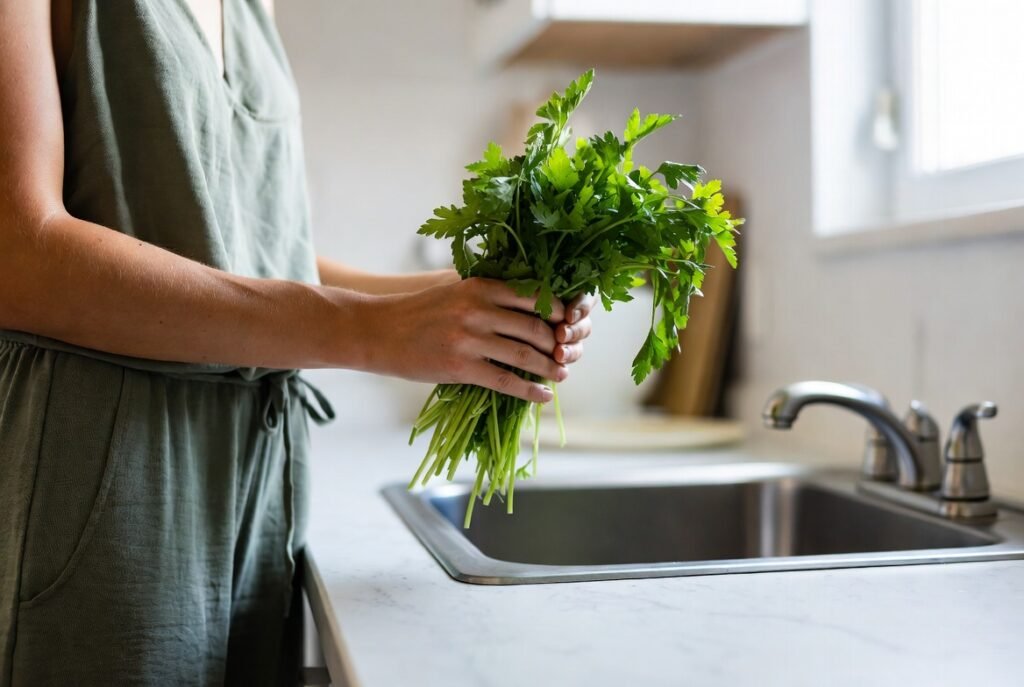
Excess moisture is the biggest enemy of herb longevity. Avoid washing herbs until you’re getting ready to cook with them unless you’re fortunate enough to have a salad spinner that’ll dry your herbs to a bone; otherwise, you will sacrifice them to decay ahead of time.
Trim the Stems Before
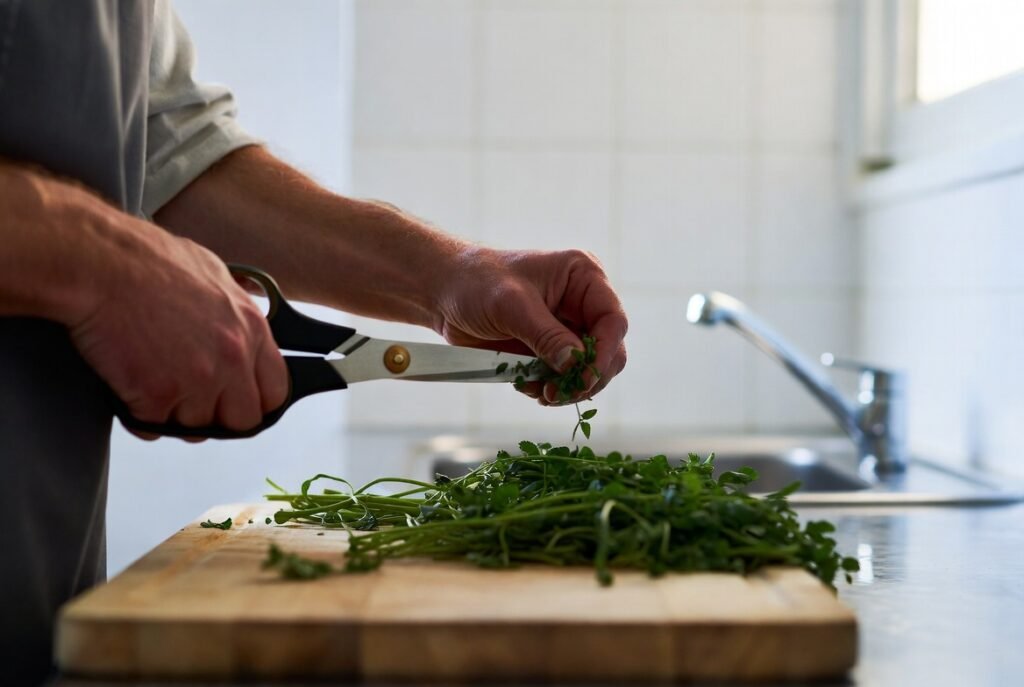
Storing Just like flowers, cutting half an inch off the bottom of the stems before putting them in water opens up the vascular system and allows it to get the water more readily, maintaining the entire spring fresh.
Distance from Ethylene-producing
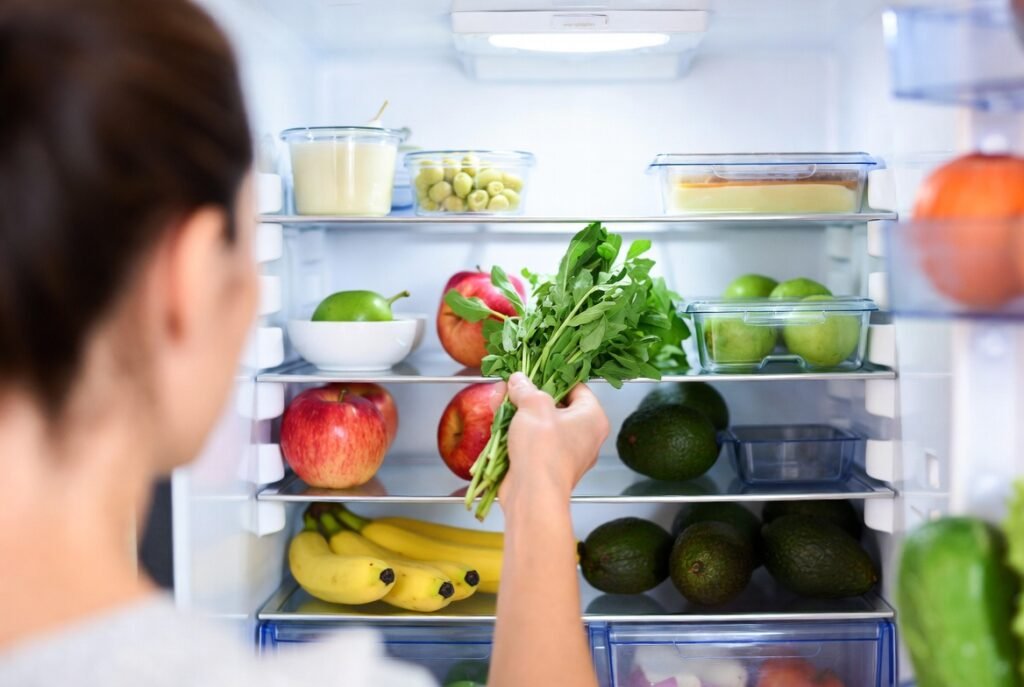
Apples, bananas, and avocados are the culprits responsible for ethylene gas release in the ripening process, causing yellowing and very rapid spoiling of herbs.
Freeze the Herbs in Oil or Water
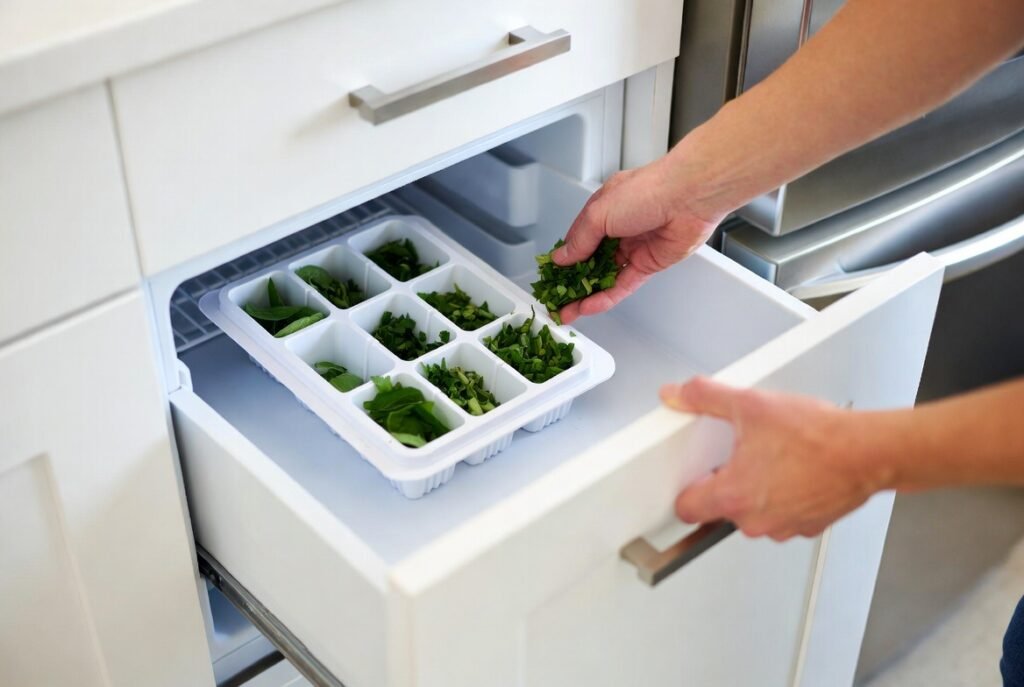
If you cannot use your herbs immediately, chop them up and place them in ice cube trays covered with olive oil or water. This method provides excellent preservation of all the flavor, thereby allowing one to utilize them for soups, stews, and sauces in the future.
Strategic Drying of Herbs
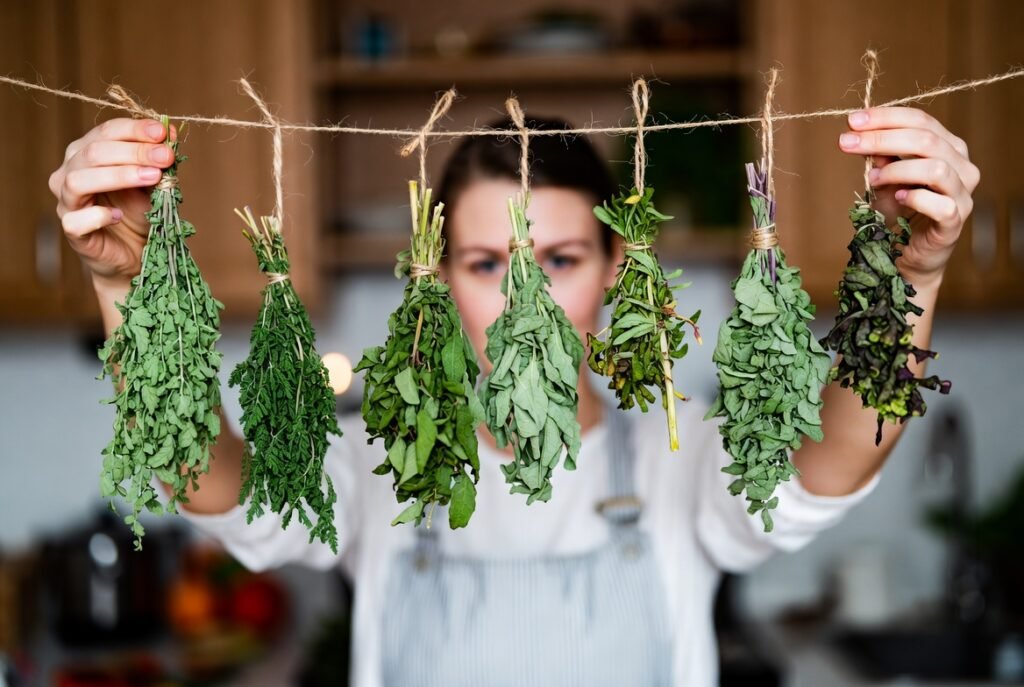
If those herbs were really on the verge of expiring, instead of wasting them, you could hang them in small bunches or dry them in a low-temperature oven. In the next few months, they will remain flavorful.
Systematic labeling system
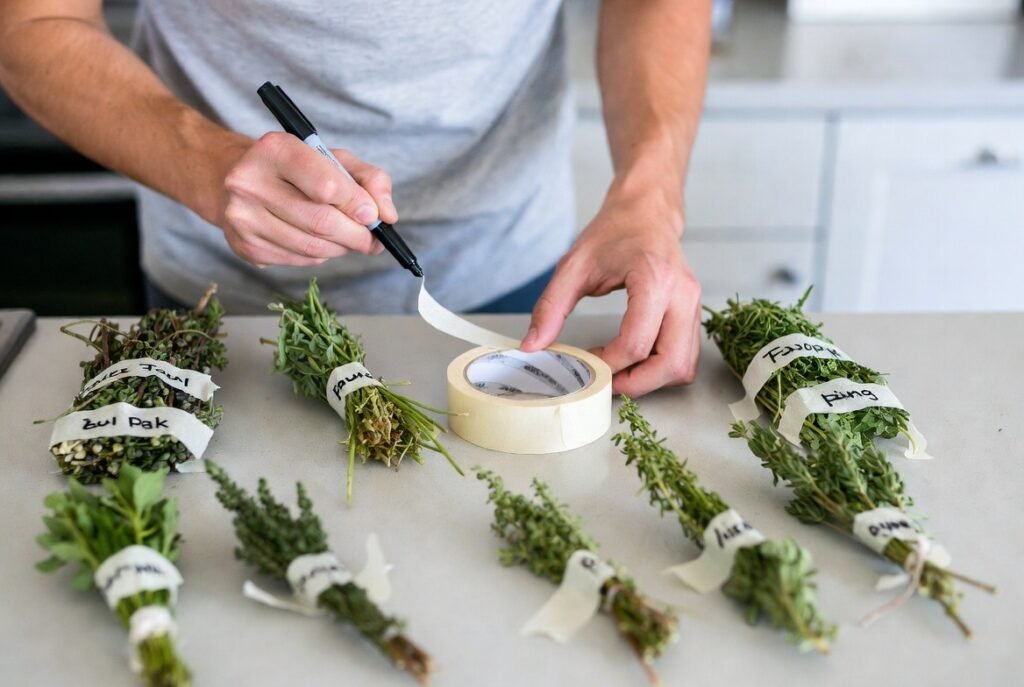
Herbs usually look alike once they are wrapped or packed away in containers, labeling is essential for a low-waste kitchen. Use masking tape to write the name on the herb and the date of storage. This little habit ensures that you will use the oldest herbs first and save any expensive tarragon from being lost at the back of your fridge.
Regular “sanitation” checks should be carried out
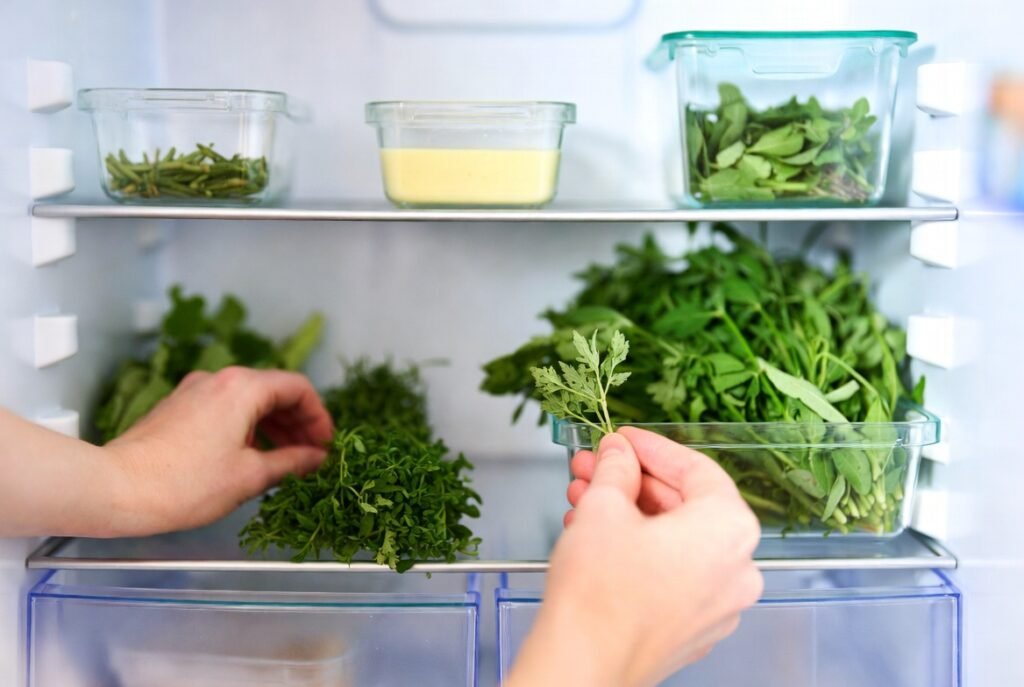
Every two to three days, inspect your stored herbs for signs of decay. If you see one leaf turn yellow, brown, or even slimy, just pluck it out. One black sheep will smell out all others as the old saying goes; Can you imagine if just one spoiled leaf releases its enzymes and moisture onto the succulent stems and leaves? It’s during these regular checks that you keep rot at bay; allowing you on the average another two turns on your overall shelf life within your herb store.
