
For decades, health hints would be firstly a show on scale weight, but when it turns 50 years, it modifies its interest. Though thin might be assumed to be healthy somewhere in life, yet the quality of living at highly advanced years can best be quantitatively approximated not with the weight of the individual scale but with lean mass and physical strength. In fact, excess weight sometimes acts as a protection more than being frail; sometimes, an adequate amount of muscle is inversely related to health.
Muscle Wasting Prevention (Sarcopenia)
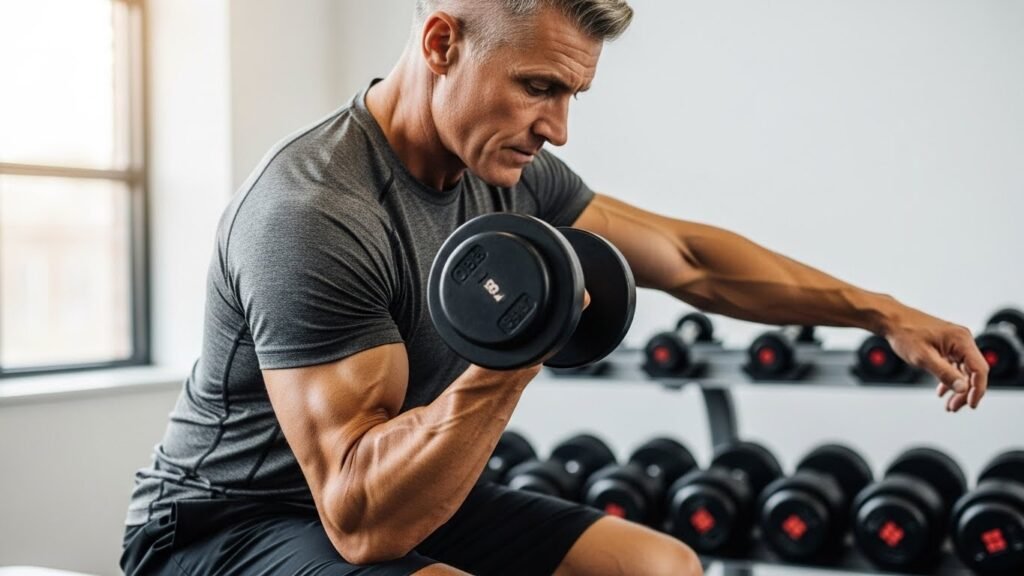
During the aging process, about from the age of thirty, muscle mass begins to decrease. Starting from age fifty, the process of muscle loss occurs at a faster rate. Regardless of efforts to lose weight, do not expect much muscle retention. It is for this very reason that strength training becomes important; otherwise, one builds no “machinery” to counteract the frailty of old age.
Prevention of Falls that Could Change Your Life (Effects on Balance)

Falling is one of the main causes of injury to elderly adults. Being skinny does not give one good balance strength; a strong base provides a counterbalance to the core stabilization. The strong legs and core, the internal stabilizers, will be there to catch you when you stumble and keep you vertical on the uneven ground.
Maintaining Bone Density
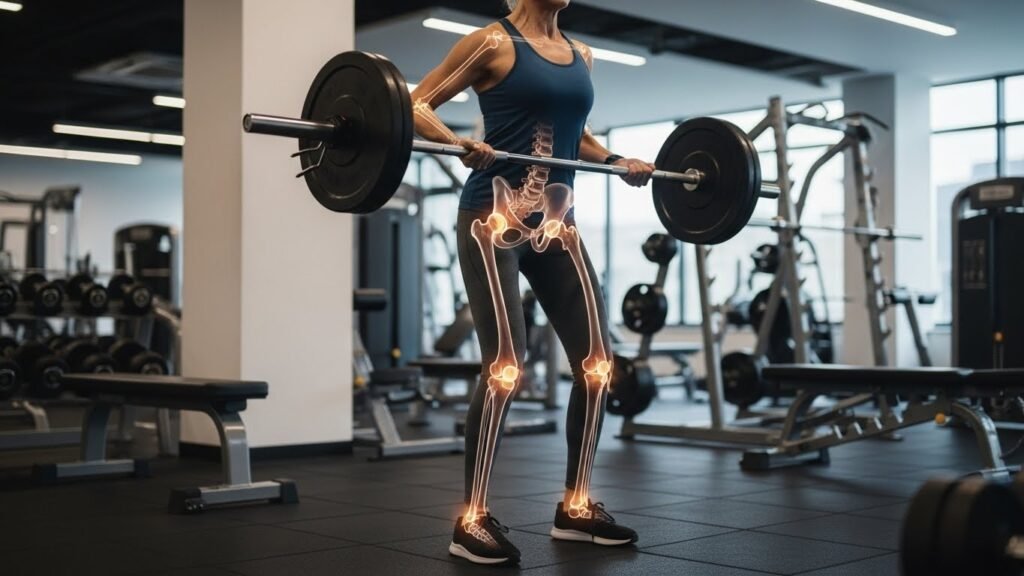
That’s muscle-bone teamwork. Lifting weights and doing resistance exercises put stress on your bones that tell them to get denser and stronger. This is the best medicine against the osteoporotic spontaneous fractures of the hip that so often arise.
To Remain Independent

With that strength, you should be able to haul your groceries, get out of a low car without needing assistance, and stuff a suitcase into an overhead bin. You may not be able to do all that just by being “thin” but will be able to do so while being strong.
Speed Up Metabolism
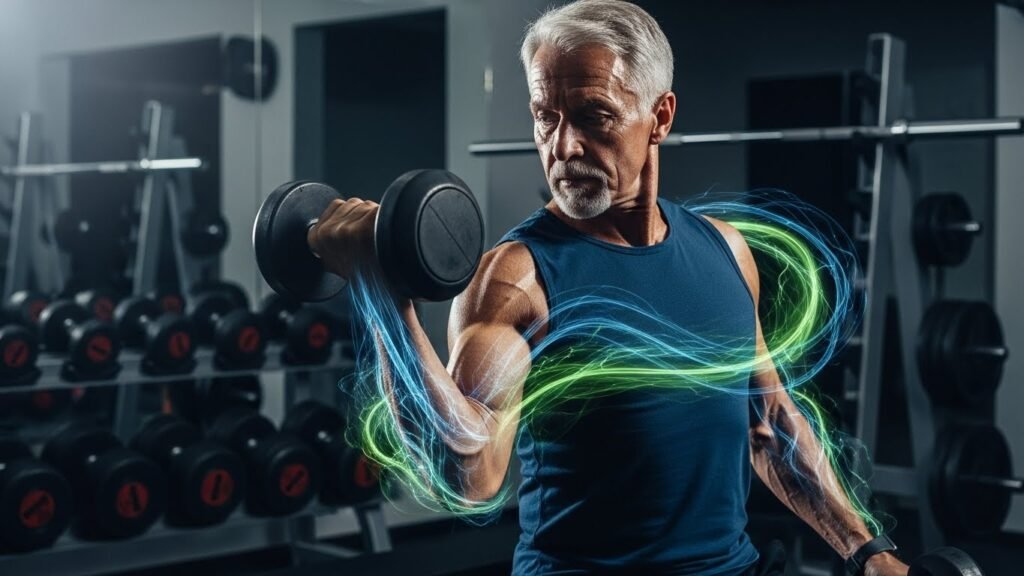
Muscle is the active tissue that burns more calories than fat, even at rest. So as your metabolism naturally starts to slow down at age 50, the greater your muscle mass, the easier it will be to control your weight rather than being forced to resort to restrictive, ”thin-meaning” diets.
Sugar Control Improvement
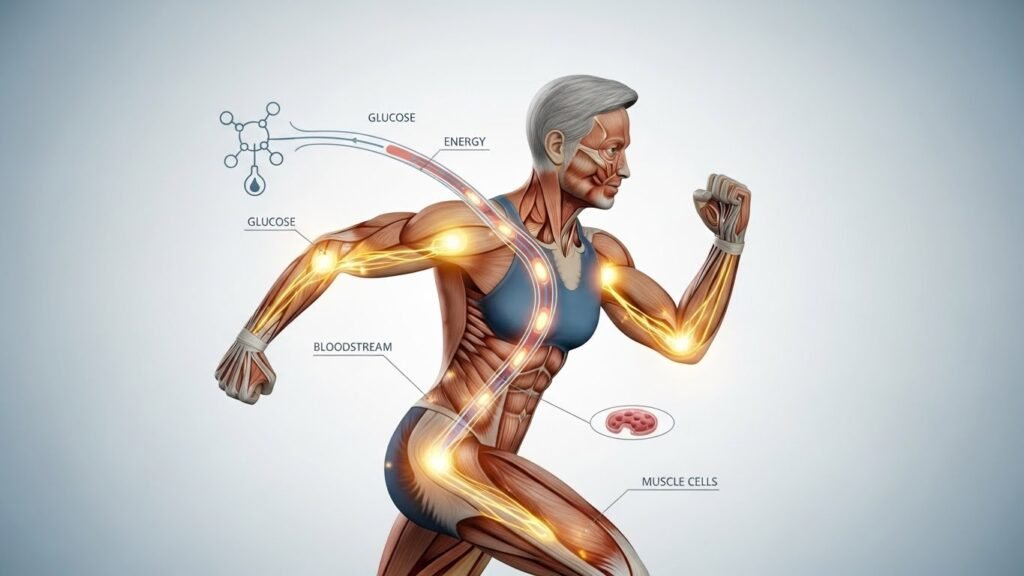
Muscles are the main sites for storage and utilization of sugars (glucose) in the body. Increased muscle mass leads to improved insulin sensitivity over decreased risk of Type 2 diabetes, which is getting more and more worrying with advancing age.
Recovery from Illness or Surgery

Life happens and finds you spending time in a hospital or under general anesthesia. Muscle is the protein and energy reserve of the body. A strong person survives life-threatening disease much better and recovers faster compared to a frail or underweight person.
Protect Joints
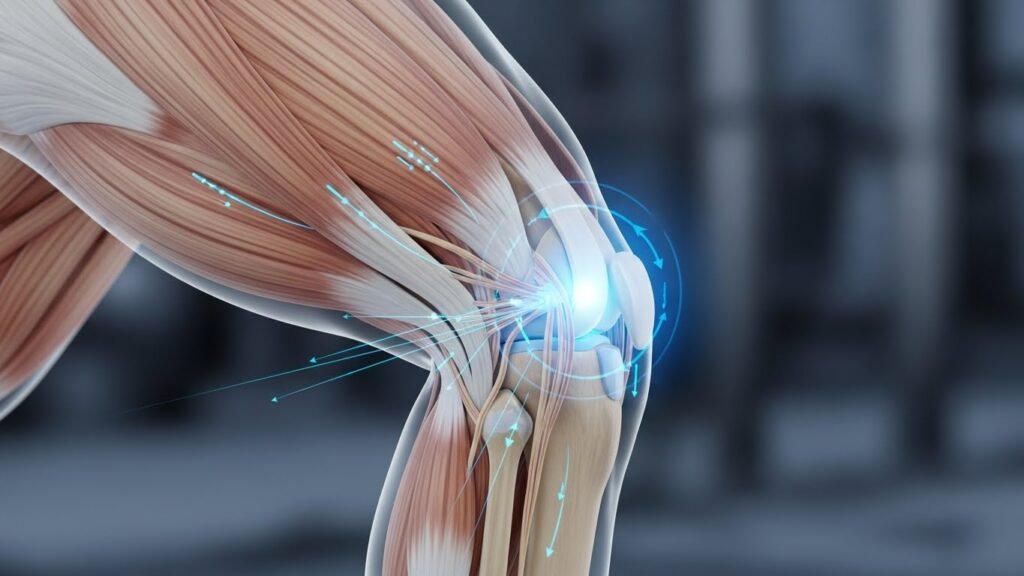
Strong muscles are shock absorbers for joints. Weak muscles around the knee take the brunt of each step’s force, which leads to arthritis pain. Hence, strength training must be carrying the burden on the joint pain to the point of hiding it.
Mental Happiness and Confidence

But there is this rare “mental armor” that comes with being strong. To know that your body can and will protect itself helps lessen the fear of aging: in scientific studies, strength training has been associated with reduced levels of depression and anxiety in older adults.
Cognitive Health
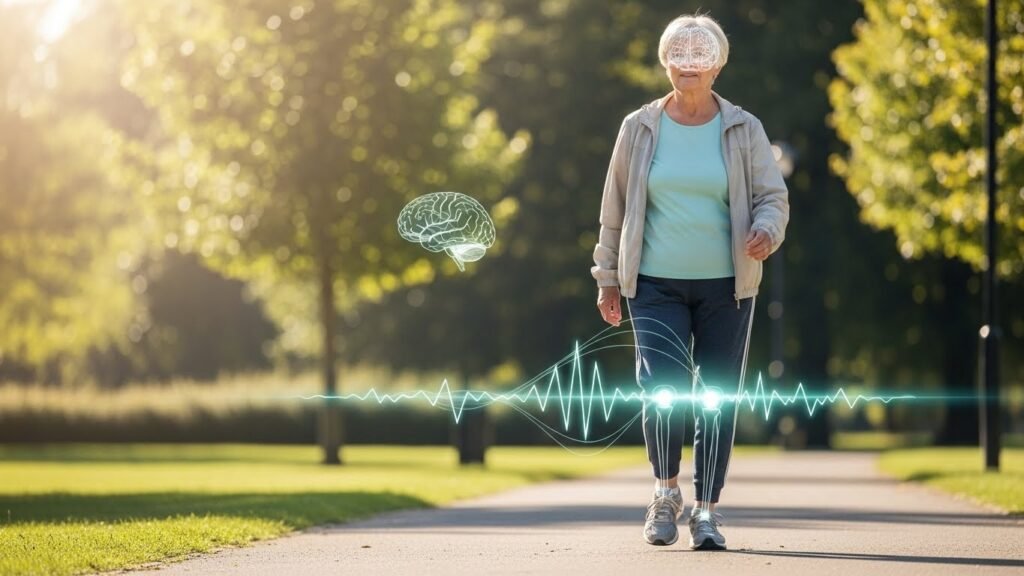
With strong leg strength related to cognition. It has shown that strength in the body translates into memory and less likelihood of dementia. Stay active and strong so that your ”wiring” functions.
Quality over Length

It is not only about living longer; it means living well. Being “thin” at 80 might indicate that one is fragile. Being “strong” at 80 means you are still traveling, playing with grandchildren, and generally active. Strength is the key to adding life to your years, and not years to your life.
